


Carved Mahogany Daybed
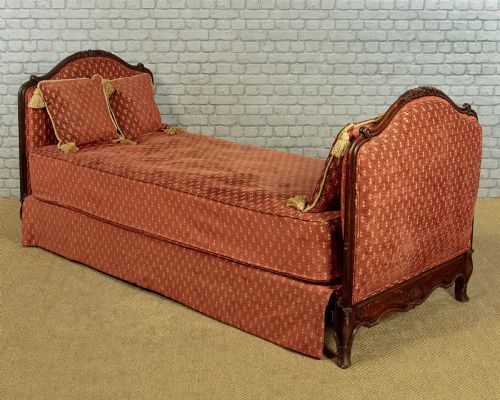
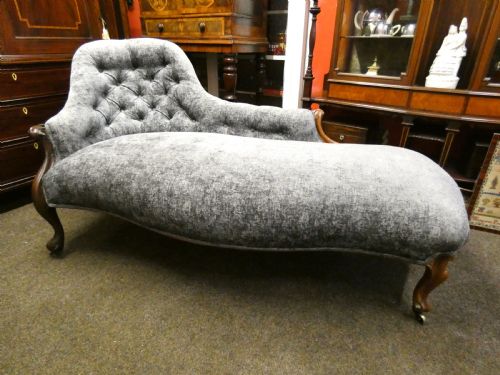
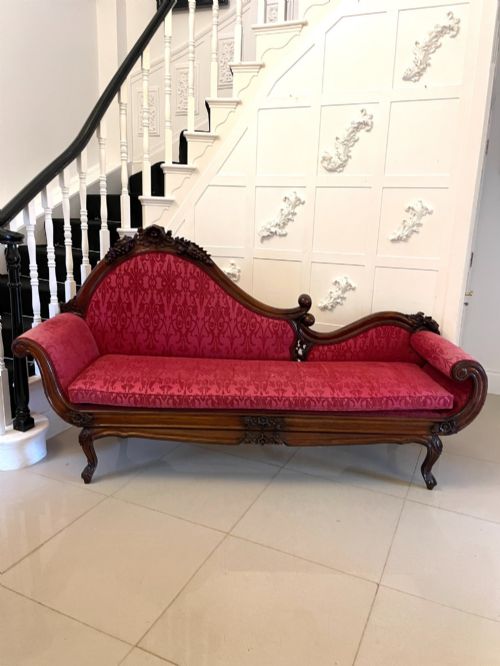
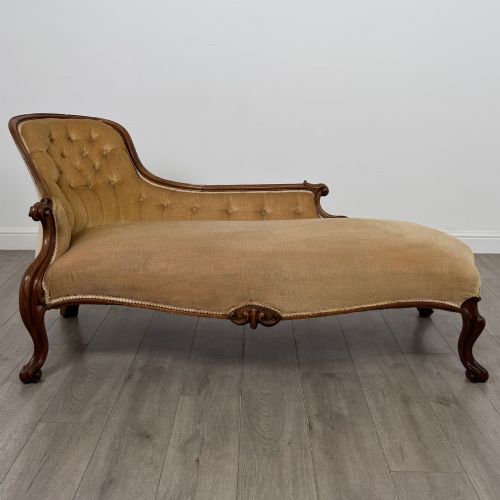
These carved mahogany daybed items are substantial nineteenth-century seating forms designed for reclining, offering rich timber grain and classic scrollwork.
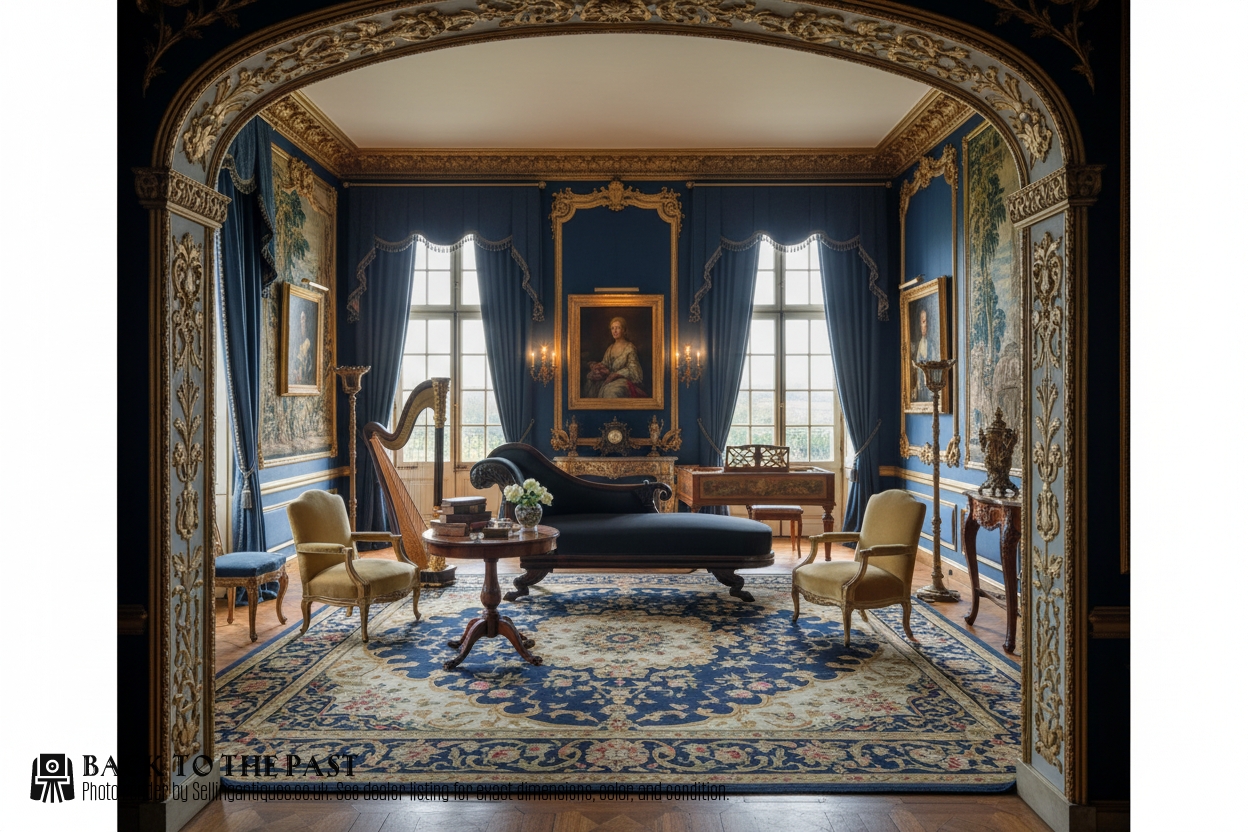
What they are
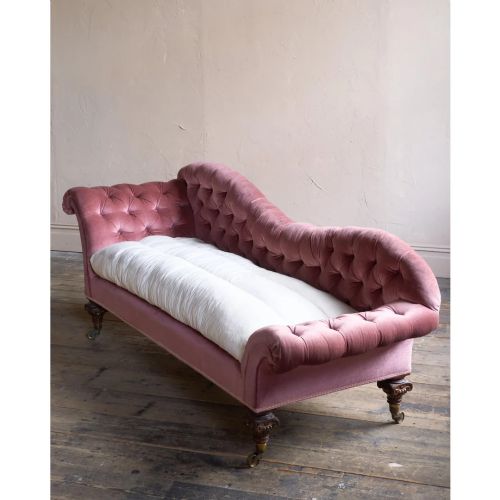
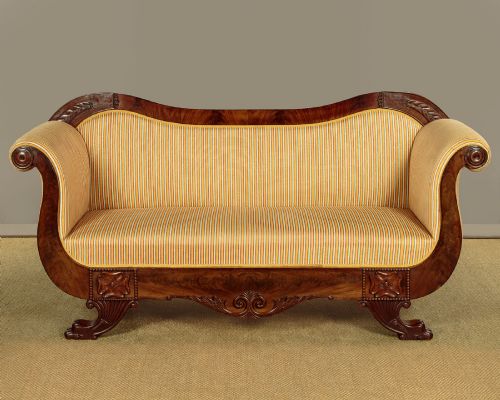
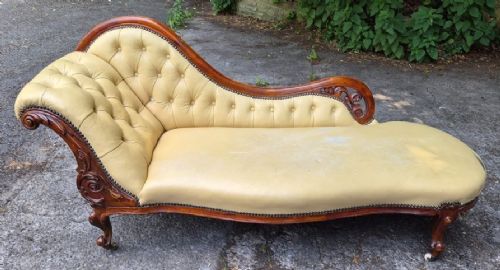
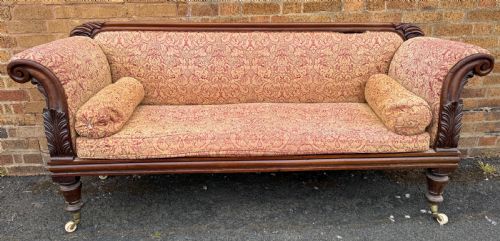
A carved mahogany daybed takes several distinct forms in nineteenth-century seating, appearing primarily as chaise longues, country house hall sofas, and double spoonback pieces. Buyers searching this phrase encounter nineteenth-century examples spanning the Regency, William IV, and Victorian periods.
The dominant form on this page is the chaise longue, alongside country house hall sofas. These pieces provide extended seating designed for daytime resting, featuring raised scroll ends and exposed mahogany frames.
Origins trace across the nineteenth century, including specific dates such as eighteen-sixty alongside broader Victorian and Regency eras. Each piece reflects the formal reception rooms and country house interiors for which they were originally built.
How they were made
Construction relies upon solid mahogany timbers shaped with hand-carved details along the show wood frames. Cabinetmakers utilised dense tropical hardwoods to achieve structural integrity while maintaining slender, curving profiles.
Upholstery forms an integral part of the construction, incorporating materials such as damask, velvet, fabric, and brass detailing. Traditional stuffing and webbing support the upholstered surfaces, which are secured directly to the mahogany framework.
Retail Price Guide 2026
Typical UK retail prices for carved mahogany daybed, calculated from the Sellingantiques database of over a million retail prices indexed since 2003. This retail price guide relies exclusively on Sellingantiques data; no external sources or auction records are used, so the figures do not describe the wider market.
Early nineteenth-century daybeds were specifically engineered for gentlemen resting after heavy port.
What varies in quality
Quality separates ordinary joinery from superior cabinet work through the crispness of the timber carving and the selection of figured mahogany. Finer examples display deeply sculpted scroll ends and harmonious proportions that retain their structural tension over time.
The sophistication of the upholstery specification also distinguishes the range, from simple functional fabric coverings to luxurious velvet and damask finishes. Superior pieces maintain authentic period character through the integration of quality textiles and solid brass hardware.
The Carved Mahogany Daybed Glossary
- Mahogany
- A durable tropical hardwood known for its reddish-brown colour and rich grain pattern. Cabinetmakers favoured this timber throughout the nineteenth century for its stability and suitability for carving.
- Chaise longue
- An upholstered seating form combining a chair and a footstool into a single piece for reclining. The name translates from French as long chair.
- Regency
- A stylistic period spanning the early nineteenth century defined by classical restraint and archaeological revival. Furniture from this era often incorporates clean architectural lines alongside bold mahogany veneers.
- Damask
- A reversible figured fabric traditionally woven on a jacquard loom with patterns visible on both sides. This textile appears frequently on nineteenth-century upholstery.
- Spoonback
- A chair or sofa backrest carved in the concave contour of a spoon to fit the human spine. This characteristic shape emerges strongly in Victorian seating design.
Frequently Asked Questions
How do I identify Regency pieces?
Regency items date from the early nineteenth century and typically display neoclassical influences with restrained, elegant lines. The timber work relies on architectural proportion rather than heavy ornamentation.
Look for clean mahogany surfaces and classical scroll details that distinguish this period from later Victorian production.
What materials were used?
The primary structural material is solid mahogany, complemented by secondary timbers for internal framing. Upholstery fabrics include velvet, damask, and standard upholstery textiles.
Additional components often feature brass tacks or hardware fittings to secure and accent the upholstered surfaces.
How were they used historically?
These pieces functioned as daytime resting furniture in grand reception rooms and country house halls. Occupants used them for reading or relaxing in a semi-reclined position without retiring to a bedroom.
Their placement in public rooms made both the carved mahogany frame and the textile upholstery important displays of household status.
How do I care for the wood?
Maintain the mahogany frame by keeping it away from direct sunlight and sudden temperature fluctuations that dry out timber. Gentle dusting preserves the polished surface without stripping the aged finish.
Avoid using silicone-based polishes and instead rely on traditional beeswax applied sparingly to nourish the grain.