
Mahogany Daybed
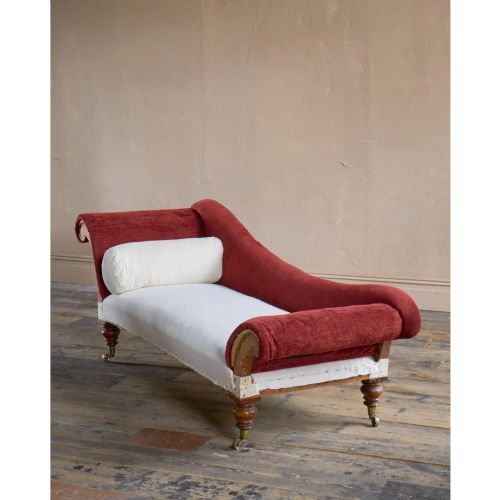
A mahogany daybed brings a stately architectural presence to a room, offering a long timber frame designed for reclining.
Mahogany Daybed
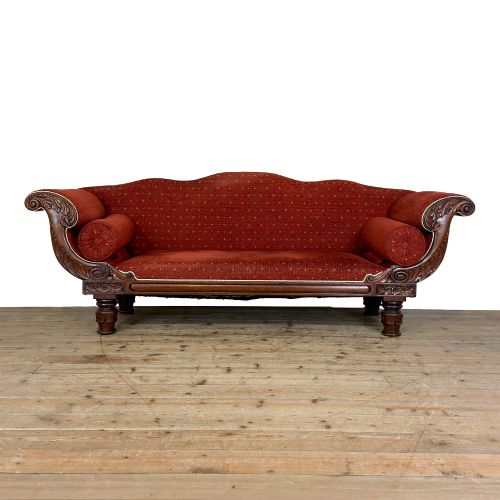
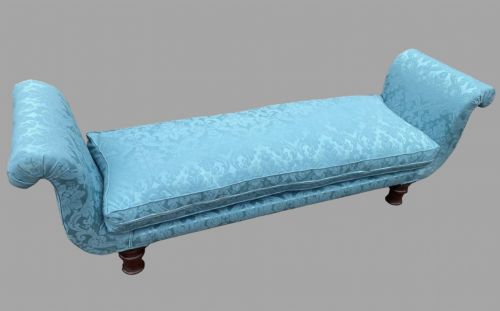
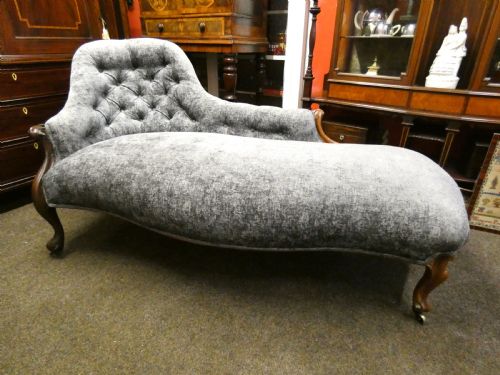
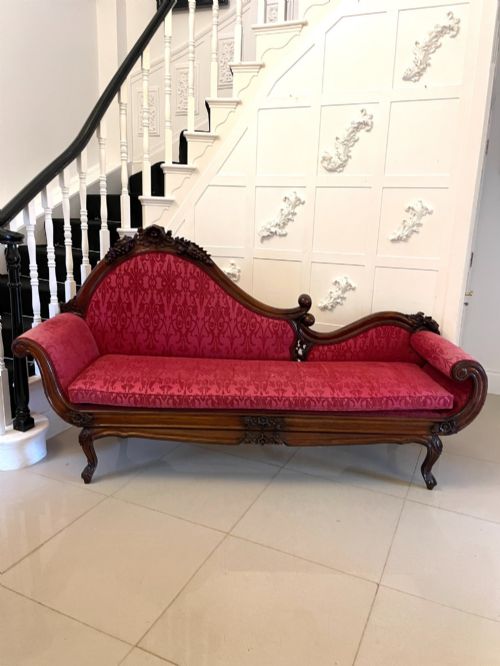
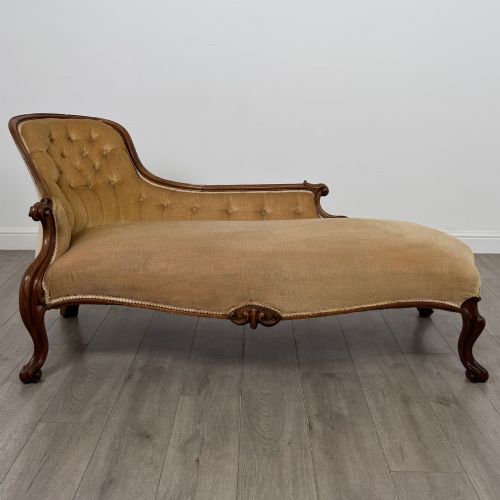
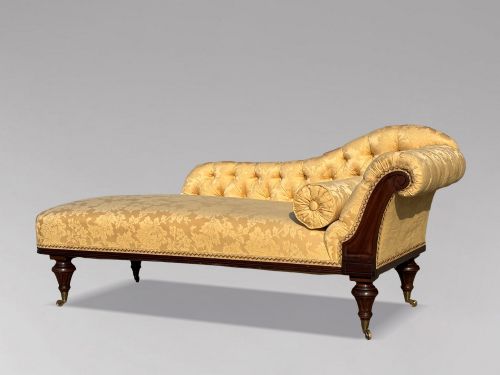
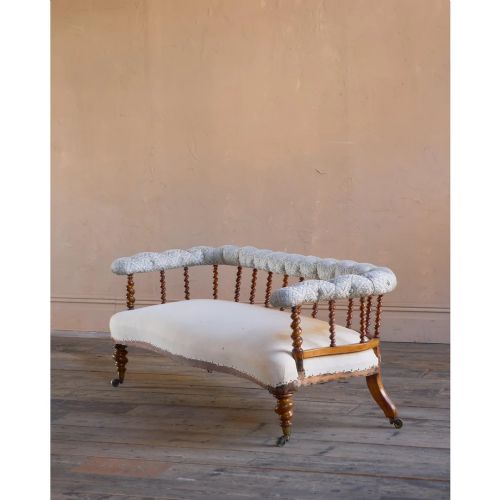
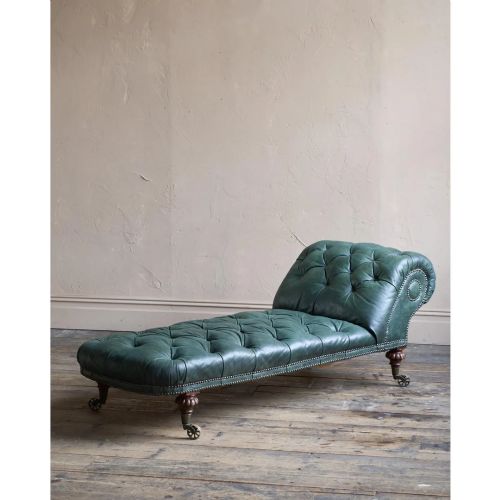
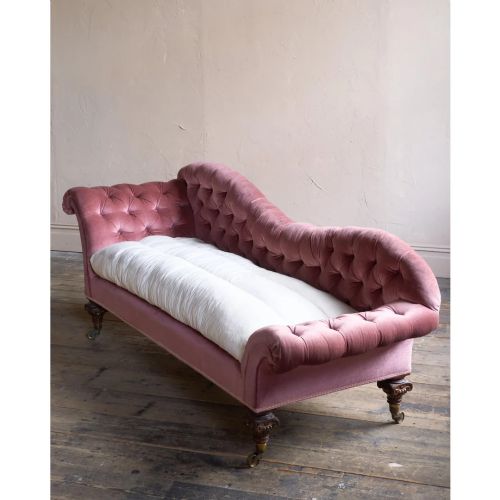
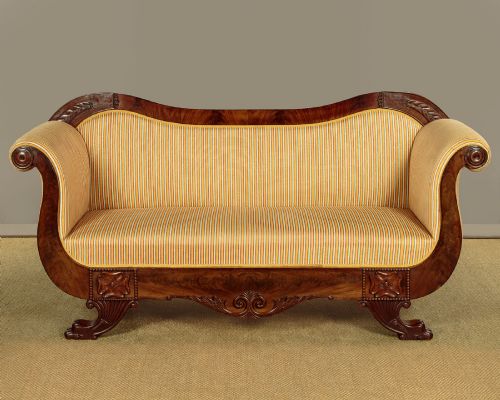
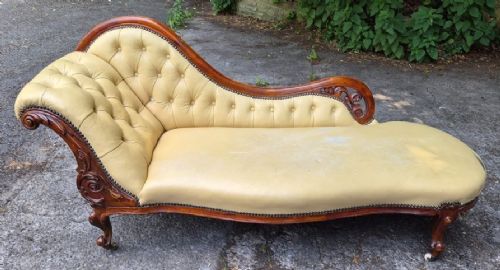
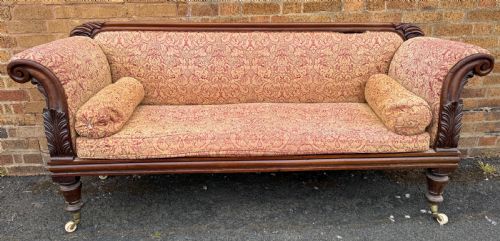
Buyers most frequently encounter Victorian and nineteenth century mahogany chaise longues alongside scroll-end couches and double-ended settees. These items combine timber frames with sprung or padded seating designed for daytime lounging.
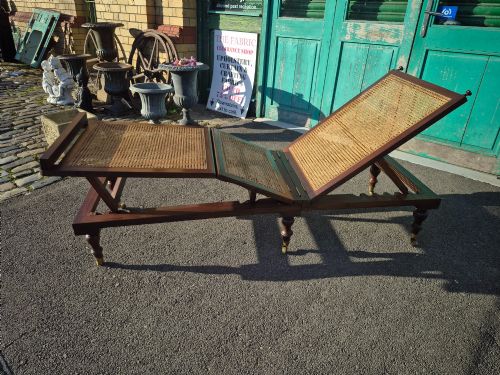
The diverse inventory incorporates related forms such as salon sofas, window seats, and campaign beds. Each variation utilises mahogany as the primary structural wood, often paired with contrasting upholstery and column details.
What varies in quality
Quality rests in the sculptural ambition of the woodwork, visible in deep relief carving, well-proportioned scroll arms, and integrated architectural columns. Subtlety of line and harmony of proportion separate standard seating from exceptional examples.
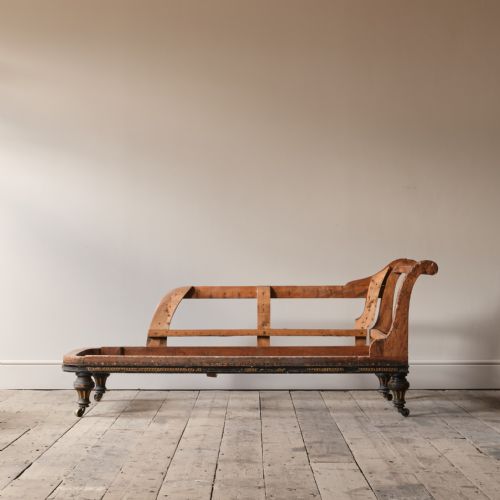
The integrity of the timber framing and the execution of secondary details, such as turned legs and brass castors, determine the physical distinction of a piece. Maker attributions or stamps further elevate the standing of surviving items.
Upholstery materials recorded across the inventory include leather, velvet, damask, and standard fabric over wooden frames.
Holland & Sons·C. Hindley & Sons·Howard & Sons·Jas Shoolbred·Gillows
The Mahogany Daybed Glossary
- Mahogany
- A durable tropical hardwood with a rich reddish-brown tone used extensively for nineteenth century furniture framing.
- Chaise Longue
- An upholstered long chair intended for reclining, combining the characteristics of a chair and a sofa.
- Scroll End
- A wooden arm or back termination curled inward in a decorative scroll, typical of Regency and William IV designs.
- Campaign Style
- Portable or collapsible furniture designed for travel, often fitted with brass hardware and folding frames.
- Damask
- A reversible figured fabric woven on a jacquard loom, frequently utilised for historic upholstery.
Mahogany Daybed: Frequently Asked Questions
Where should a daybed go?
These pieces suit large living spaces, studies, or bedroom window alcoves where their long silhouettes can be viewed from the side. Placing them away from direct sunlight protects the timber and upholstery fabrics from fading.
Ensure adequate floor clearance around the scroll ends and extended chaise frames to maintain proper traffic flow through the room.
How do I date a piece?
Dating relies on stylistic markers such as Regency scroll arms, William IV bold proportions, and Victorian carved mahogany details. Examining the underlying construction methods and secondary woods also helps narrow the period of manufacture.
Cabinet-making conventions shifted across the nineteenth century from classical restraint to heavier Victorian ornamentation.
What is a lit bateau?
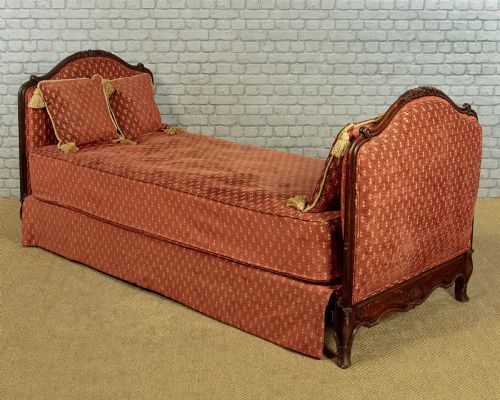
A lit bateau is a French bed design featuring scrolled head and footboards that resemble the curved sides of a boat. These pieces bring a distinct continental silhouette to nineteenth century seating arrangements.
They function as daybeds or sophisticated sofas within formal salon settings.
Can I use modern upholstery?
Modern upholstery fabrics are frequently applied to historic frames to suit contemporary interiors while retaining the original wooden structure. Maintaining traditional padding depths ensures the seat proportions remain correct for the frame.
Choosing appropriate textiles preserves the historic character of the timber beneath.