

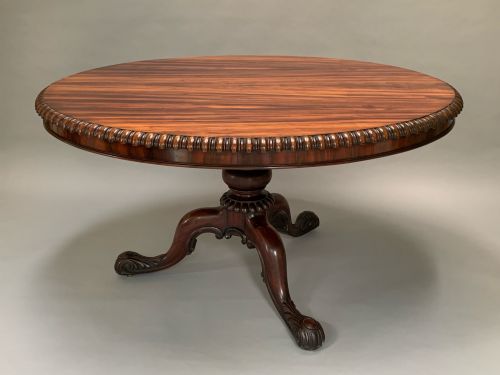



Carved Mahogany Breakfast Table
A carved mahogany breakfast table brings substantial presence to a room, offering a sturdy central pedestal and rich timber grain for daily dining or occasional gathering.
Carved Mahogany Breakfast Table
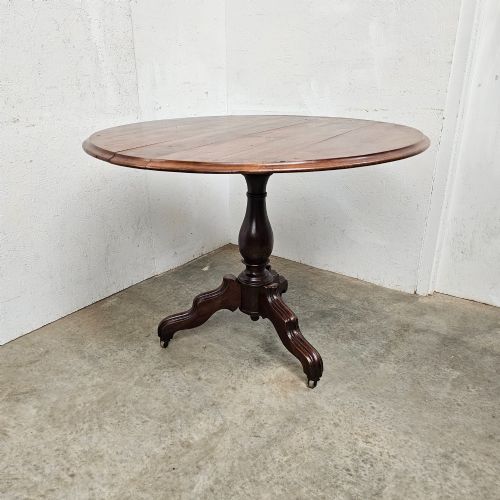
A carved mahogany breakfast table is typically encountered as a circular or oval surface supported by a central pillar, often featuring a tilt-top mechanism or a sturdy pedestal base. These pieces span the Georgian, Regency, William IV, and Victorian eras, reflecting shifts in domestic furniture design from the mid-eighteenth century through the nineteenth century.
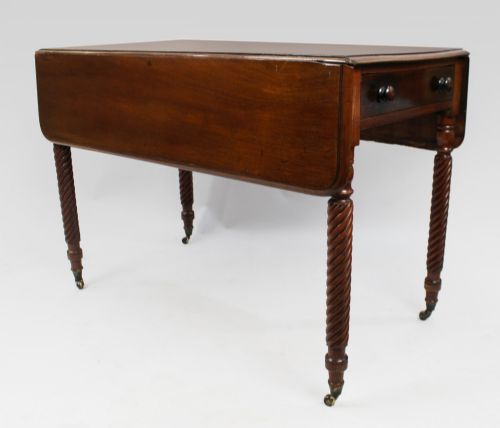
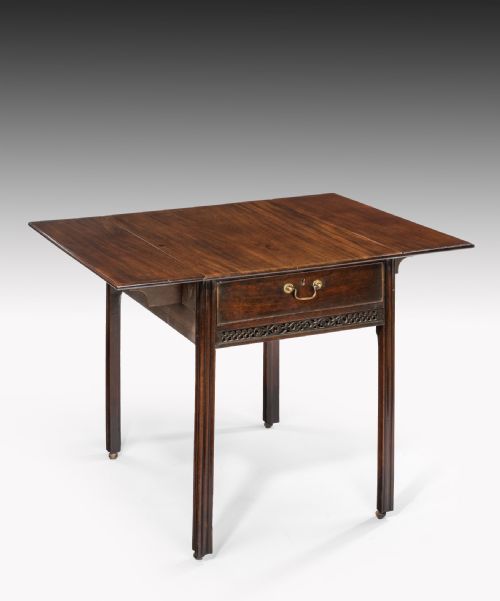
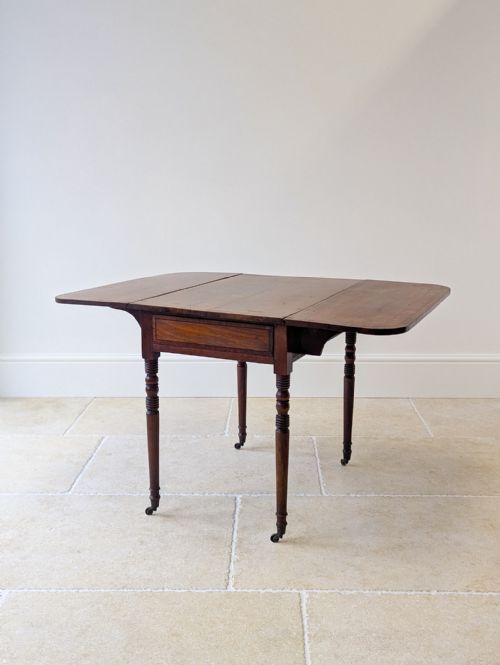
The versions most common on this page date from the nineteenth century, including specific periods like the Regency and Victorian epochs. Alongside traditional breakfast tables, listings include related forms such as centre tables, Pembroke tables, and dining tables fashioned from mahogany, rosewood, and walnut.
Origins range from British workshops to Anglo-Indian examples, showing diverse regional interpretations of pedestal table construction. Whether round, oval, or serpentine, each piece provides a generous surface area designed originally for morning meals or evening supper.
Materials and construction
Makers utilised solid mahogany and flame mahogany veneer over secondary timbers, occasionally incorporating rosewood, walnut, or albuera wood to achieve rich surface figuring. Timber selection governed both the structural integrity of the central pillar and the visual appeal of the top.
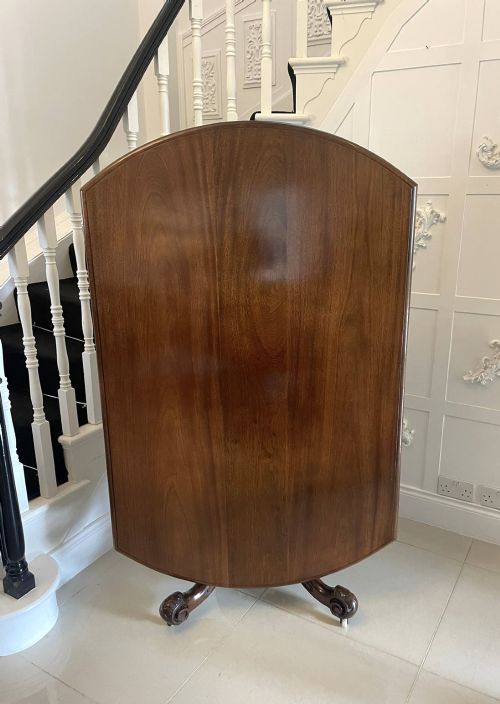
Pedestal bases frequently incorporate brass elements, ceramic castors, or intricate hand-carved details upon tripod, triform, or octagonal supports. Tilt-top and snap-top mechanisms relied on robust wooden catches and metal pivot hinges to allow the surface to fold vertical when not in use.
Several tables retain their original brass castors, built to chase crumbs across the dining room floor after breakfast.
Craftsmanship and proportion
Quality rests in the depth and crispness of the hand-carving on the pillar and base, distinguishing sharply executed botanical or scroll motifs from softer, repetitive machine work. The choice of timber also dictates the grade, with heavily figured flame mahogany veneer or solid stock commanding greater visual weight.
Proportion and stability define the upper tier of these pieces, ensuring the heavy central pedestal supports the top without wobble or tilt failure. Superior examples display seamless joint work in the pedestal assembly and precise alignment in the tilt-top mechanism.
Gillows
The Carved Mahogany Breakfast Table Glossary
- Tilt-top
- A hinged table top that rotates to a vertical position for storage against a wall.
- Triform base
- A three-sided platform or foot configuration supporting the central column.
- Pembroke table
- A small occasional table with hinged drop leaves on two opposing sides.
- Flame mahogany
- Timber veneer cut to display a distinctive fiery or mottled grain pattern.
Carved Mahogany Breakfast Table: Frequently Asked Questions
What is a carved mahogany breakfast table?
A carved mahogany breakfast table is a nineteenth-century pedestal table designed for dining, featuring a solid timber or veneered top supported by an intricately carved central pillar and base.
These pieces often include tilt-top mechanisms allowing the surface to fold away when space is needed in a room.
How do I use one today?
These tables function well as central dining surfaces in medium-sized rooms, or as occasional tables in large hallways where their carved bases remain visible.
Purchasers frequently utilise the tilt-top feature to display the wood grain against a wall when the table is not in active service.
How do I tell Regency from Victorian tables?
Regency tables generally display restraint, classical proportions, and cleaner lines influenced by ancient Greek and Roman design, often utilising brass inlay or reeded pillars.
Victorian examples tend toward heavier proportions, darker finishes, and more abundant, deep relief hand-carving upon the pedestal and base.
What maintenance does mahogany require?
Mahogany benefits from occasional waxing using traditional beeswax to nourish the timber grain and maintain a natural sheen without building up synthetic residues.
Keep these tables away from direct heat sources and strong sunlight to prevent the timber from drying or the polish from fading unevenly.