
Carved Leg Accent Table
When you search for a carved leg accent table, you find a small piece of furniture designed to sit beside a chair or in a hallway.
Carved Leg Accent Table
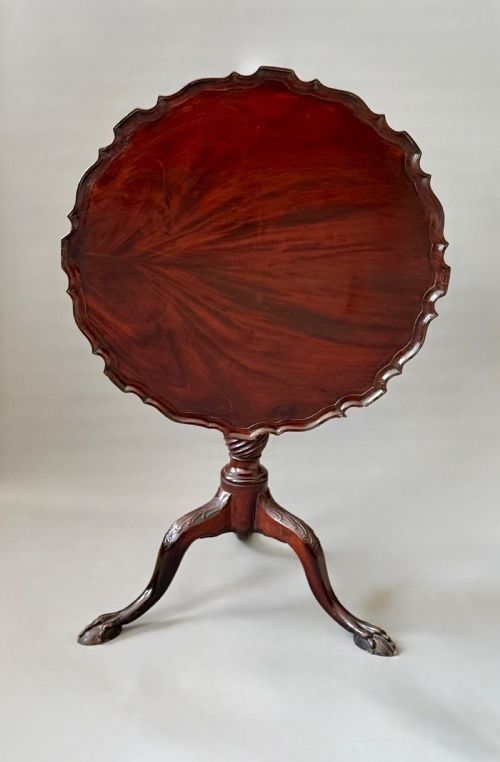
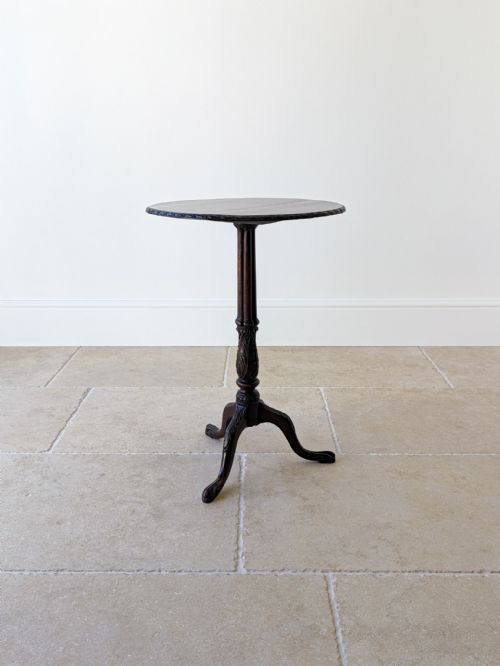
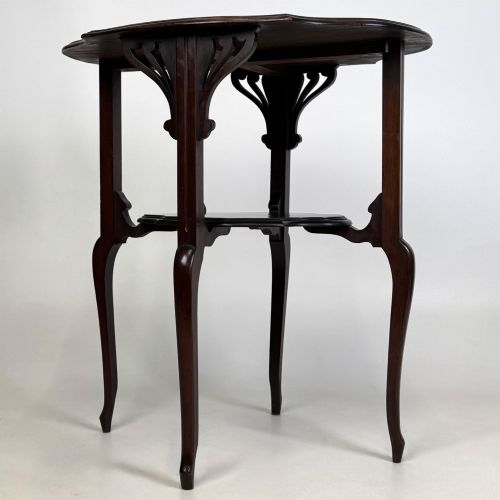
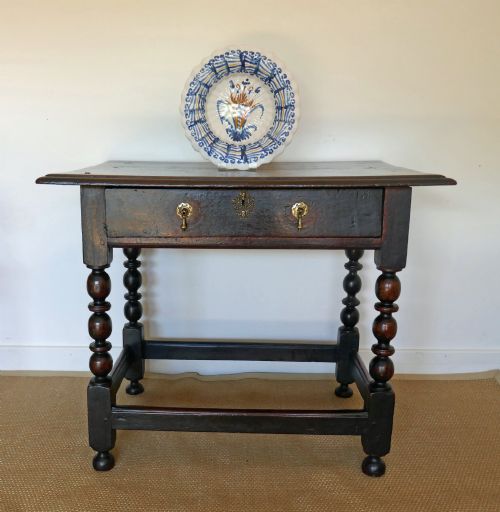
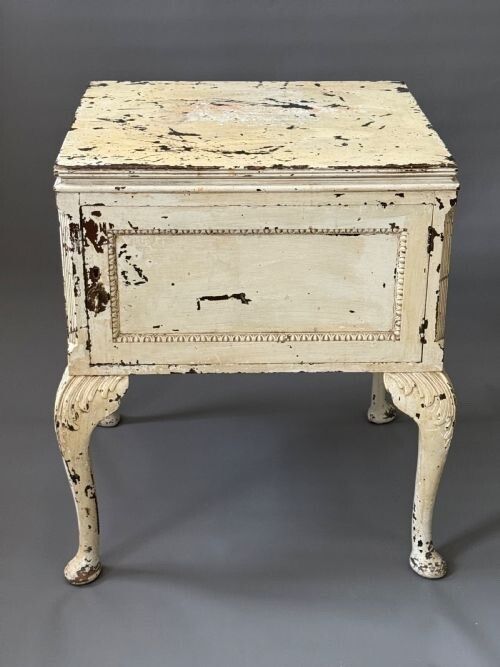
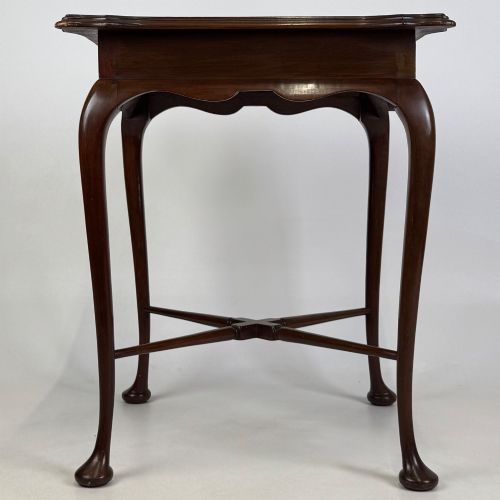
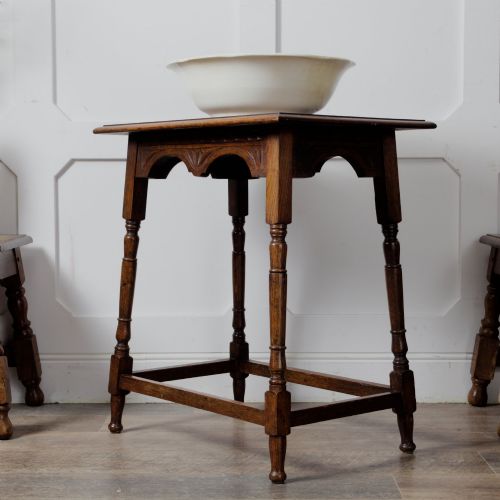
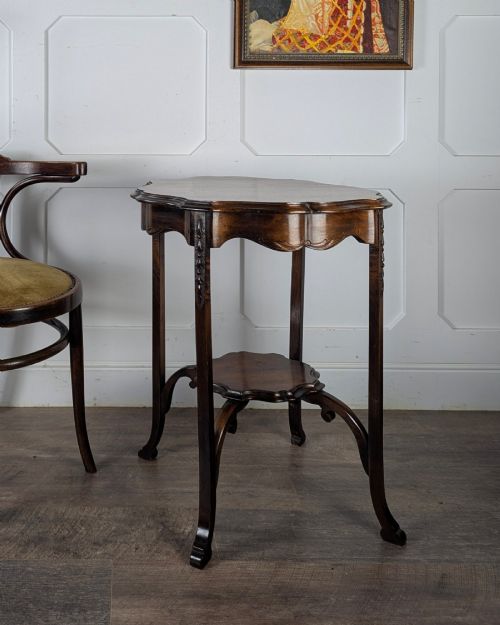
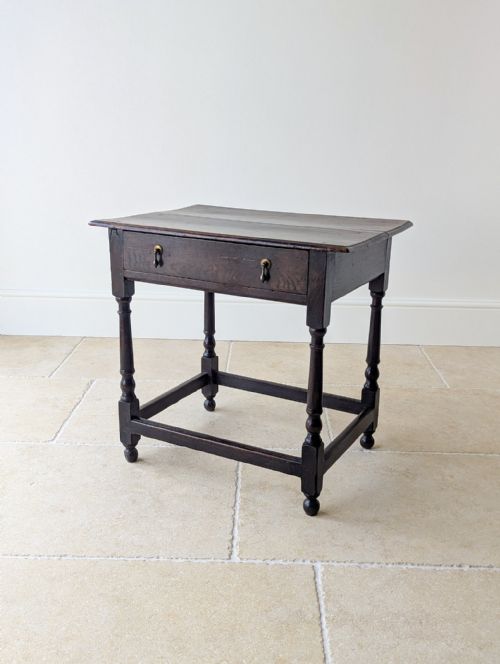
A carved leg accent table is primarily represented here by side tables, occasional tables, wine tables, and lowboys spanning several centuries. These items serve functional roles as small display surfaces or bedside stands while offering decorative detail through their supports.
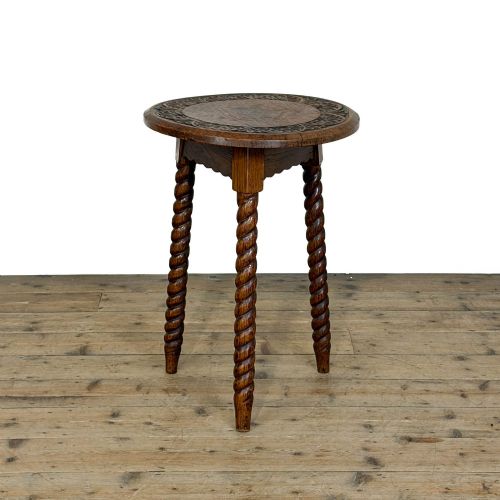
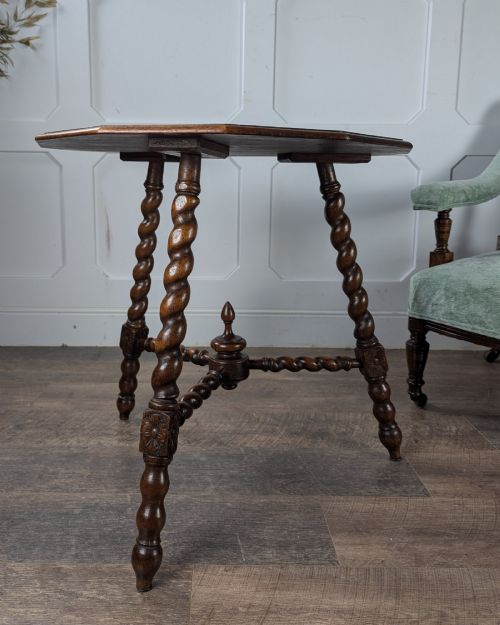
The selection ranges from early seventeenth-century oak examples to Edwardian and Victorian revivals, demonstrating how makers reinterpreted earlier forms. Buyers encounter various timber constructions, including mahogany, walnut, and burr walnut, shaped into tripod bases, barley twists, or straight supports.
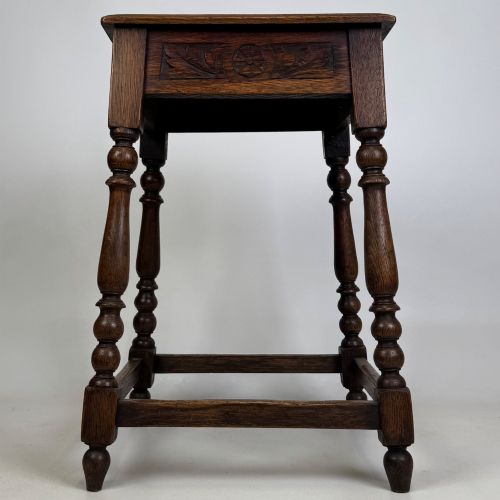
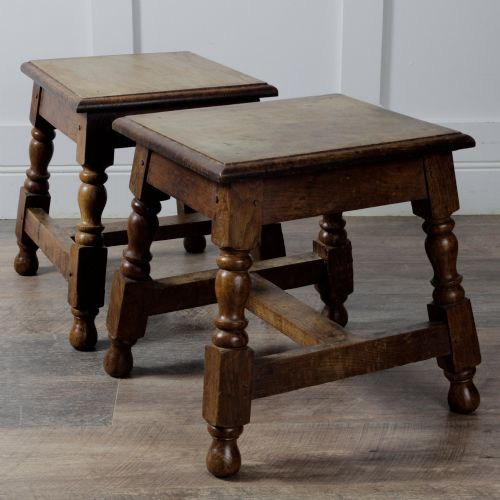
Forms extend beyond standard tables to include stools, bedside cabinets, and occasional stands. Each piece brings specific period characteristics to a room, whether through the restraint of a Georgian design or the heavier carving associated with Jacobean and Gothic revivals.
Materials and technique
Makers utilised solid timbers such as oak, mahogany, and walnut, frequently selecting burr walnut veneers for decorative surfaces. Joinery methods varied by period, employing pegged joints in earlier centuries and turned or carved components for the legs.
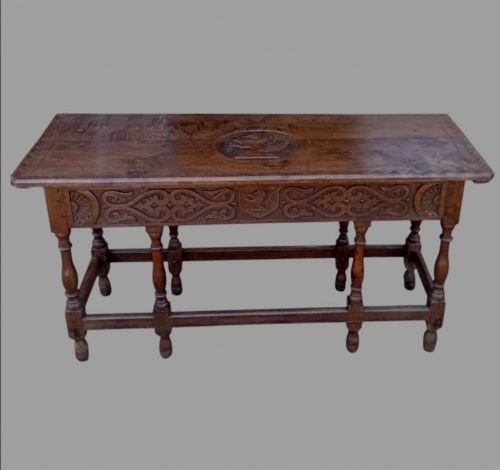
Carving technique defines much of the visual interest, from chip-carving on Victorian occasional tables to elaborate mouldings on eighteenth-century tripod bases. Surfaces often receive polish or paint, highlighting the natural grain of the wood.
Some nineteenth-century tables feature detachable tops, originally designed so diners could store the surface flat against a wall when the room was needed for dancing.
What varies in quality
Quality separates through the crispness of the carving and the selection of timber figure, such as highly grained burr walnut or dense mahogany. Superior examples maintain balanced proportions and retain original components like detachable tops or turning details.
Construction integrity dictates longevity, distinguishing pieces made with traditional joinery from later reproductions. The handling of edges, rims, and joint fittings reveals the maker's competence during production.
Shapland and Petter
The Carved Leg Accent Table Glossary
- Tripod table
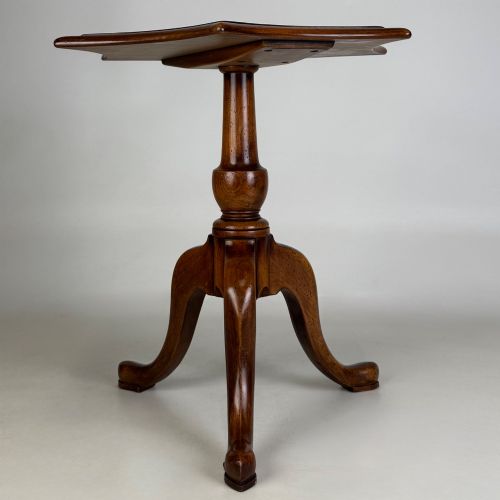
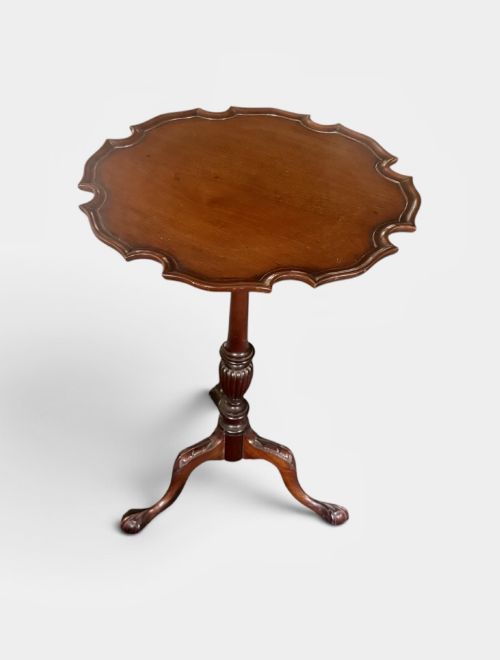
- A small table supported by a pillar above three legs, often utilised as a wine or tea table.
- Lowboy
- A small seventeenth or eighteenth-century table with drawers, commonly functioning as a dressing or side table.
- Pie crust rim
- A raised, scalloped tabletop edge carved to resemble pastry work, seen on eighteenth-century designs.
- Barley twist
- A carved wooden support shaped in a spiral twist, popular during the seventeenth and Victorian periods.
- Occasional table
- A small, movable table intended for intermittent use within a room.
- Chippendale style
- A decorative design inspired by Thomas Chippendale, featuring elaborate carving and cabriole legs.
Carved Leg Accent Table: Frequently Asked Questions
What is a carved leg accent table used for?
These tables provide a compact surface for holding lamps, books, or decorative objects within a living space or hallway. Their small footprint allows them to fit beside seating or against narrow walls.
Historically, specific forms like wine tables or lowboys fulfilled particular domestic duties, whereas modern placement focuses on flexibility and visual accentuation.
How do I date an antique wooden side table?
Dating relies on examining the timber species, construction methods, and stylistic indicators such as leg turns or carving motifs. Earlier pieces often display pegged oak joinery, while later Victorian and Edwardian examples utilise machine-sawn elements.
Comparing the hardware, secondary woods, and wear patterns against known period characteristics helps establish the approximate decade of manufacture.
Are tripod tables stable on carpet?
Tripod tables rest on three feet, which naturally accommodate uneven stone floors better than four-legged furniture. On thick carpet, however, the narrow base can cause slight rocking depending on the weight distribution of the tabletop.
Placing the table away from heavy traffic areas or on a firm rug ensures steady placement for objects displayed on top.
How do I care for walnut and mahogany surfaces?
Maintaining wood surfaces requires avoiding direct sunlight and moisture, which can fade timber and damage polish. Regular dusting with a soft, dry cloth preserves the finish without building up residue.
Applying occasional appropriate wax feeds the grain and protects older polish from drying out in centrally heated rooms.