




Carved Leaf Sofa Table
A carved leaf sofa table offers elegant proportions and drop leaves, bringing classical refinement and practical surface space to any room.
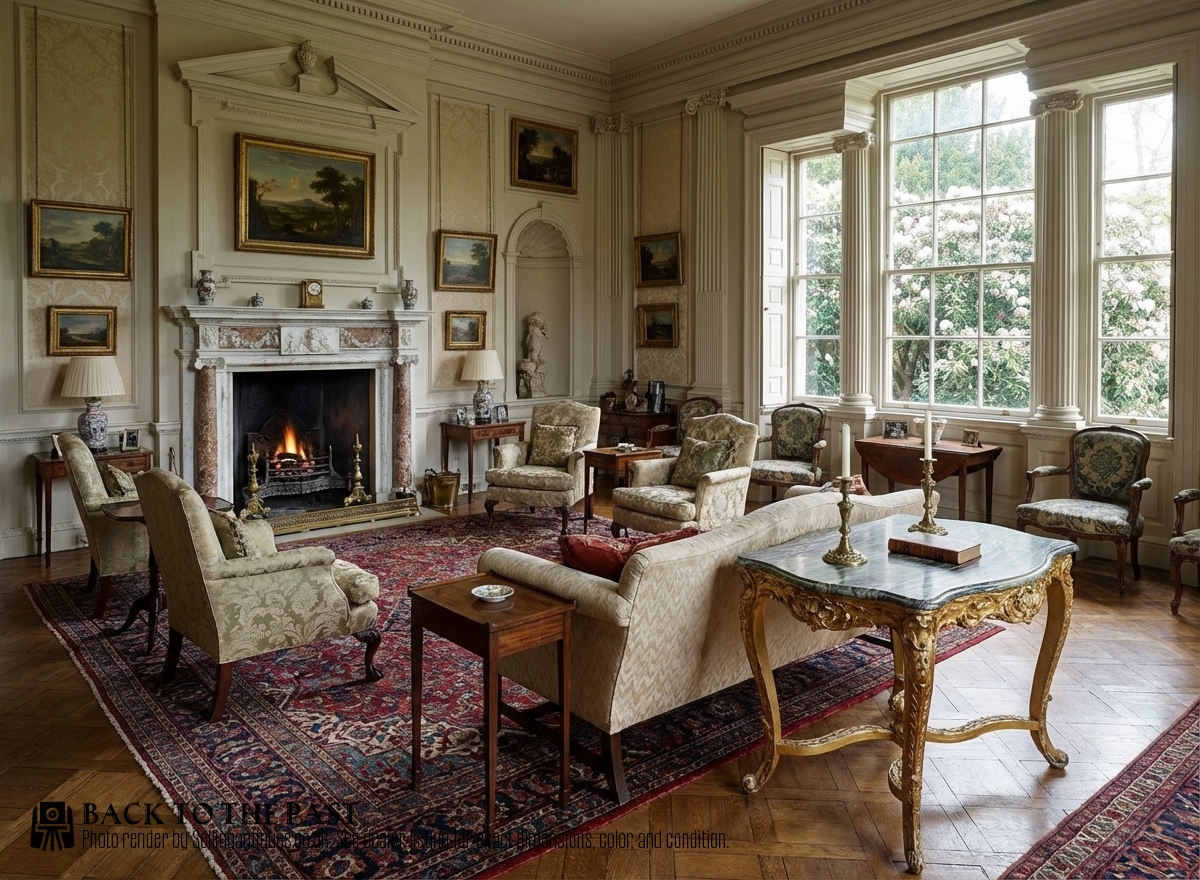
Carved Leaf Sofa Table
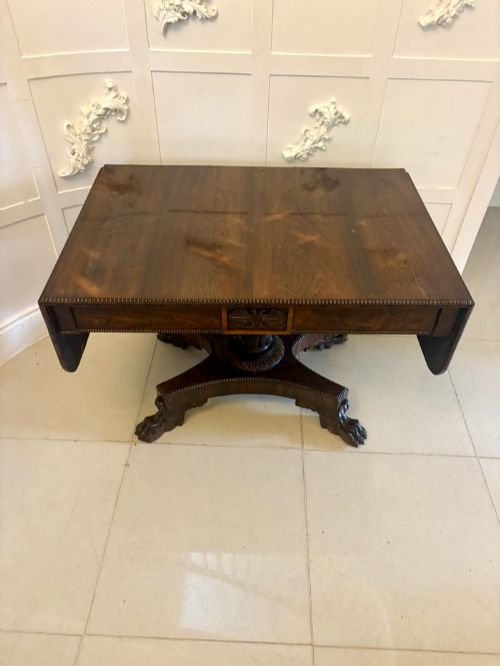
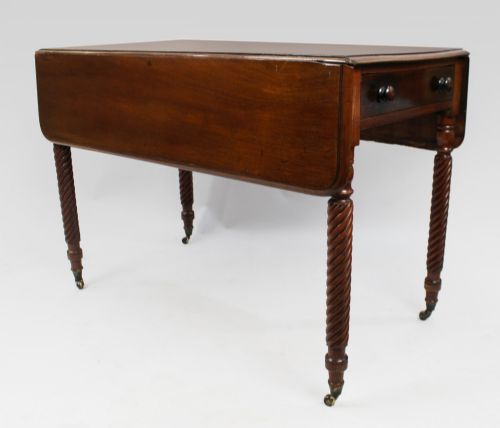
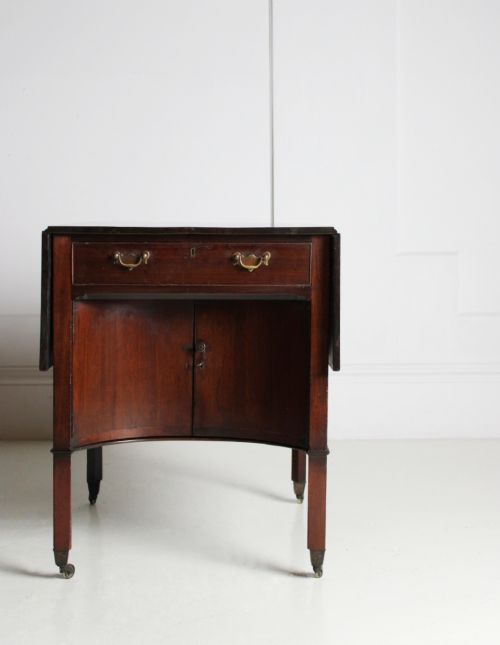
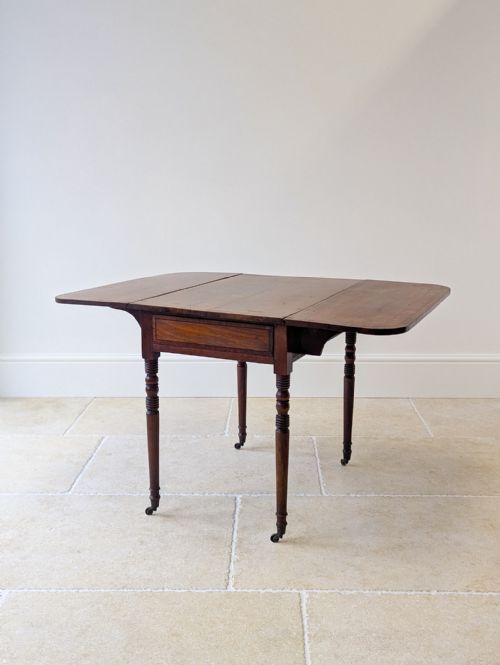
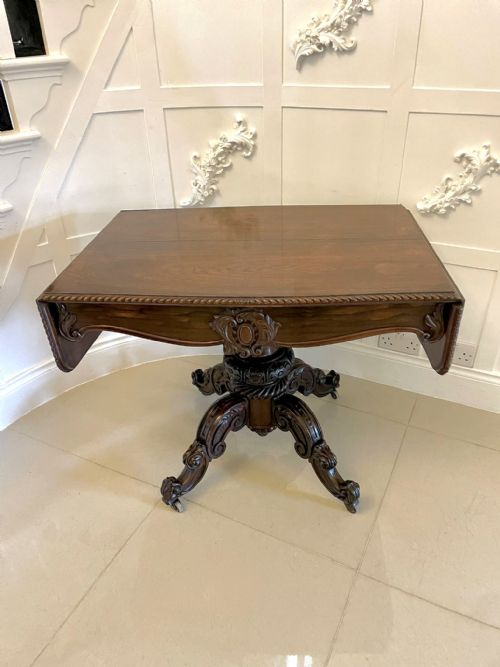
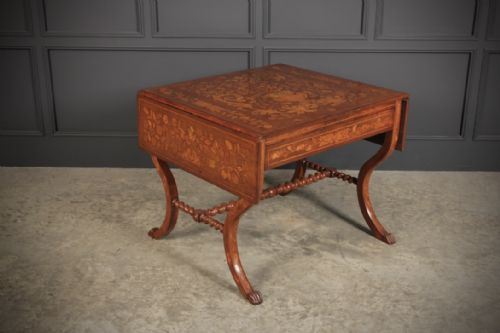
A carved leaf sofa table is a versatile drop leaf design historically placed behind a sofa or freestanding in the centre of a room. The selections available span periods from the Georgian era through the Regency and Victorian epochs, alongside early twentieth century revival pieces.
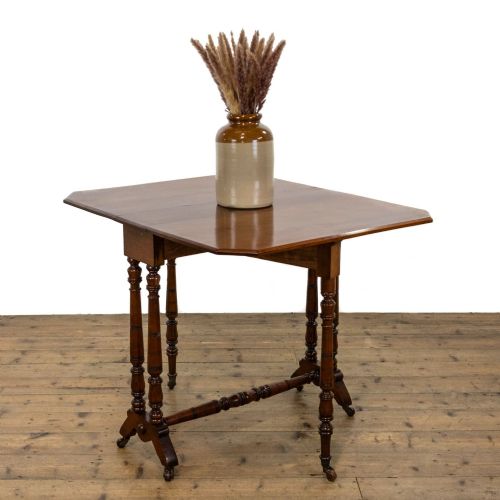
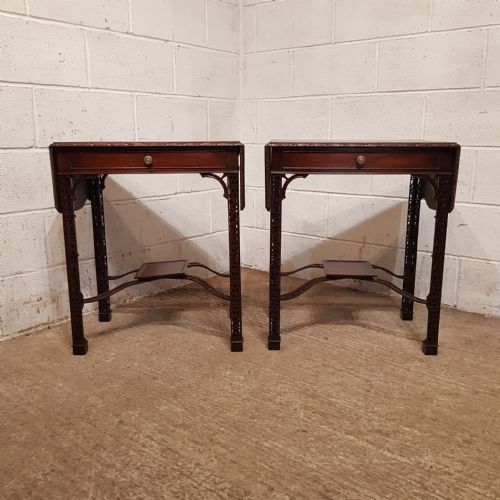
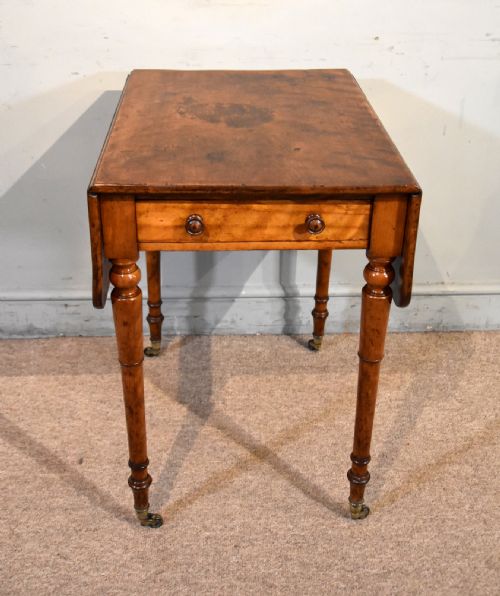
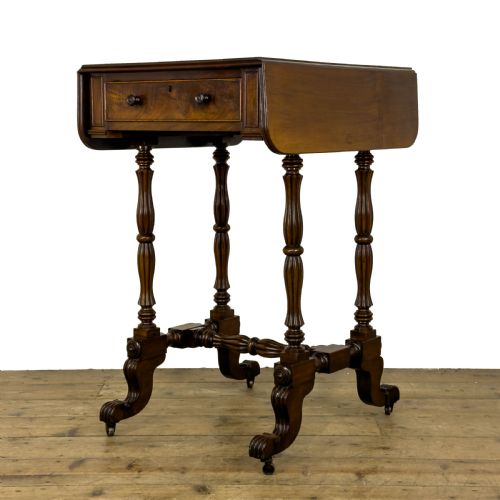
The primary forms appearing in this category include dedicated sofa tables with drop leaves, alongside related occasional, pembroke, work, and sutherland tables. These pieces utilise various timbers and decorative schemes, reflecting the shifting tastes of the nineteenth and early twentieth centuries.
Materials and construction methods
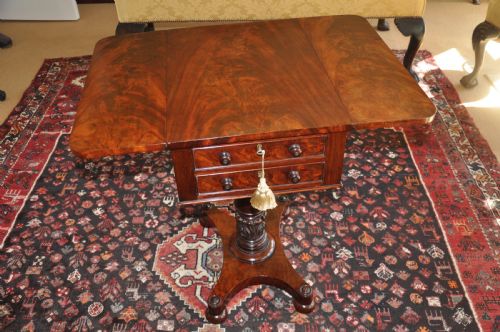
Cabinet makers utilised dense hardwoods such as mahogany, rosewood, walnut, and burr walnut, frequently pairing them with brass mounts, ceramic elements, marble tops, or giltwood detailing. Timber selection dictated the weight and visual presence of each piece, whether finished with marquetry inlay or left with a polished grain.
Drop leaf mechanisms, fold down flaps, and pedestal supports required precise joinery to ensure stability when the leaves were extended. Carved leaf ornamentation on legs and friezes was executed by hand, matching the stylistic conventions of Georgian, Regency, Victorian, and revival makers.
Some nineteenth-century tables hide tiny drawers beneath their folding leaves for secret correspondence.
Judging quality and craftsmanship
Quality rests in the selection of figured timbers, such as burr walnut or flame mahogany, and the crispness of the carved leaf details on the frame. Superior examples demonstrate harmonious proportions, seamless leaf hinges, and stability in their pedestal or leg supports.
Finer pieces often feature secondary timbers of equal grade and meticulous attention to inlay, marquetry, or parcel gilding. The depth of the patina and the integration of brass fittings further distinguish workshop standards across the nineteenth century.
Johnstone and Jeanes·Jean-Joseph Chapuis
The Carved Leaf Sofa Table Glossary
- Sofa table
- A long, narrow table traditionally designed to stand behind a sofa, typically featuring two drop leaves on opposing sides.
- Pembroke table
- A small table with hinged flaps on two opposite sides that can be raised or lowered to adjust the surface area.
- Sutherland table
- A narrow drop leaf table where the leaves comprise a very large proportion of the top, supported by gate legs that swing out.
- Drop leaf table
- A table with a fixed central section and hinged flaps that fold down to save space when not in use.
- Parquetry
- Inlaid woodwork arranged in geometric patterns, frequently utilised on tabletops to create decorative visual contrast.
Carved Leaf Sofa Table: Frequently Asked Questions
What is a sofa table used for?
A sofa table provides a convenient surface for lamps, books, or decorative objects while remaining compact enough to sit behind seating or in a hallway. The drop leaves allow the table to expand when extra surface area is required.
Historically, these tables sat freely in the middle of a room or against upholstery, adapting readily to changing domestic needs across the Georgian and Victorian periods.
How do I date a carved leaf sofa table?
Dating relies on identifying stylistic markers, timber choices, and construction techniques associated with periods like Regency, Victorian, or Georgian. Details such as leg turning, brass castors, and the style of carved foliage offer clear chronological clues.
Comparing the secondary woods and joinery methods to known examples helps narrow the decade of production.
What is the difference between a sofa table and a pembroke table?
Sofa tables are typically longer and narrower, designed specifically to stand behind sofas or freestanding in rooms, featuring two drop leaves. Pembroke tables are generally smaller, often incorporating a single drawer and shorter drop flaps.
Both utilise folding leaves, but their traditional room placement and proportions differ according to nineteenth-century domestic layouts.
How do I care for a antique mahogany or rosewood table?
Maintain antique timbers by keeping them away from direct sunlight and sudden temperature changes, which can cause wood to split or warp. Regular dusting with a soft, dry cloth preserves the polished surface and natural patina.
Avoid using modern silicone-based polishes, opting instead for traditional beeswax applied sparingly when the wood appears dry.