

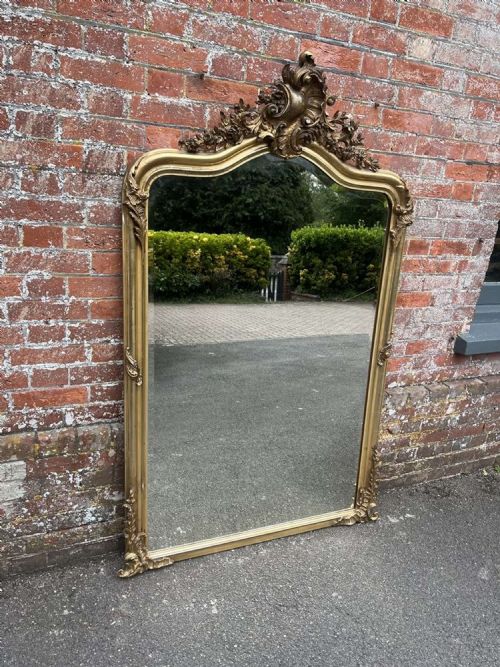
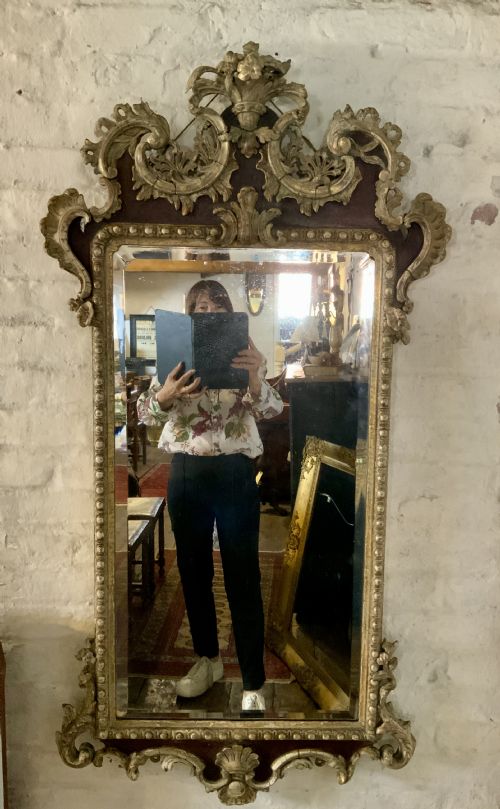
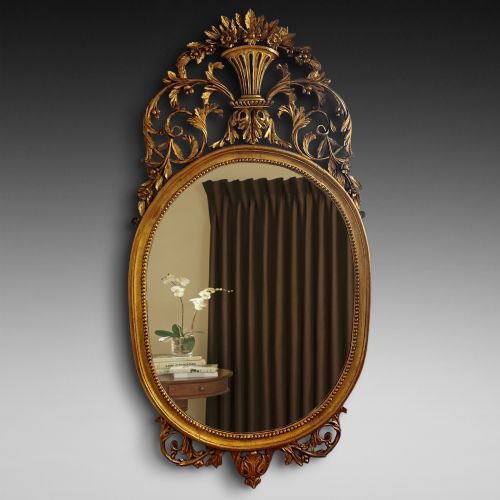
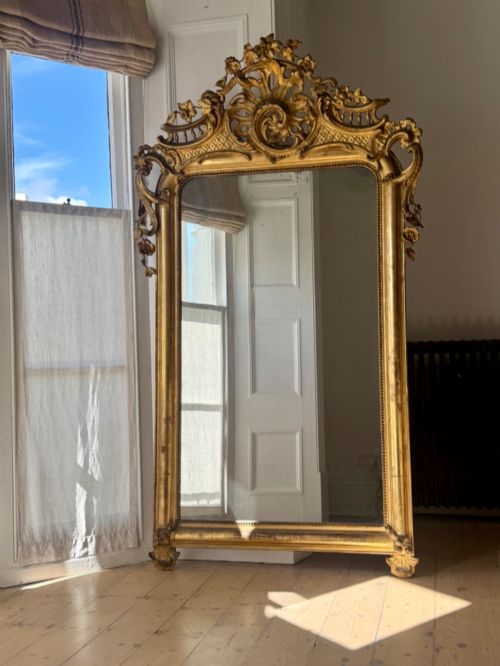
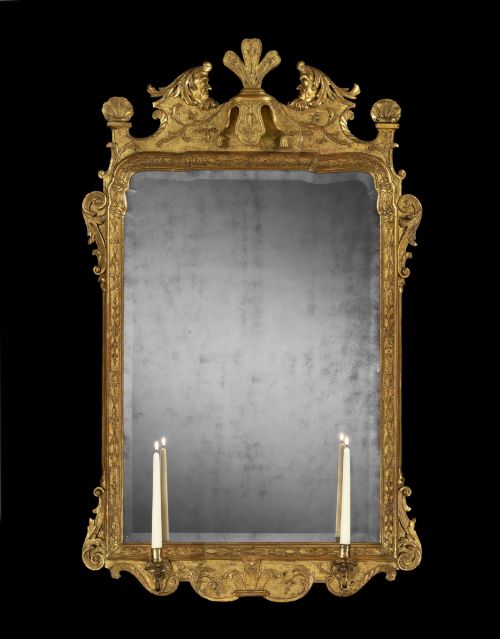
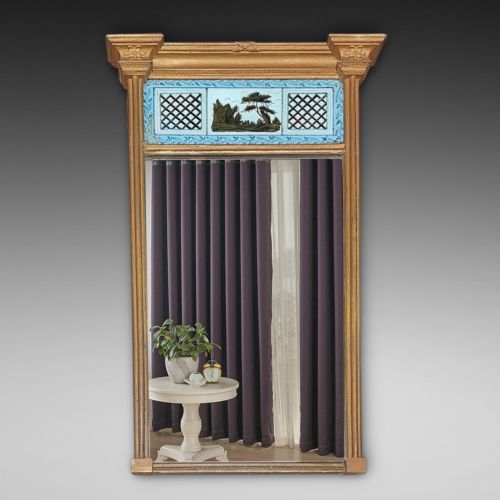
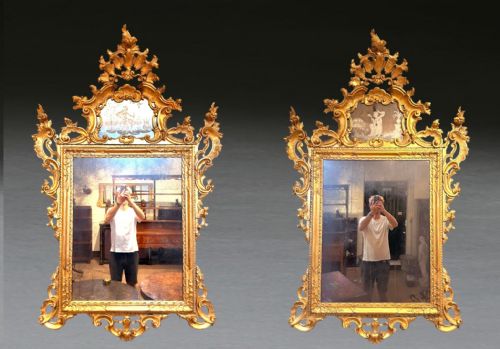
Carved Giltwood Pier Glass
Carved giltwood pier glass mirrors are tall wall plates designed for the narrow wall space between windows, bringing light and presence to a room.
Carved Giltwood Pier Glass
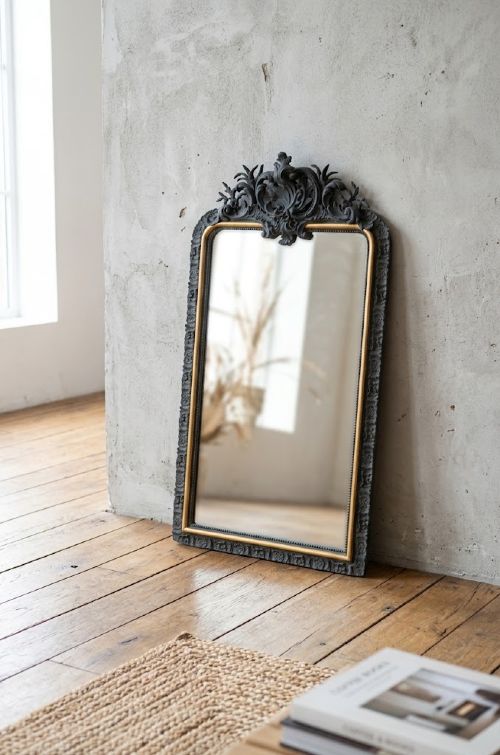
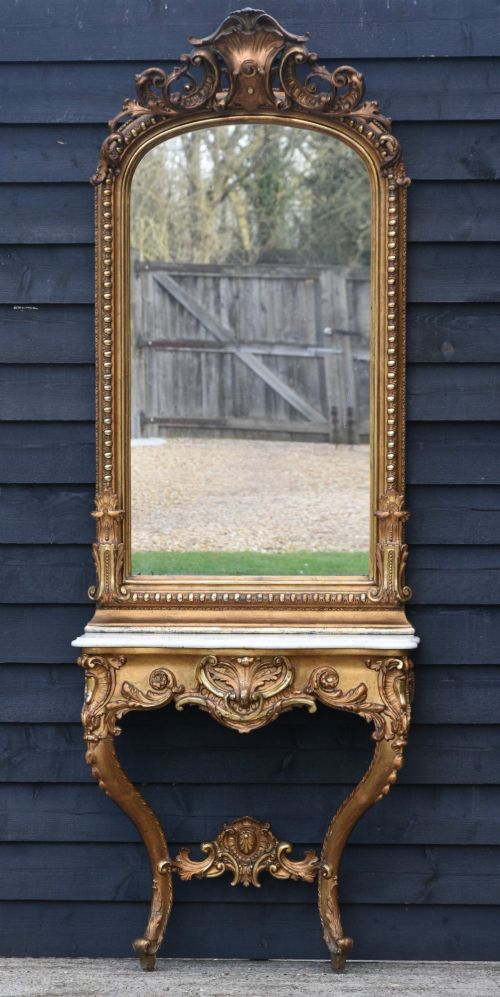
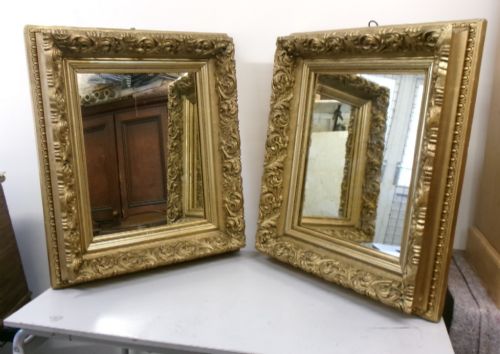
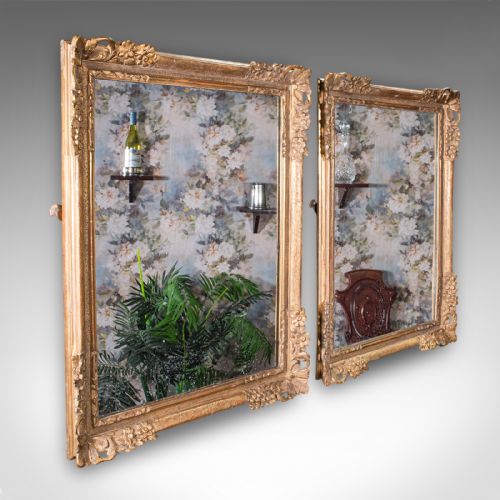
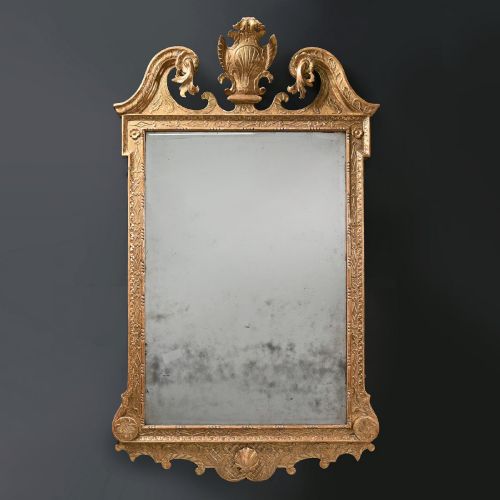
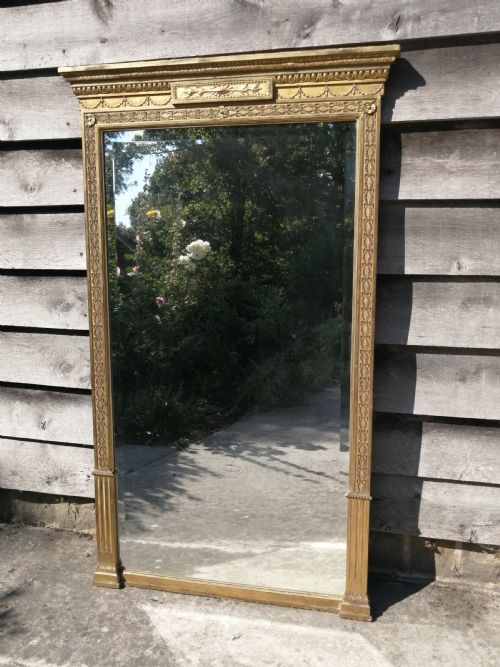
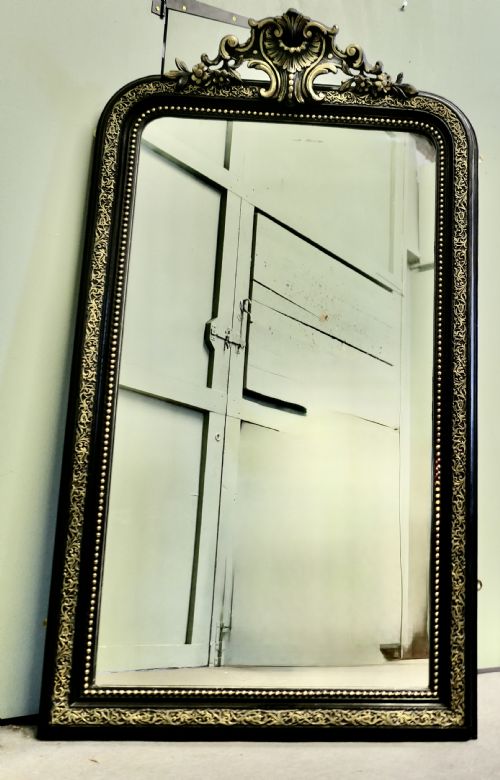
When you search for a carved giltwood pier glass, you encounter tall wall mirrors and console combinations originating primarily from the eighteenth and nineteenth centuries. These pieces reflect diverse stylistic revivals, including Regency, Rococo, George II, and French Chateau designs.
The selection ranges from grand nineteenth-century French and Italian examples to eighteenth-century Georgian gesso frames and later revival pieces. Many incorporate original mirror plates, mercury glass, or console tables designed to sit beneath the glass.
How They Were Made
Frames are constructed from wood such as pine, oak, or walnut, then coated with gesso to receive intricate carved detail and gold leaf application. Composition ornament is also utilised on nineteenth-century pieces to build up complex relief work before gilding.
Glass plates include early mercury glass with distinct ageing characteristics alongside original mirror plates secured within heavy carved frames.
Carved Giltwood Pier Glass Retail Price Guide 2026
Typical asking prices for carved giltwood pier glass among the pieces listed under this phrase on Sellingantiques today, from the lower quarter to the upper quarter. They describe what is for sale here now, not the wider market.
Marriage mirrors were small eighteenth-century tokens exchanged during weddings, designed to reflect lifelong union in miniature giltwood frames.
What Varies in Quality
Quality rests in the crispness of the hand-carved wooden ornament and the depth of the gesso preparation beneath the gold leaf. Superior examples display sharp relief work and harmonious proportions rather than soft, flattened casting.
The preservation of original mercury glass plates and untouched historic gilding distinguishes exceptional pieces from later restorations or replacements.
William Kent·John Belchier
The Carved Giltwood Pier Glass Glossary
- Pier glass
- A tall mirror specifically proportioned to hang on the wall space between two windows. It often stands above a matching console table.
- Giltwood
- Timber that has been coated with gold leaf over a prepared gesso ground. This technique creates a luminous metallic surface.
- Gesso
- A plaster-like mixture applied to wood frames to provide a smooth base for carving and gilding. It allows for sharp decorative details.
- Mercury glass
- An early form of double-walled silvered glass manufactured with a mercury amalgam. It produces a soft, mottled reflection.
- Verre eglomise
- A traditional technique of cold painting and gilding on the reverse side of glass. It appears frequently in friezes above pier mirror plates.
Carved Giltwood Pier Glass: Frequently Asked Questions
Where should I hang a pier glass?
These mirrors were originally created for the narrow pier wall situated between two windows to reflect natural light back into the room.
Today they function effectively in hallways, above fireplaces, or on principal drawing-room walls where height and vertical presence are required.
What is mercury glass?
Mercury glass refers to double-walled blown glass silvered between the layers with a liquid mercury amalgam, though actual mercury was often replaced by silver nitrate later on.
This method produces a dark, uneven reflection with characteristic foxing and spotting that collectors prize for authenticity.
How do I date a giltwood mirror?
Dating relies on examining the construction of the wooden frame, the thickness and composition of the gesso layers, and the characteristics of the mirror plate.
Eighteenth-century examples display hand-cut pins, pine or hardwood backing boards, and distinct carving styles that differ from nineteenth-century revival work.
What is a trumeau mirror?
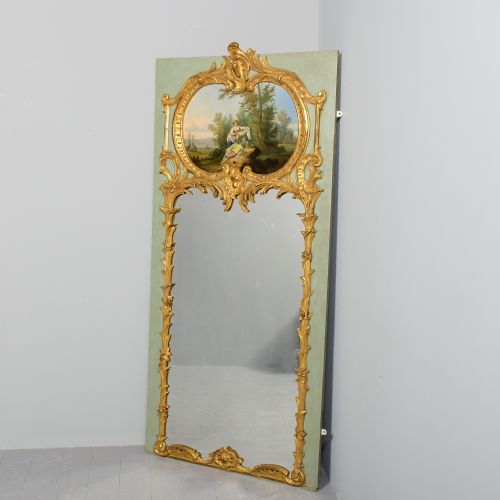
A trumeau is a decorative wall mirror that incorporates a painted panel or an oil painting directly above the glass plate within a single architectural frame.
Originating in France, these pieces served as permanent wall decorations integrated into interior wood panelling.