
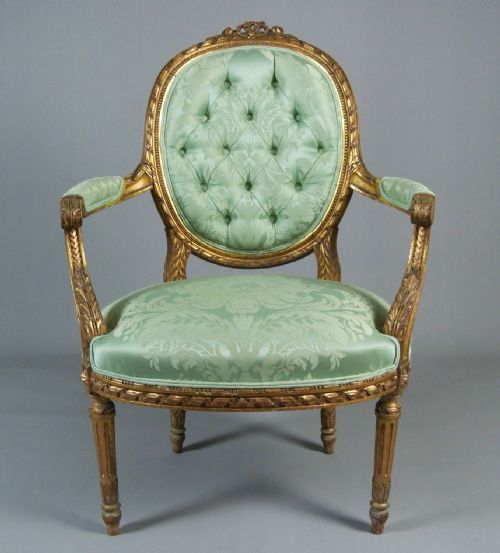
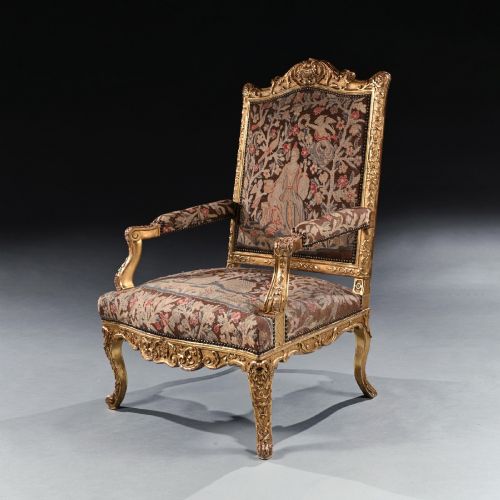
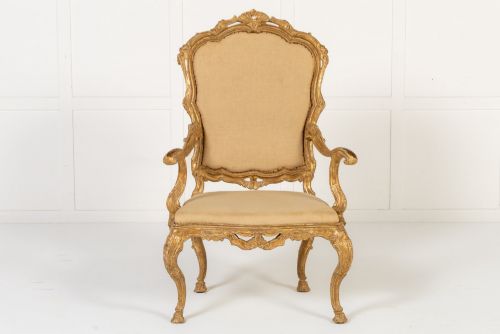
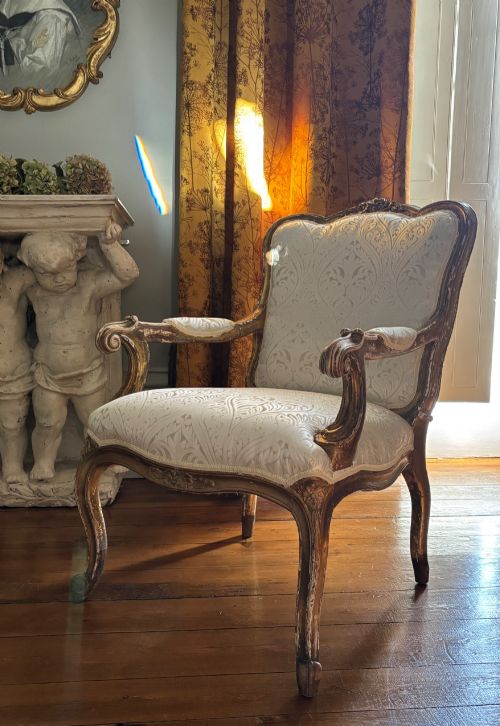
Carved Giltwood Fauteuil
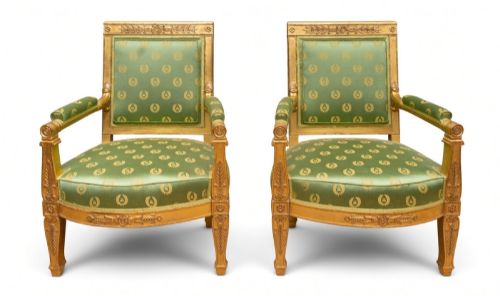
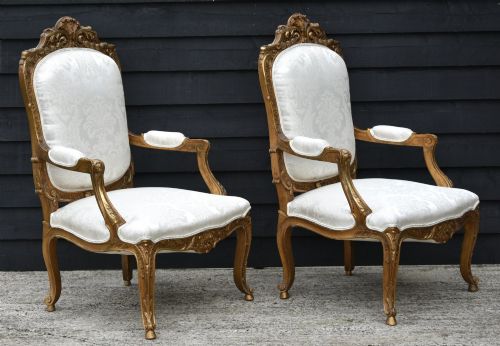
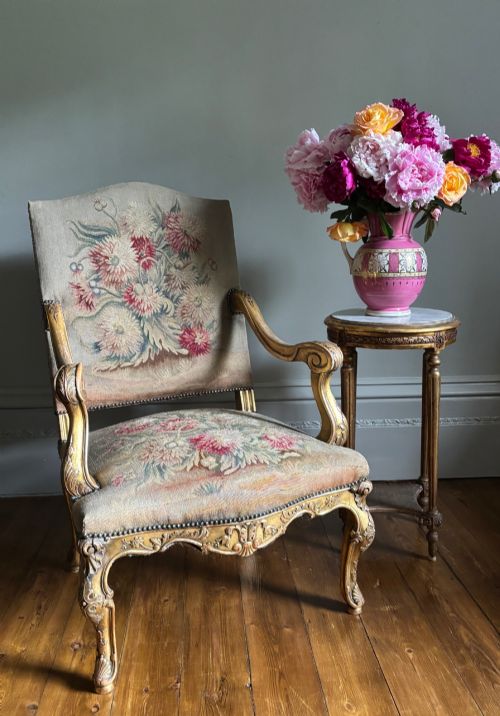
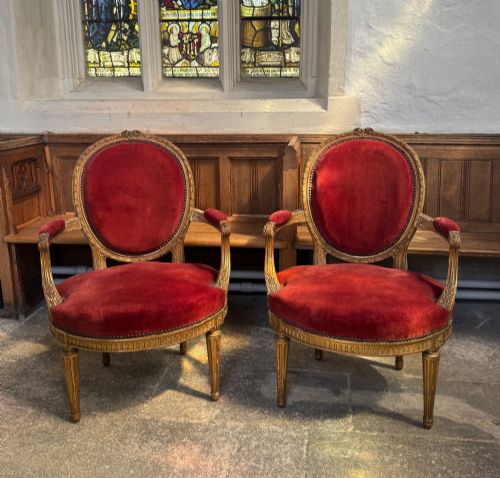
These carved giltwood fauteuil options bring aristocratic French seating into modern interiors through ornate woodwork and rich upholstery.
Carved Giltwood Fauteuil
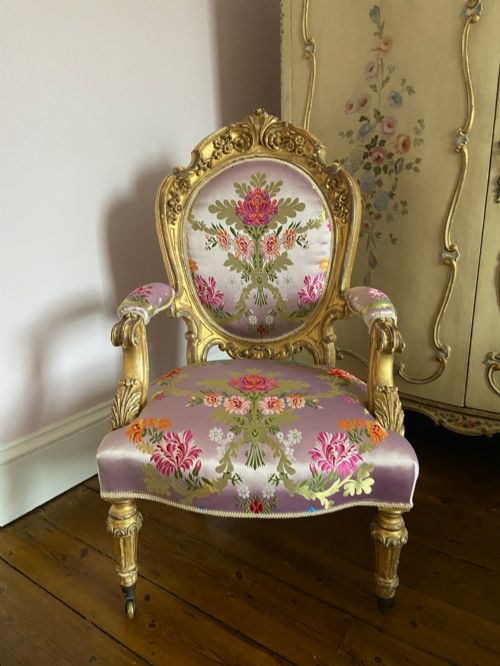
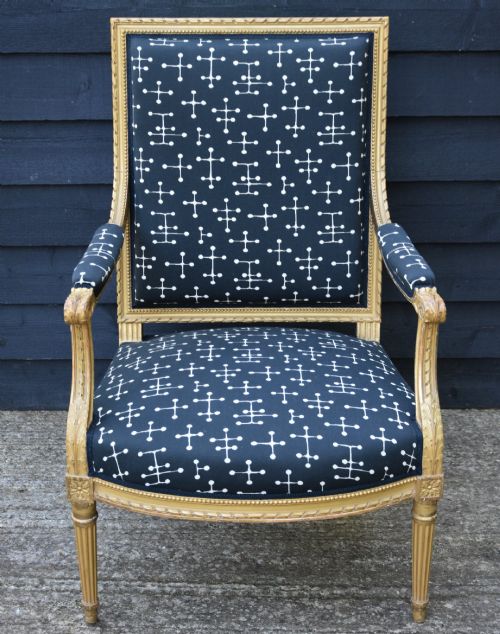
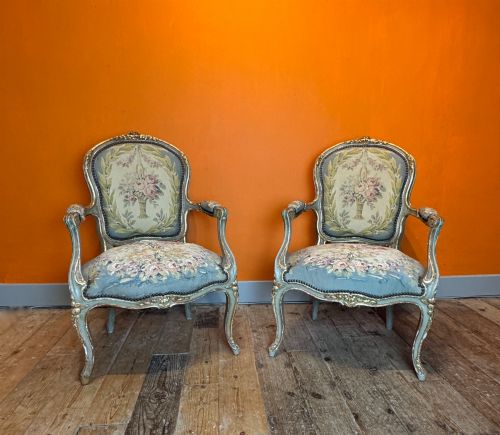
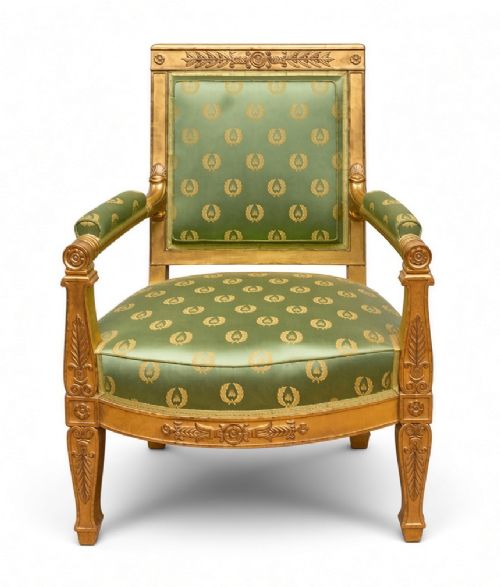
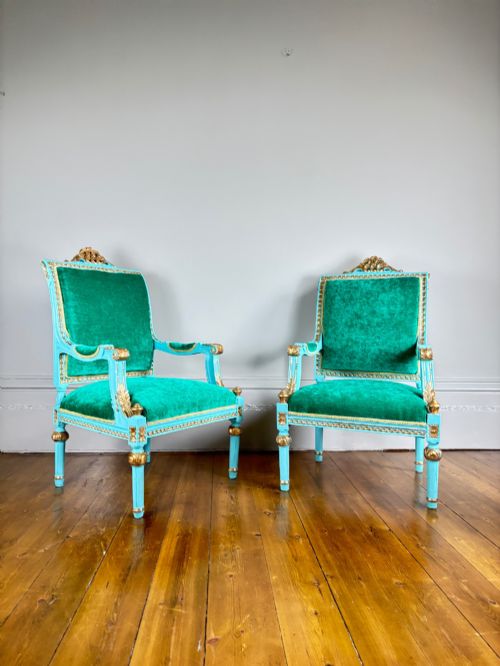
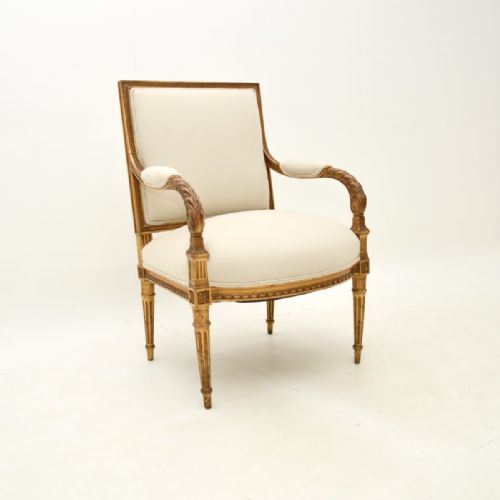
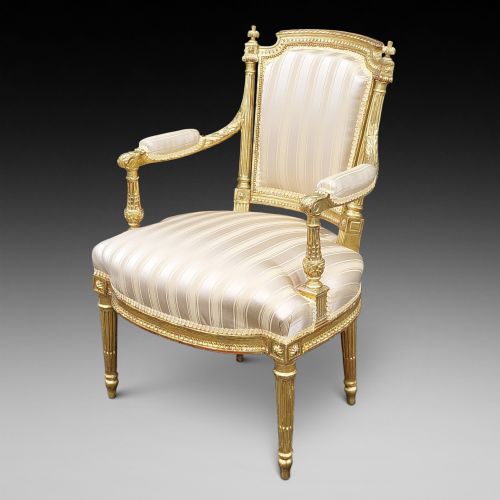
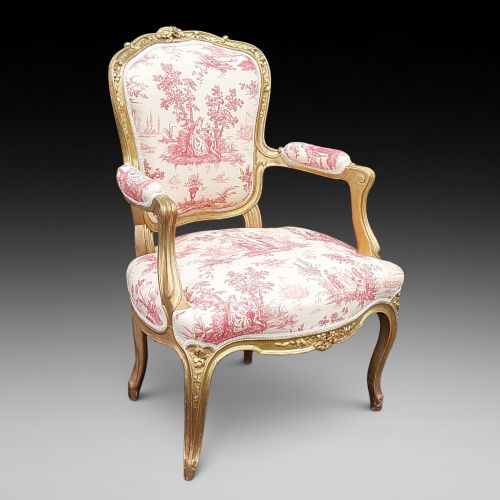
A carved giltwood fauteuil represents an open-armed seating form originating in French and Italian high-status interiors. The inventory demonstrates that buyers frequently encounter nineteenth-century interpretations alongside eighteenth-century originals.
Most examples align with historic design idioms such as Louis XVI, Régence, and Rococo styles, reflecting both French chateau aesthetics and later revival movements. These pieces range from intimate bedroom chairs to large throne seating.
Makers often drew upon English interpretations too, creating variations in walnut and beech that retain the signature gilded finish and upholstered components.
Materials and Construction
Makers shaped structural elements from timber bases such as beech and walnut, applying metallic leaf to create the characteristic giltwood surface. Silver gilt variations also appear across regional iterations.
Upholstery relies on traditional textiles including silk, velvet, and tapestry, secured to frames designed for formal reception rooms and salons.
Carved Giltwood Fauteuil Retail Price Guide 2026
Typical asking prices for carved giltwood fauteuil among the pieces listed under this phrase on Sellingantiques today, from the lower quarter to the upper quarter. They describe what is for sale here now, not the wider market.
Several armchairs survived centuries of political upheaval inside the Palais de Tuileries before reaching modern sitting rooms.
Craftsmanship and Proportion
Distinctions in the category rest upon the depth and definition of the wood carving, where hand-tooled execution separates ambitious workshop production from simpler output. Crisp foliage, scrolls, and structural junctions demonstrate superior bench work.
Proportion and stance dictate visual success, with successful pieces maintaining balance across open arms, legs, and arched backs regardless of whether they date from the eighteenth century or later revival periods.
Jacob-Desmalter·Thomas Chippendale·Blaise Maucuy·Holland & Sons
The Carved Giltwood Fauteuil Glossary
- Giltwood
- Timber finished with a thin layer of gold leaf applied over a prepared gesso ground. This treatment provides a bright, reflective surface characteristic of formal seating.
- Tapestry
- Woven textile featuring pictorial or decorative designs. It serves as durable and prestigious upholstery on historic seating.
- Parcel Gilt
- Decoration where only specific carved details receive gilding while the surrounding timber remains painted or exposed.
Carved Giltwood Fauteuil: Frequently Asked Questions
What is a fauteuil?
A fauteuil is an upholstered armchair featuring open wooden arms that remain exposed rather than being padded over. These seats originated in French formal rooms to accommodate voluminous court clothing.
Today, they function as statement accent chairs in living spaces and bedrooms, combining decorative carved frames with comfortable upholstered seating.
How do I spot a revival piece?
Revival pieces from the nineteenth and early twentieth centuries adopt historic Louis styles while utilising manufacturing methods and wood conditioning typical of their actual production era. Examining the underside and joinery helps distinguish nineteenth-century interpretations from eighteenth-century originals.
Craftsmen during the revival periods often incorporated machine assistance alongside hand carving, resulting in uniform decorative elements.
Where should I place these chairs?
These armchairs suit formal drawing rooms, libraries, and bedroom corners where their gilded frames and textured upholstery can function as focal points. Pairing them with contemporary furnishings creates an effective contrast of periods.
Due to their open arm construction and historic textiles, placing them away from direct sunlight preserves the delicate gilded surfaces and fabrics.
What distinguishes giltwood from paint?
Giltwood consists of metal leaf applied over a gesso base on timber, creating a reflective metallic sheen that ages with subtle craquelure. Painted finishes lack this metallic reflectivity and utilise liquid pigments applied directly to the wood.
Parcel gilt examples combine both techniques by highlighting specific carved ornaments with gold leaf while painting the remainder of the frame.