

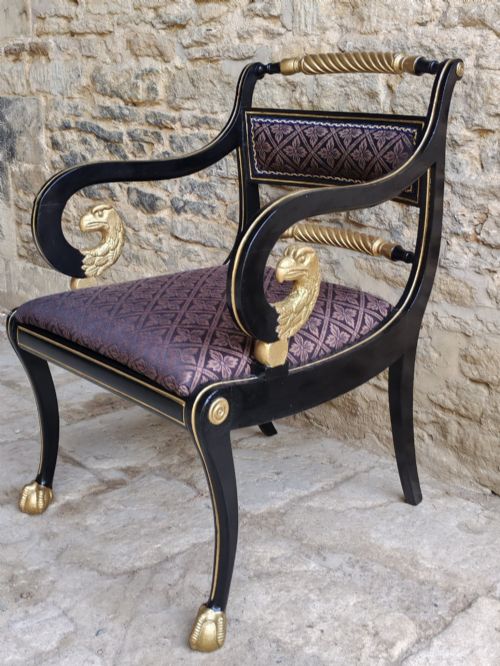
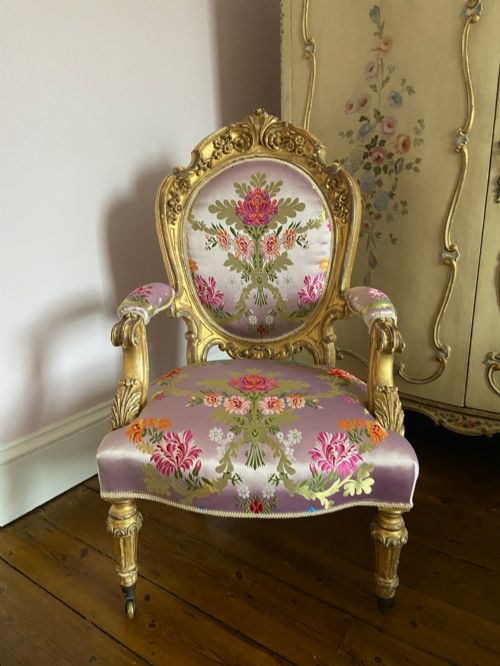
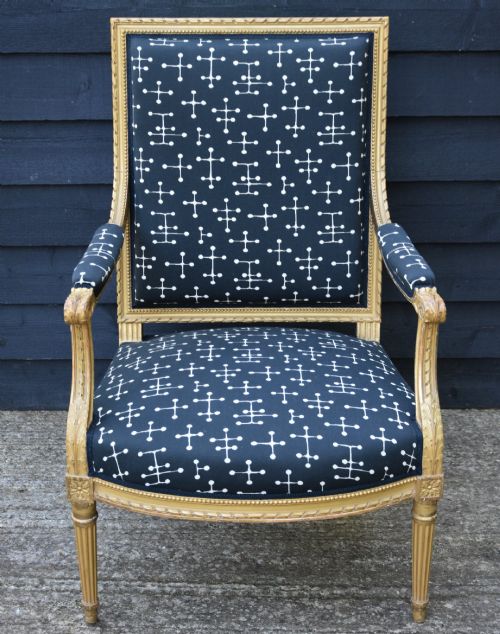
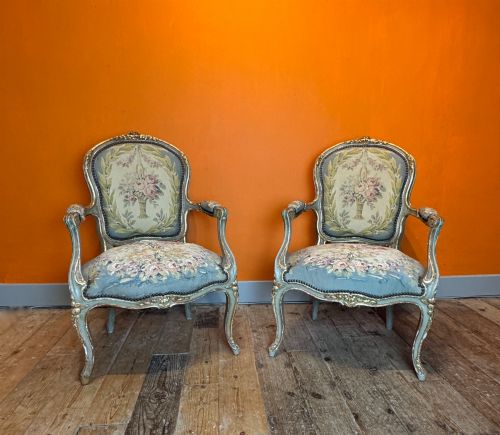
Carved Giltwood Armchairs
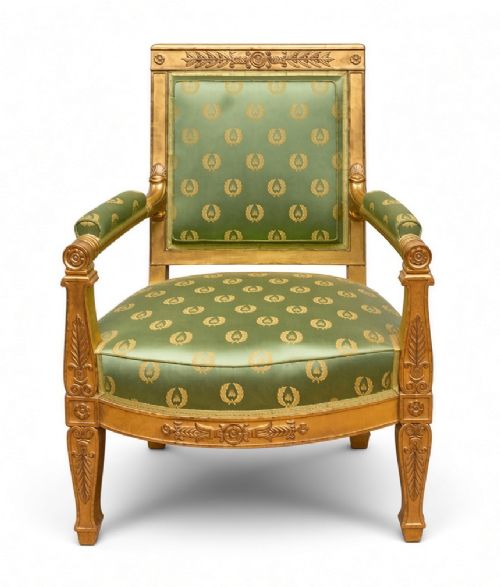
Carved giltwood armchairs bring gilded splendour and neoclassical or rococo elegance into a room.
Carved Giltwood Armchairs
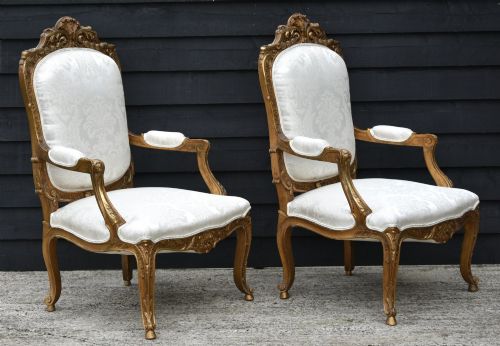
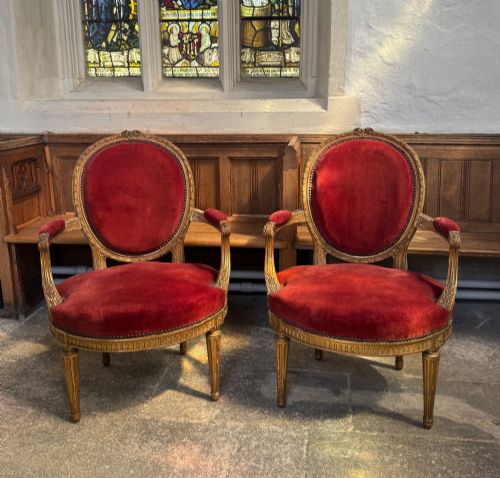
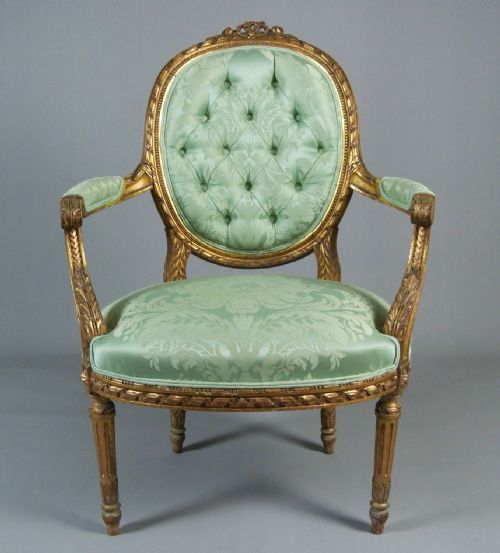
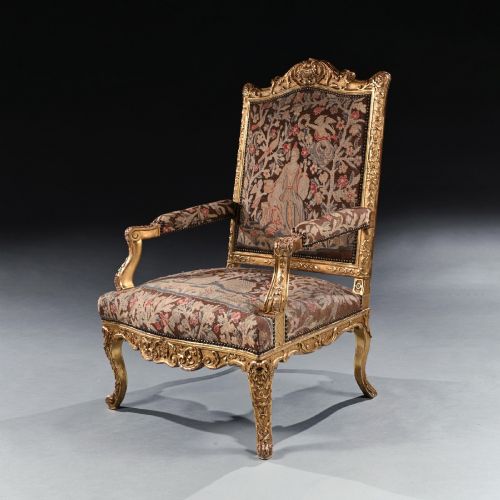
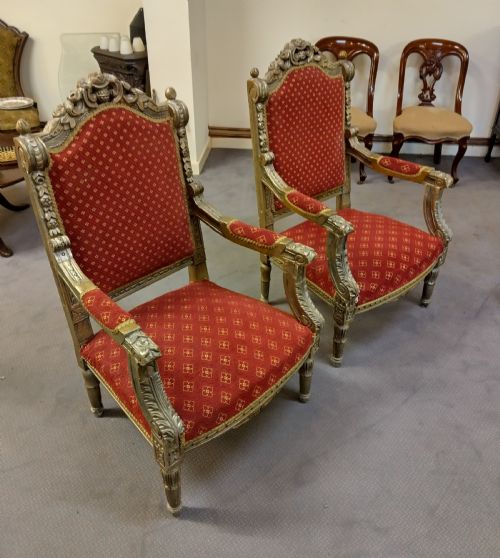
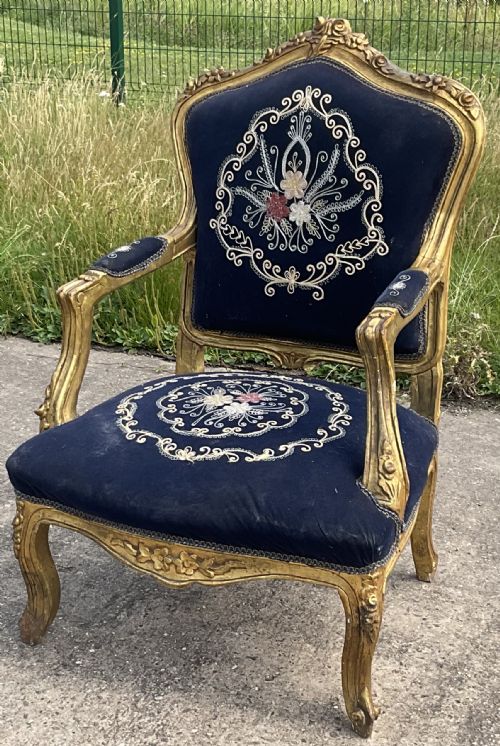
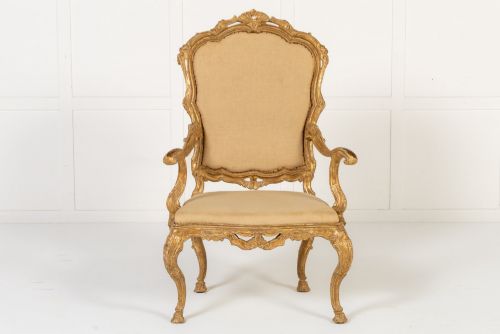
Carved giltwood armchairs are formal seating pieces shaped from timber and finished with a thin layer of gold leaf, originating mostly from French and Italian workshops across the eighteenth and nineteenth centuries. A buyer searching for carved giltwood armchairs will encounter many examples from the nineteenth century alongside eighteenth-century originals, often styled in the manner of Louis XVI, Regency, or Rococo revivals.
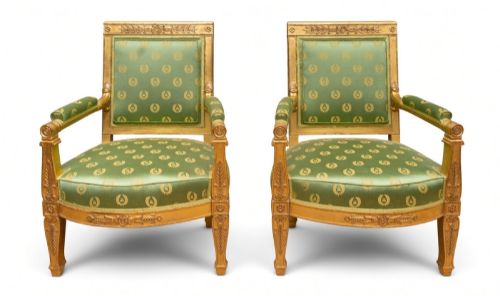
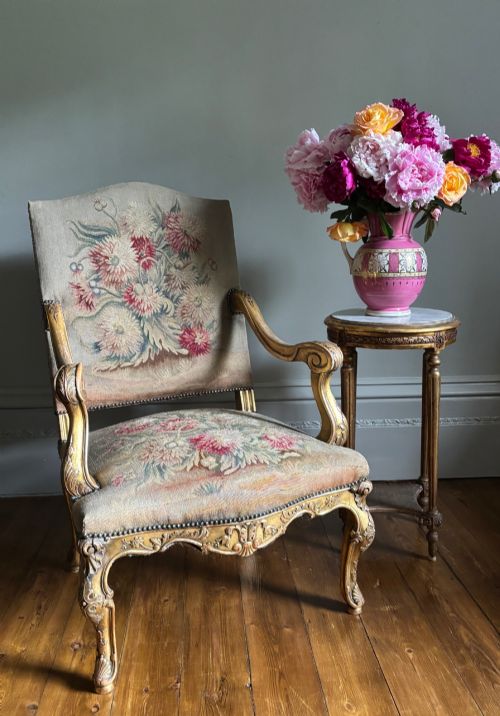
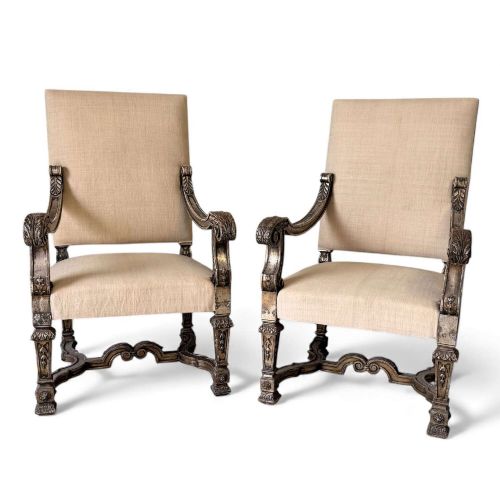
The forms span open armchairs, bergères, fauteuils, and large throne chairs upholstered in silk, velvet, tapestry, or standard fabric. Many survive as pairs or sets, reflecting their original purpose as grand salon or drawing room seating.
Originating from periods of ornate craftsmanship, these chairs serve both decorative and functional roles in traditional interiors. Buyers frequently find pieces exhibiting French Chateau influences or Italian Neoclassical design.
How they were made
Carved giltwood armchairs are constructed from woods such as beech, walnut, and general timber, providing a stable foundation for intricate hand-carvings along the frames and scroll arms. Craftsmen applied gold leaf over a prepared gesso and bole ground on the wooden structure to achieve the characteristic gilt finish.
Upholstery techniques involve securing fabric, silk, velvet, or tapestry over padded seats and backs, sometimes complemented by parcel gilt or painted accents. Brass tacks and detailed joinery secure the framework of these elbow and library chairs.
Carved Giltwood Armchairs Retail Price Guide 2026
Typical asking prices for carved giltwood armchairs among the pieces listed under this phrase on Sellingantiques today, from the lower quarter to the upper quarter. They describe what is for sale here now, not the wider market.
Listings feature 18th century, 19th century, and Regency periods alongside materials like giltwood, beech, velvet, and silk.
What varies in quality
The standard of carved giltwood armchairs depends heavily on the depth and crispness of the hand-carving on the wood frame. Crisp, well-defined motifs indicate superior craftsmanship compared to softer, shallower surface decoration.
The integrity and application of the gilding itself mark a clear division in grade, with smooth, adherent gold leaf outlasting flaking or poorly restored surfaces. Furthermore, the originality of the frame structure and the quality of the upholstery fabrics elevate certain pieces above standard production.
Jacob Desmalter·Thomas Chippendale·Blaise Maucuy
The Carved Giltwood Armchairs Glossary
- Giltwood
- Wood that has been coated with thin sheets of gold leaf. This finish creates a brilliant metallic sheen characteristic of formal antique seating.
- Fauteuil
- An open-armed wooden armchair with upholstered armrests. These French chairs typically feature exposed wooden frames and elegant carved details.
- Bergère
- An enclosed upholstered armchair with solid upholstered sides. They often include a loose cushion and padded armrests.
- Rococo
- An ornate artistic style characterised by asymmetric scrolls, shell motifs, and curving lines. It heavily influenced eighteenth-century and revival chair designs.
- Parcel Gilt
- A decoration method where only specific portions of a wooden or painted object are gilded. This technique highlights particular carved details on the frame.
Carved Giltwood Armchairs: Frequently Asked Questions
Where were carved giltwood armchairs used?
These chairs were primarily placed in formal reception rooms, grand salons, and libraries of stately homes and palaces. Their ornate appearance made them suitable for display and entertaining guests.
In modern settings, they function well as statement pieces in drawing rooms or bedrooms, adding a touch of historical grandeur.
How do I care for giltwood?
Giltwood requires gentle maintenance to protect the delicate gold leaf layer from abrasion and moisture. Dusting should be done softly with a dry, non-abrasive cloth without chemical polishes.
Keeping the chairs away from direct sunlight and humidity prevents the underlying gesso and wood from shifting or cracking.
Are these chairs comfortable for daily seating?
Most carved giltwood armchairs were designed for formal posture during the eighteenth and nineteenth centuries rather than lounging. Their supportive backs and padded arms offer upright comfort suitable for reading or conversation.
Many surviving pieces feature newly applied silk or velvet upholstery that enhances their usability in contemporary homes.