


Carved Gilt Framed Art
Carved gilt framed art brings together centuries of painted canvases and ornate timber mouldings designed to catch the candlelight.
Carved Gilt Framed Art
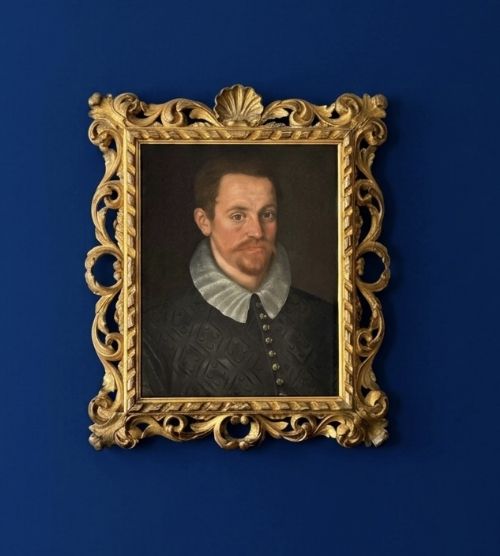
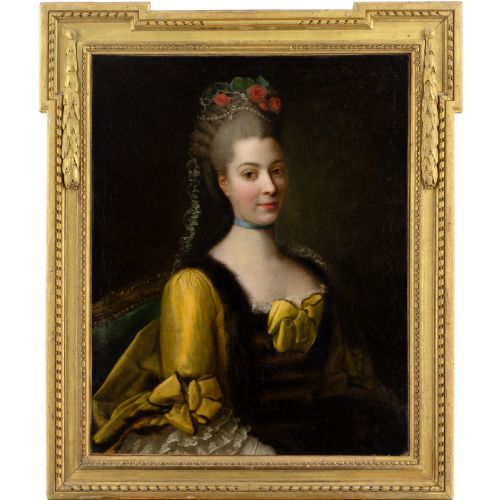
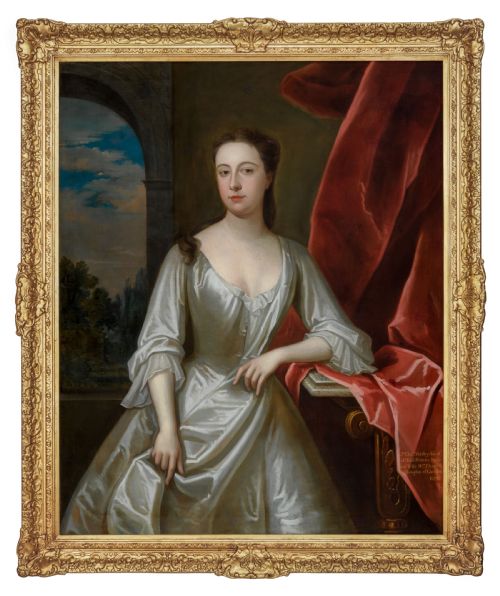
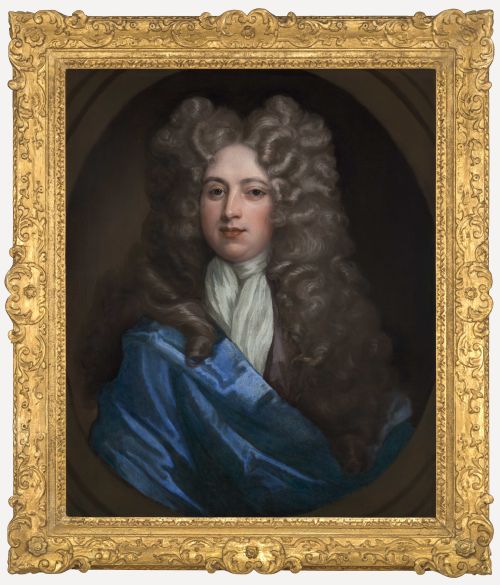
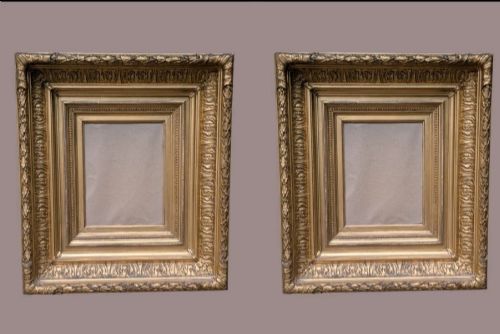
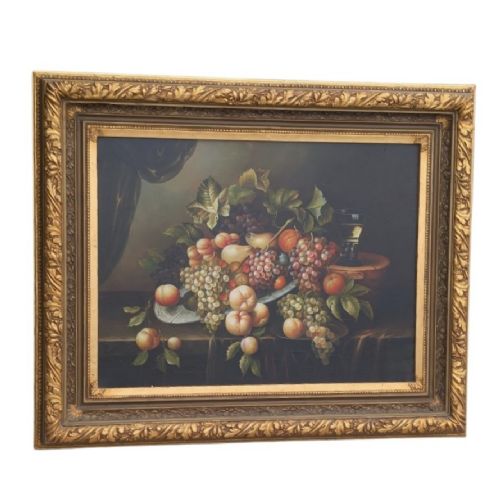
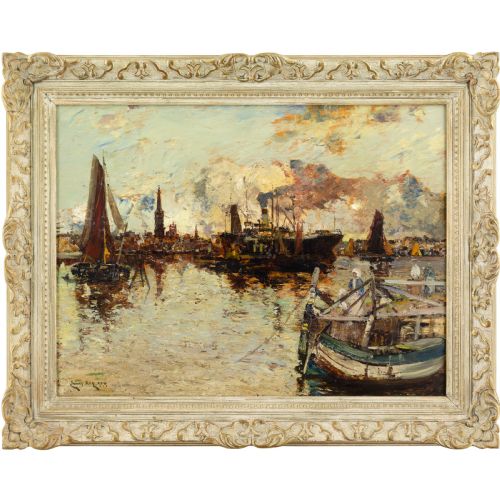
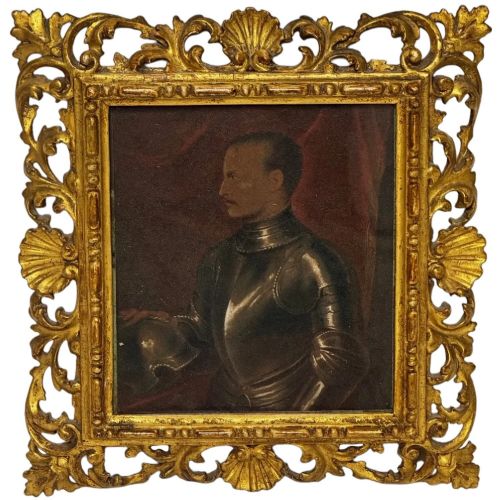
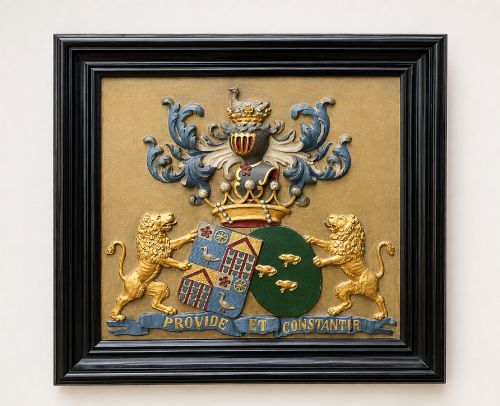
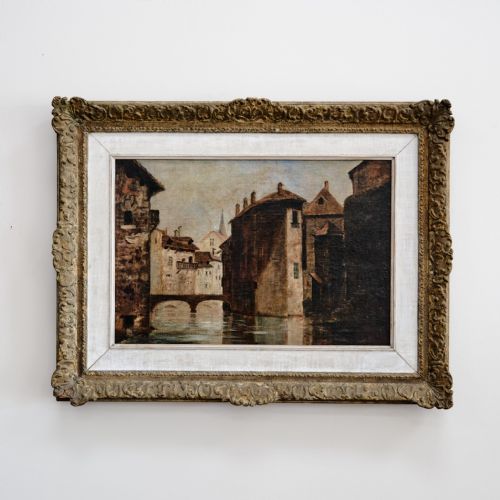
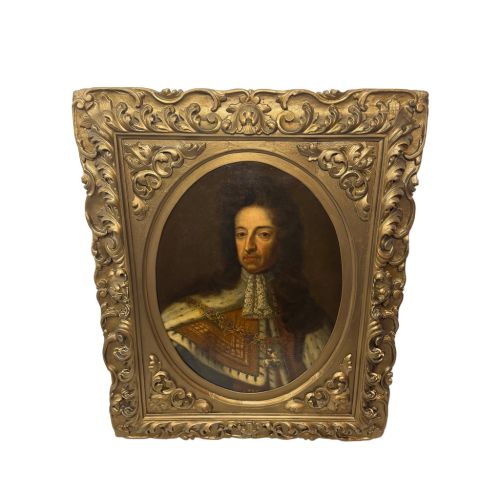
When you search for carved gilt framed art, you encounter oil paintings, portraits, mirrors, and standalone picture frames spanning several centuries. The majority of pieces appearing on this page belong to the seventeenth, eighteenth, and nineteenth centuries, alongside select later examples from the Victorian era and early twentieth century.
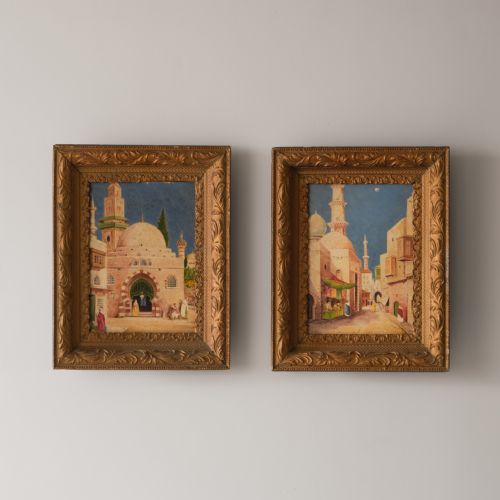
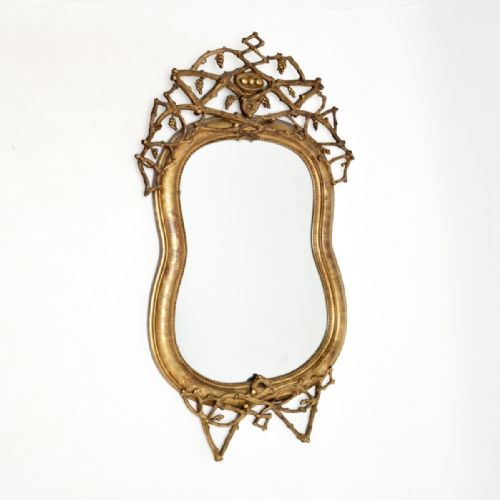
The objects take the form of formal portraits, landscapes, and decorative picture frames executed in styles ranging from Baroque and Rococo Revival to Georgian and Victorian design. These works combine painted canvas or mirrored glass with heavy, decorative wooden surrounds that give the category its distinct character.
Most items originate from British, French, Dutch, and Italian schools, reflecting the dominant European centres of portraiture and frame-making. Buyers find both complete works where the canvas and frame share an integrated history and independent antique frames intended for alternative artwork.
Markers of Quality and Craftsmanship
The distinction between standard pieces and superior examples rests upon the depth and precision of the wood carving. High-quality frames exhibit crisp, undercut botanical or scroll motifs carved directly into the timber rather than relying on heavy moulded composition plaster.
Condition of the gold leaf surface and the integrity of the underlying gesso layer dictate the preservation status of the object. Works that retain their original gilding without excessive modern repair or overpainting demonstrate greater fidelity to their period of origin.
Sir Anthony van Dyck·Nicolaes Maes·Thomas Hudson·Sir Godfrey Kneller·James Kay
The Carved Gilt Framed Art Glossary
- Gesso
- A fine plaster mixture applied to wood frames as a base for gilding. It provides a smooth surface that can be carved or stamped before the application of gold leaf.
- Giltwood
- Timber that has been coated with gold leaf or gold paint. This material defines the bright, reflective borders characteristic of period frames.
- Oil on Canvas
- Pigments mixed with drying oils such as linseed, applied to a woven fabric support. This medium forms the primary pictorial surface found within these frames.
- Baroque
- An artistic style prevalent from the seventeenth century characterised by exuberant ornamentation and dynamic movement. Frames from this period feature deep profiles and heavy sculptural relief.
- Rococo Revival
- A nineteenth-century design movement mimicking the asymmetrical C-scrolls and naturalistic plant motifs of the eighteenth-century French style. It produces highly decorative, flowing frame profiles.
Carved Gilt Framed Art: Frequently Asked Questions
How do I identify the age of a gilt frame?
Age is determined by examining the construction methods of the wooden corners, the composition of the gesso layer, and the wear patterns on the gold leaf. Earlier frames often utilise hand-carved solid timber with pinned mitres, while later Victorian versions incorporate moulded plaster ornaments over simpler wood bases.
Stylistic cues such as Baroque scrolls or Regency reeding also anchor the piece to a specific decade or century. Comparing the joinery at the reverse of the frame provides further evidence of the period of manufacture.
Are the paintings and frames usually original to each other?
Many historical oil paintings remain inside their original frames, particularly when the rebate size and the dimensions of the canvas correspond precisely. However, collectors and dealers frequently paired antique canvases with period-appropriate frames centuries later to enhance the overall presentation.
Inspect the contact points where the stretcher meets the frame rebate to see if the canvas has resided there long enough to leave matching impressions. Dust accumulations and old label fragments often confirm a long association between the artwork and its surround.
What subjects are common in these paintings?
Portraiture dominates the selection, featuring aristocratic sitters, gentlemen in doublets or periwigs, and elegant women in period dress. These works served as formal records of lineage and status for prominent families.
Secondary subjects include landscapes, riverscapes, botanical studies of flowers, and maritime scenes depicting sailing ships. Each subject reflects the prevailing artistic patronage and tastes of its respective century.