
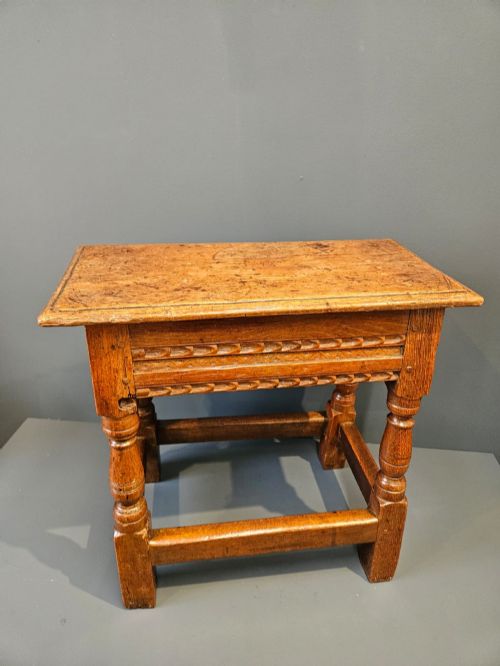
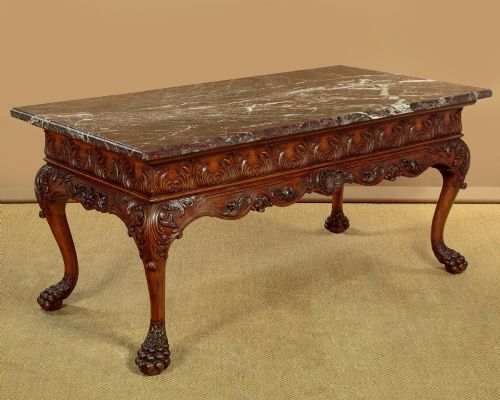
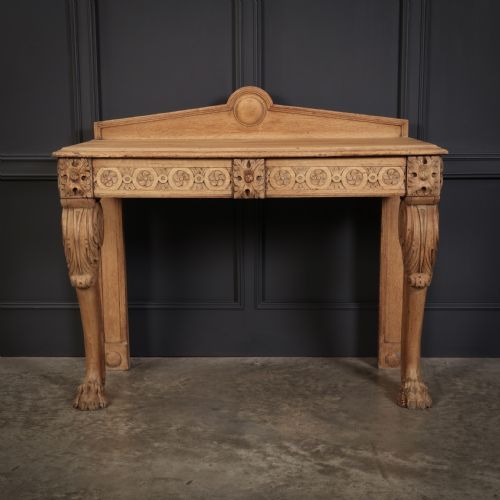
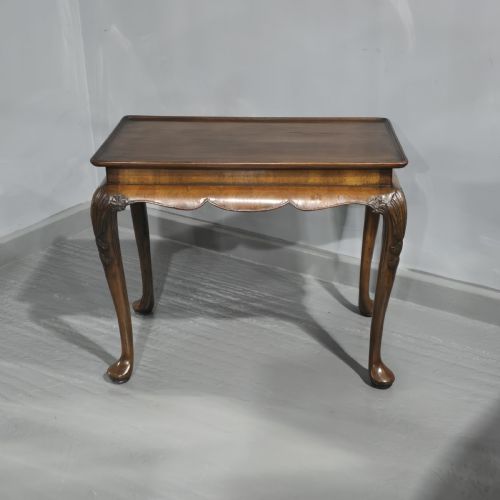


Carved Frieze Side Table
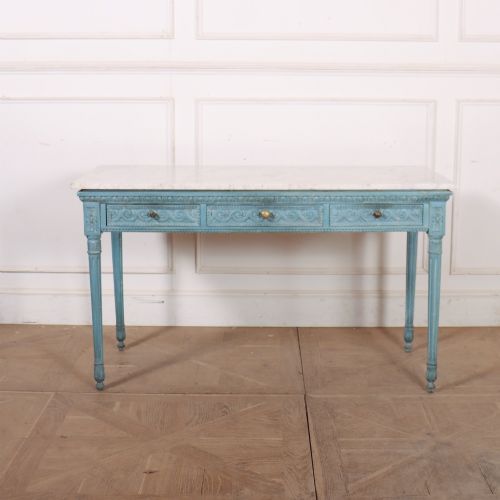
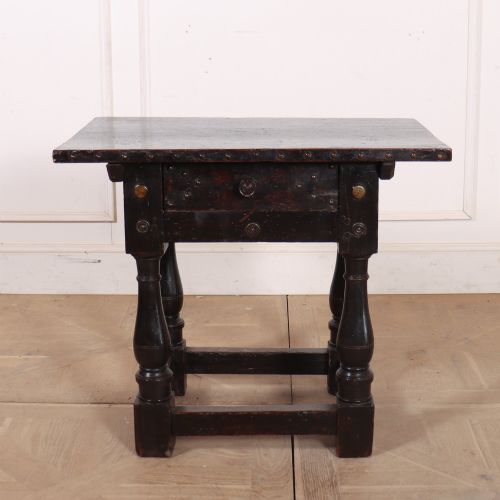
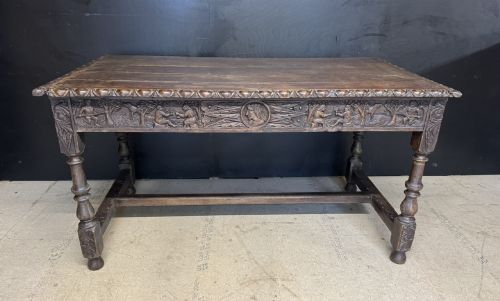
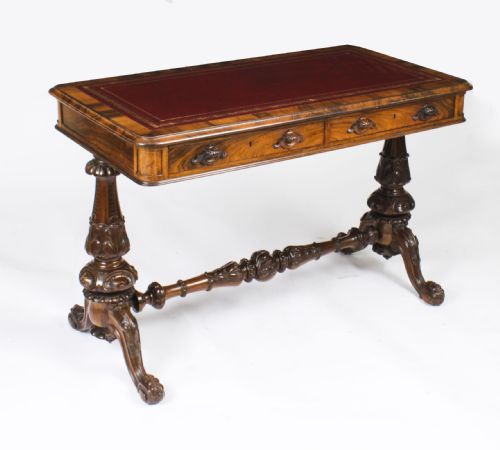
These carved frieze side table examples bring sculptural depth and practical surface space to a room, drawing the eye to intricate woodwork.
Carved Frieze Side Table
A carved frieze side table is a functional surface designed to stand against a wall, distinguished by ornamental carving directly upon the horizontal band beneath the top. When searching for a carved frieze side table, buyers encounter forms ranging from compact occasional pieces to substantial console and serving tables.
The selection spans numerous periods, including the seventeenth century, Georgian era, and Victorian epoch. Oak and walnut appear frequently, alongside mahogany and rosewood, reflecting the varied domestic uses of these tables across centuries.
Stylistic influences vary widely across the pieces, encompassing Jacobean, Victorian, Neoclassical, and Gothic Revival designs. Buyers frequently find tables featuring drawers integrated into the frieze itself, combining storage with decorative carving.
Materials and Construction
Cabinetmakers utilised hardwoods such as oak, walnut, mahogany, and rosewood to construct these tables, often selecting timbers with notable grain figures. Marble and brass also appear among the materials used for surfaces and decorative mounts.
Woodcarving forms the central technique, applied by hand to the frieze and legs in styles ranging from geometric Jacobean patterns to fluid Italian Baroque motifs and classical Adam designs. Joinery techniques varied by period, supporting heavy tops and carved drawer assemblies.
Carved Frieze Side Table Retail Price Guide 2026
Typical asking prices for carved frieze side table among the pieces listed under this phrase on Sellingantiques today, from the lower quarter to the upper quarter. They describe what is for sale here now, not the wider market.
Styles range from Jacobean and Gothic Revival to Neoclassical and Chippendale manner, appearing across side, console, and writing tables.
Distinctions in Quality
The depth and crispness of the carved detail on the frieze separate standard domestic pieces from exceptional examples. Sharp undercut foliage, figures, or geometric strapwork indicate skilled hand execution rather than mechanical shaping.
Timber selection and figure density heavily influence the standing of a piece, particularly in walnut and mahogany tables where grain movement adds visual depth. The integration of drawers within the frieze and the stability of the overall construction complete the assessment.
Edwards & Roberts
The Carved Frieze Side Table Glossary
- Frieze
- The horizontal structural band beneath the top edge of a table where ornamental carving frequently appears. This architectural element provides the primary decorative focus for the piece.
- Console Table
- A table designed to be fixed against a wall, often supported by brackets or legs at the front. These tables typically feature elaborate carving on the frieze.
- Refectory
- A long narrow table form traditionally used for communal dining. In the context of side tables, it denotes a sturdy linear proportion.
- Credence Table
- A folding or multi-legged table dating from earlier periods. It provides a specialised surface often associated with ecclesiastical or domestic display.
- Fiddleback
- A descriptive term for wood grain, particularly mahogany, marked by undulating ripples that resemble the back of a violin. This figure increases the visual appeal of the surface.
Carved Frieze Side Table: Frequently Asked Questions
Where should I place a side table?
These tables fit naturally against living room walls, in hallways, or behind sofas where a narrow surface is required. Their decorated friezes add visual interest without occupying excessive floor space.
Position them beneath mirrors or artwork to create a composed display area. The presence of drawers in certain models also provides practical storage for small everyday items.
How do I identify the period of a table?
Period identification relies upon a combination of timber choice, joinery methods, and the specific style of the carving. Seventeenth-century and Jacobean pieces often utilise heavy oak with geometric or strapwork motifs, whereas Victorian and later pieces show softer woods or dense mahogany.
Reviewing the construction of the drawers and the tooling marks on the underside yields further clues regarding age. Comparing the stylistic vocabulary, such as Neoclassical swags or Gothic tracery, helps narrow down the era of manufacture.
Can these tables function as desks?
Certain examples designated as writing tables or desks incorporate frieze drawers specifically for stationery storage. Their proportions accommodate a chair and permit comfortable writing.
When using a side table for this purpose, check the clearance beneath the frieze to ensure adequate legroom. Rosewood and mahogany writing tables from the nineteenth century frequently serve this dual role.