



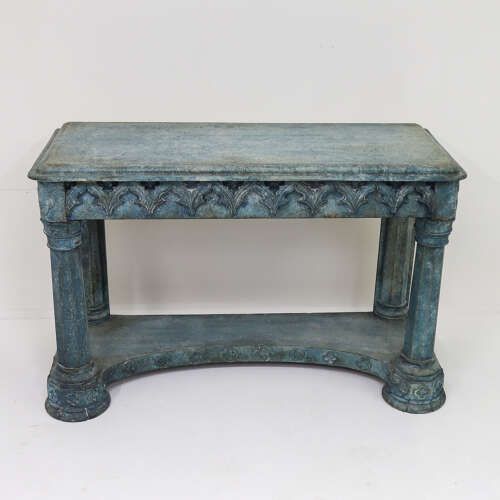
Victorian Gothic Side Table
When you search for a victorian gothic side table, you are looking at substantial timber furniture defined by medieval architectural motifs and dark, ecclesiastical detailing.

Victorian Gothic Side Table
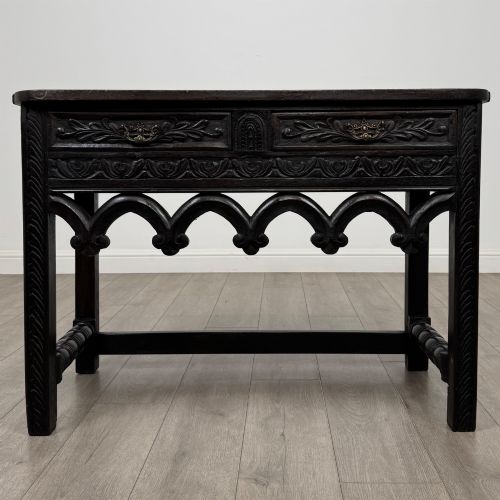
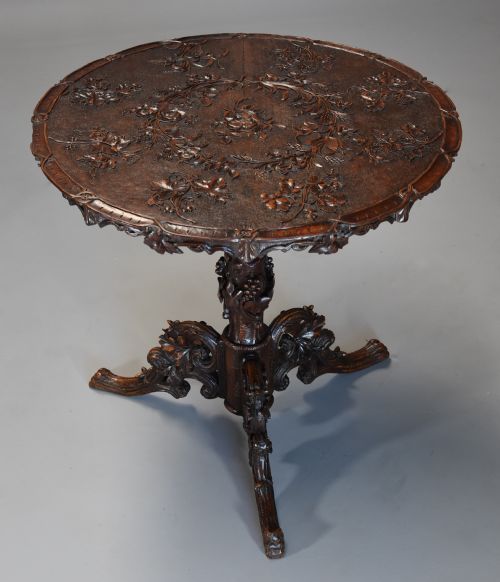
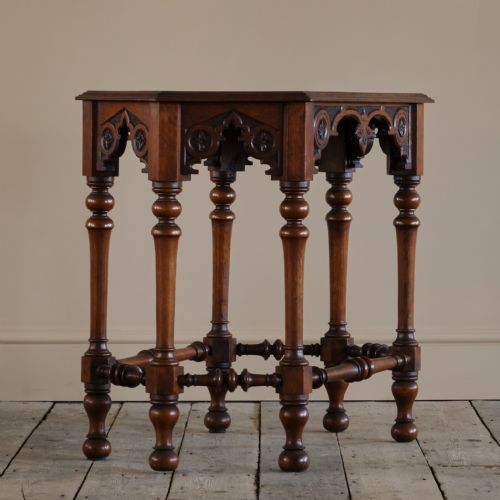
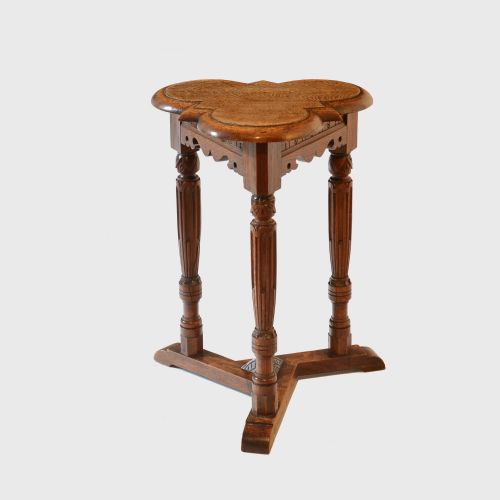
A victorian gothic side table brings heavy medieval influence into nineteenth-century domestic spaces through pointed arches, trefoil cut-outs, and deep relief carving.
These pieces appear primarily as compact side tables, hall servers, and writing desks produced across the Victorian era, utilising robust local timbers.
Makers drew heavily on architectural forms from cathedrals and abbeys, translating stone tracery and buttresses into functional wooden furniture.
Materials and construction
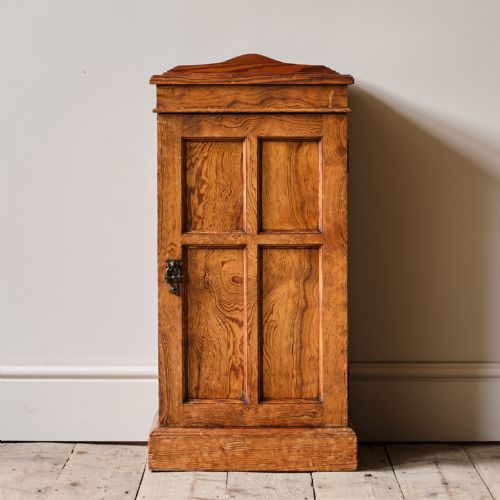
Solid oak and pitch pine dominate the construction, often selected for their strong grain and ability to hold crisp, deep chisel work.
Surface decoration relies on chip-carving, incised linenfold panels, and applied mouldings rather than applied veneers, showing the structural honesty favoured by Gothic Revival designers.
Victorian Gothic Side Table Retail Price Guide 2026
Typical asking prices for victorian gothic side table among the pieces listed under this phrase on Sellingantiques today, from the lower quarter to the upper quarter. They describe what is for sale here now, not the wider market.
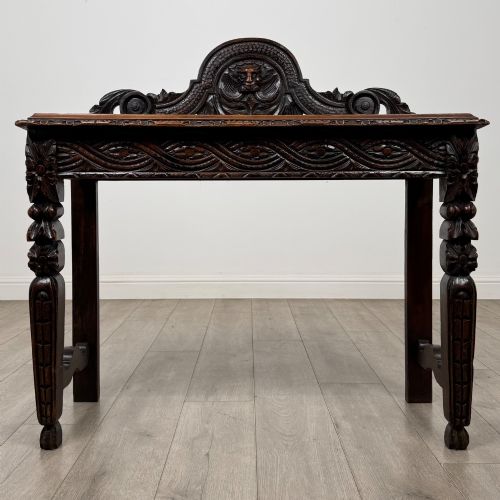
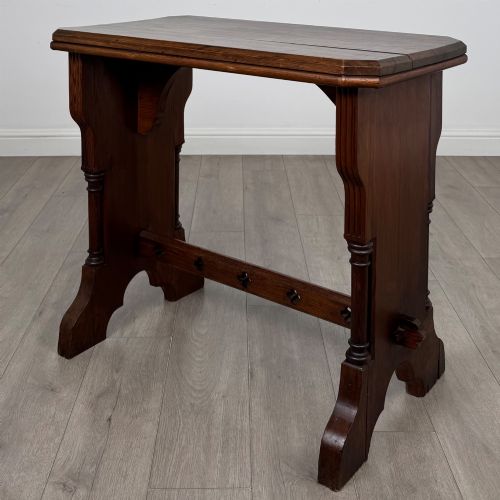
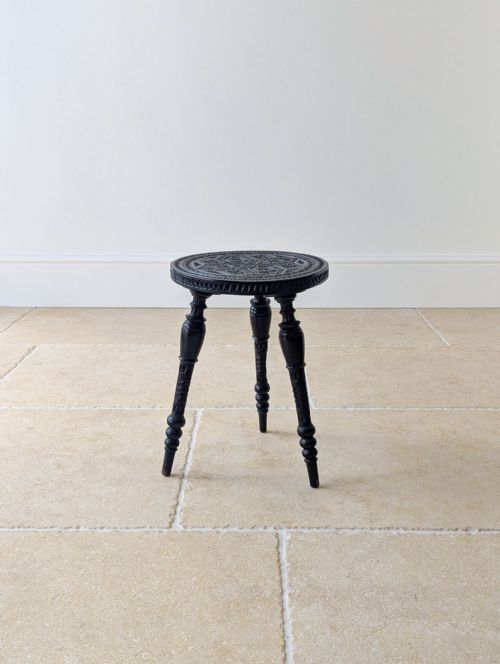
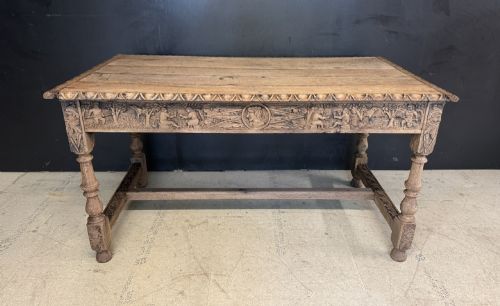
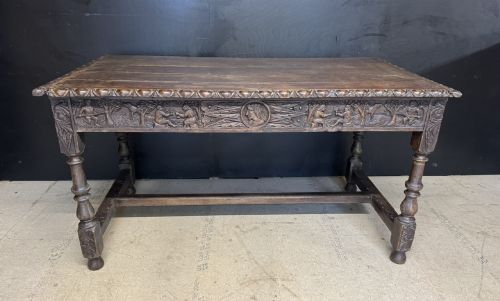
Listings feature oak, pitch pine, and ebonised hardwood across various forms including console tables, writing desks, and occasional tables.
Judging the execution
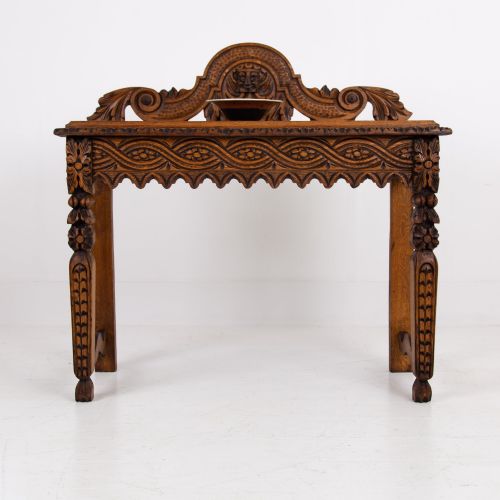
Depth and clarity of the carving separate standard utilitarian tables from masterworks featuring expressive Green Man masks or intricate ecclesiastical tracery.
The selection of timber grain, particularly quarter-sawn oak displaying medullary rays, indicates the maker's investment in higher-grade materials.
The Victorian Gothic Side Table Glossary
- Gothic Revival
- An architectural and design movement that revived medieval structural forms from the mid-nineteenth century onwards. It heavily influenced domestic furnishings through pointed arches and ecclesiastical motifs.
- Green Man
- A sculptural motif depicting a human face emerging from or entwined with foliage. It symbolises rebirth and appears frequently on carved nineteenth-century furniture.
- Trefoil
- A graphic ornament composed of three overlapping rings or lobes, resembling a clover leaf. It is commonly pierced through gallery rails and table aprons.
- Pitch Pine
- A resinous North American timber utilised for its durability and strong grain pattern. Cabinet makers valued it for provincial and revival pieces.
- Tracery
- Ornamental stonework or woodwork supporting glass in a Gothic window, adapted by cabinet makers to decorate cabinet doors and aprons.
Victorian Gothic Side Table: Frequently Asked Questions
What rooms suit these tables?
These tables function well in hallways, reception rooms, and studies where their dark timber and strong silhouettes anchor a corner or serve as a practical surface.
Their compact proportions allow them to sit against walls as console or lamp tables without dominating the floor space.
How do I date a piece?
Dating relies on examining the timber preparation, joinery methods, and the specific manifestation of the Gothic style across the nineteenth century.
Earlier examples from the 1850s and 1860s often display strict architectural revival lines, while later decades embraced more profuse, naturalistic carving.
Are all these tables English?
While many originate from English workshops, a notable portion of heavy carved oak pieces come from Scottish makers working in the same revival idiom.
Regional differences appear mainly in the choice of secondary timbers and the local interpretation of ecclesiastical ornament.
What is an ebonised finish?
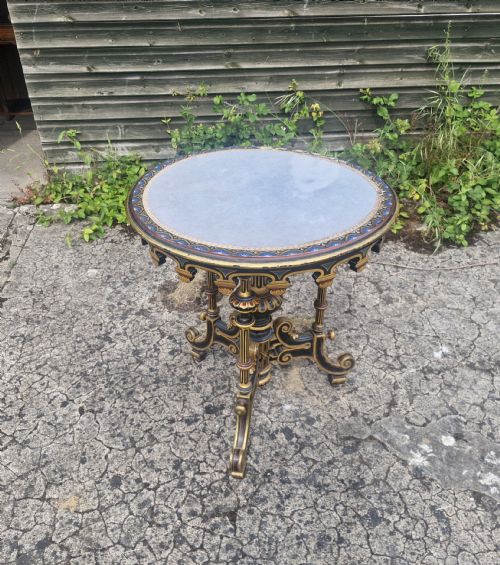
Ebonising is a chemical or pigment treatment applied to cheaper hardwoods to imitate expensive ebony wood.
This technique was particularly popular during the later Victorian period to create stark, contrasting surfaces for Gothic and Aesthetic movement pieces.