

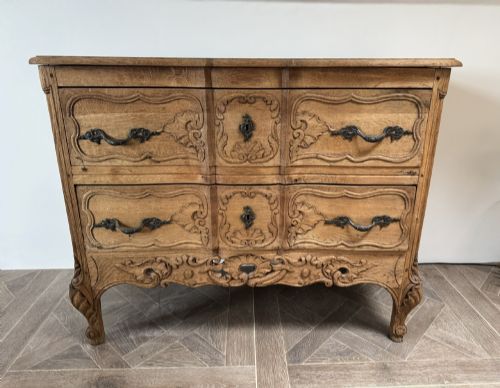


Carved French Sideboard
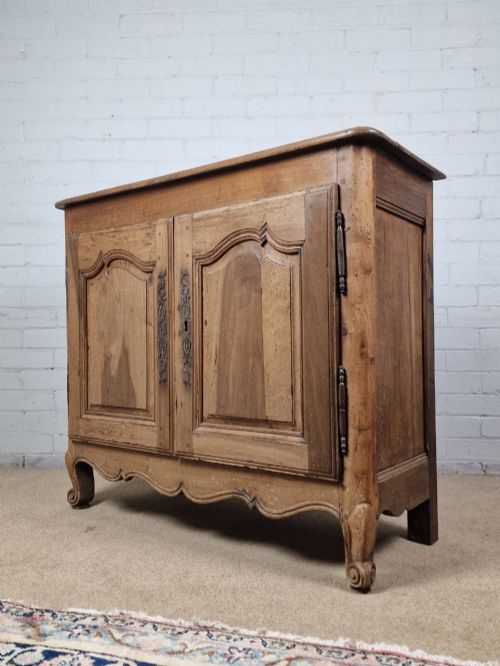
When you search for a carved french sideboard, you meet substantial wooden storage pieces shaped by provincial and revival tastes over centuries.
Carved French Sideboard
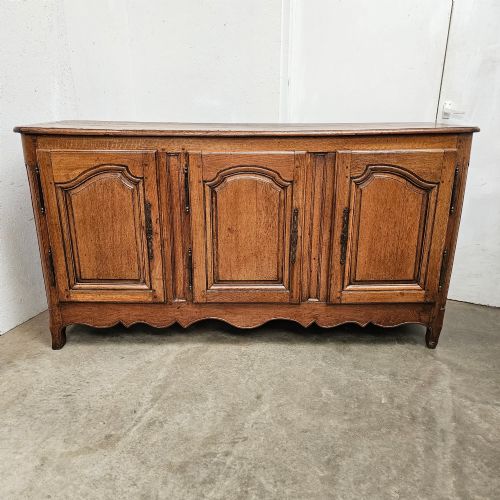
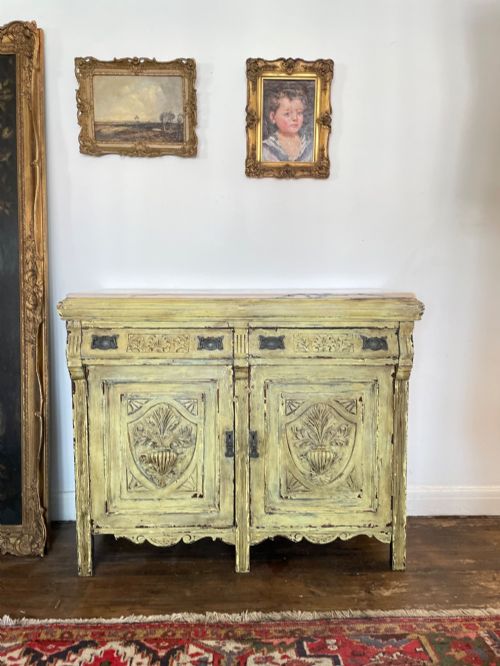
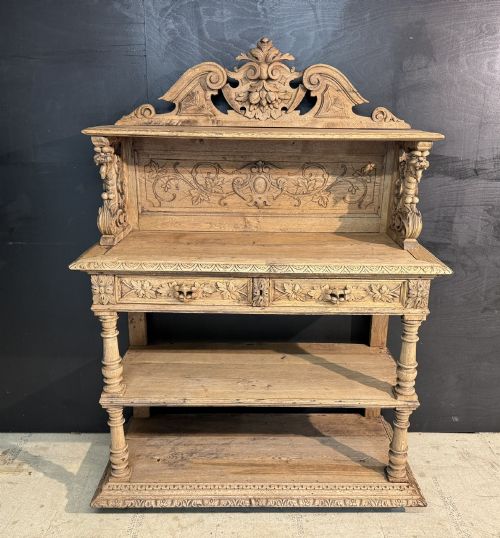
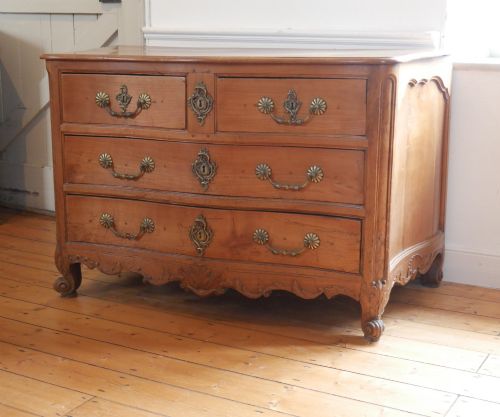
A carved french sideboard encompasses heavy storage forms such as buffets, enfilades, and commodes originating from periods spanning the eighteenth, nineteenth, and early twentieth centuries. These pieces appear in styles ranging from French Provincial and Renaissance Revival to Art Deco, reflecting diverse regional workshops across France.
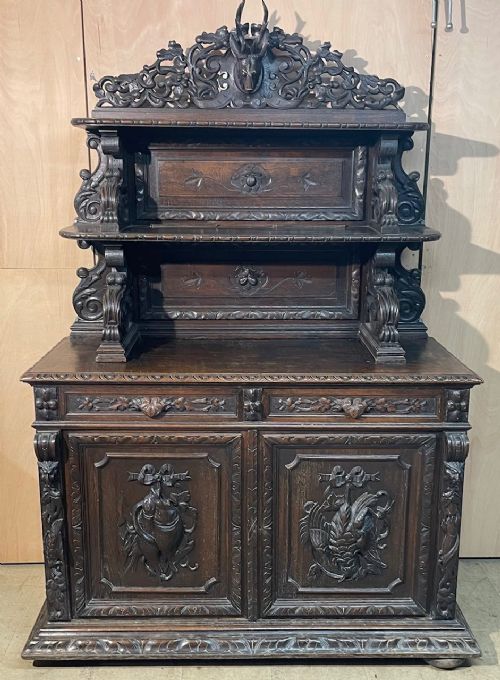
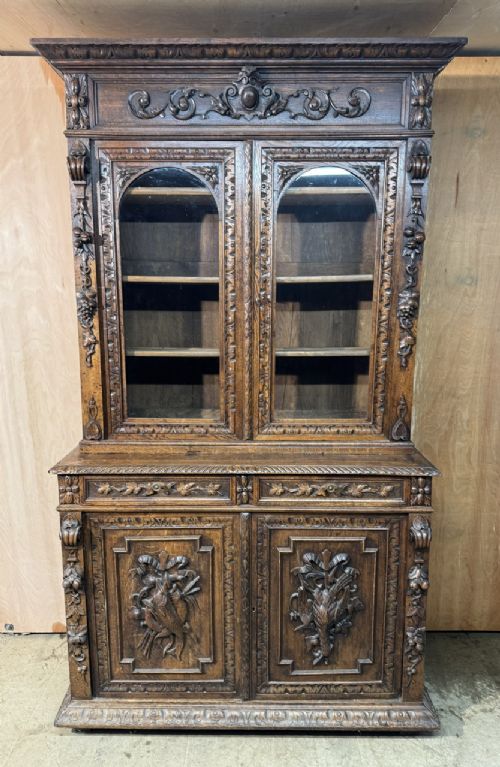
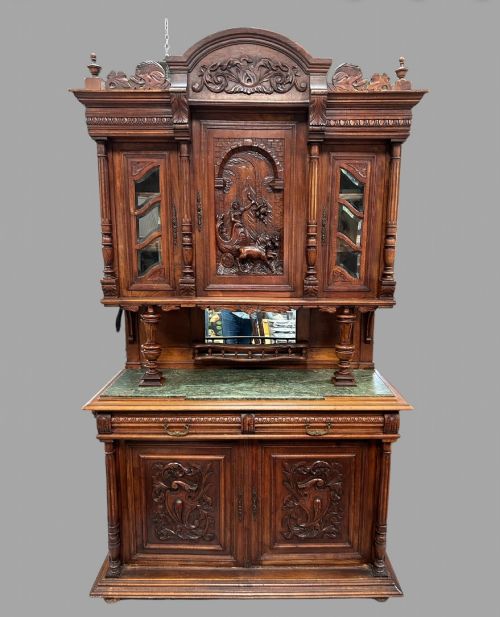
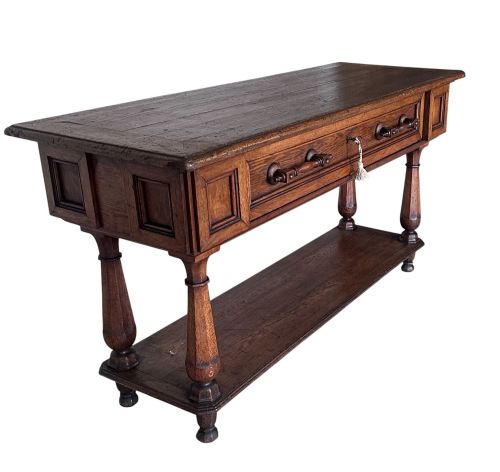
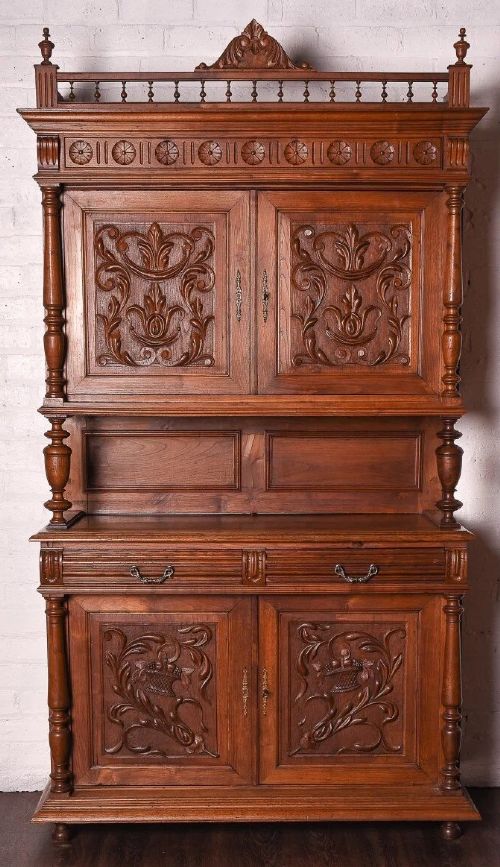
The version most commonly met on this page is the nineteenth-century carved oak hunting sideboard or buffet, frequently fitted with heavy panel doors and marble tops. Alongside these standard storage pieces, buyers encounter related dining room and hall furniture including dressers, console tables, and cabinets.
How they were made
Cabinet makers relied primarily on solid timbers such as oak, walnut, cherry wood, and ash, complemented by decorative veneers including rosewood, kingwood, and burr elm. Construction involved traditional joinery techniques, supporting deep relief carvings of game, foliage, and architectural motifs.
Many items incorporate contrasting materials for operational and decorative surfaces, featuring marble tops, brass mounts, ormolu details, iron hardware, and glass panels. These mixed elements were assembled to withstand heavy domestic use while displaying intricate surface ornamentation.
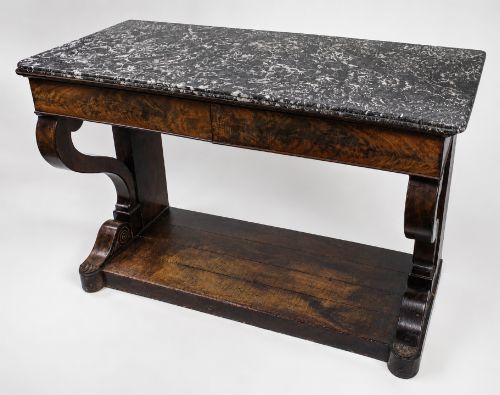
The inventory spans functional forms including commodes, enfilades, washstands, and multi-door hunting buffets with integrated marble tops.
What varies in quality
The standard of a carved french sideboard depends on the depth and crispness of the hand carving, where naturalistic motifs display distinct sharpness rather than soft, mechanical repetition. Proportion and balance across multiple doors or heavy superstructure sections dictate the visual success of the piece.
Selection of timber grain and the integrity of fitted elements like marble slabs, bronze mounts, or marquetry panels separate standard utilitarian storage from exhibition pieces. The precision of original joinery remaining intact without excessive later alteration marks the upper tier of the range.
Charles Dudouyt·Étienne Kohlmann
The Carved French Sideboard Glossary
- Buffet deux corps
- A tall two-stage storage cabinet featuring a lower cupboard section surmounted by a matching upper display or storage unit. This form provides substantial vertical capacity for dining rooms.
- Enfilade
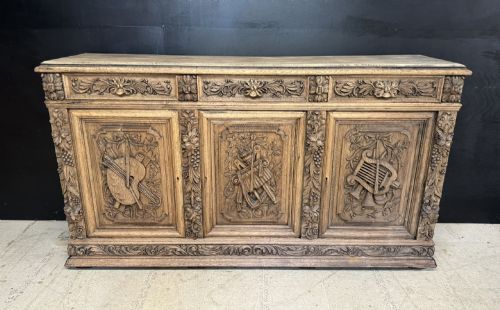
- A long sideboard featuring a continuous row of three or more doors across the front facade. This form developed for serving food in large formal dining rooms.
- Commode
- A low chest of drawers or cabinet designed for domestic storage rooms. These pieces often feature decorative marble tops and elaborate wood veneers.
- Ormolu
- Gilt-bronze decorative mounts applied to furniture edges and corners. This technique adds metallic contrast to dark wood surfaces.
- Marquetry
- Inlaid patterns of various coloured woods applied to furniture panels to form pictorial or geometric designs. This decorative surface work requires precise cutting and fitting of veneer pieces.
Carved French Sideboard: Frequently Asked Questions
What is an enfilade?
An enfilade is a long, low sideboard fitted with multiple doors spanning the front of the cabinet. These long storage units were traditionally used in French dining spaces for serving food and storing tableware.
Today, they function as substantial credenzas or sideboards in modern living areas. Their elongated proportions provide extensive surface space and interior capacity.
Why do some sideboards have marble tops?
Marble tops provided a durable, cooling surface for food preparation and serving in nineteenth-century dining rooms. They resisted staining and moisture from dishes.
Over time, these heavy stone slabs became a decorative feature combining utility with refined texture. They contrast visually against the dark carved oak or walnut timber bodies.
How do I distinguish regional styles?
Regional styles appear through local timber choices and specific carving motifs. For instance, provincial pieces utilise local fruitwoods or oak with simpler regional carvings, while revival styles borrow formal architectural elements.
Examining the construction methods and wood types helps trace a piece to specific areas like Brittany or provincial workshops. Details such as hunting motifs indicate particular nineteenth-century revival tastes.
Where were these pieces used?
These sideboards and buffets served primarily in dining rooms, kitchens, and grand halls of French houses for storing linens, cutlery, and provisions. Larger buffet deux corps stood in principal living spaces to display prized household items.
In contemporary homes, they adapt easily to dining rooms as serving stations or to hallways and living areas as prominent storage credenzas.