

Carved French Giltwood Chair
A carved french giltwood chair brings gilded elegance and traditional seating into a room, spanning nineteenth-century revivals and eighteenth-century origins.
Carved French Giltwood Chair
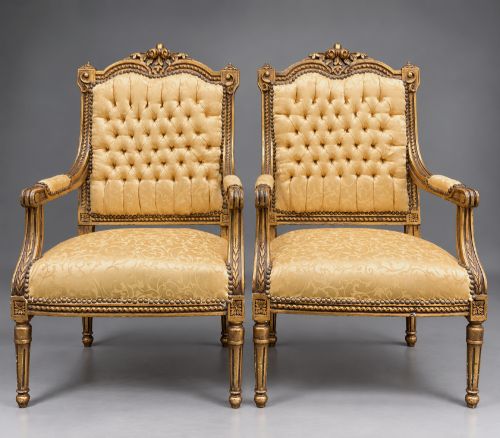
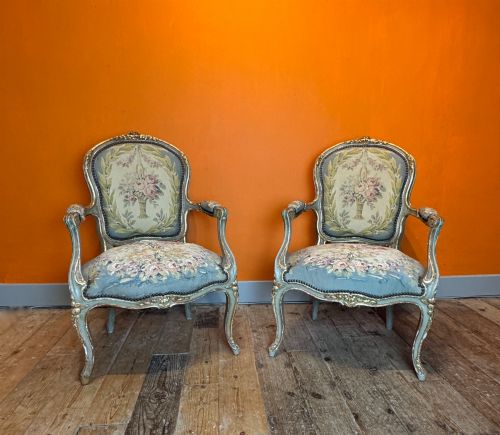
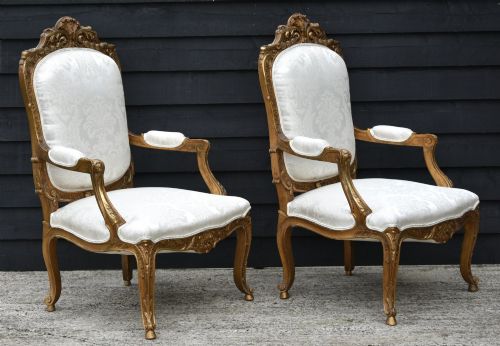
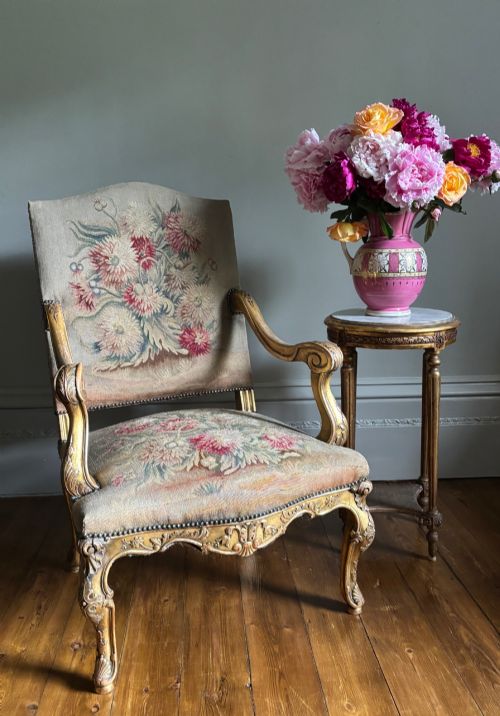
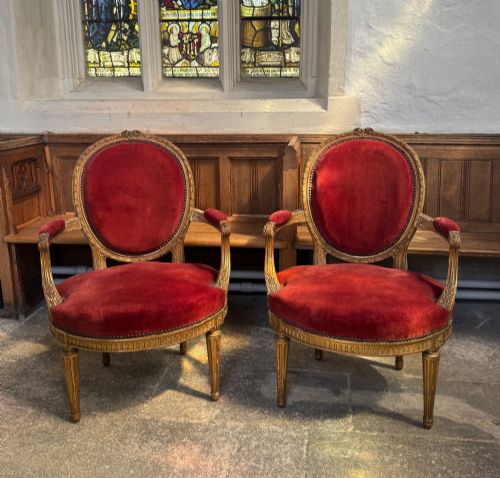
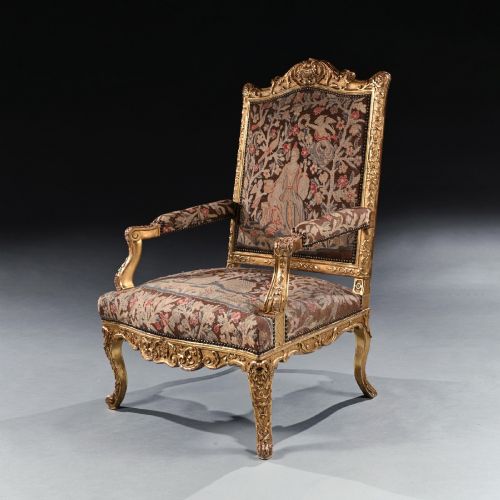
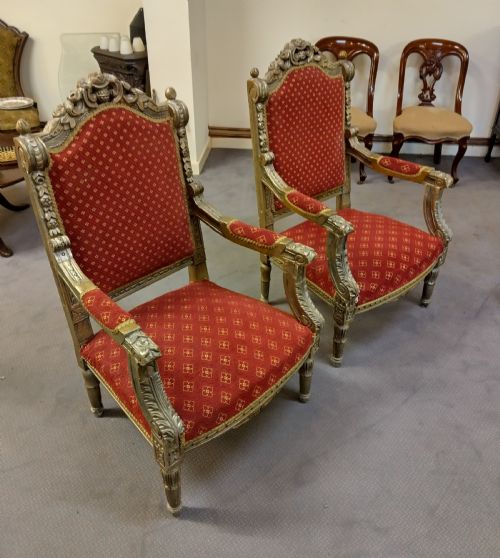
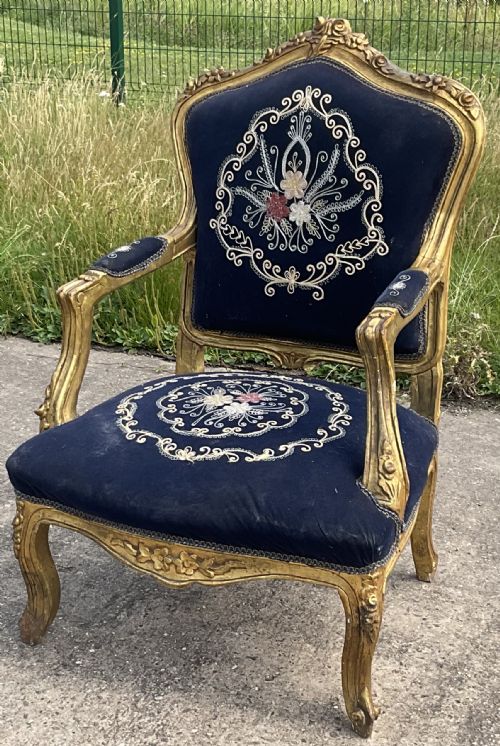
A carved french giltwood chair encompasses a variety of seating forms, including open armchairs, bergères, fauteuils, salon chairs, and occasional chairs. The pieces found here date predominantly from the nineteenth century, alongside eighteenth-century examples and twentieth-century revivals.
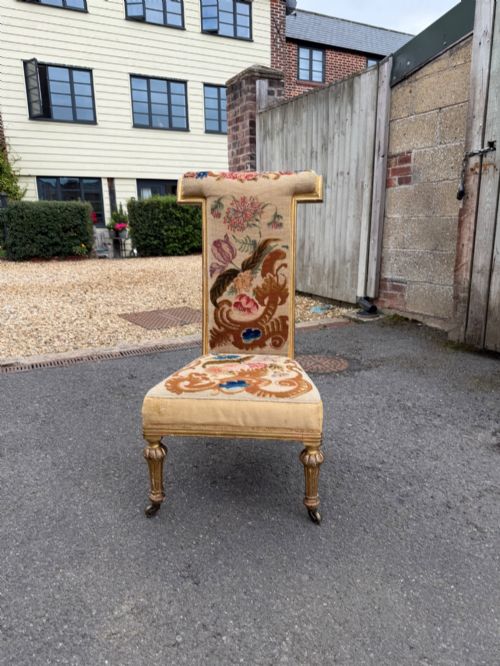
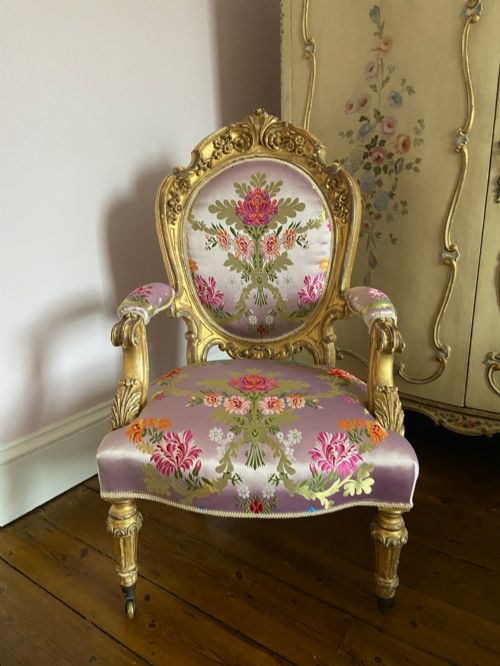
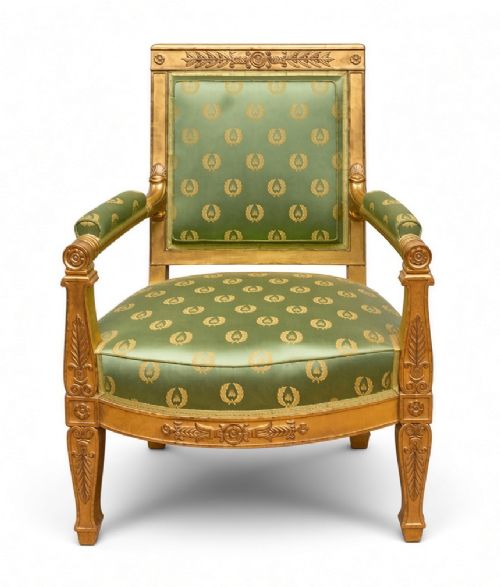
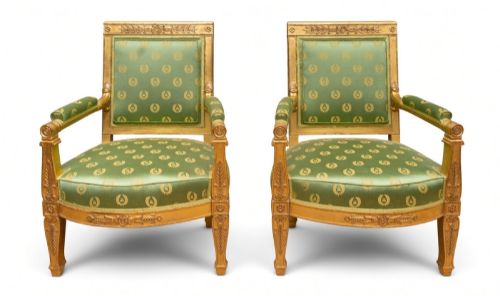
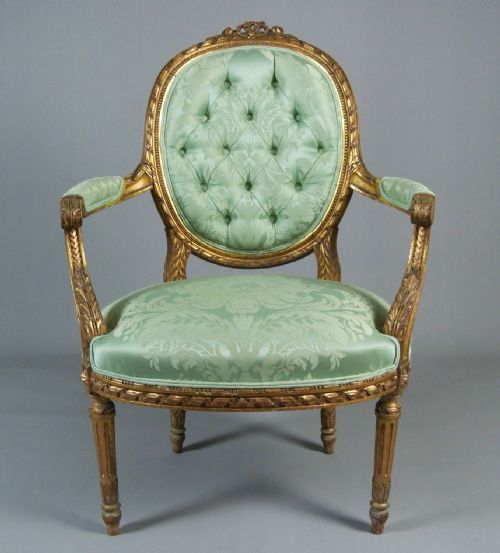
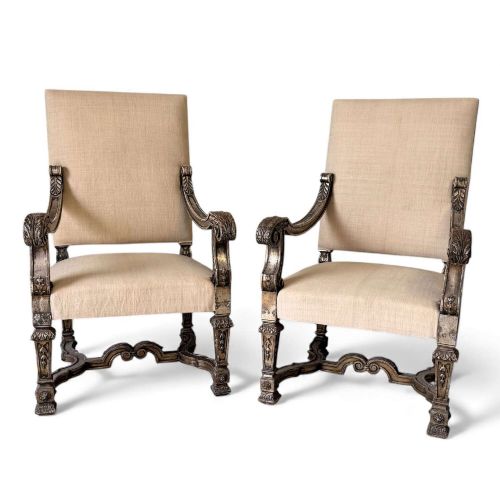
Buyers most frequently encounter nineteenth-century interpretations reflecting Louis XVI style, Rococo Revival, and French Chateau aesthetics. These seating options range from intimate bedroom chairs and nursing chairs to large throne chairs and pairs of salon armchairs.
Materials and construction
Frames are constructed from timber and beech, providing a solid wooden foundation for intricate hand-carved details. Artisans apply a gilt finish or gold leaf over the prepared wooden surface to achieve the characteristic metallic sheen.
Upholstery materials include silk fabric, velvet, tapestry, and traditional cane work. Many pieces retain historic textiles or have received modern fabric updates to preserve the structural integrity of the seat.
Listings feature beech and timber frames finished in giltwood, paired with silk fabric, velvet, and tapestry upholstery across multiple centuries.
Craftsmanship and distinction
The refinement of the hand-carving defines the distinction between standard production and exceptional work. Crisp, deeply articulated floral motifs, acanthus leaves, and scroll arms demonstrate superior artisan skill.
The preservation and application of the gilding layer also dictate the visual depth of the piece. Intact layers with subtle burnishing show greater adherence to traditional gilding methods than flat, uniform modern metallic paints.
Jacob-Desmalter·Thomas Chippendale·Blaise Maucuy
The Carved French Giltwood Chair Glossary
- Giltwood
- Wood that has been coated with gold leaf or a gilt finish. This surface treatment gives the structural frame its bright, reflective golden appearance.
- Fauteuil
- An open-arm armchair with upholstered back and armrests, originating in France. The wooden frame around the arms remains visible rather than being fully covered in fabric.
- Bergère
- An enclosed upholstered armchair with sides filled in with wood, upholstery, or cane. These seats often feature a loose cushion resting over a webbed base.
- Prie Dieu
- A devotional prayer chair featuring a low seat and a narrow upper shelf for kneeling and resting arms. Nineteenth-century examples often incorporate giltwood frames and rich upholstery.
- Rococo Revival
- A nineteenth-century design movement inspired by eighteenth-century French styles. It prioritises asymmetrical scrolls, naturalistic floral carvings, and curving lines.
Carved French Giltwood Chair: Frequently Asked Questions
How do I identify a Louis XVI style chair?
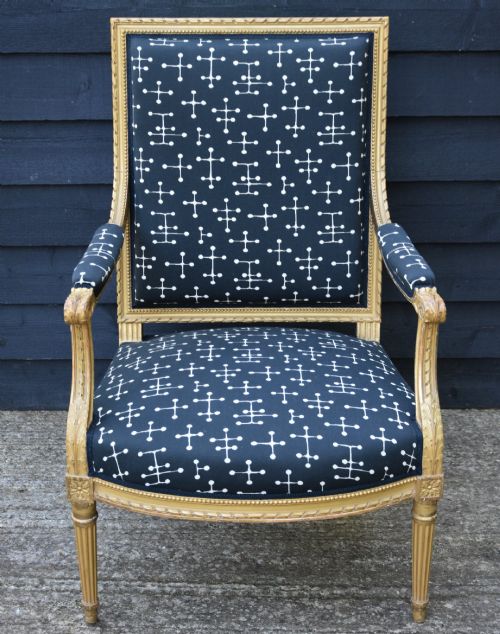
Louis XVI style chairs are distinguished by their geometric lines, symmetrical proportions, and classical motifs like fluted legs and oval or square backs. These details separate them from the flowing, asymmetrical curves typical of earlier Rococo designs.
Makers frequently utilised straight tapering legs and ribbon or leaf carvings on these frames during nineteenth-century revivals and the original eighteenth-century period.
Can I use these chairs in a modern dining room?
Salon and elbow chairs add distinct contrast when placed around a dining table or utilised as occasional seating in living spaces. Their gilded finishes and traditional upholstery bring historical texture to contemporary interiors.
Care should be taken to match the seat height with existing tables, as nineteenth-century proportions can vary significantly between salon chairs and standard dining furniture.
How should I care for giltwood frames?
Giltwood requires gentle dusting with a dry, soft cloth to protect the delicate gold leaf surface from abrasion. Avoid liquid cleaners, modern polishes, and direct sunlight, which can cause the finish to flake or fade over time.
Maintaining stable room humidity prevents the underlying timber frame from expanding or contracting, which safeguards the integrity of the carved gesso and gilding.