

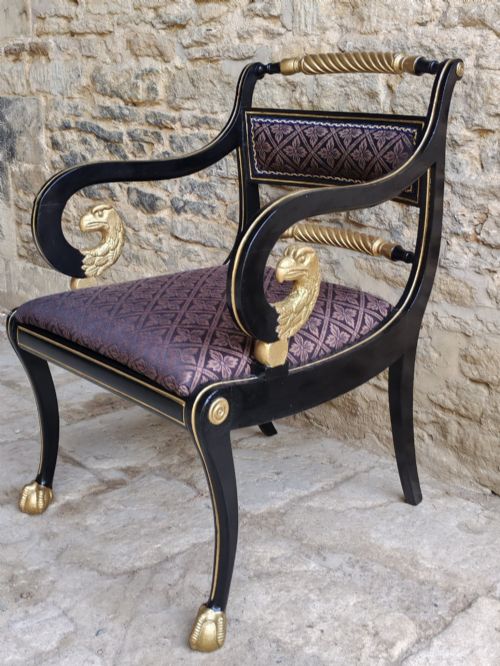
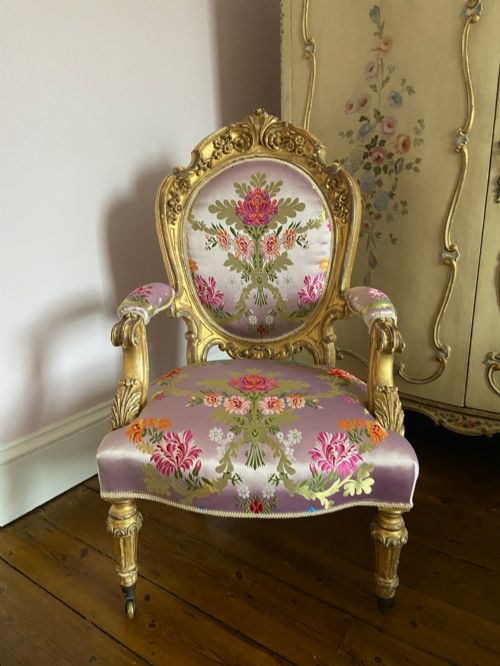
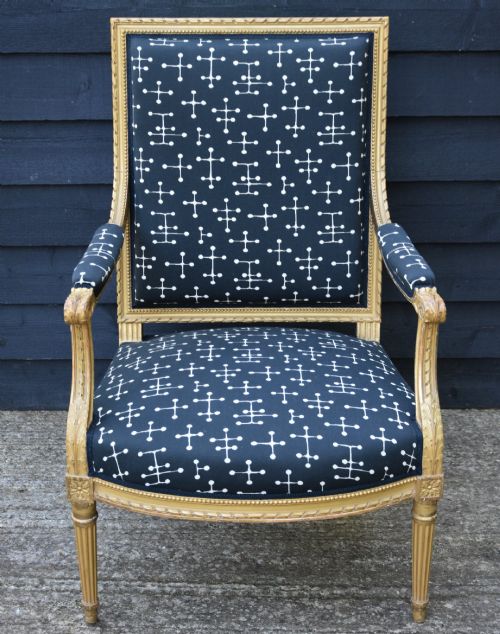
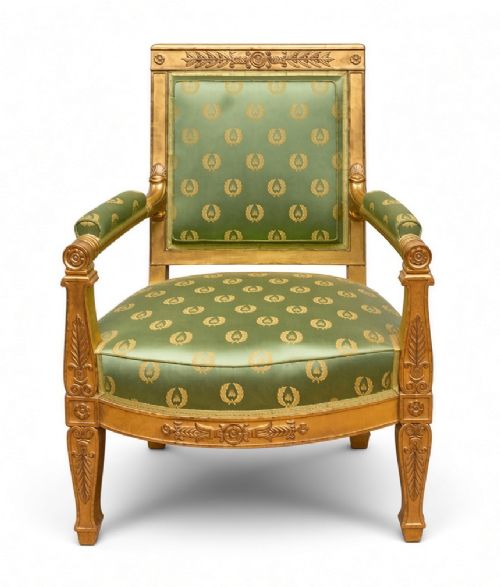
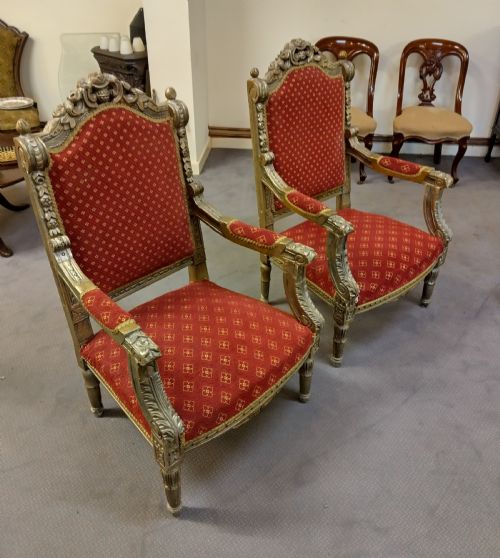
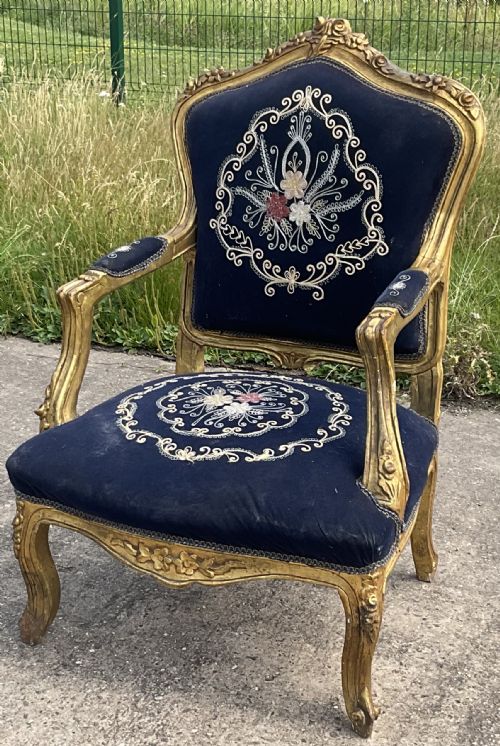
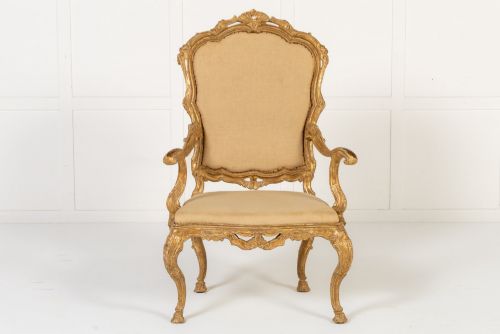
Gold Giltwood Chair
When you search for a gold giltwood chair, you enter a world of carved timber, beaten leaf, and historic seating designed to catch the candlelight.
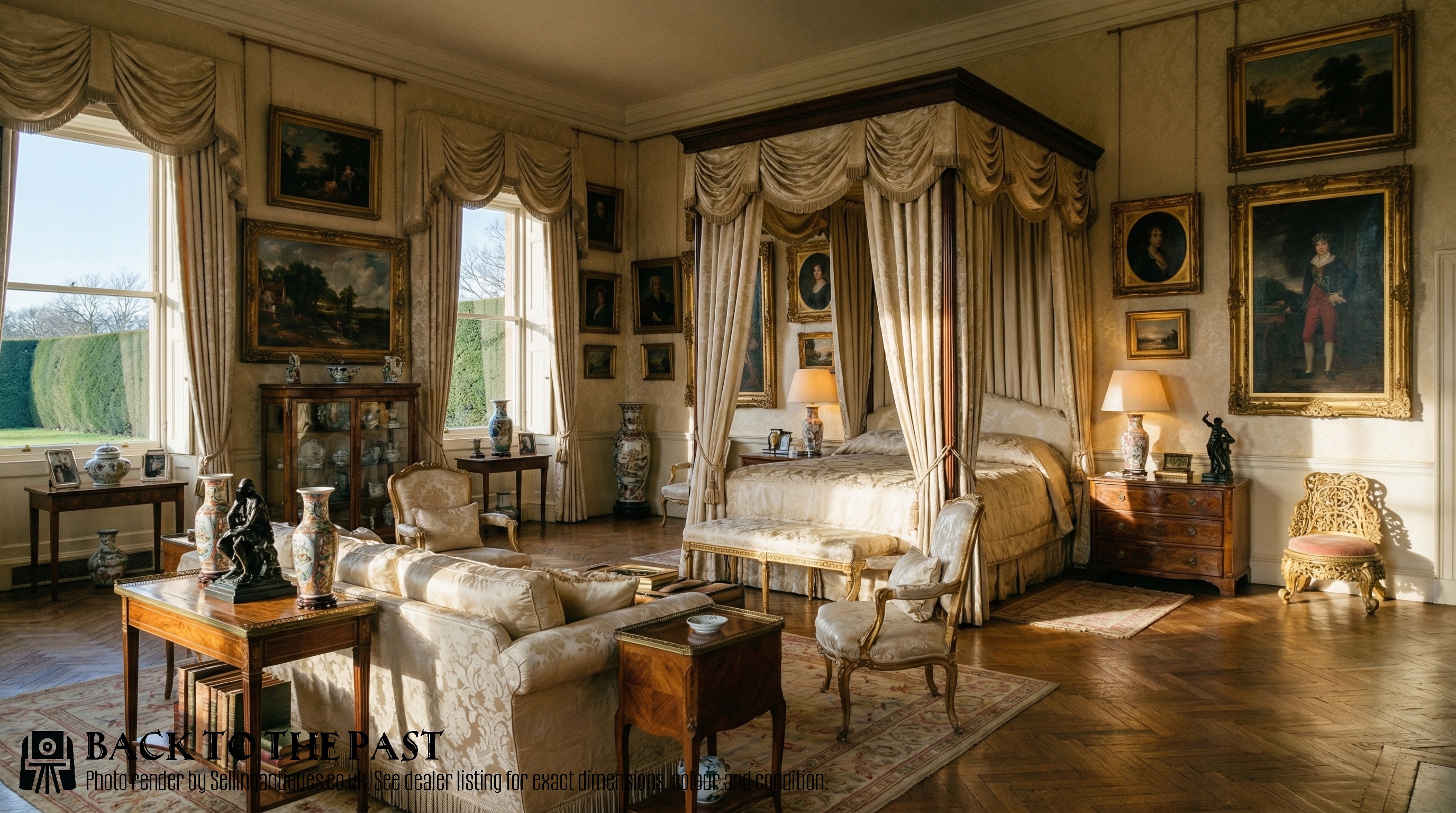
Materials and Guilding Technique
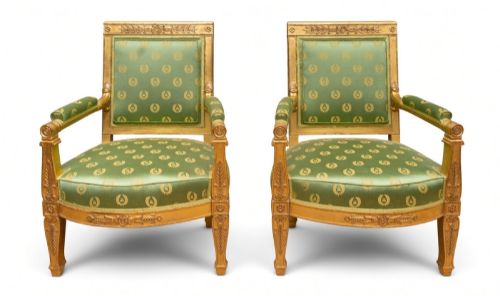
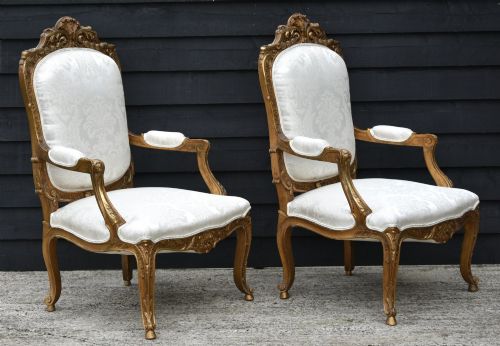
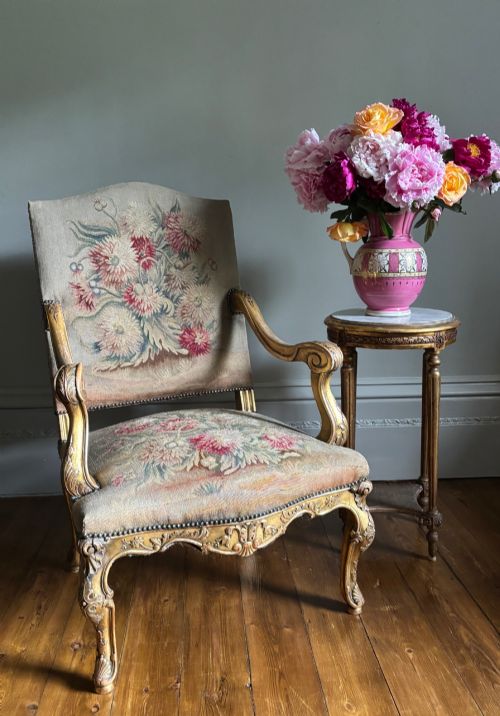
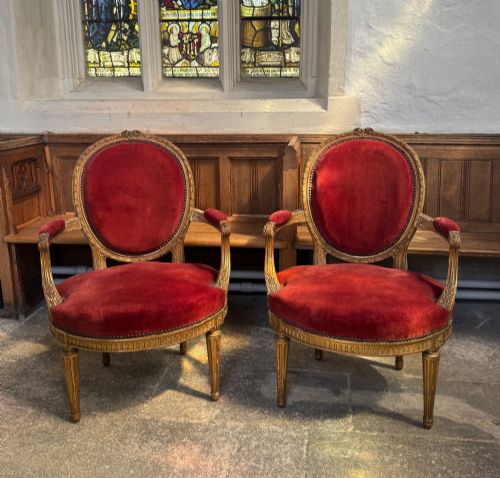
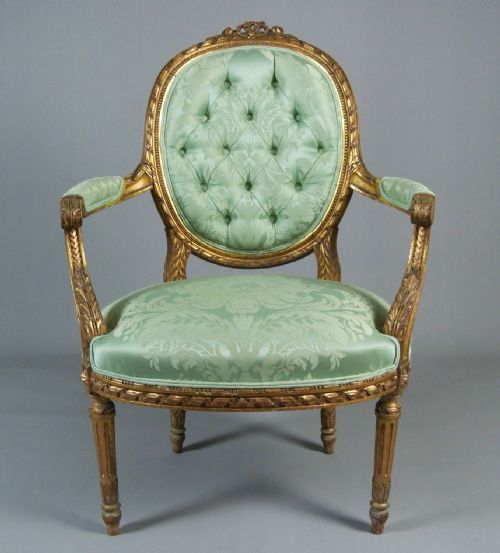
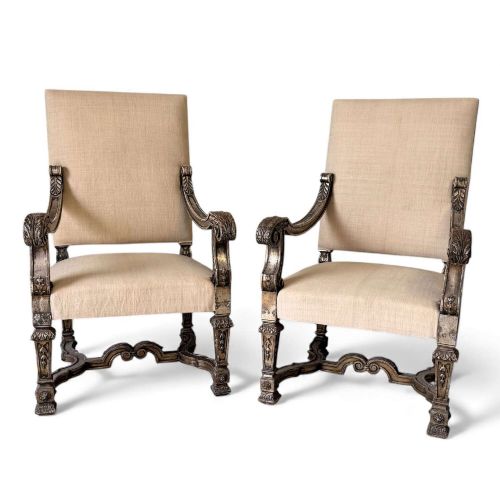
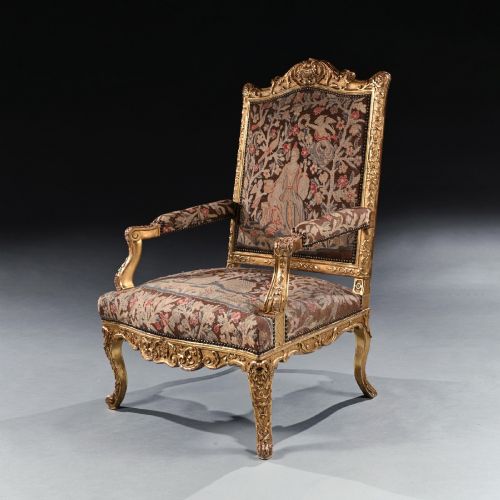
The construction begins with seasoned timber such as beech or walnut, shaped by hand with deep carvings of scrolls, foliage, and classical motifs. Artisans then applied a thin layer of gold leaf over a prepared base, burnishing the metal to create a reflective metallic sheen.
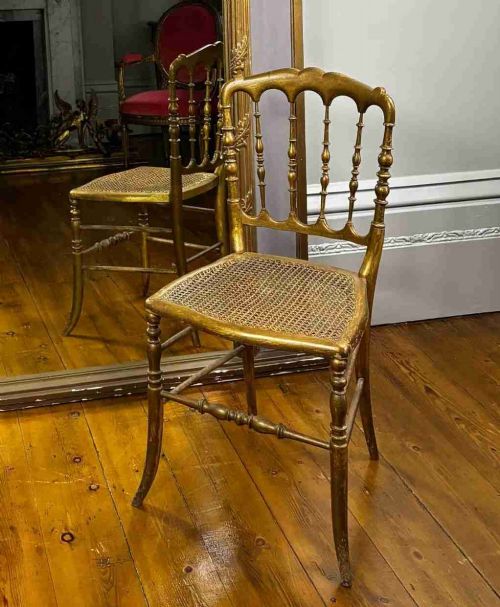
Upholstery completed the work, securing traditional stuffings with brass tacks beneath layers of silk, velvet, or patterned fabric. Caning also appears on seats and backs, woven firmly into the wooden frames.
Judgements of Quality
Quality rests upon the crispness of the wood carving and the integrity of the gilding, where hand-tooled depth outperforms flat painted finishes. Finer examples retain their original gold leaf and structural joinery without excessive repairs to the beech or walnut frames.
The sophistication of the upholstery and the harmony of the proportions also separate standard production from masterwork pieces. Chairs associated with documented makers or royal provenances demonstrate superior precision in every carved leaf and fluted leg.
Listings span periods from the eighteenth century through the Regency era and into the twentieth century, with materials including beech, brass, silk, and velvet.
Jacob-Desmalter·Thomas Chippendale·Holland & Sons
The Gold Giltwood Chair Glossary
- Giltwood
- Wood coated with gold leaf or powder to give the appearance of solid gold. This surface treatment requires careful handling to preserve the delicate metallic layer.
- Fauteuil
- An open-arm armchair with upholstered back and armrests, originating in France. The wooden frame around the arms typically displays hand carvings.
- Bergère
- An enclosed armchair with upholstered sides and a padded back, often featuring a loose cushion. These seats offer a deeper and more enclosed posture than an open fauteuil.
- Restauration
- A French decorative style dating from the early nineteenth century. Pieces from this period balance classical restraint with comfort.
- Caning
- Woven rattan or split cane used to form seats or back panels. This technique lightens the visual weight of heavy wooden frames.
Gold Giltwood Chair: Frequently Asked Questions
How do I care for a giltwood surface?
Keep these chairs away from direct sunlight and sources of heat to protect the delicate gold leaf from flaking. Dust them gently with a dry, soft cloth without applying liquid polishes or modern cleaning chemicals.
Avoid placing them in damp environments where the timber beneath the gilding might swell. Professional conservation is best reserved for repairing any losses to the metallic leaf.
How can I tell eighteenth-century chairs from nineteenth-century revivals?
Eighteenth-century chairs display the distinct tool marks of hand-carved timber and traditional joinery methods suited to their specific period. Revival pieces from the Victorian era or the twentieth century often replicate styles like Louis XVI with heavier framing or machine-finished details.
Examining the underside of the seat frame often reveals the age of the wood and the type of fixings used by the maker.
What fabrics match these historic frames?
Silk damask, patterned velvet, and traditional woven textiles complement the gilded wooden frames. Many pieces feature historic upholstery choices or later replacements in silk fabric that reflect traditional palettes.
When reupholstering, matching the textile weight to the scale of the armchair ensures the fabric suits the carved woodwork.