
Carved Edge Side Table
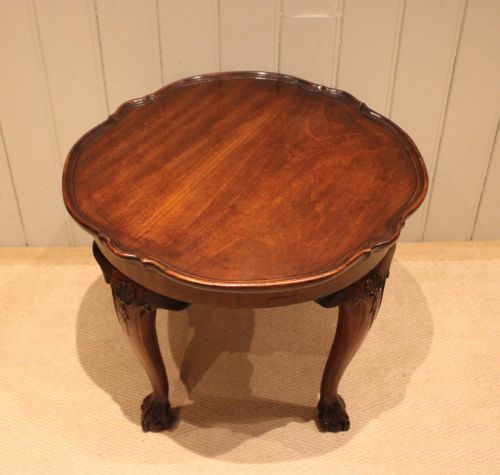
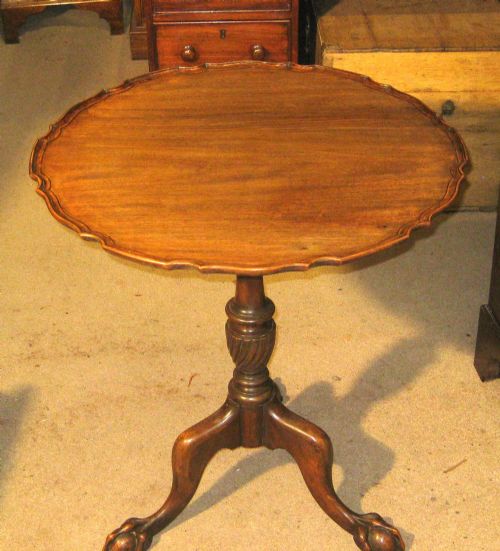
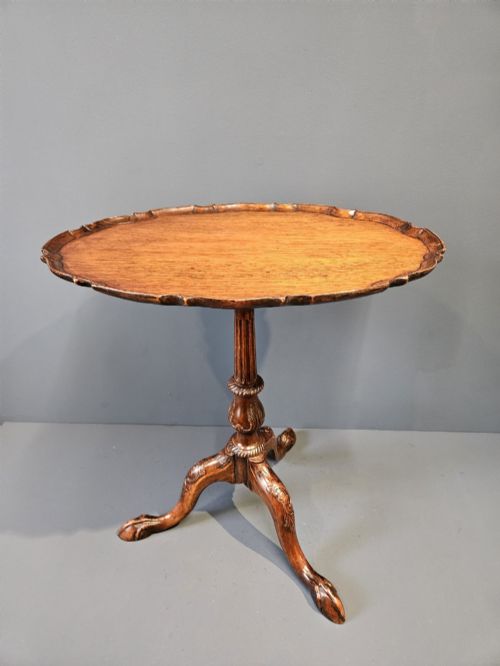
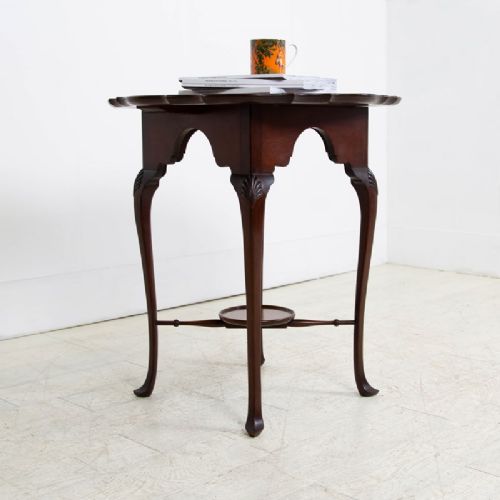
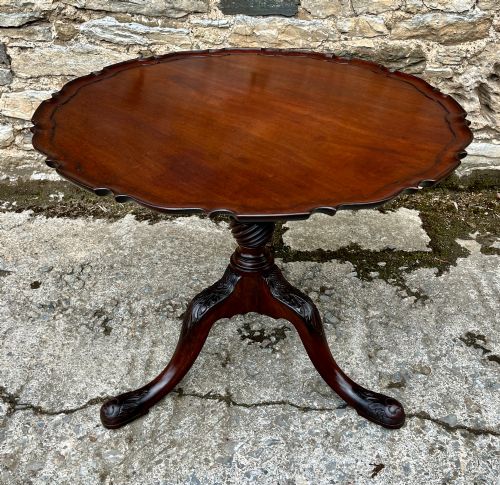
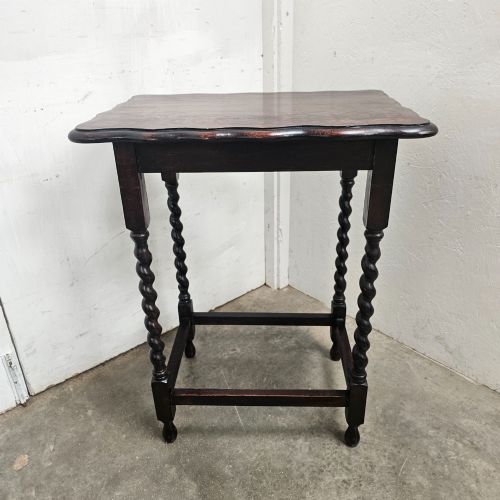
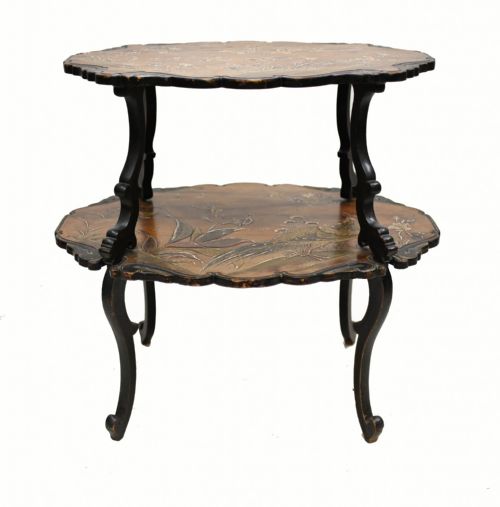
A carved edge side table brings tactile elegance to a room, offering a raised moulded rim that secures small objects while adding sculptural definition to the silhouette.
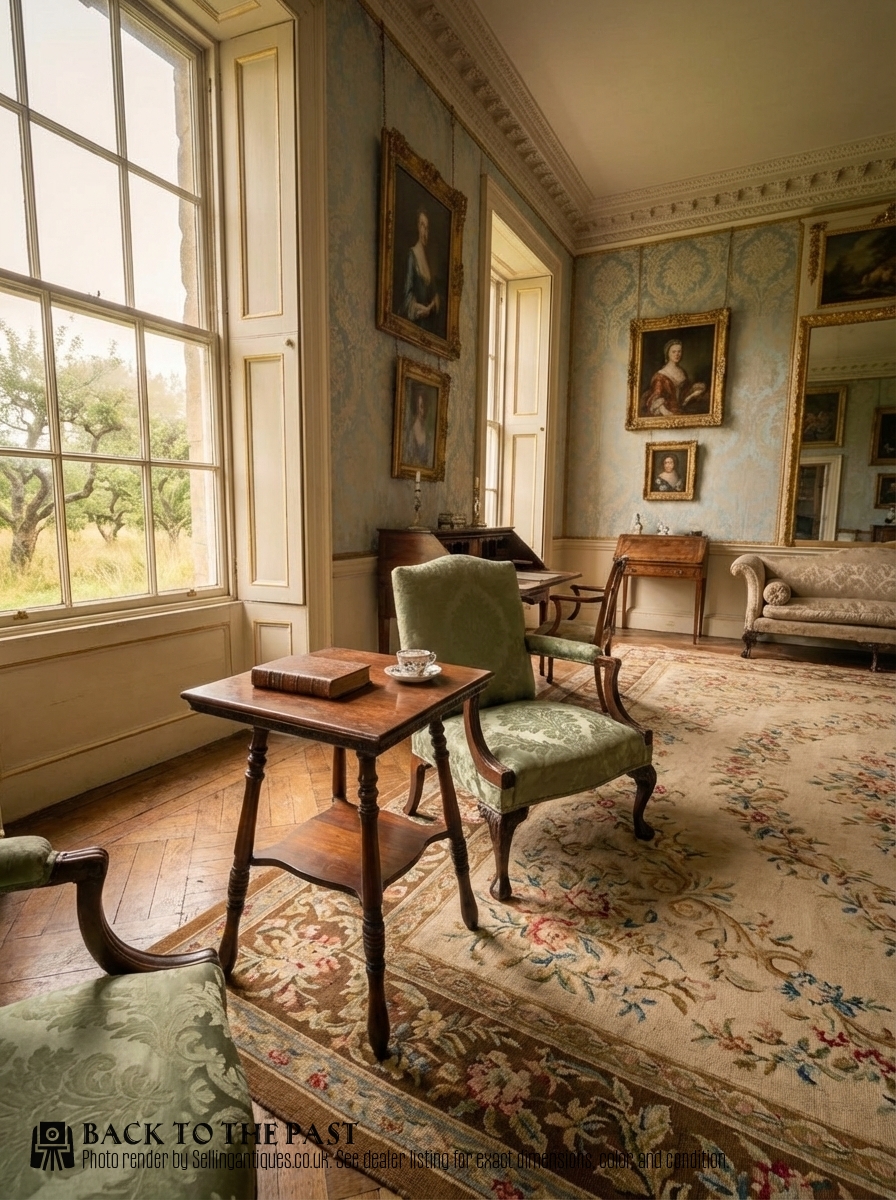
Carved Edge Side Table
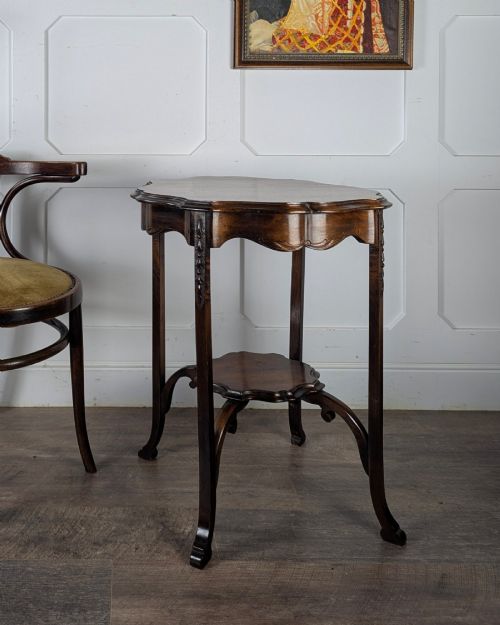
A carved edge side table encompasses compact occasional, wine, and lamp tables designed for versatile placement throughout a home. These forms originate predominantly from the eighteenth, nineteenth, and early twentieth centuries.
How they were made
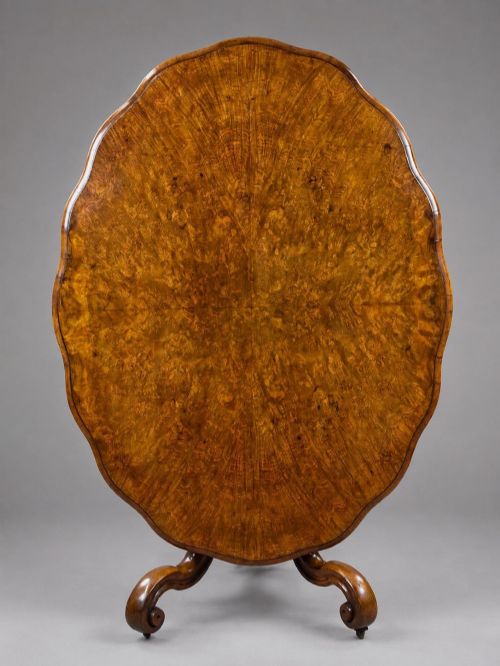
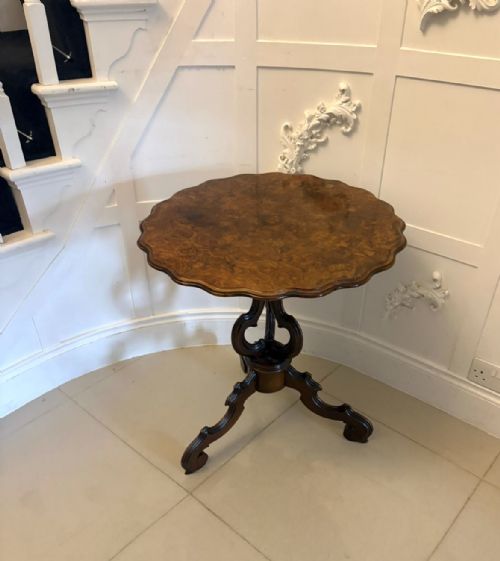
Cabinetmakers utilised dense timbers such as mahogany and walnut, frequently selecting figured burr veneers for table tops to create rich visual depth. Solid hardwoods formed stable tripod bases, pedestals, and framing elements.
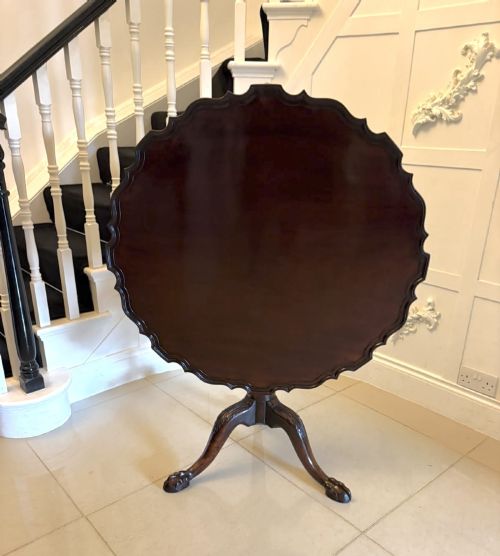
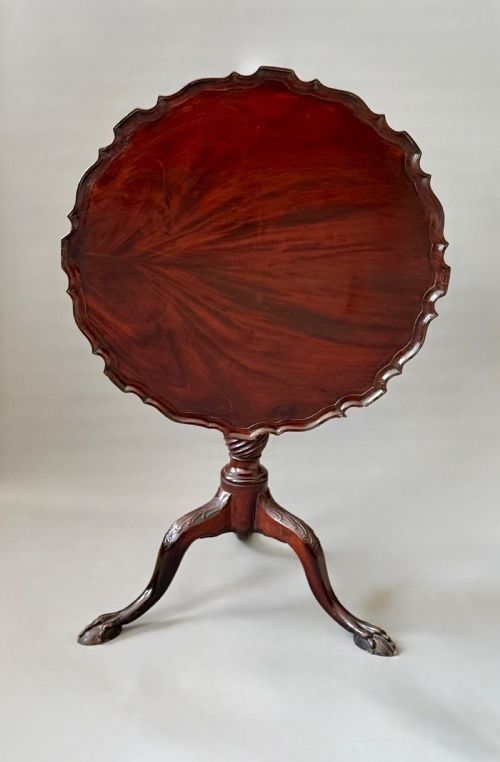
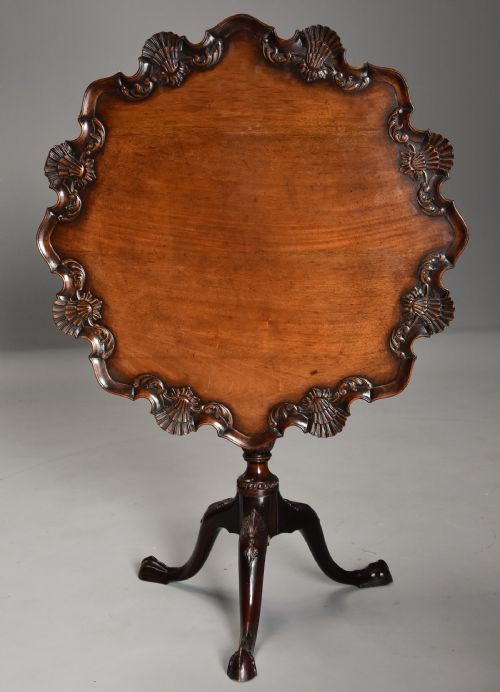
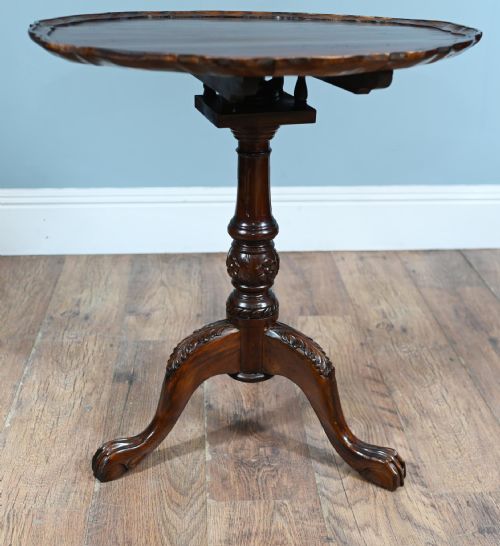
Moulded rims, including piecrust and scalloped profiles, required painstaking hand-carving directly into the solid timber edge. Mechanisms such as birdcage supports and tilt-top pivots relied on precise joinery to allow smooth movement.
Several tables retain clever tilting mechanisms originally designed to hide furniture flat against walls during grand eighteenth-century country house dances.
What varies in quality
The refinement of the carved edge dictates the distinction between standard production and master craftsmanship. Crisp, deeply undercut moulding on a piecrust rim reveals superior hand-carving compared to shallow or mechanised profiling.
Timber selection and grain matching further separate examples, particularly in walnut and mahogany surfaces where well-figured veneers or choice solid boards elevate the overall visual harmony.
Shapland and Petter
The Carved Edge Side Table Glossary
- Piecrust edge
- A raised, decoratively carved border resembling pastry crimping, commonly found on eighteenth and nineteenth-century tripod tables. It prevents items from sliding off the top.
- Tilt-top table
- A small table featuring a hinged mechanism beneath the top, allowing the surface to fold vertical when not in use. This clever design saved valuable floor space in historic interiors.
- Birdcage mechanism
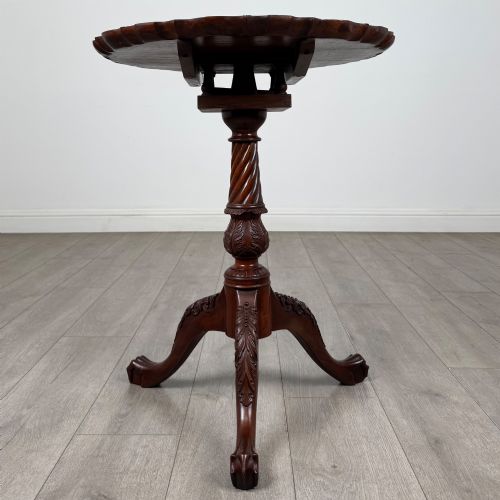
- A wooden framework beneath a tilt-top table that allows the top to both pivot and rotate. It represents a sophisticated piece of engineering on period tripod tables.
- Tripod table
- A freestanding table supported by a central pillar resting on three legs. This construction ensured stability on uneven floors.
- Marquetry
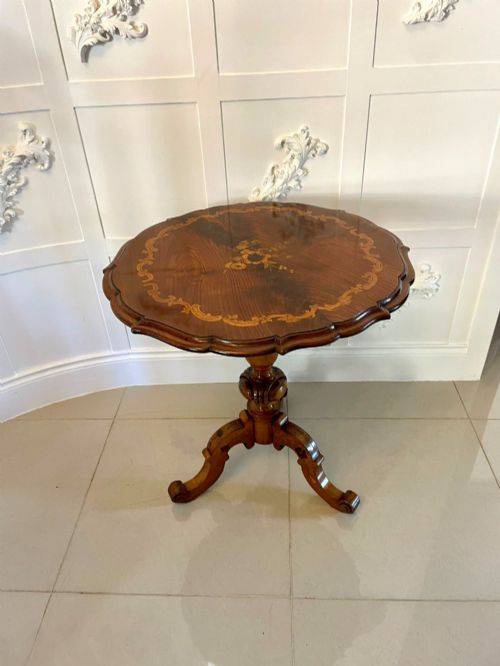
- The art of applying decorative veneer pieces to a structure to form intricate patterns. Craftsmen utilised contrasting woods to create elaborate floral or geometric table tops.
Carved Edge Side Table: Frequently Asked Questions
How do birdcage mechanisms work?
A birdcage mechanism consists of a small wooden box frame fitted between the table top and the central pillar. This ingenious assembly lets the surface rotate horizontally and tilt vertically.
Cabinetmakers developed this engineering to store tables flat against walls when space was at a premium.
Where should I place a wine table?
A wine table suits placement beside an armchair, sofa, or reading chair to hold a cup, glass, or book. Their compact footprints allow them to fit into tight corners where larger furniture cannot go.
Positioning them away from direct heat sources protects the polished mahogany or walnut surfaces from drying out.
How do I identify a Georgian tilt-top table?
Georgian tilt-top tables typically display solid mahogany construction, elegant tripod bases terminating in pad or claw-and-ball feet, and slender turned columns. The timber often shows a deep, warm patina developed over centuries of polishing.
Closer inspection reveals hand-cut joinery and pegged tenons rather than modern metal fixings.