
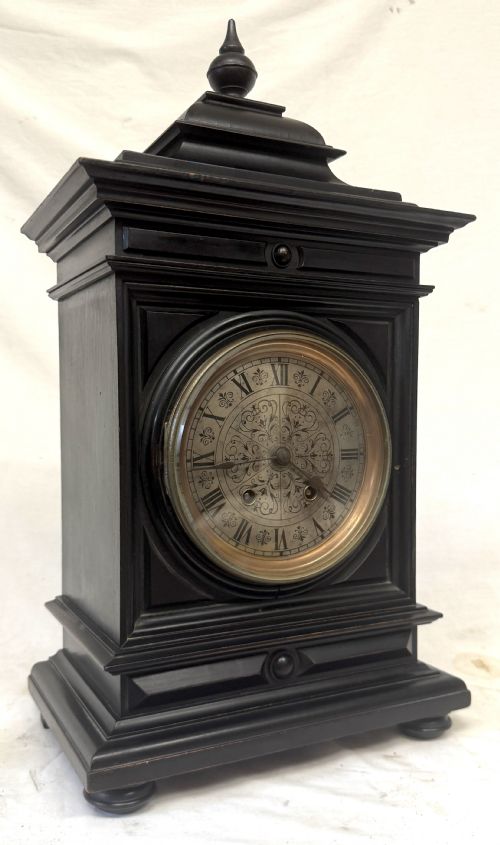
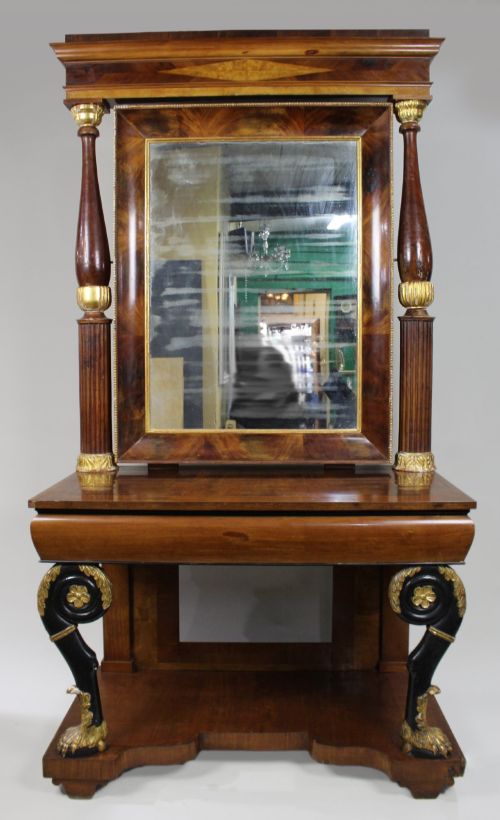
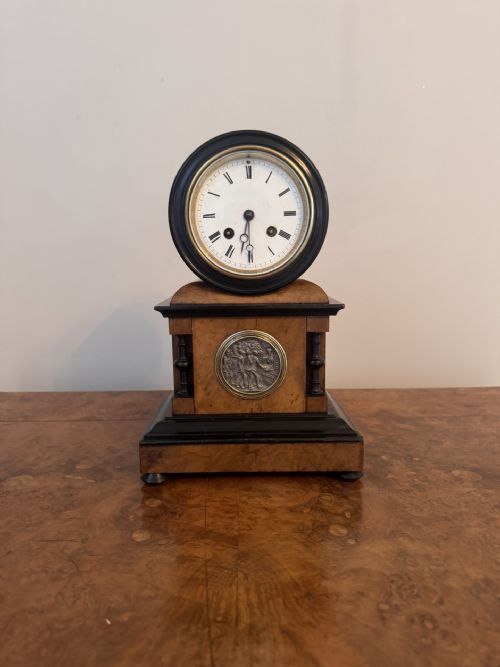
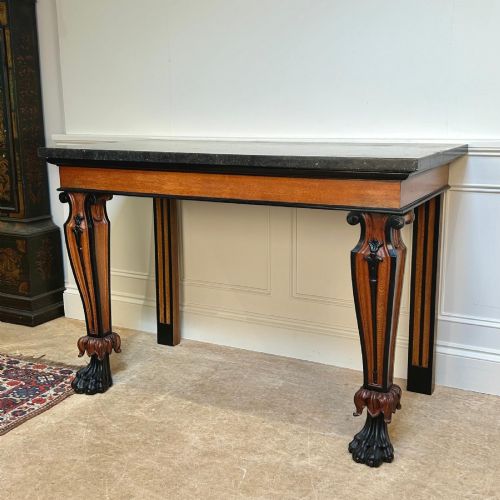
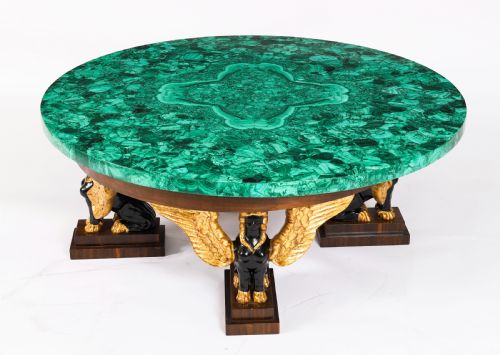
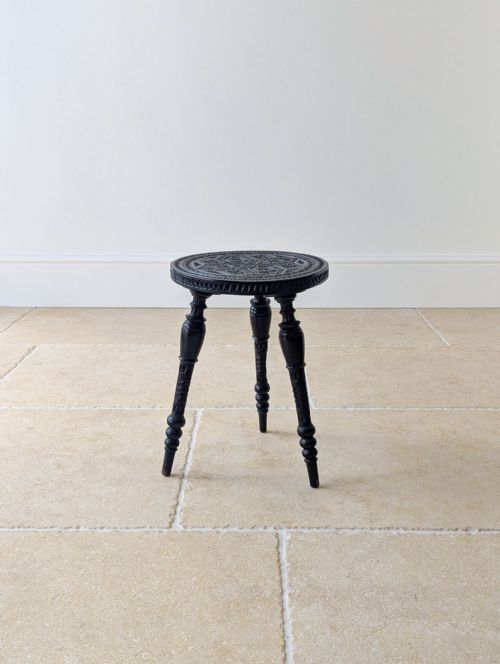
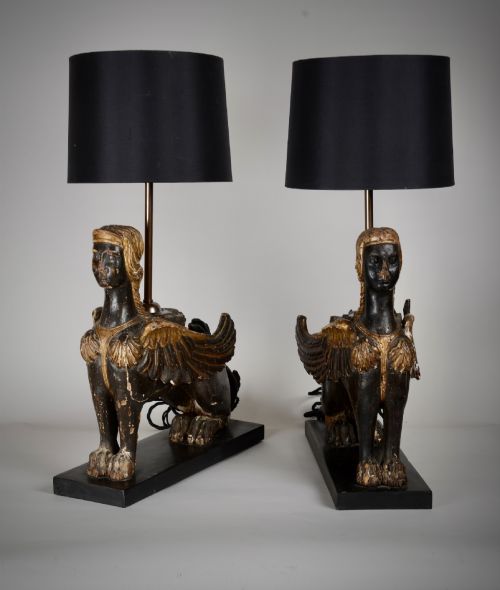

Carved Ebonised Table
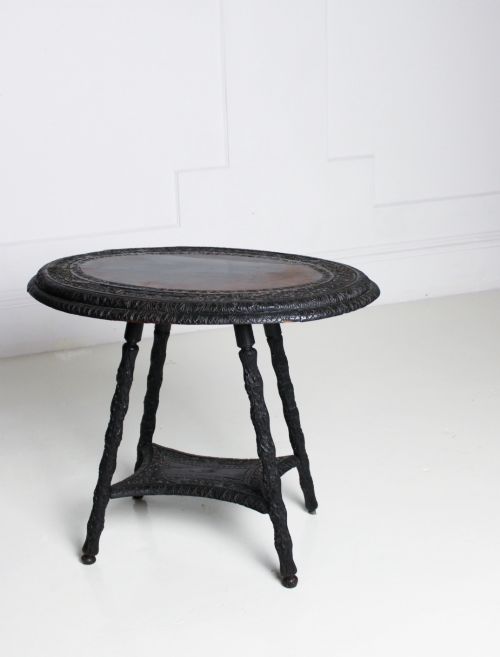
These pieces deliver dark surfaces and crisp detail, bringing a sombre richness to any room through a carved ebonised table.
Carved Ebonised Table
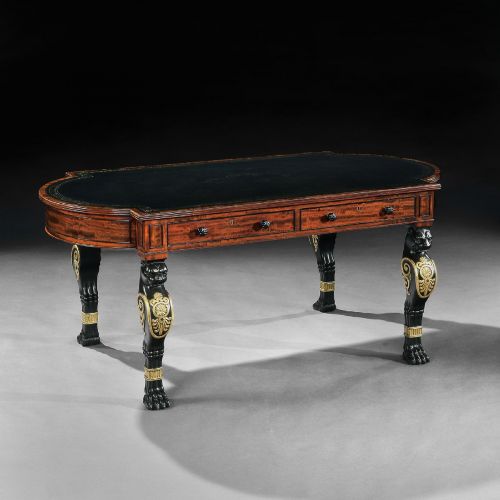
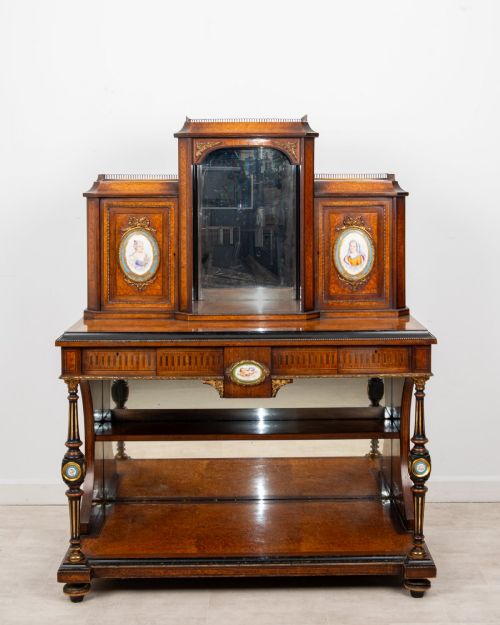
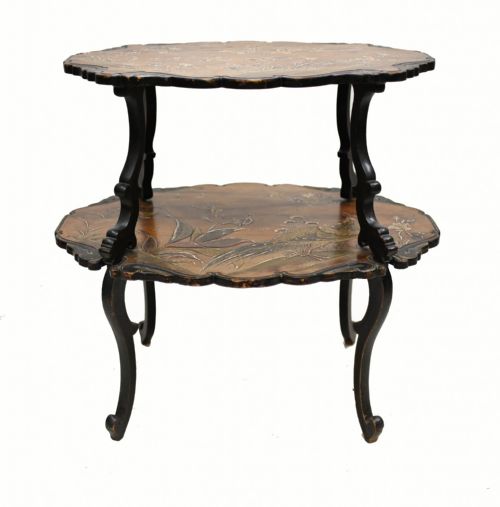
A carved ebonised table brings together deep black timber surfaces and sculptural woodwork, appearing mostly in Victorian and late nineteenth century incarnations across this selection. Buyers find occasional tables, centre tables, and side tables designed to catch the light through polished finishes and relief carving.
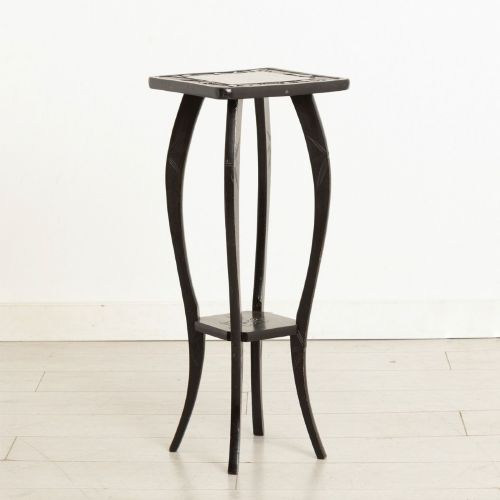
The styles span Aesthetic Movement, Moorish Revival, and Anglo-Indian designs, showing how nineteenth century makers adapted traditional dark finishes to diverse international motifs. Forms range from compact plant stands and lamp tables to expansive centre pieces intended for principal reception rooms.
While many examples date from the Victorian era, the grouping includes earlier Georgian roots and later revival pieces extending into the twentieth century. These dark wood surfaces offer a striking contrast to lighter interiors, functioning both as focal points and practical display furniture.
How They Were Made
Craned from hardwoods like mahogany, walnut, or specialised ebonised timber, these pieces rely on close-grained foundations that accept a deep, uniform black stain or polish. Craftsmen built the carcases using traditional joinery before applying surface treatments to emulate costly ebony.
Carving techniques varied from crisp chip-carving on Victorian occasional pieces to intricate pierced and relief work on Anglo-Indian and Moorish examples. Surface enrichment frequently involved contrasting inlay, parcel gilding, or japanning to accentuate the dark ground.
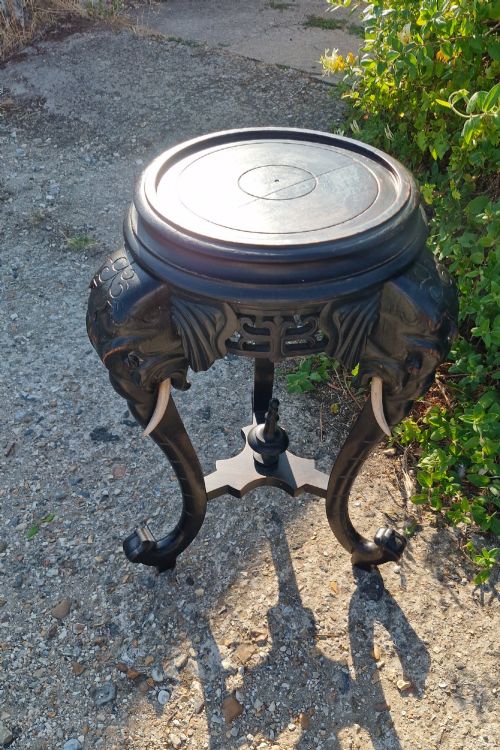
One late Victorian elephant table arrives complete with painted wooden tusks.
What Varies in Quality
The depth and durability of the ebonised finish separate routine commercial production from superior workshop output, where multiple polished layers yield a lustrous sheen rather than a flat, opaque paint. Superior examples retain crispness in the carved detail without softening of the edges from heavy sanding or thick subsequent coats.
Construction integrity dictates longevity, distinguishing solid hardwood frames from softer secondary timbers with applied dark veneers. The integration of decorative elements, such as precise inlay, stable turned supports, and well-fitted joints, marks the distinction between standard manufacturing and exceptional craftsmanship.
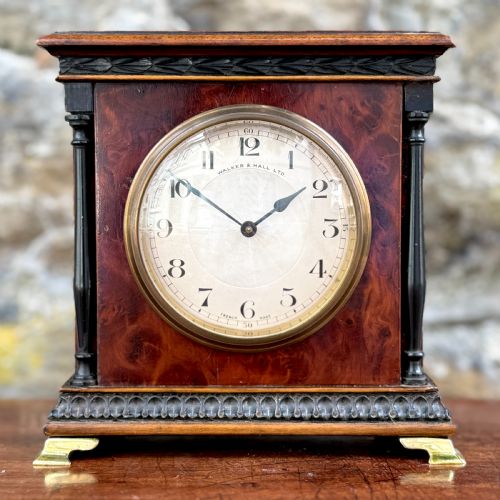
Gillows·Liberty & Co·Walker and Hall·Lenzkirch
The Carved Ebonised Table Glossary
- Ebonised
- Wood treated with stain, dye, or polish to imitate genuine ebony, producing a dense black surface finish. This technique became particularly popular during the Victorian period for accentuating classical and exotic forms.
- Occasional Table
- A small, movable table designed for specific, intermittent uses such as holding books, lamps, or tea. These versatile pieces often featured elaborate surface carving during the nineteenth century.
- Centre Table
- A freestanding table finished on all sides, intended to stand in the middle of a room rather than against a wall. They frequently served as display surfaces for decorative objects or table lamps.
- Aesthetic Movement
- A late nineteenth century design style emphasising visual beauty over narrative content, often incorporating ebonised finishes and oriental motifs. Furniture from this movement prioritized refined simplicity and artistic harmony.
- Anglo-Indian
- Furniture produced in India by native craftsmen for British residents, frequently utilising dense hardwoods and intricate carved decoration. These pieces often combined traditional local flora motifs with European furniture forms.
Carved Ebonised Table: Frequently Asked Questions
How do I clean an ebonised table?
Dust regularly with a soft, dry cloth to prevent accumulation in the carved recesses. Avoid modern chemical sprays and moisture, which can degrade the dark polished finish over time.
Apply a light microcrystalline wax occasionally if the surface appears dry, buffing gently to maintain the soft sheen characteristic of nineteenth-century pieces.
Where should I place a centre table?
Centre tables are designed to be viewed from all angles, making them ideal for the middle of a principal room or a wide hallway. Ensure there is enough surrounding floor space to walk comfortably around the piece.
Position the table away from direct sunlight and heat sources to protect the ebonised wood and any delicate surface carving from drying out or splitting.
How can I tell Victorian ebonised furniture apart?
Examine the secondary timbers underneath and inside the drawers or frame, as Victorian makers often utilised walnut, mahogany, or softer hardwoods beneath the black finish. Look for hand-cut joints and tool marks that indicate nineteenth-century workshop production.
Check the style of the carving and turning, which frequently reflects specific movements like Aesthetic, Gothic Revival, or Moorish taste popular during that century.
Are these tables suitable for daily use?
Most occasional and centre tables were built for functional domestic interiors, though delicate carved surfaces require sensible care. Using coasters and protective pads helps prevent scratching the dark polished top.
Heavier pieces like library or partners tables handle active daily placement easily, while smaller plant stands and occasional tables suit lighter duties.