

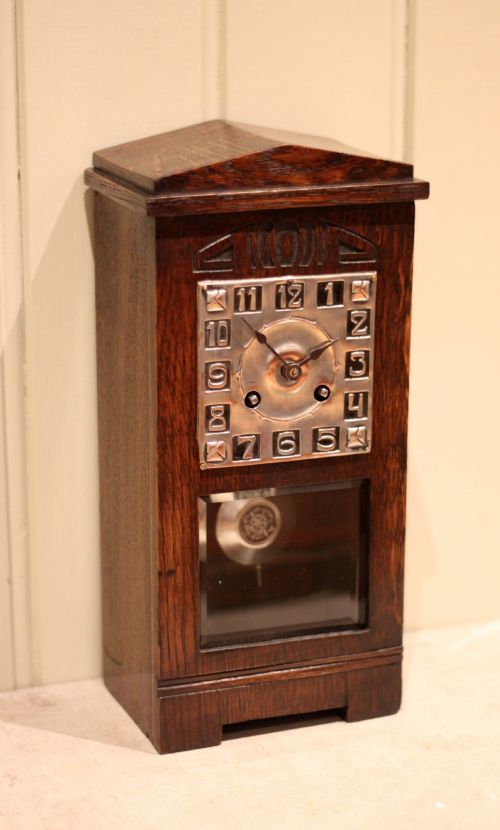
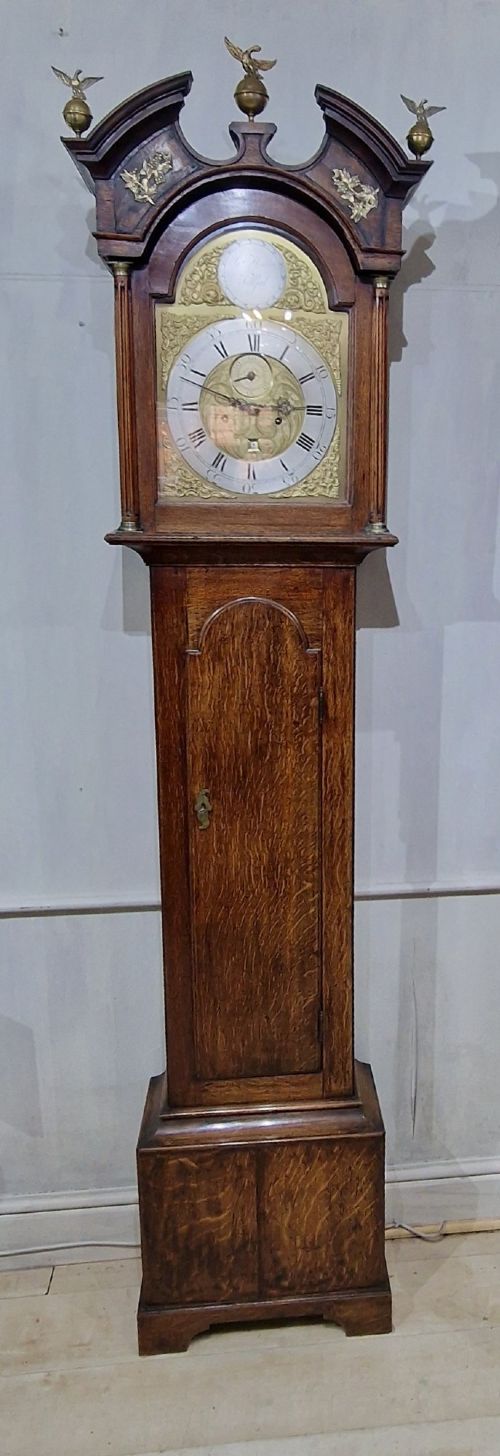
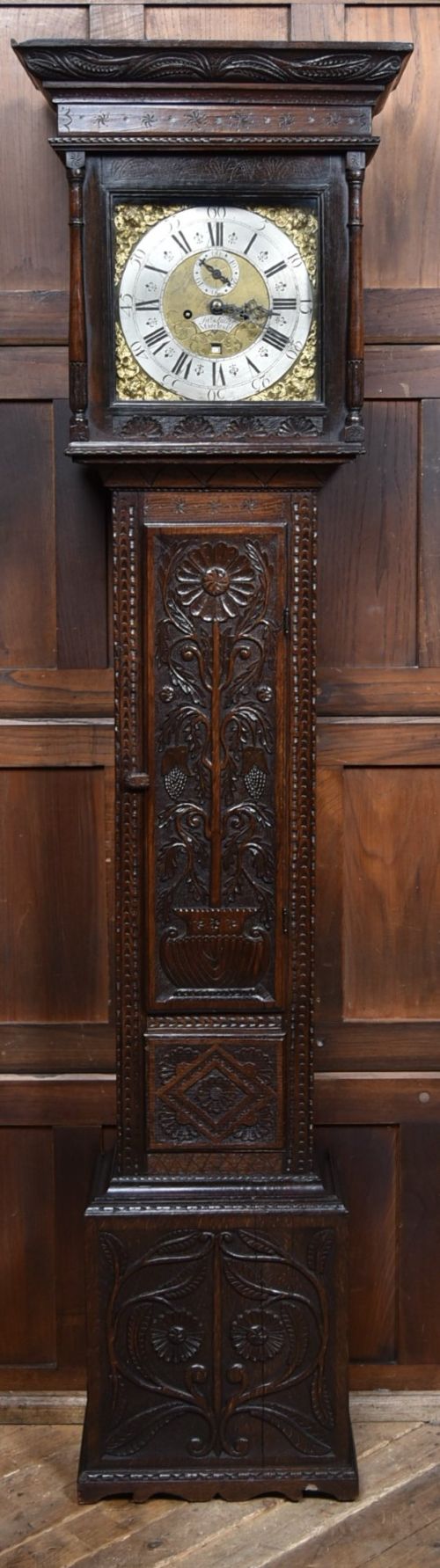
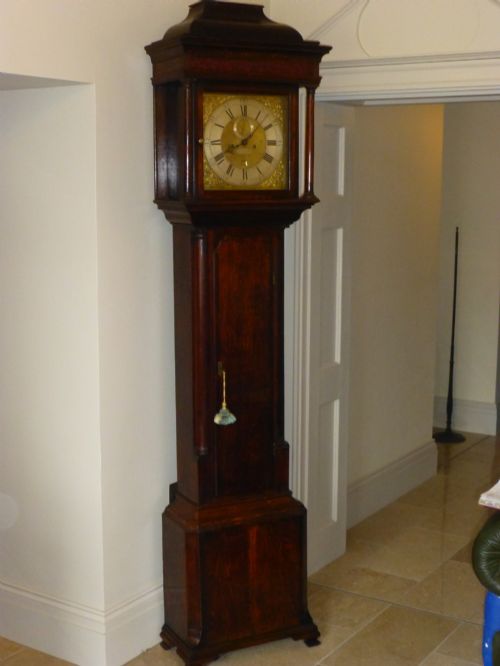
Carved Dark Oak Clock
These pieces unite solid timber and mechanical timekeeping, offering a carved dark oak clock that grounds a room through weight and texture.
Carved Dark Oak Clock
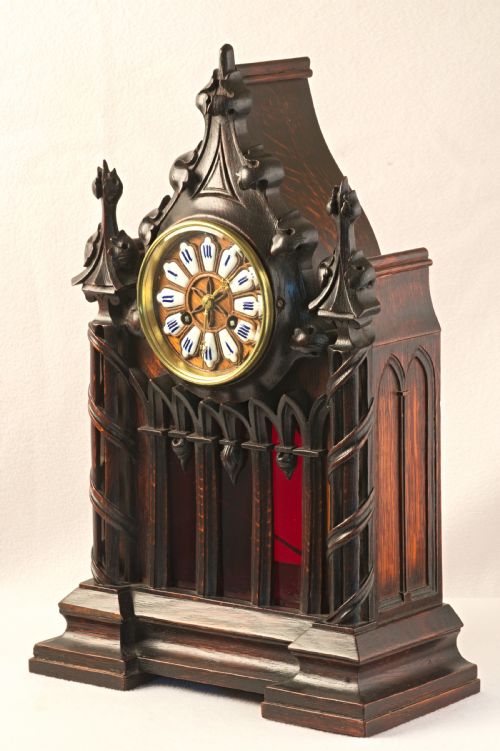
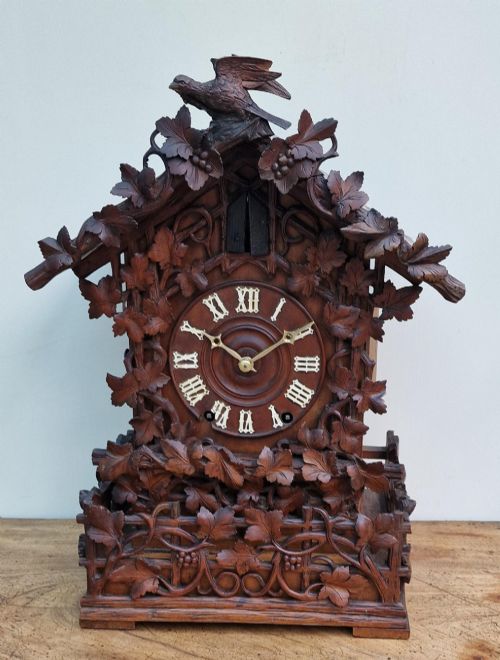
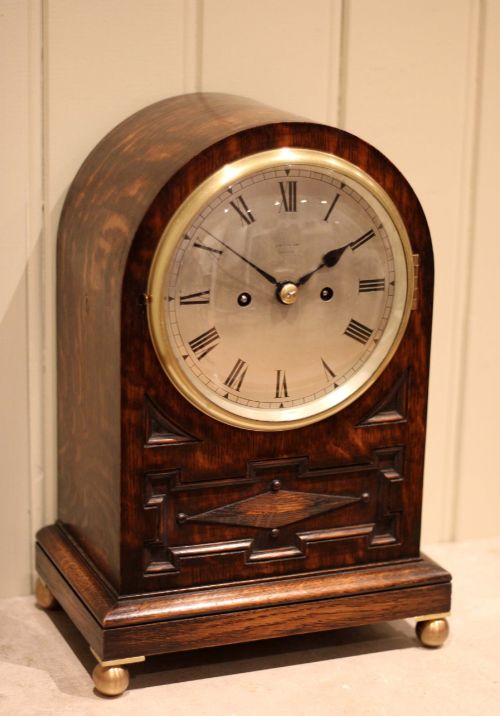
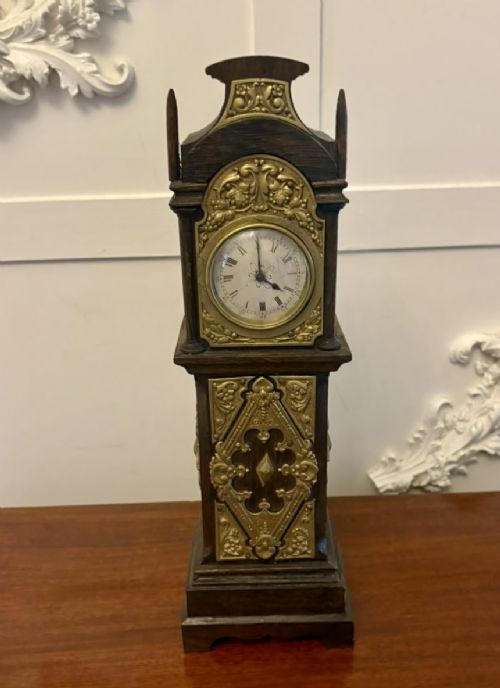
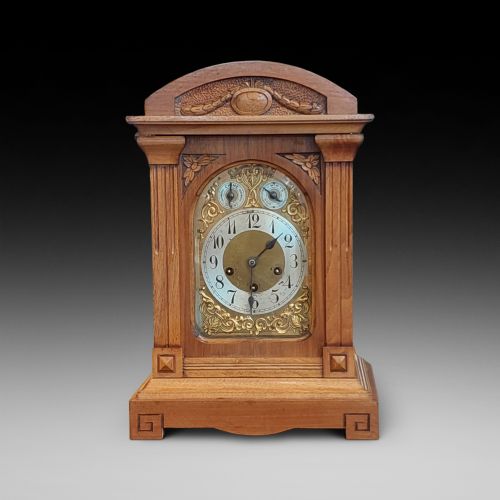
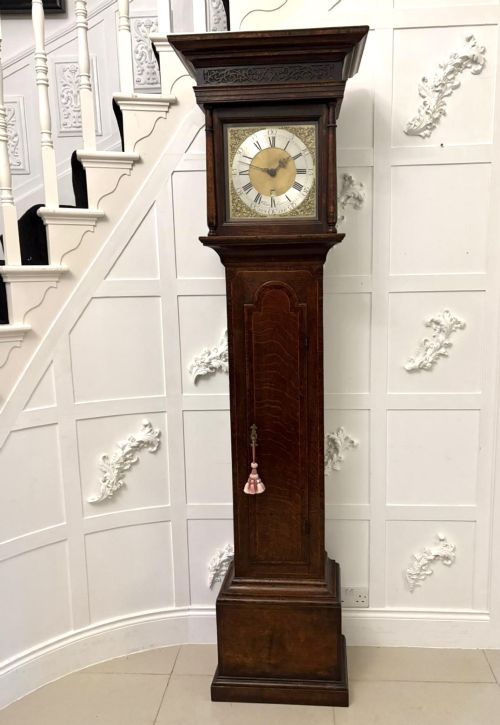
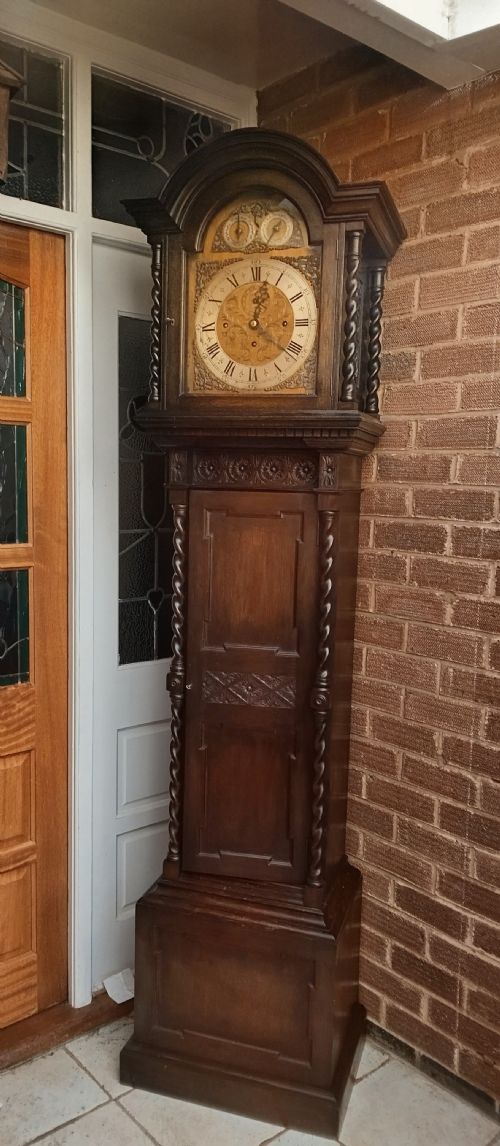
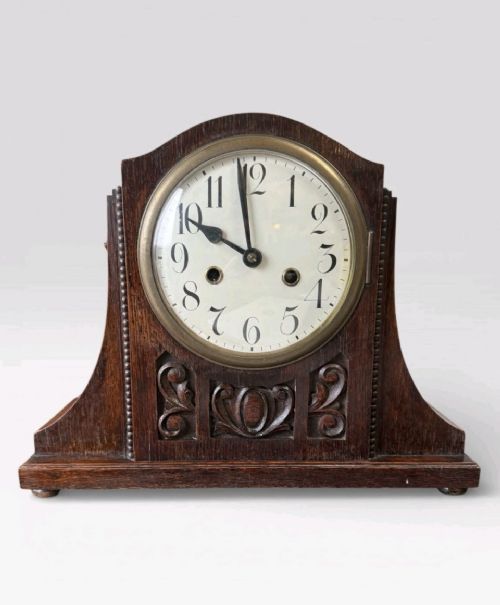
When you search for a carved dark oak clock, you encounter timepieces spanning several centuries of cabinetmaking and horology. The selection ranges from towering floor-standing longcase examples to compact mantelpieces and wall-mounted brackets.
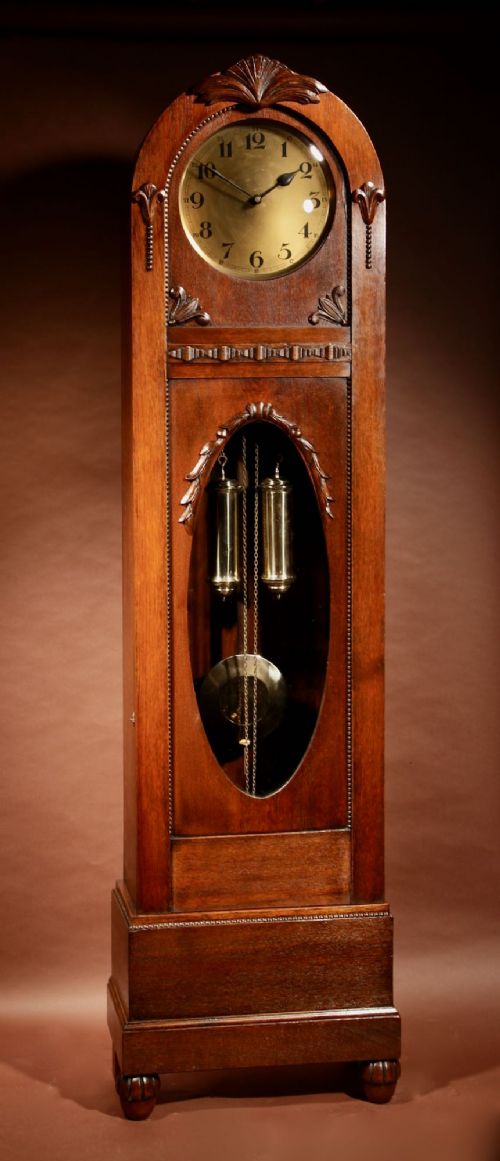
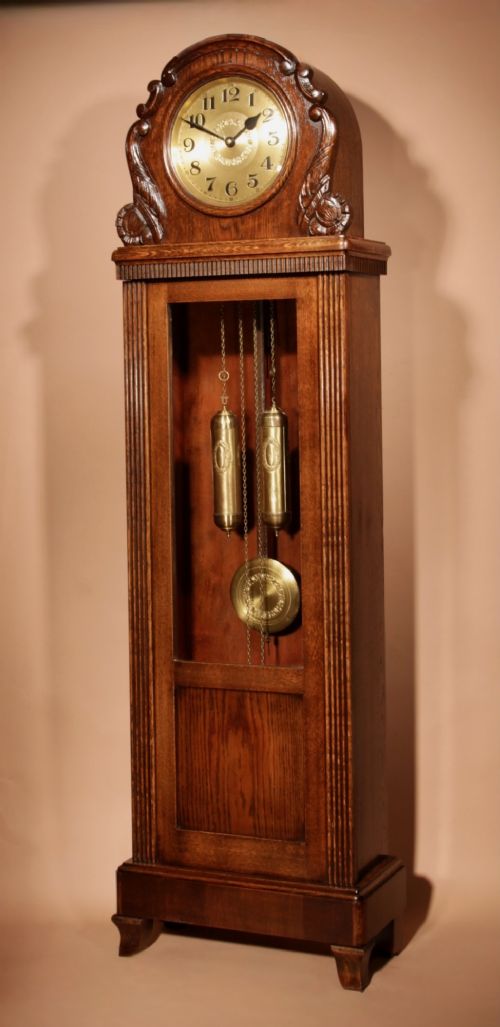
Grandfather and longcase formats dominate the older periods, frequently housing brass or enamel dials within architectural wooden cases. Smaller bracket and wall clocks appear alongside barometers, reflecting diverse domestic requirements from the Georgian era through to the Art Deco period.
How they were made
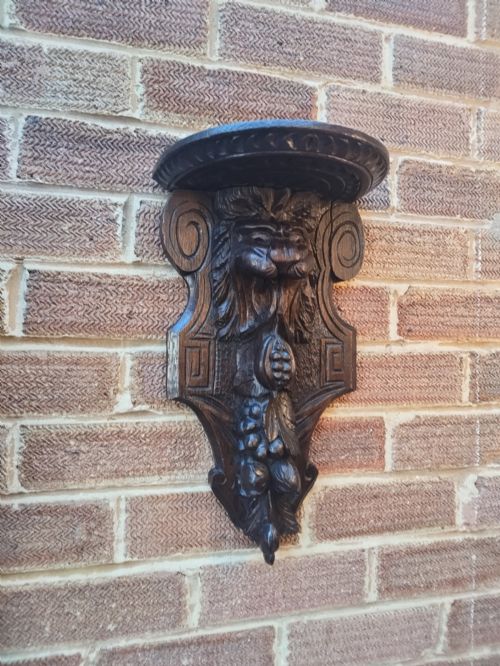
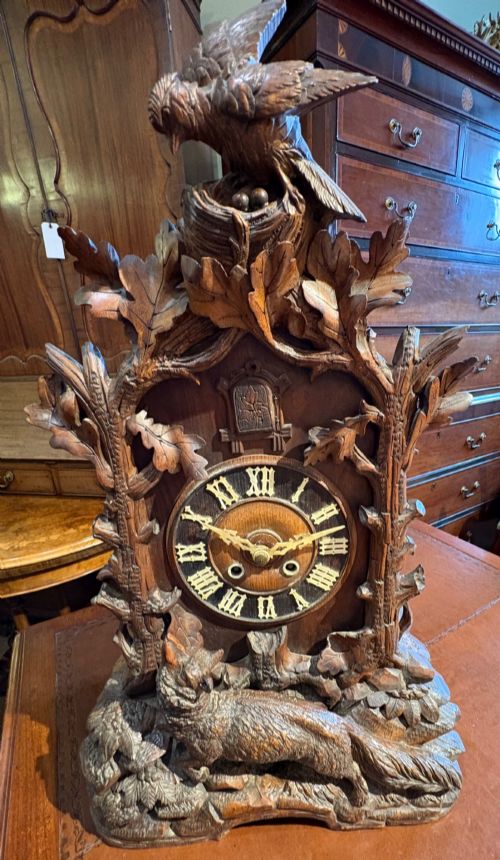
Cabinetmakers utilised durable oak timber, often combining it with walnut or burr oak veneers to construct the housings. Detailed ornamentation relies on hand-carved motifs, including lion masks and geometric patterns shaped directly into the wood.
Internal movements combine brass, glass, and steel components, featuring mechanical systems driven by weights, chains, or fusee springs. Dials incorporate engraved brass, painted enamel, or ceramic elements to display the time clearly.
Carved Dark Oak Clock Retail Price Guide 2026
Typical asking prices for carved dark oak clock among the pieces listed under this phrase on Sellingantiques today, from the lower quarter to the upper quarter. They describe what is for sale here now, not the wider market.
Materials recorded in current inventory include solid oak, walnut, brass, glass, enamel, and carved wood.
What varies in quality
The sophistication of the woodcarving sets finer examples apart from simpler production, distinguishing crisp, deep relief work from shallow machine cutting. The architectural proportions of the case and the integration of secondary timbers like walnut dictate overall visual balance.
Horological complexity also defines the tier of a piece, separating standard time-only movements from those incorporating quarter chiming, moon phases, or multiple musical trains. The preservation of original brass dials and maker signatures further elevates the standing of an item.
Müller-Schlenker·Richard Corless·James Hendrie·Winterhalder & Hofmeier·Mappin & Webb
The Carved Dark Oak Clock Glossary
- Fusee
- A conical pulley used in mechanical clocks to maintain even power delivery to the movement as the mainspring unwinds. This mechanism improves timekeeping accuracy across the duration of the wind.
- Bracket clock
- A portable timepiece originally designed to sit upon a wall bracket or table surface. Many examples feature arched tops and carrying handles.
- Longcase clock
- A tall, weight-driven pendulum clock housed within a tall wooden case that protects the weights and pendulum. These pieces are frequently referred to as grandfather clocks.
- Aneroid barometer
- A meteorological instrument that measures atmospheric pressure using a small, flexible metal box without liquid. These devices often share the carved wooden housings of contemporaneous wall clocks.
- Moon phase
- A dial complication that tracks the lunar cycle through a rotating disc showing the phases of the moon. This feature appears on select 18th century and Victorian longcase examples.
Carved Dark Oak Clock: Frequently Asked Questions
How do I wind a mechanical oak clock?
Most mechanical pieces utilise a key or hanging weights to tension the internal springs or raise the driving weights. Care must be taken not to overwind the movement.
Consult the specific requirements of the movement, as fusee and chiming trains require measured handling to preserve the internal brass gears.
Where should I place a longcase clock?
Longcase timepieces require a stable, level floor against a secure interior wall to ensure the pendulum swings evenly. Avoid areas subject to dampness or direct sunlight.
Maintaining a consistent room temperature helps protect the oak case from timber movement and keeps the mechanical brass components operating reliably.
How do I identify the period of an oak clock?
Dating relies on stylistic clues within the woodwork, such as Jacobean Revival motifs, Georgian architectural lines, or later Arts and Crafts and Art Deco symmetry. The construction methods of the case provide further context.
Dial materials, signature formats, and the complexity of the internal movement also point toward the era of manufacture, from the 18th century through the early 20th century.
What is a grandmother clock?
A grandmother clock is a smaller, more slender version of the traditional longcase clock, typically produced during the early 20th century. They offer the presence of a tall clock in a reduced scale.
These compact floor-standing pieces often feature chiming movements housed within carved oak cabinetry suited to smaller domestic spaces.