
Carved Column Stand
A carved column stand elevates an object or lights a room, drawing the eye upward with turned timber and sculpted detail.
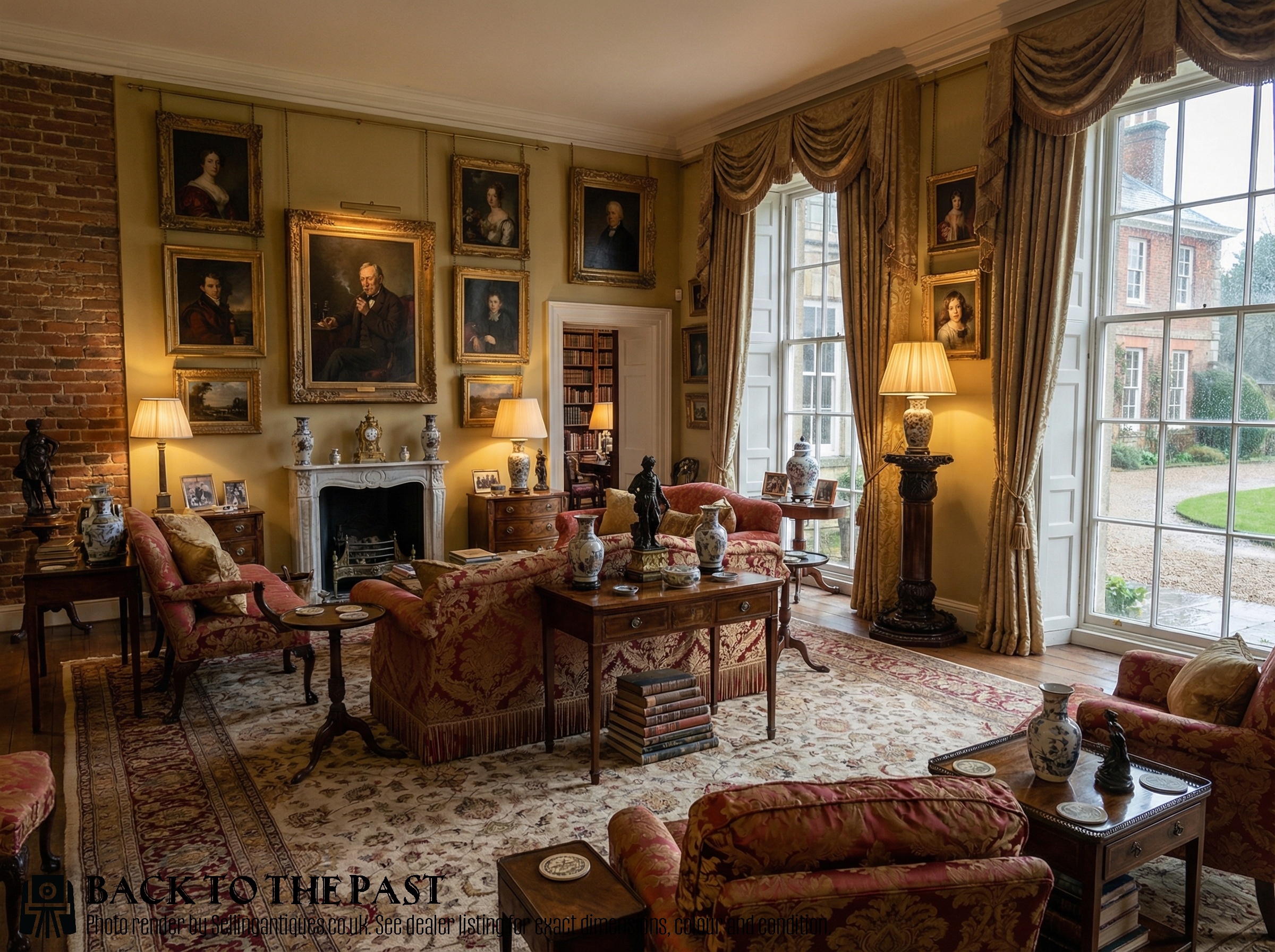
Carved Column Stand
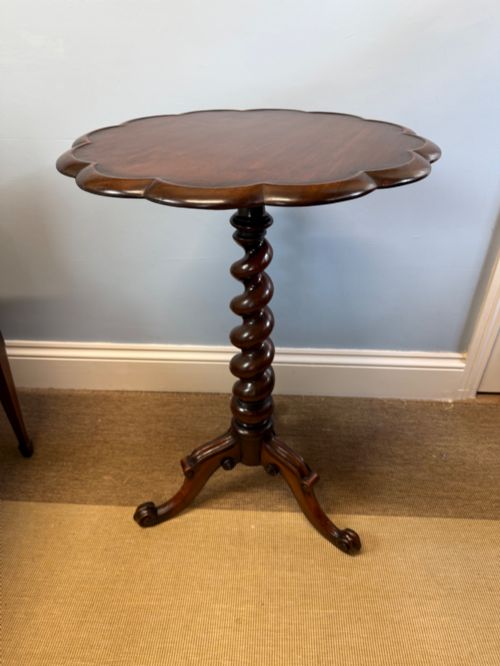
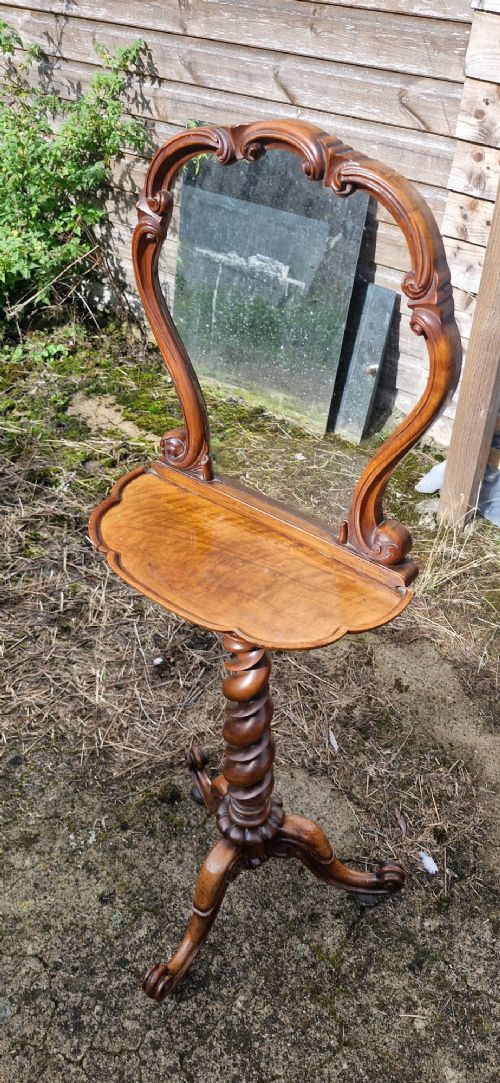
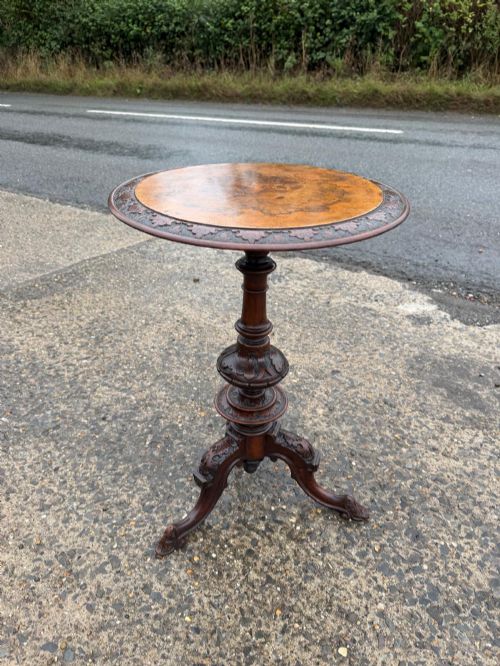
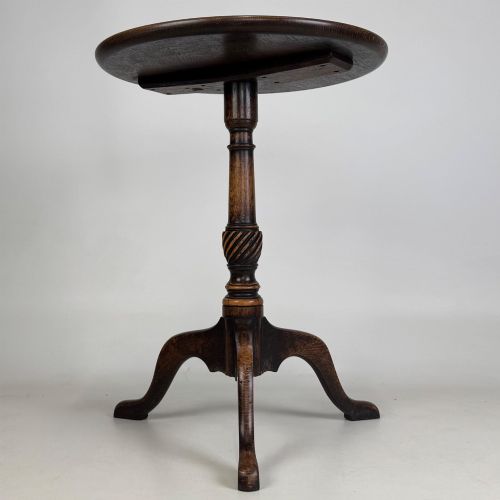
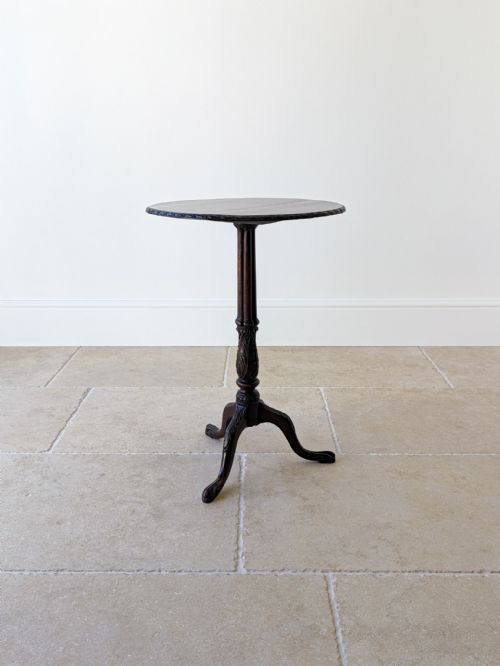
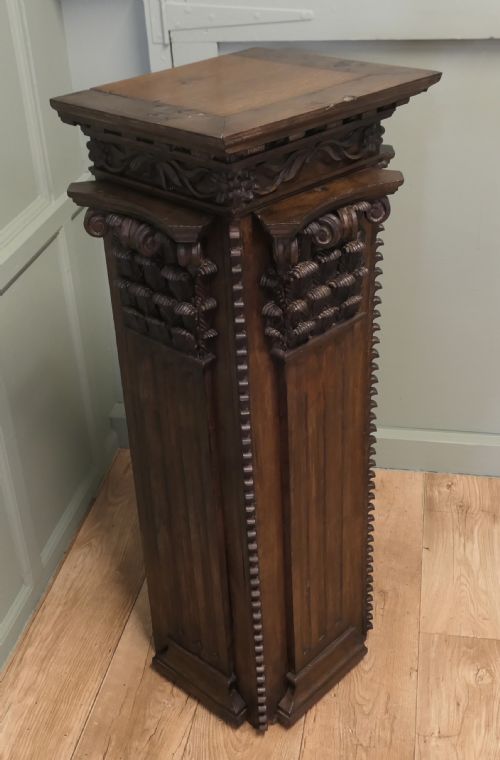
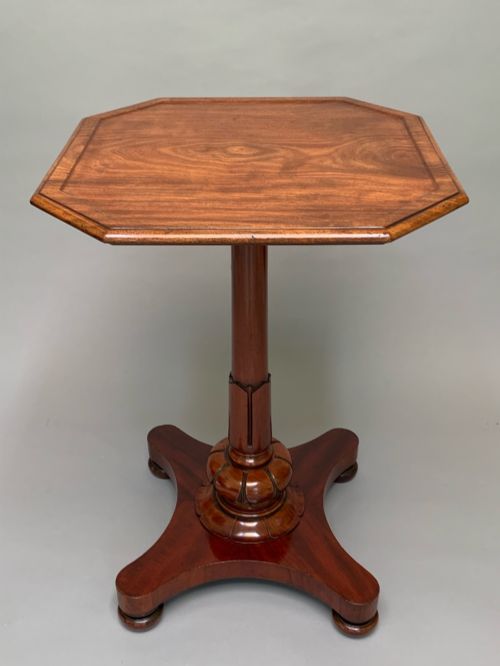
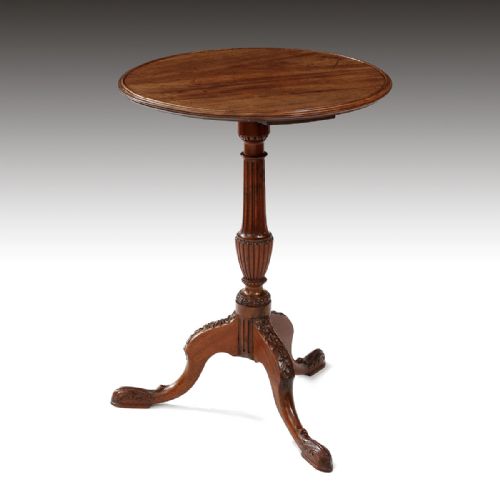
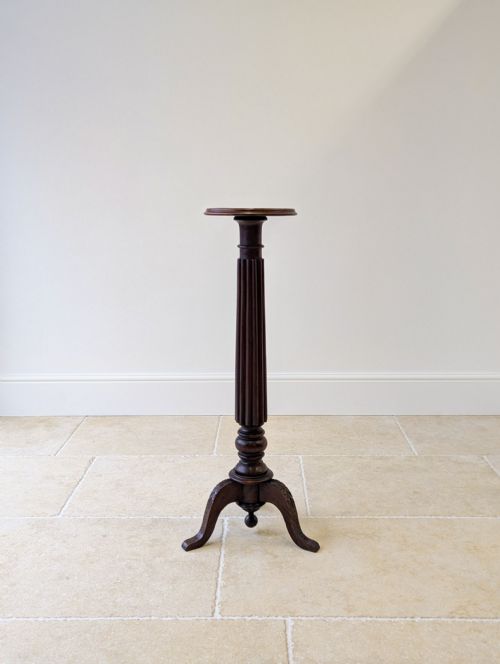
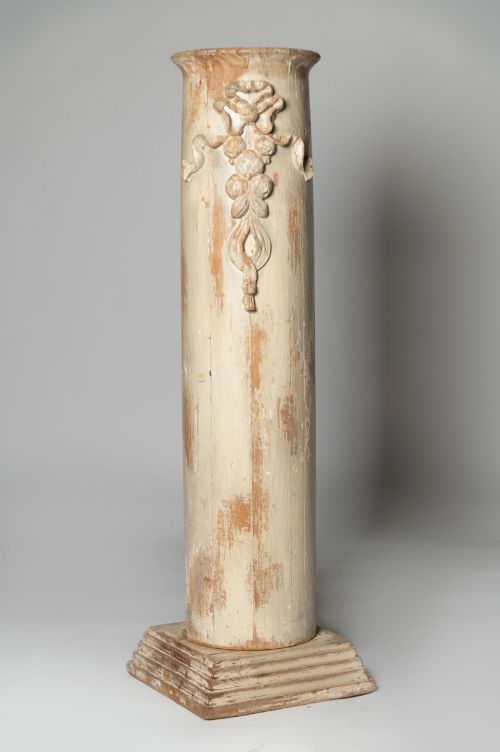
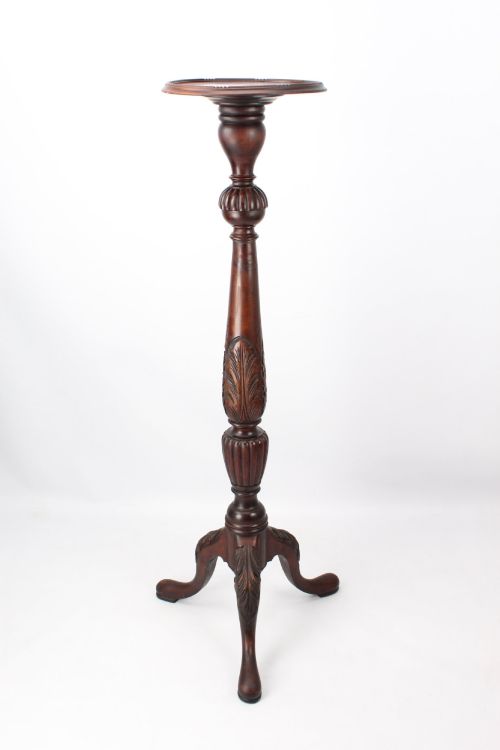
A carved column stand functions as a pedestal, torchiere, plant stand or small occasional table designed to elevate items within a room. These vertical supports emerge in forms ranging from tripod lamp tables and torcheres to sturdy display columns and plant stands.
Victorian and nineteenth-century examples dominate the offerings here, alongside pieces reaching back to the eighteenth century and forward into the Edwardian era. Makers utilise timber forms such as mahogany, oak and walnut, frequently pairing them with marble tops or brass fittings.
Materials and construction methods
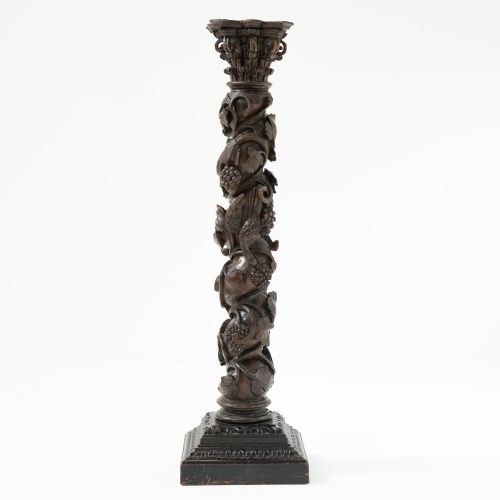
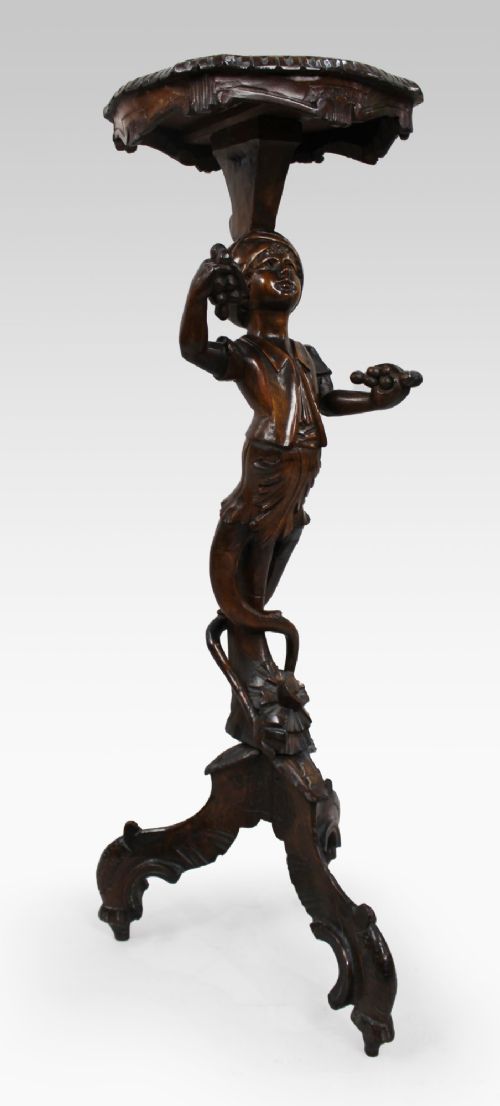
Timbers such as mahogany, oak, walnut and kingwood form the primary structural body of these pieces, shaped through traditional turning, joinery and hand-carving techniques. Cabinetmakers carved dense woods into intricate Solomonic twists, fluted columns and figural supports.
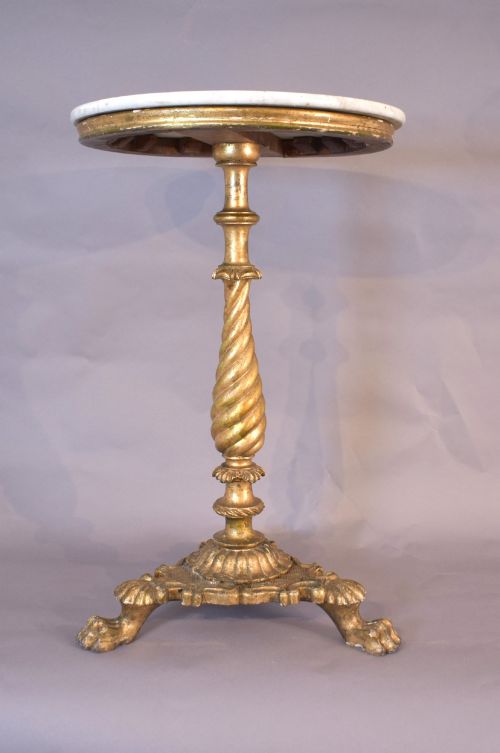
Surfaces often incorporate contrasting materials, including inset marble tops, glass elements, or ebonised and gilt finishes. Selected pieces retain original painted surfaces or burr wood veneers that highlight the grain of the wood.
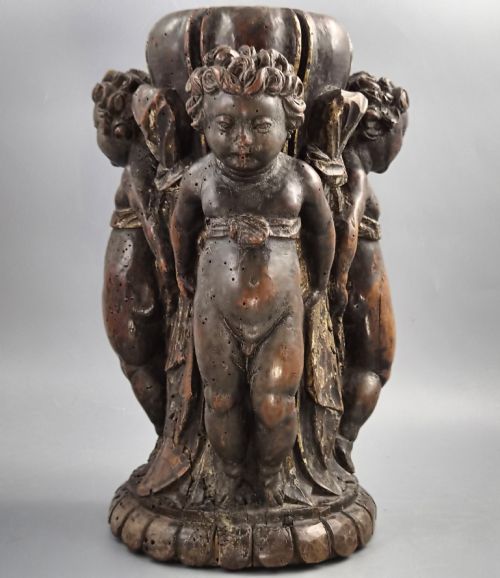
Carved wooden figures and putti double as silent companions, holding aloft torch brackets and display plates.
Judging quality and execution
Quality rests in the crispness of the hand-carved detail and the stability of the central column and base. Sharply defined foliage, figures or geometric twists distinguish superior cabinet work from mechanical production.
The choice of primary timber and secondary materials dictates the stature of the piece. Dense, well-figured mahogany, solid walnut, and integrated marble tops denote higher-tier execution compared to simpler secondary woods.
Gillow
The Carved Column Stand Glossary
- Torchiere
- A tall stand or floor light originally designed to hold a torch or candle. These pieces now frequently support lamps, plants or sculptural busts.
- Solomonic
- A helical or spiral twisted column shape resembling a corkscrew. This motif appears frequently on seventeenth and eighteenth-century supports.
- Tripod
- A base supported by three legs. This configuration provides stability for slender occasional tables and plant stands.
- Jardiniere
- An ornamental pot or stand for holding plants or flowers. These items often feature waterproof liners or raised platforms.
- Vernis Martin
- A type of fine furniture varnish developed in France to imitate Japanese lacquer. It appears on decorative pedestals and cabinet work.
Carved Column Stand: Frequently Asked Questions
How do I identify the period of a stand?
Dating relies on observing timber choices, turning styles, and surface treatments relative to established design eras like the Victorian or Georgian periods.
Heavier carved oak often points to earlier centuries or revival movements, while slender mahogany tripod bases frequently align with nineteenth-century production.
Are marble top stands fragile?
The marble inserts add considerable weight to the top of the column, which aids stability but requires care during relocation.
Owners should lift rather than drag these stands to protect both the stone surface and the supporting wooden frame from strain.
Can these stands support heavy lamps?
Most column stands handle standard table lamps or reading lights comfortably, provided the tripod or weighted base has a wide enough stance.
Tall torcheres and slender plant stands work best with balanced loads placed centrally over the vertical axis.