
Carved Column Pedestals
These carved column pedestals elevate sculptures, plants and lamps, bringing classical architectural presence and height to interior spaces.
Carved Column Pedestals
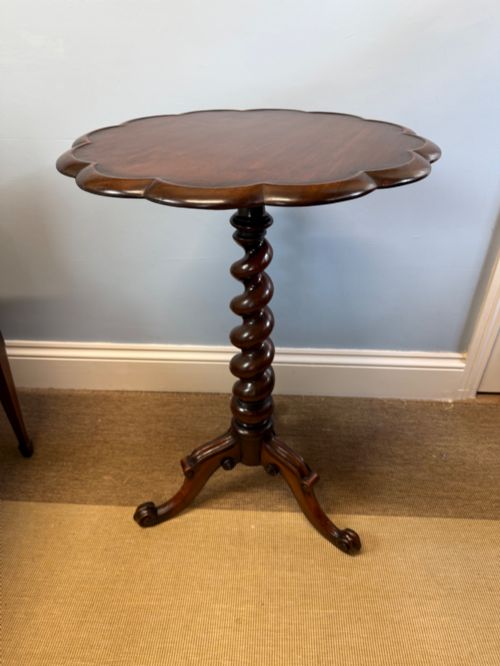
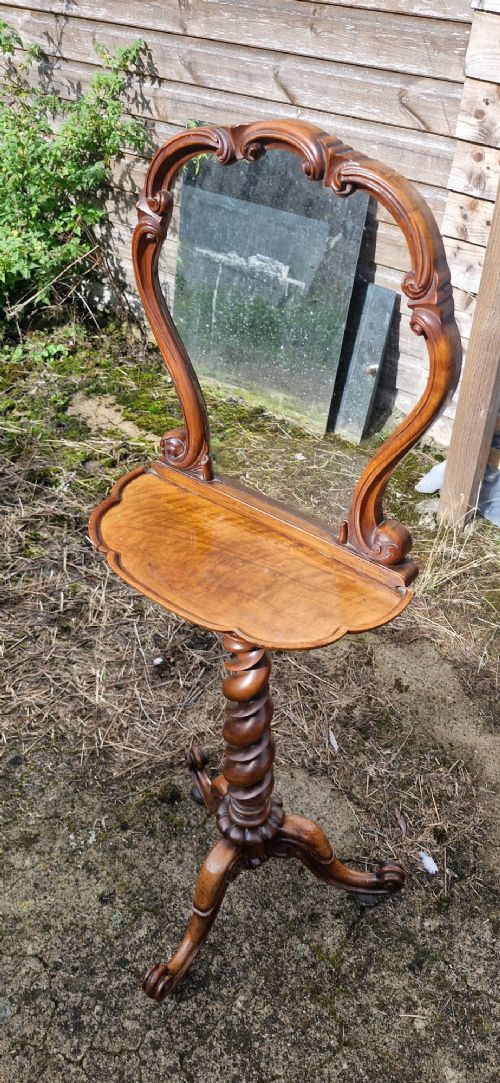
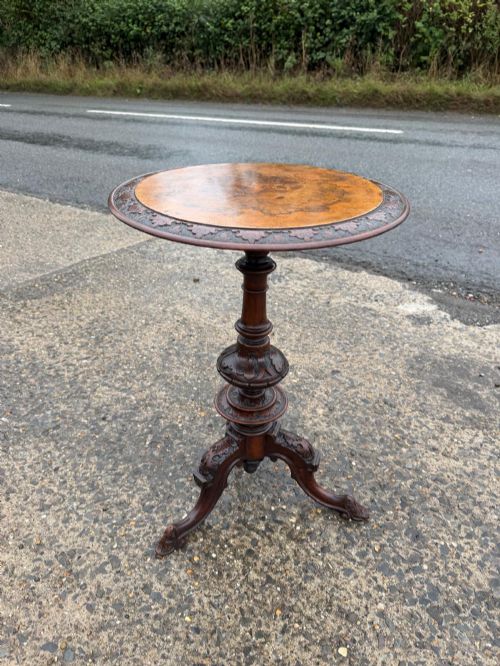
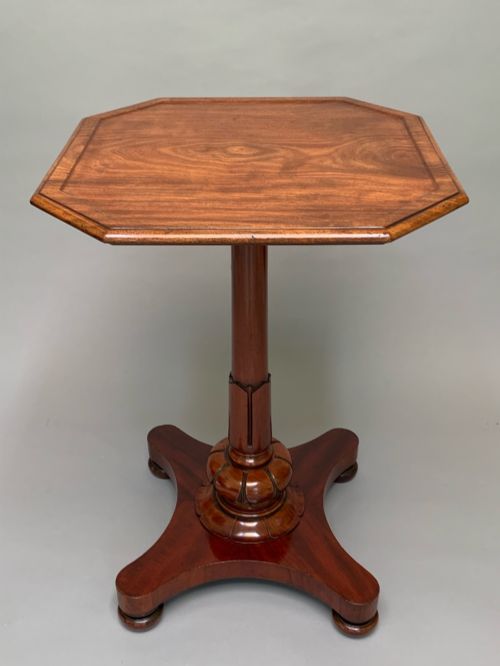
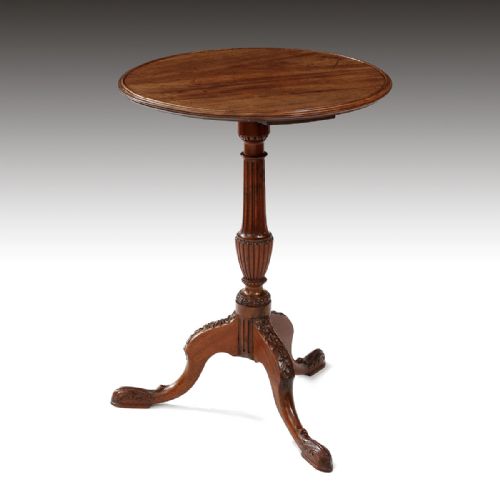
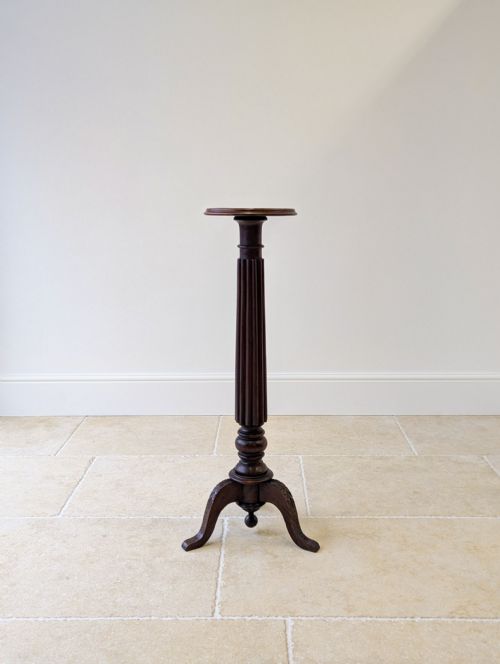
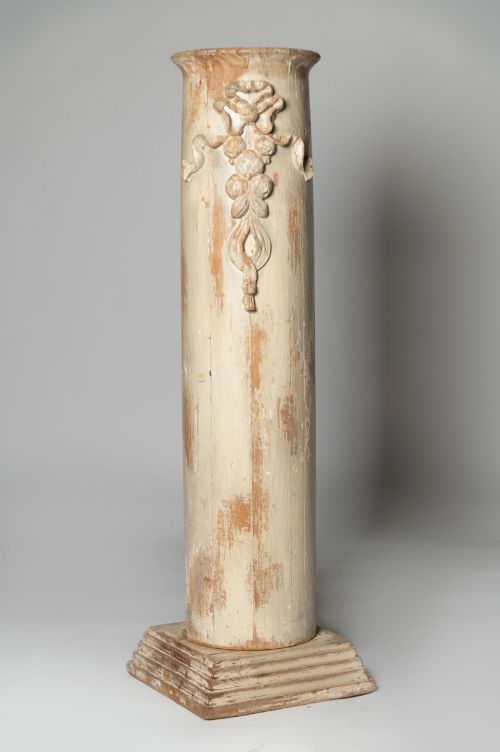
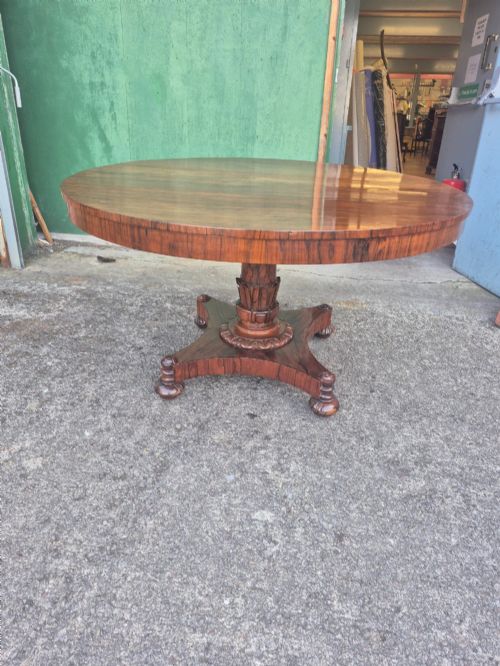
Carved column pedestals serve primarily as architectural display supports, taking the form of torcheres, plant stands and sculptural plinths. When searching this phrase, a buyer encounters everything from tall display pillars to compact occasional wine tables.
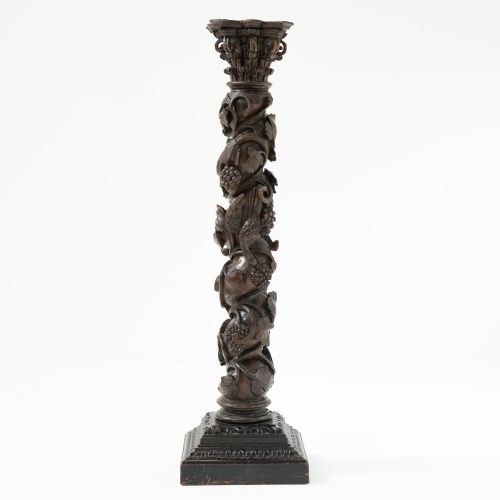
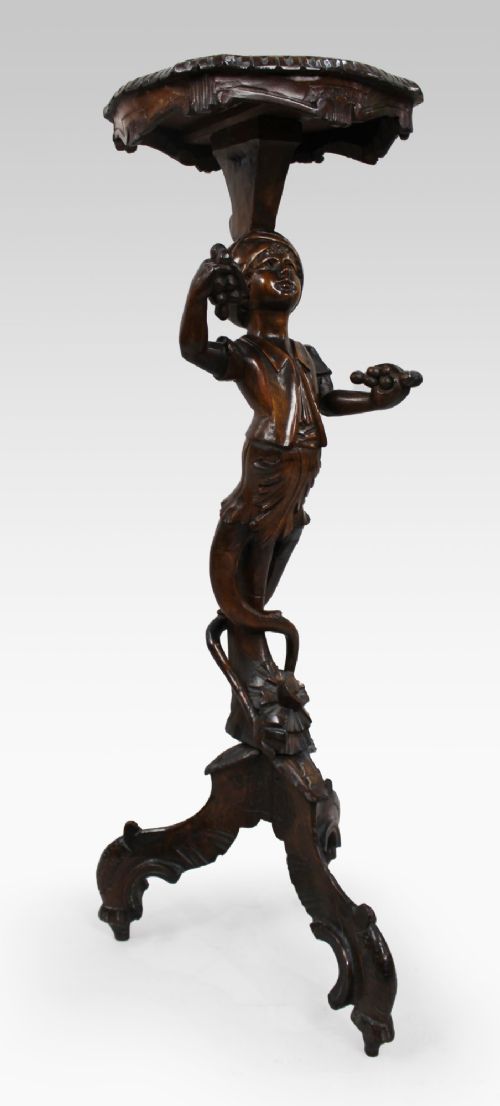
The selection on this page draws heavily from Victorian and nineteenth-century workshops, alongside earlier eighteenth-century examples and revival styles. Pieces range from slender Italian baroque walnut figures to substantial mahogany torchere columns.
How they were made
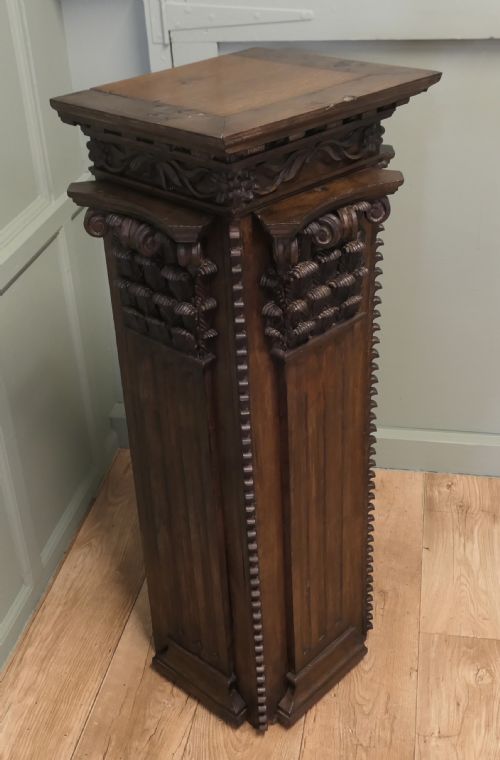
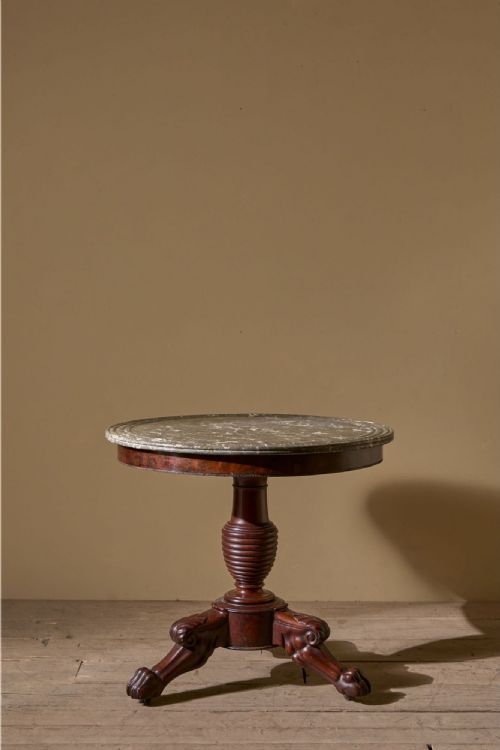
Construction relies heavily on dense timbers such as mahogany, walnut and oak, frequently turned on a lathe and hand-carved with classical motifs. Many pieces incorporate contrasting materials, pairing carved wooden bases with inset marble tops or glass elements.
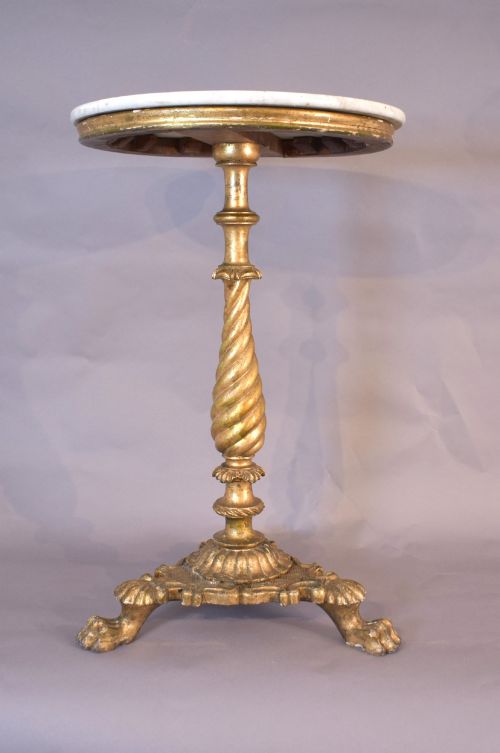
Surface finishes vary from polished wood and ebonised treatments to original green paint and gilt wood highlights. Structural support often utilises sturdy tripod bases or heavy plinths to ensure stability for heavy statuary and planters.
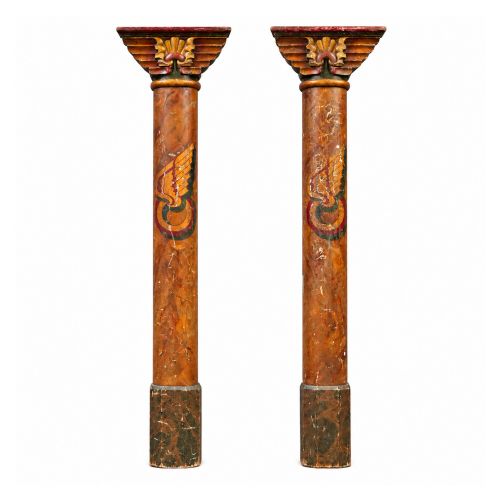
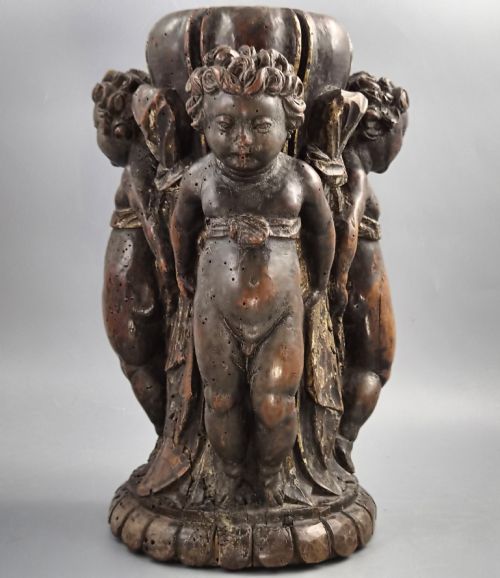
One unexpected column comes straight from a nineteenth-century English fairground carousel.
What varies in quality
Quality rests on the depth and crispness of the hand-carving, distinguishing spirited figurative or foliate detail from mechanical output. The choice of timber also dictates standard, with figured burr wood tops and dense marbles lifting a piece above standard utility items.
Proportion and structural integrity define the upper tier, ensuring that tall torcheres and plant stands remain stable under weight. Original surface treatments and untouched patination further separate ordinary examples from exceptional specimens.
Gillow
The Carved Column Pedestals Glossary
- Torchiere
- A tall stand or pedestal originally designed to hold a torch or candle, later adapted for lamps and floral displays. These pieces often feature slender columns supported by tripod bases.
- Solomonic
- A helical or spiral twist column shape inspired by the twisted columns of ancient Rome. This distinctive carving style creates dynamic movement along the shaft.
- Gueridon
- A small French table or stand, frequently mounted with a marble top and supported by a central pillar. These functional pieces served various domestic purposes in nineteenth-century interiors.
- Tripod
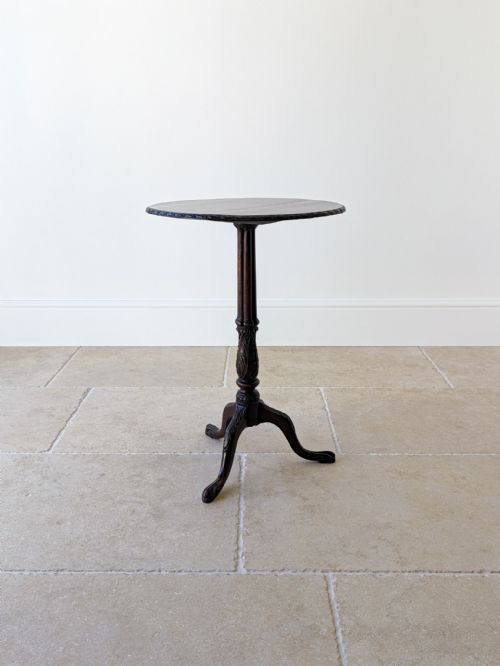
- A three-legged base configuration providing stable support for slender columns and display tables. This construction method appears frequently on nineteenth-century lamp and wine tables.
Carved Column Pedestals: Frequently Asked Questions
What were carved column pedestals used for?
These pieces functioned primarily as elevated display surfaces for sculpture, decorative urns, and indoor plants within domestic interiors. Tall torcheres also provided targeted illumination by holding candles or oil lamps.
Over time, homeowners adapted these architectural supports to serve as plant stands or specialised wine and lamp tables alongside seating areas.
How do I style a pedestal in a modern room?
Place a single tall column in an empty corner to add vertical interest and architectural weight to a room. Top the piece with a contemporary sculpture, a trailing plant, or a ceramic vessel.
Ensure the finish of the wood or marble complements existing furniture while creating a distinct focal point through elevation.
How can I tell the period of a pedestal?
Examine the timber selection, turning methods, and carved decorative motifs to determine the likely era of manufacture. Nineteenth-century pieces frequently display revival styles such as Chippendale or Italian Baroque influences.
Tool marks, construction joints, and the natural ageing of the wood or paint surface offer further clues regarding age and origin.
Are these pedestals stable enough for heavy items?
Most columns with tripod bases or weighted plinths provide reliable stability for standard lamps, plants, and moderate stone or bronze sculptures. The overall weight distribution depends on the breadth of the base relative to the height.
Heavier marble-topped variants offer a lower centre of gravity, making them well-suited for supporting substantial decorative objects safely.