





Golden Birch Pedestals
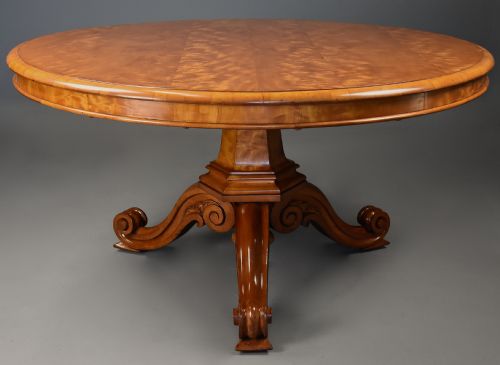
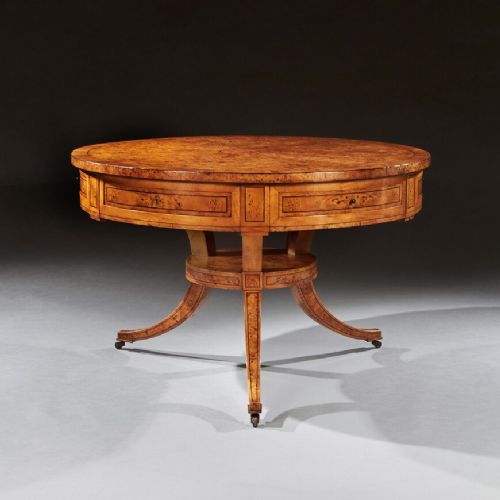
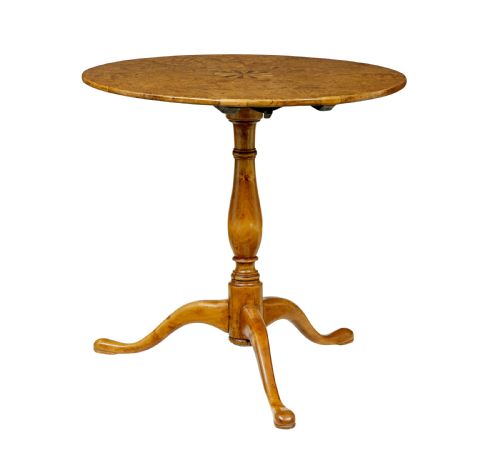
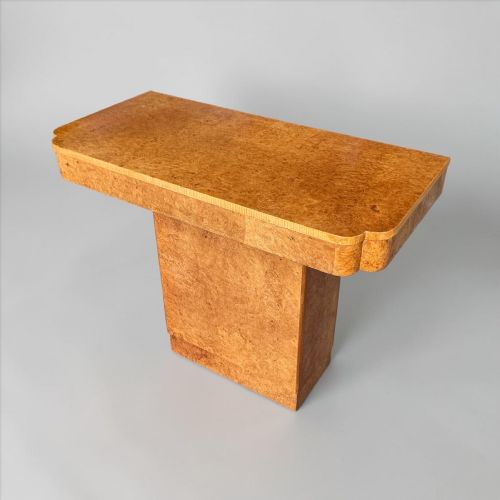
Golden birch pedestals are warm-toned wooden supports and tables, sought after for their pale figured grain and striking presence in a room.
Golden Birch Pedestals
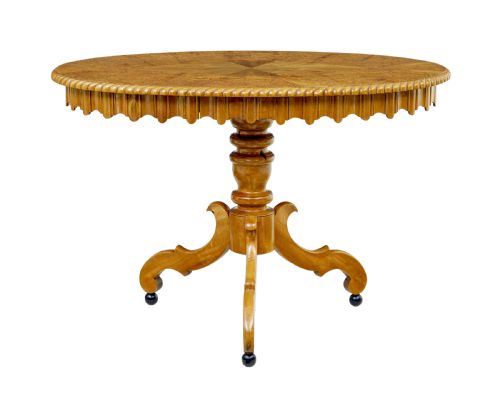
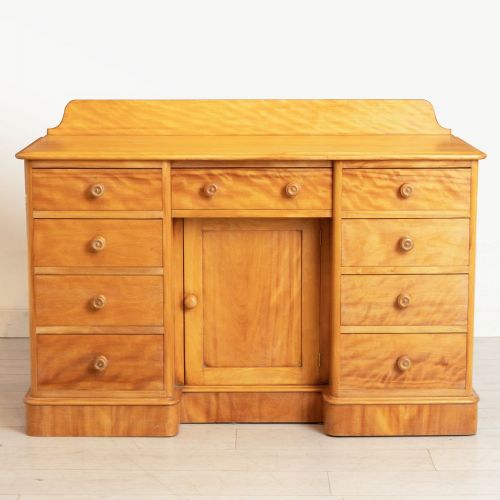
Golden birch pedestals encompass tables and stands made from various forms of birch wood, frequently appearing as nineteenth-century pieces alongside twentieth-century designs. Buyers hunting for golden birch pedestals will encounter occasional tables, centre tables, and side tables produced across different European workshops.
The material grouping spans standard birch alongside satin birch, burr birch, and flame birch varieties. These timbers create honey-coloured surfaces with distinctive grain patterns that define the aesthetic of the group.
Origin points divide broadly between British Victorian cabinetmaking and Scandinavian output, particularly Swedish Biedermeier and Art Deco movements. Swedish pieces often utilise burr figure and rich contrast timber details.
How they were made
Cabinetmakers constructed these pieces using solid birch timber or by applying carefully matched veneers over secondary woods to display the figured grain. Burr birch and flame birch sections were selected for visual impact on prominent tabletops and drawer fronts.
Surface enhancement often involved contrasting ebonised wood details or precise inlay work to accentuate the pale golden ground. Brass mounts or ormolu details occasionally decorated Biedermeier and Empire Revival pieces.
Construction techniques balanced structural stability with decorative display, utilising tripod bases, pedestal columns, and solid carcases designed to withstand daily use.
Golden Birch Pedestals Retail Price Guide 2026
Typical asking prices for golden birch pedestals among the pieces listed under this phrase on Sellingantiques today, from the lower quarter to the upper quarter. They describe what is for sale here now, not the wider market.
The inventory records nineteenth-century periods alongside 1930s Art Deco items, constructed in birch, satin birch, burr birch, and ebonised wood.
What varies in quality
The distinction between ordinary and exceptional pieces rests upon the selection and matching of the birch veneer. Superior examples display symmetrical burr patterns and rich figuring that catch the light evenly across the surface.
Execution of secondary details, such as inlaid banding, crisp carving, and the integration of ebonised elements, separates standard workshop production from finer studio output. The depth of the finish and the preservation of the original golden tone dictate visual success.
The Golden Birch Pedestals Glossary
- Burr birch
- A growth deformity in the tree that produces intricate, swirling grain patterns. It is sliced into veneer to create decorative surfaces on furniture.
- Satin birch
- A term used to describe birch timber with a lustrous, light-reflective grain that resembles satin. It gained popularity during the Victorian period for bedroom and library furniture.
- Biedermeier
- A Central European design style spanning the nineteenth century, characterised by clean lines, restrained ornamentation, and figured wood veneers. It prioritised utility and comfort alongside elegance.
- Ormolu
- Gilded bronze applied as mounts, feet, or decorative highlights on furniture. It provides a bright metallic contrast against dark or golden wood surfaces.
- Ebonised wood
- Timber treated with a dark stain or finish to imitate ebony. It was frequently used to create sharp visual borders on birch furniture.
Golden Birch Pedestals: Frequently Asked Questions
What is satin birch?
Satin birch is a timber choice known for its pale, reflective surface and silky appearance. It was widely utilised by nineteenth-century British and Scandinavian cabinetmakers for desks and tables.
The wood takes a high polish, which accentuates the natural golden colouration of the grain without heavy staining.
How do I clean golden birch?
Dust surfaces regularly with a soft, dry cloth to prevent dirt accumulation. Avoid harsh chemical cleaners that can strip the traditional polish.
Wax polish applied sparingly maintains the lustre of the wood and protects the vintage finish from drying out over time.
Are these pieces Scandinavian or British?
The selection includes both origins, with distinct regional characteristics. Swedish pieces frequently feature Biedermeier or Art Deco styling in burr birch.
Victorian items from British makers often utilise satin birch in pedestal desks and occasional tables with turned supports.
What distinguishes Biedermeier birch furniture?
Biedermeier design focuses on architectural simplicity and the natural beauty of wood veneers. Craftsmen avoided excessive carving, letting the figured grain provide the primary decoration.
These pieces often display warm golden tones paired with dark ebonised framing details.