
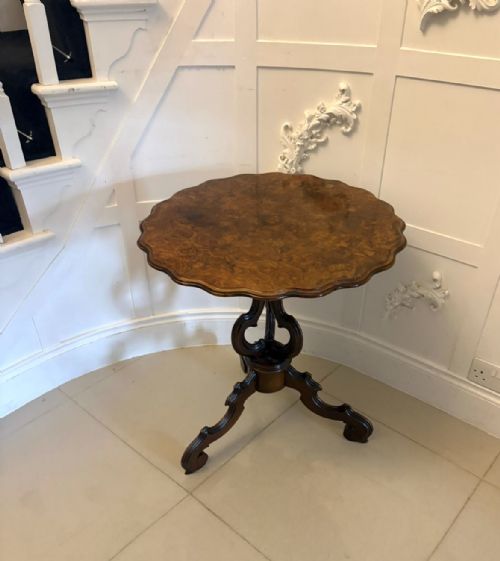
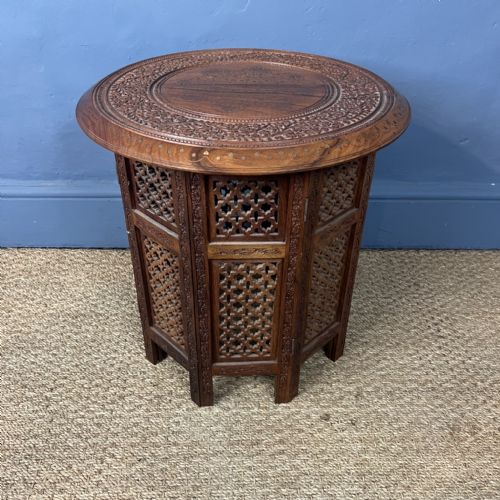
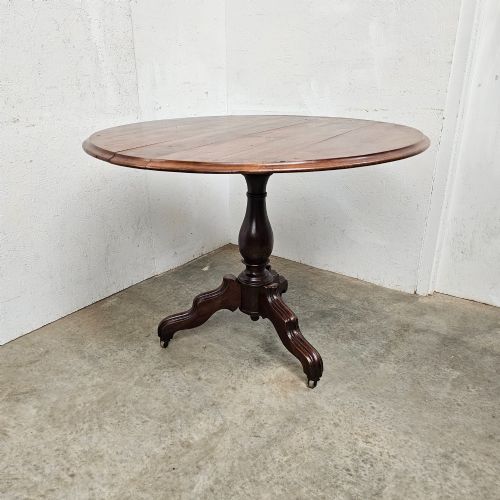


Carved Circular Tea Table
A carved circular tea table brings compact surface space and centuries of skilled woodwork into a room.
Carved Circular Tea Table
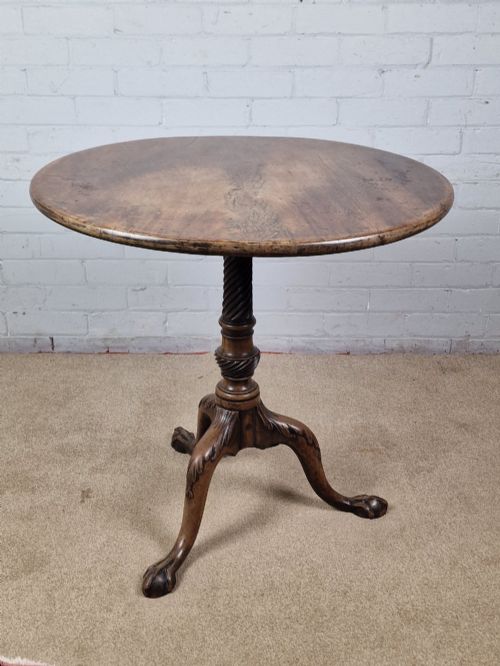
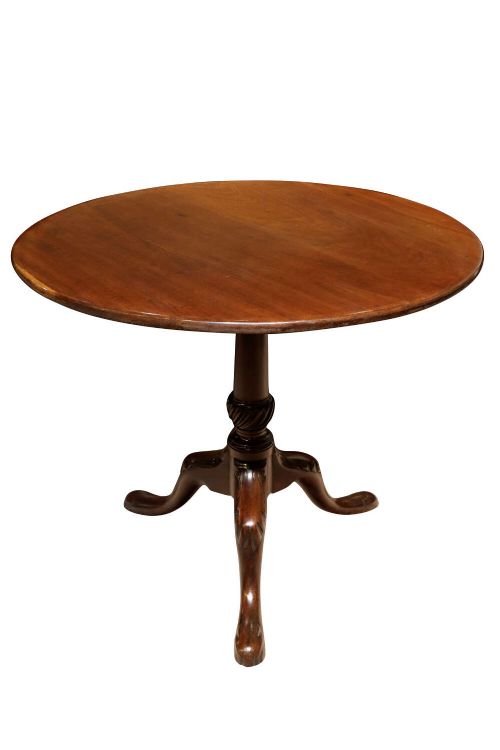
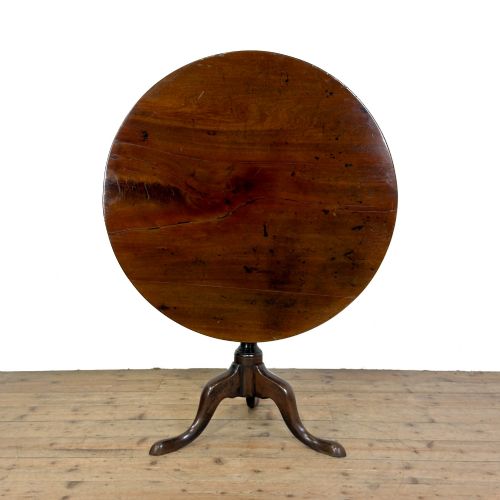
A carved circular tea table represents a specialised form of domestic furniture designed for social entertaining and display across British, European and colonial workshops. Buyers seeking this phrase encounter versatile tripod bases, pedestal supports and low coffee variants originating from the Georgian period through to the 1930s.
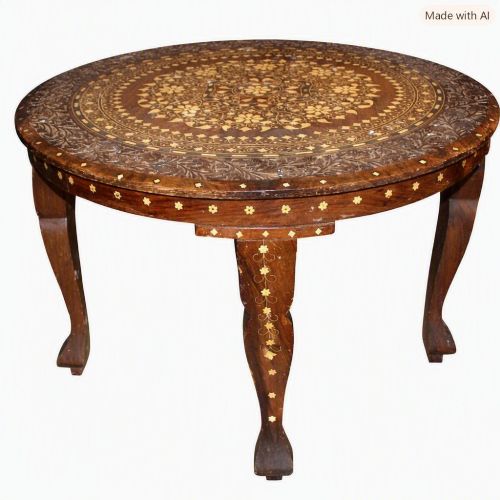
The pieces appearing on this page span diverse stylistic revivals and regional traditions, including Anglo-Indian production, Chinese export work and English cabinetmaking. Standard forms function as occasional tables, wine tables or tilt-top tea tables intended to occupy corners or central spaces in reception rooms.
Meticulous surface carving defines the category, appearing alongside inlaid bone, brass or simpler moulded edges. Buyers select these tables for their manageable footprint and the distinct character imparted by period timbers like mahogany, walnut and teak.
Distinctions in Quality
Quality in a carved circular tea table rests upon the crispness of the hand-carved detail and the selection of timber figure. Superior examples display deep, sharply defined carving on the pillar and legs without softening, whereas lesser pieces show shallow, mechanical tooling.
The structural integrity of the tilt-top mechanism and the snugness of the tripod joint dictate the physical longevity of the table. Tables retaining their original surface patination and unwarped timber tops command greater respect among collectors than heavily refinished pieces.
Certain antique tables feature carved elephant trunk supports beneath the top, adding unexpected wildlife to the tea service.
Liberty & Co
The Carved Circular Tea Table Glossary
- Tilt-top table
- A table featuring a hinged top that pivots vertically to allow compact storage against a wall when not in use. This mechanism relies on a birdcage or catch assembly beneath the surface.
- Tripod base
- A support structure comprising three legs radiating from a central pillar. It provides stable footing on uneven historical floorboards.
- Pie crust edge
- A raised, decoratively carved rim shaped in undulating curves resembling pastry work. Cabinetmakers shaped this directly from the solid timber of the table top.
- Snap-top
- An alternative term for a tilt-top table utilising a spring-loaded metal catch to lock the horizontal surface securely in place. It prevents accidental tipping during use.
- Teapoy
- A small pedestal table or box designed specifically to hold tea caddies and brewing equipment. Victorian examples often incorporated interior compartments for tea storage.
Carved Circular Tea Table: Frequently Asked Questions
What were carved circular tea tables used for?
These tables served primarily for serving tea, holding porcelain and displaying decorative objects in domestic drawing rooms during the eighteenth and nineteenth centuries.
Tilt-top variants allowed owners to fold the surface upright and push the furniture against the wall to clear floor space for other activities.
How do I distinguish Georgian tables from later reproductions?
Early pieces from the Georgian era display hand-cut joinery marks, native timber ageing and subtle tool inconsistencies absent in mass-produced twentieth-century revivals.
Examining the underside of the top and the peg construction within the tripod base reveals the age of the assembly.
Are Anglo-Indian tables common in this category?
Anglo-Indian production forms a distinct segment of the listings, typically utilising dense teak or padouk carved with floral motifs or figural supports.
These pieces reflect colonial trade and craftsmanship from regions such as Bombay, frequently combining British furniture forms with local carving traditions.
How should I care for a burr walnut surface?
Burr walnut veneers require stable indoor humidity away from direct sunlight and heat sources to prevent timber shrinkage and veneer lifting.
Routine maintenance involves gentle dusting with a dry cloth and occasional application of appropriate furniture wax to preserve the polish.