


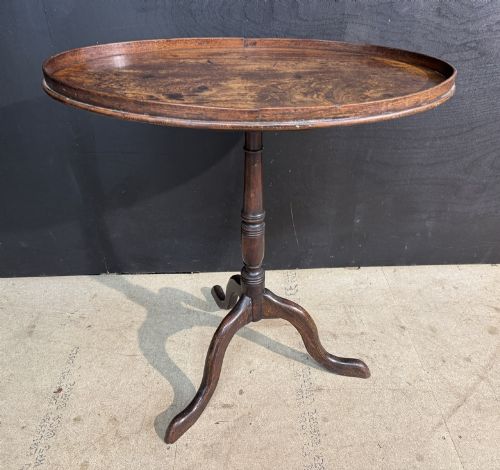
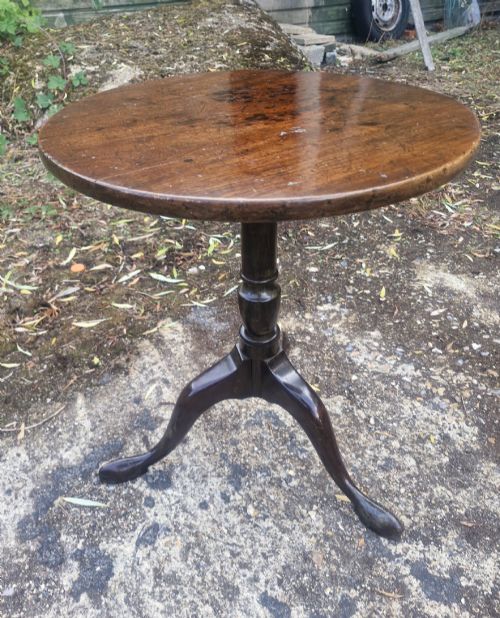
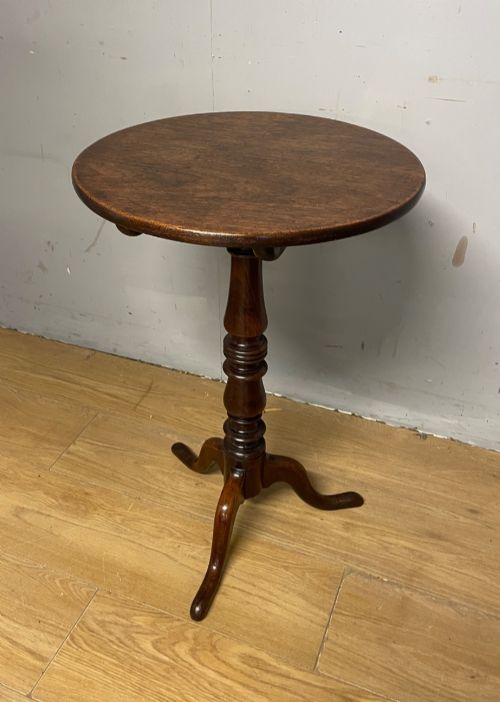
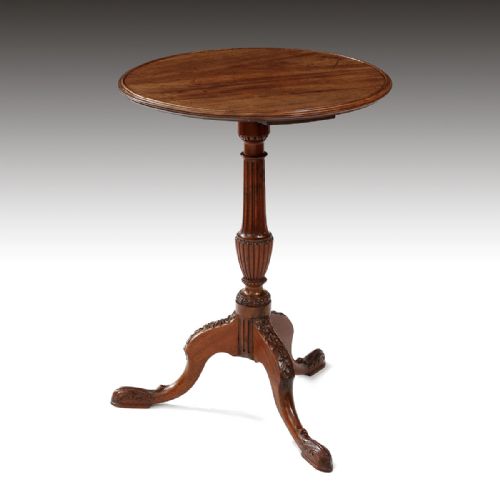
Dark Wood Circular Table
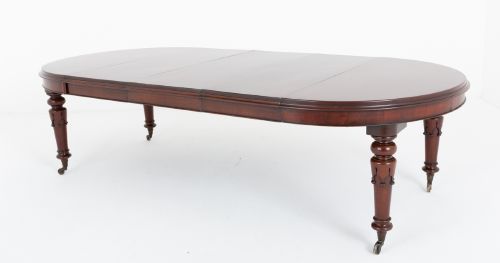
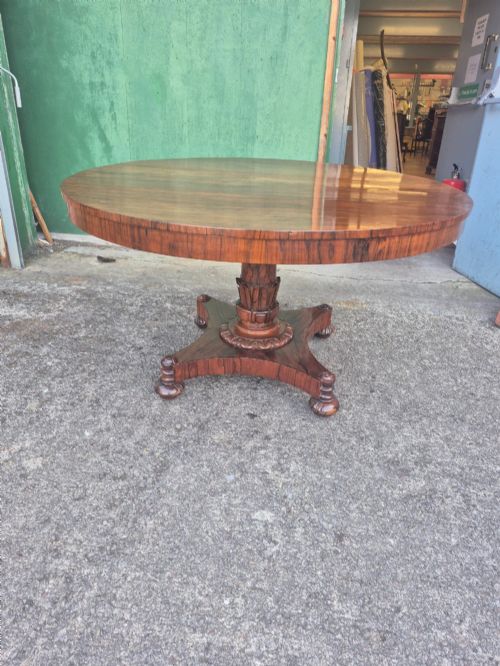
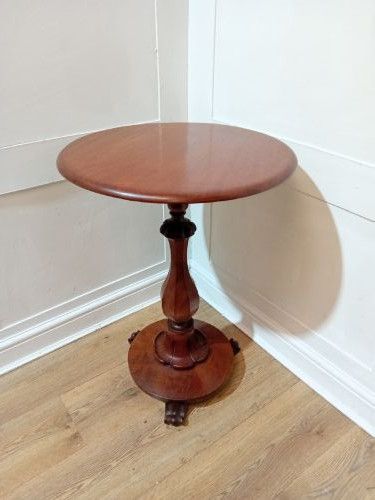
A dark wood circular table brings warmth and proportion to a room, offering a sociable surface shaped by centuries of cabinet making.
Dark Wood Circular Table
When searching for a dark wood circular table, buyers encounter a diverse selection ranging from compact occasional pieces to large dining formats. The inventory spans several notable eras, including the Georgian, Regency, and Victorian periods, alongside Edwardian examples.
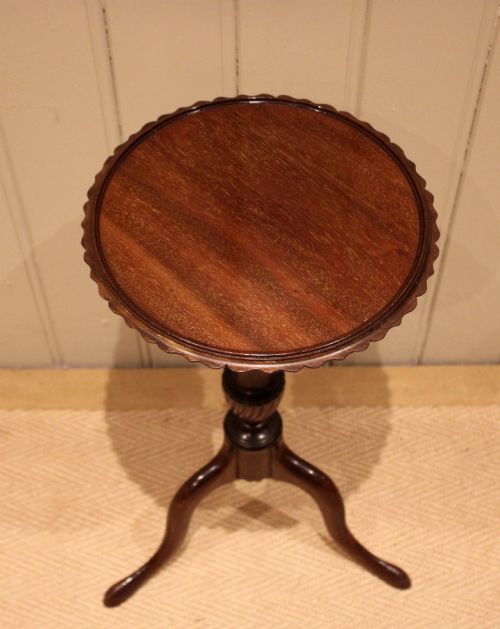
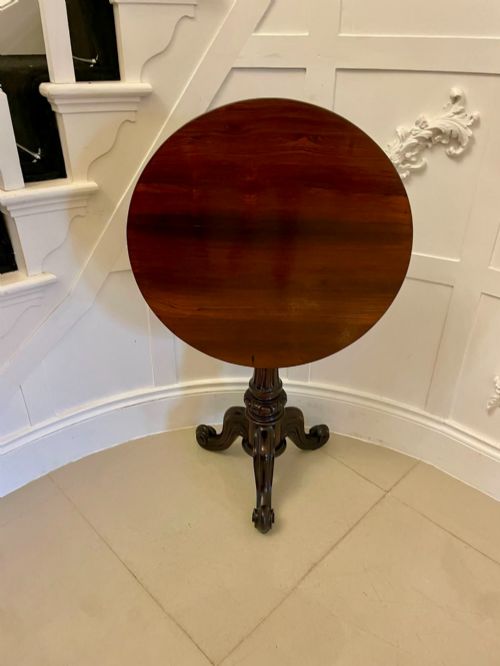
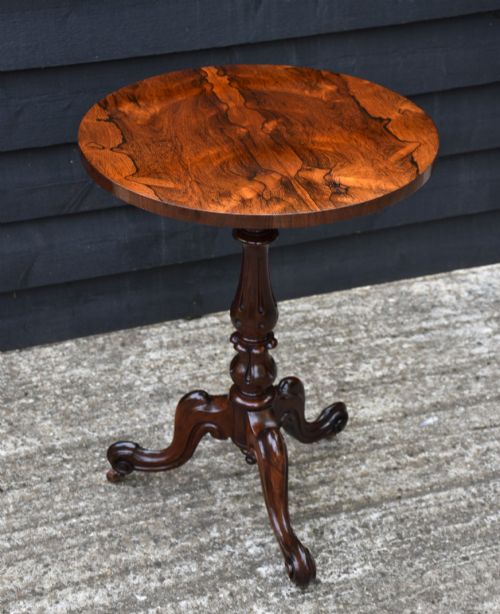
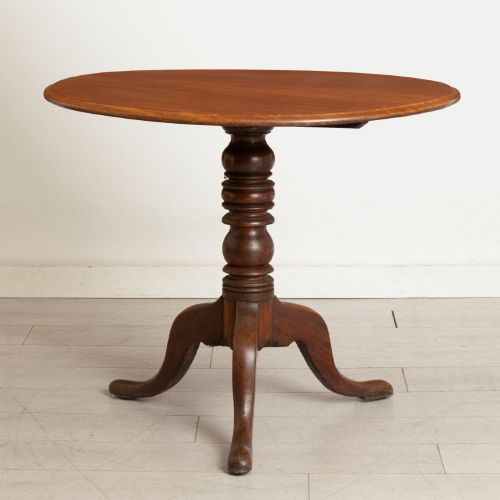
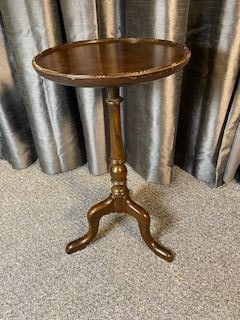
The form varies widely according to its original domestic function. Occasional tables, wine tables, and tilt-top tripod pieces appear frequently alongside grander centre tables and breakfast tables designed for central placement in a room.
Woods such as mahogany and rosewood dominate the selection, often complemented by regional variations involving oak, walnut, and elm. Buyers frequently meet pieces featuring a central pedestal base, tripod legs, or birdcage mechanisms.
How they were made
Cabinet makers utilised dense timbers like mahogany, rosewood, and ebony, valued for their deep natural tones and ability to take a fine polish. Secondary woods and structural supports often incorporated oak or elm.
Joinery techniques relied on traditional methods such as tilt-top mechanisms, birdcage supports, and sturdy tripod pedestals. Inlays of bone and brass occasionally added decorative contrast to the dark timber surfaces.
Dark Wood Circular Table Retail Price Guide 2026
Typical asking prices for dark wood circular table among the pieces listed under this phrase on Sellingantiques today, from the lower quarter to the upper quarter. They describe what is for sale here now, not the wider market.
Listings feature woods such as mahogany, rosewood, oak, walnut, and calamander across centuries of production.
What varies in quality
Quality rests upon the selection of timber grain, the crispness of carved details, and the stability of the structural joinery. Finer pieces demonstrate careful timber matching and sophisticated mechanisms like secret drawers or balanced birdcage pivots.
Proportion and execution distinguish standard utilitarian furniture from exceptional cabinet work. The refinement of the pedestal base and the integrity of the original polish significantly influence the standing of each piece.
Gillow·Liberty and Co
The Dark Wood Circular Table Glossary
- Tilt-top table
- A table with a tabletop that hinges vertically to allow compact storage against a wall when not in use. This mechanism was popular on tripod wine and occasional tables.
- Birdcage
- A revolving wooden framework beneath the tabletop that allows the surface to both rotate and tilt. It is typically found on finer Georgian tripod tables.
- Triform base
- A three-sided pedestal support common on Regency and William IV tables. It usually rests on scroll feet or castors.
- Centre table
- A freestanding table finished on all sides, designed to stand in the middle of a room rather than against a wall. These often served decorative or functional roles in Victorian interiors.
- Demi-lune
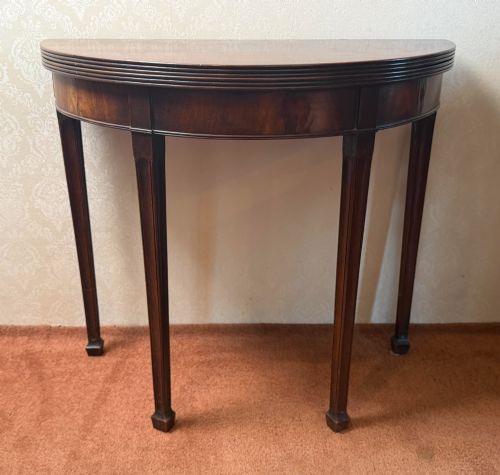
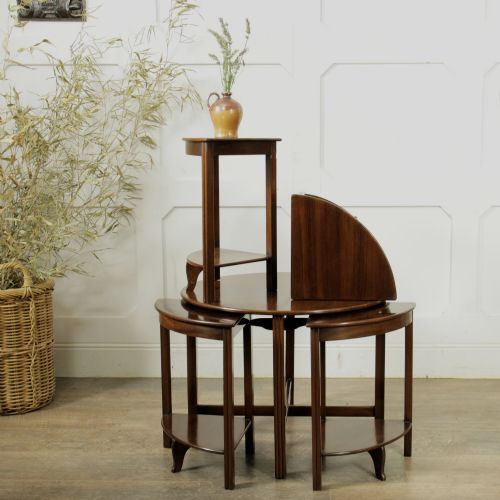
- A half-moon shape characteristic of fold-over tea tables and console tables. This form allows the furniture to sit flat against a wall.
Dark Wood Circular Table: Frequently Asked Questions
What is a tilt-top table used for?
A tilt-top table provides a versatile surface for drinks, lamps, or books during daily use. The hinged mechanism allows the top to fold flat when space is needed.
Historically, these pieces stood against room perimeters until required for evening hospitality.
How do I identify a Regency table?
Regency tables often feature architectural pedestals, brass inlays, and rich rosewood or mahogany veneers. Look for classical influences such as triform bases and bold geometric lines.
Cabinet makers of this era favoured dark, highly figured timbers polished to a deep lustre.
Where should I place a centre table?
A centre table requires a prominent position where it can be viewed from all sides. Because these pieces are finished uniformly around the perimeter, they anchor the middle of a principal room.
They function well in large hallways or drawing rooms holding lamps and decorative objects.
What is a birdcage mechanism?
A birdcage is an ingenious assembly of small wooden turnings beneath the tabletop. It connects the surface to the central pillar, enabling rotation alongside the tilt function.
This feature indicates quality joinery on 18th and 19th-century tripod tables.