
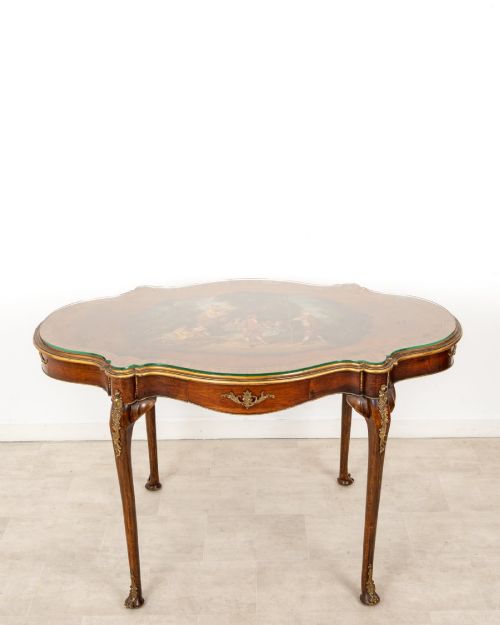
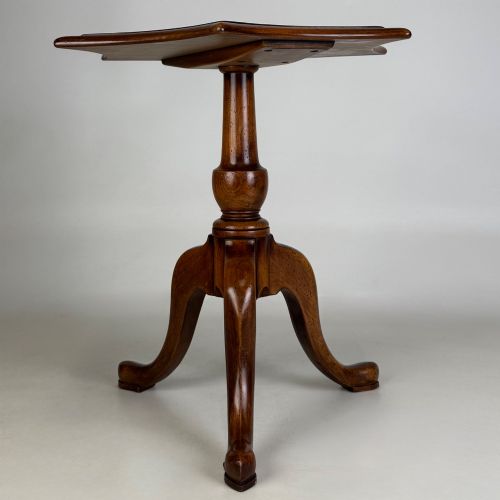
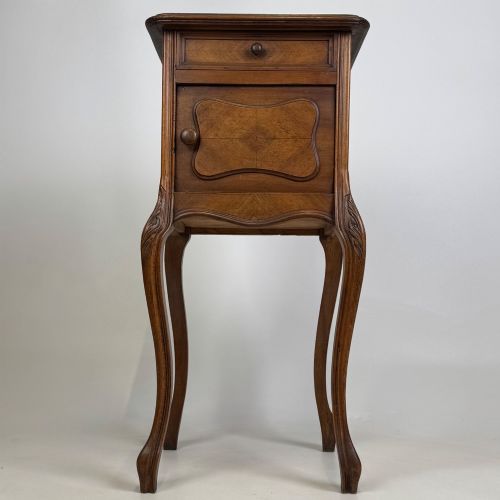
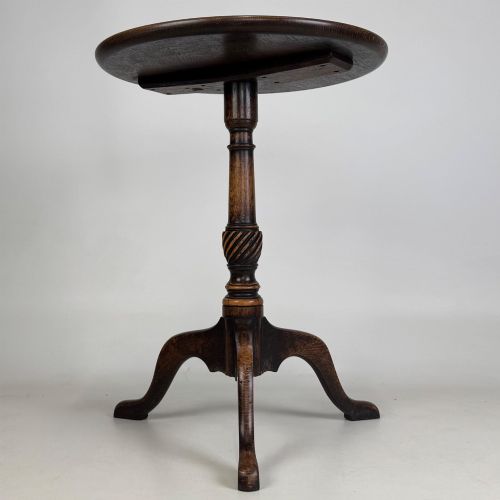
Carved Cabriole Side Table
A carved cabriole side table brings sculptural elegance and practical surface space to a room, spanning periods from the eighteenth century to the twentieth.
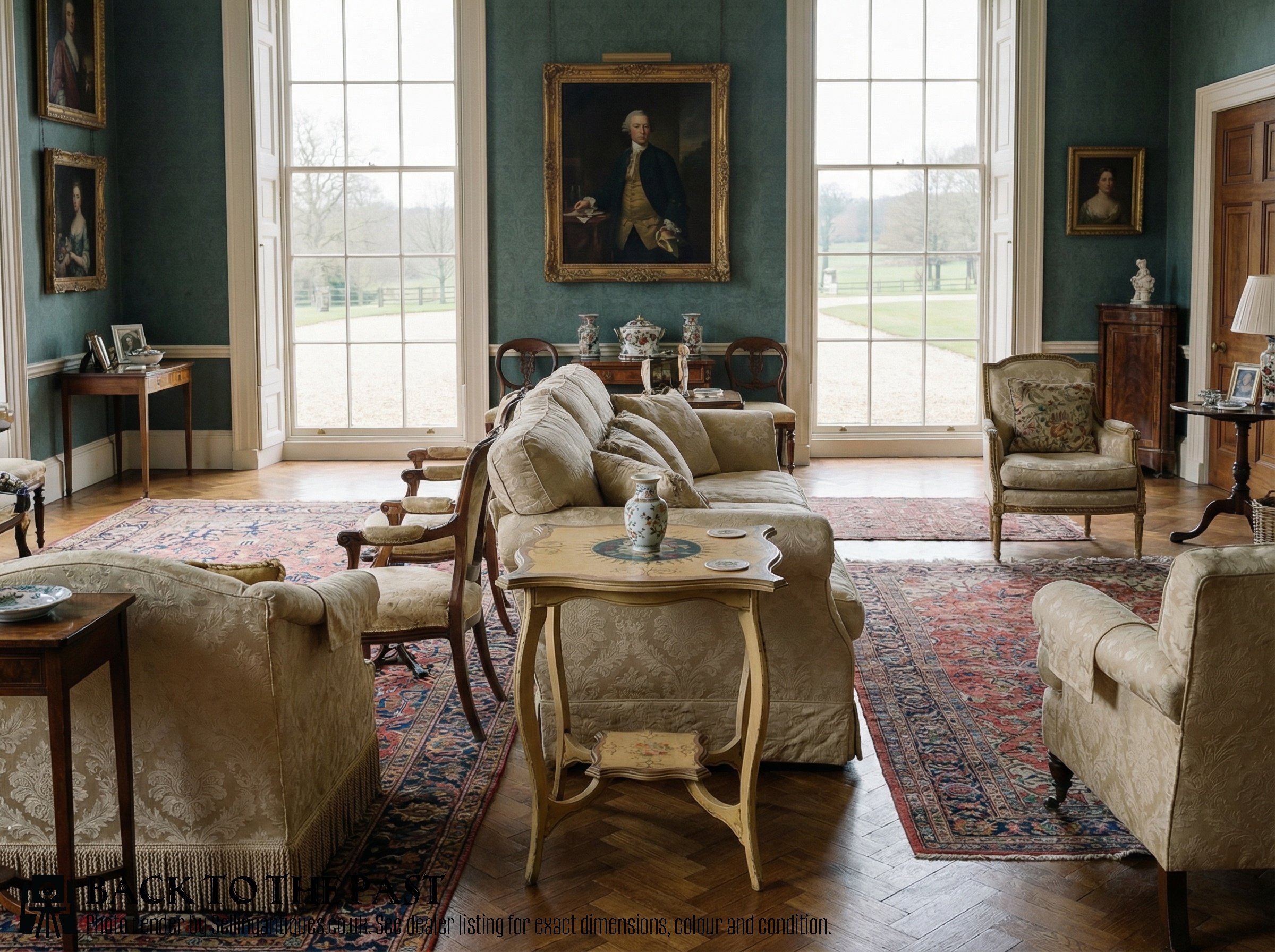
Carved Cabriole Side Table
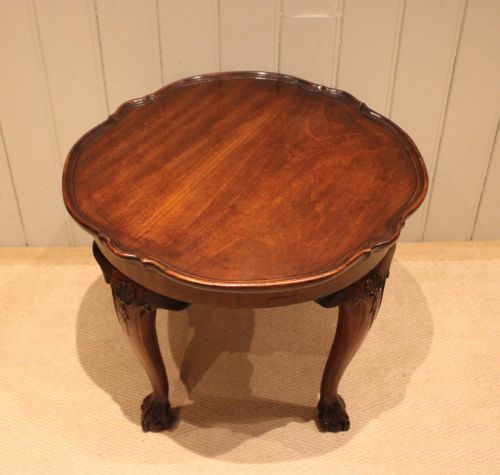
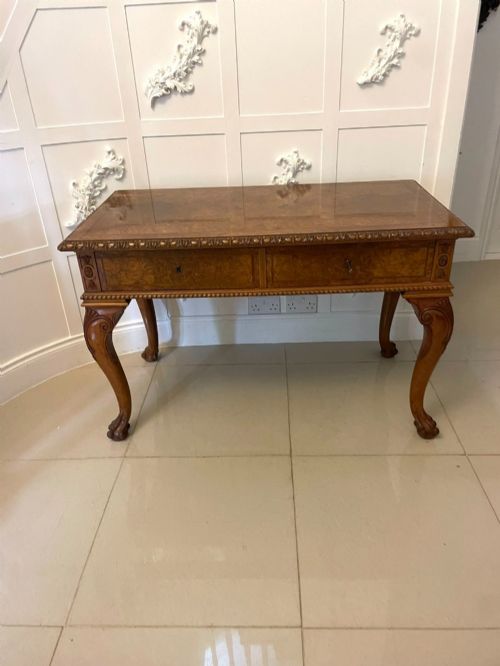
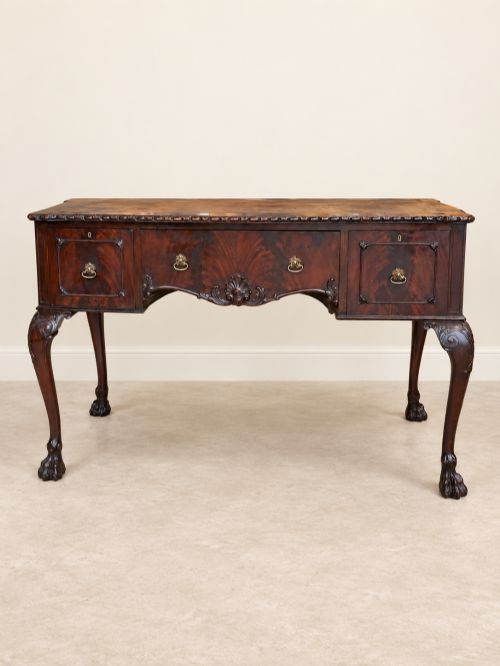
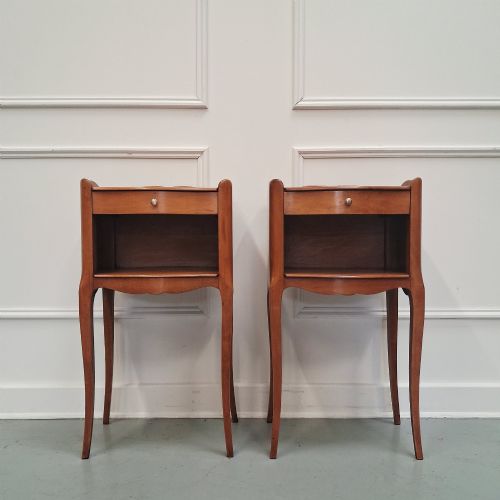
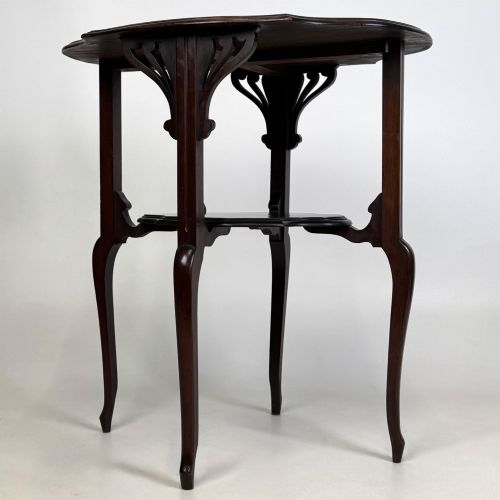
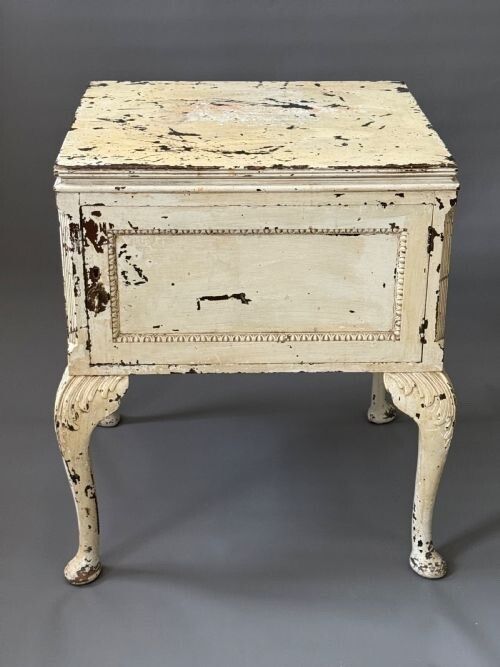
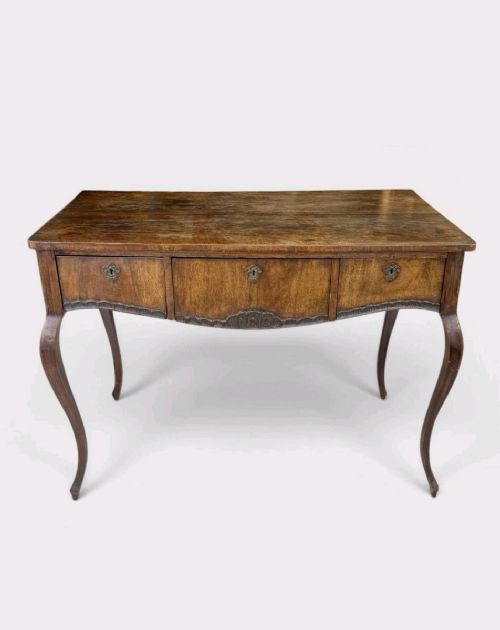
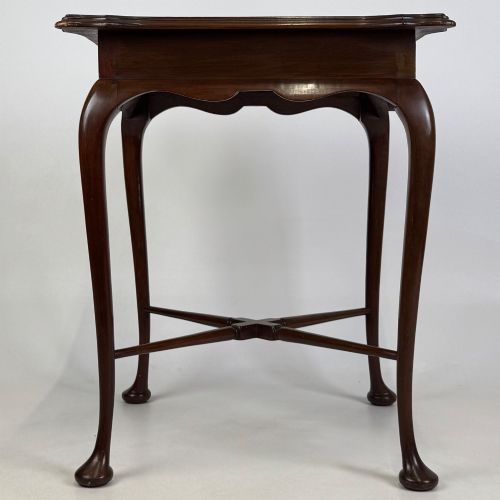
A carved cabriole side table unites a functional surface with the distinctively curved legs that define this search phrase. Pieces range from eighteenth-century oak lowboys and Georgian mahogany designs to Edwardian and later revivals in walnut and mahogany.
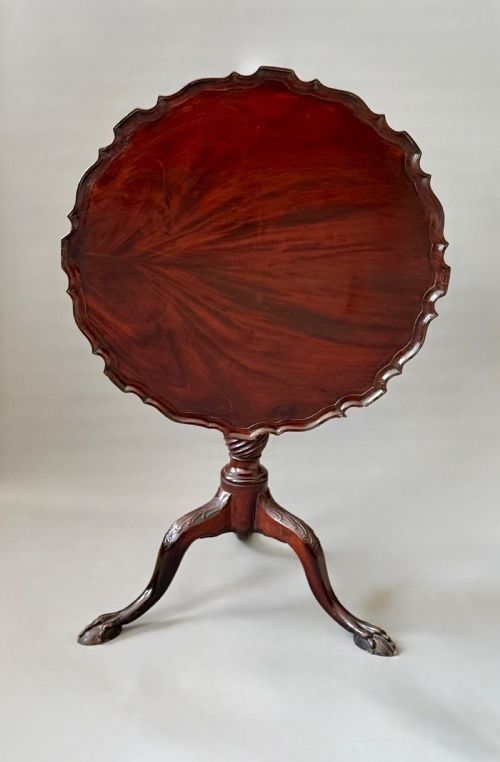
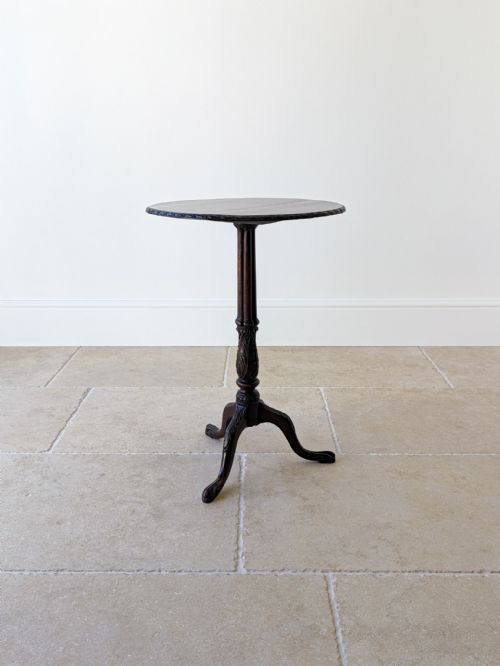
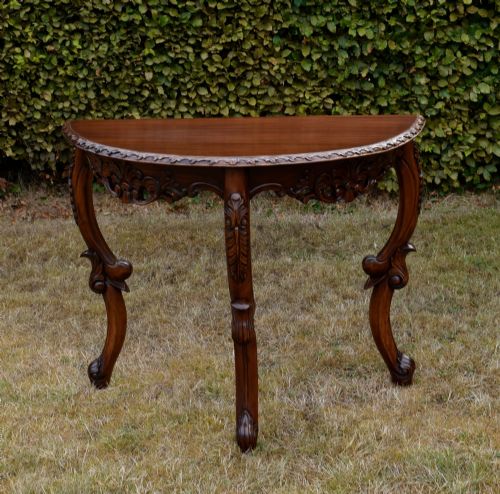
The form appears across various domestic roles, including console tables, hall tables, and occasional tables. Buyers encounter diverse interpretations, from French Provincial console tables with marble tops to Chippendale style tripod wine tables.
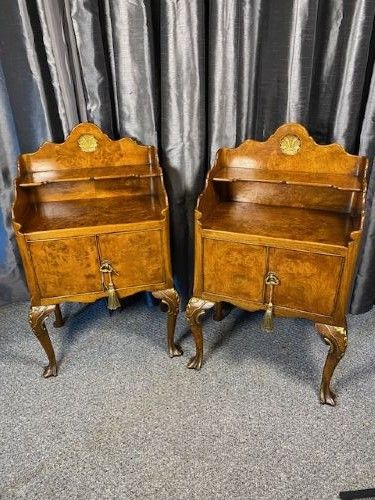
Earlier examples display the solid construction of the eighteenth century, while Edwardian and 1930s pieces often utilise revived Queen Anne or Chippendale aesthetics. Each variation retains the characteristic curved leg form that distinguishes the category.
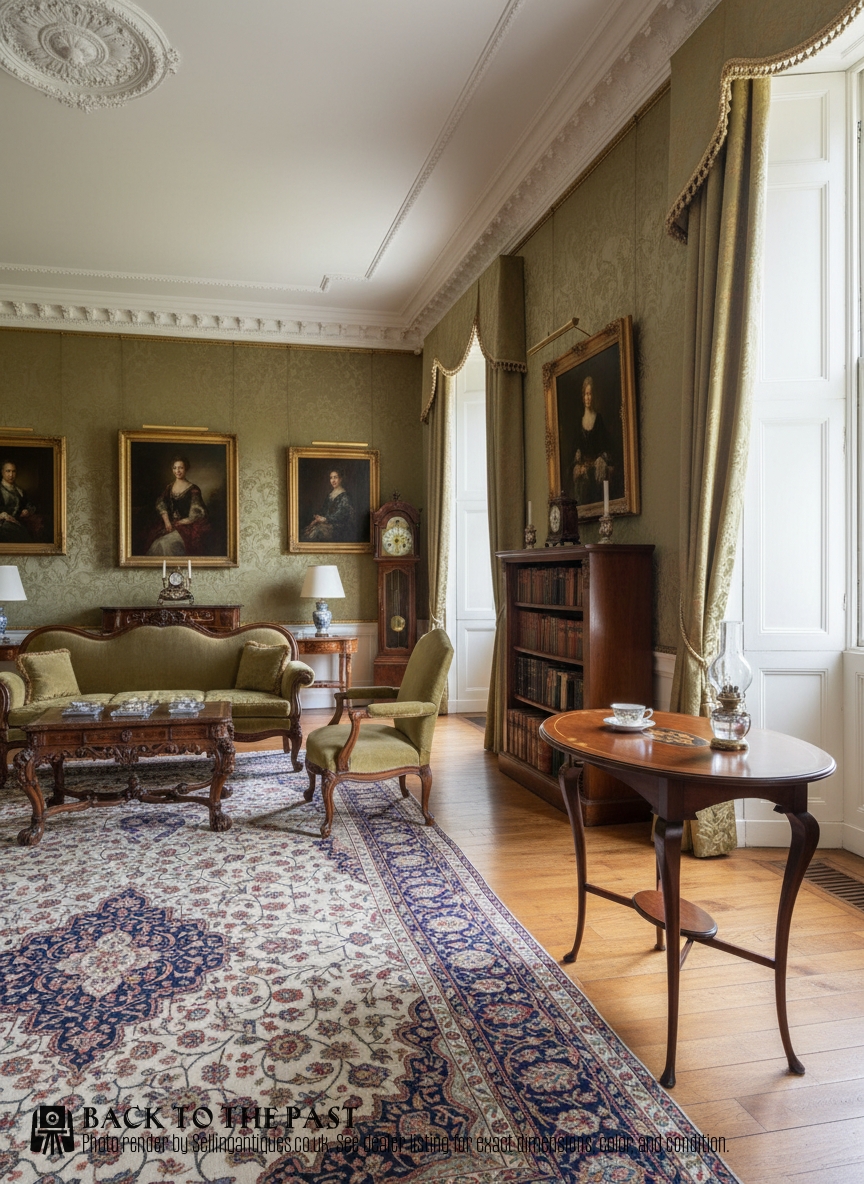
Distinctions in Quality
Quality rests upon the crispness of the carving and the proportional balance of the cabriole leg. Superior examples exhibit fluid, confident curves and sharply defined decorative details rather than flat or mechanical execution.
The selection of timber significantly alters a piece, with figured walnut and dense, well-grained mahogany representing higher standards of material choice. Secondary woods used in internal construction also reflect the care taken by the maker.
Structural integrity and the preservation of original surfaces distinguish exceptional items from heavily restored or later altered examples. Cohesion between the top, apron, and legs indicates thoughtful workshop design.
Listings feature pieces spanning the eighteenth, nineteenth, and twentieth centuries, incorporating Edwardian and Georgian design revivals.
The Carved Cabriole Side Table Glossary
- Cabriole leg
- A furniture leg that curves out in a convex arc and tapers inward in a concave arc, resembling the leg of an animal. This form became prominent during the early eighteenth century and defines the aesthetic of these tables.
- Lowboy
- A small eighteenth-century table with drawers, commonly supported on cabriole legs. These pieces typically served as dressing tables or side tables.
- Pie crust rim
- A raised, scalloped edge carved around the perimeter of a circular table top. This decorative technique appears frequently on eighteenth-century and revival tripod tables.
- Console table
- A table designed to stand against a wall, sometimes secured to it with brackets. They often feature elaborate carving on the front apron and legs.
- Tripod table
- A small occasional table supported by a central pillar resting on three carved legs. Many examples feature a tilting mechanism for storage.
Carved Cabriole Side Table: Frequently Asked Questions
How do I identify an eighteenth century table?
Eighteenth-century examples display hand-cut joinery, timber shrinkage appropriate to age, and hand-carved details specific to Georgian or George II aesthetics.
Secondary woods and construction marks on the underside provide additional clues to authenticity when examined alongside period proportions.
Where should I place a side table?
These tables function effectively in hallways as console surfaces, beside seating in living rooms, or as occasional tables in bedrooms.
Their compact footprints and decorative cabriole legs allow them to fit into narrow spaces while adding architectural interest to a room.
What is the difference between revival and period pieces?
Period pieces were made during the eighteenth or early nineteenth centuries when the styles originated. Revival pieces date from the Edwardian era or the early twentieth century and imitate earlier aesthetics.
Both categories utilise traditional timbers like mahogany and walnut, but construction techniques and wear patterns reveal the true age of manufacture.
How do I care for a walnut table?
Maintain walnut surfaces by dusting with a soft cloth and applying a quality furniture wax periodically to nourish the wood. Avoid placing tables in direct sunlight or near heat sources to prevent timber splitting and veneer lifting.