


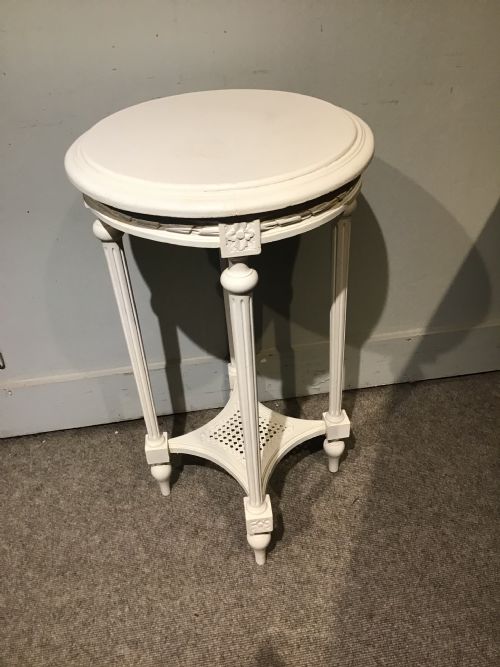

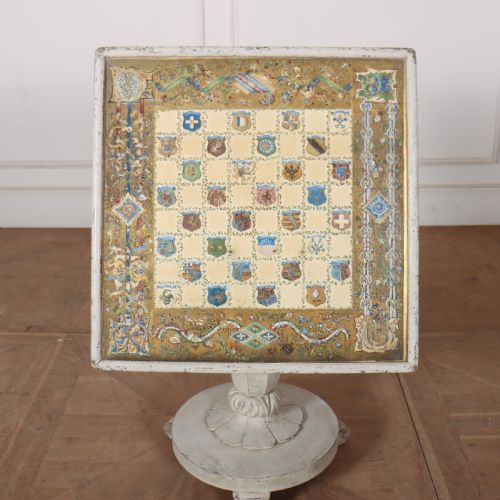


Cream Painted Occasional Table
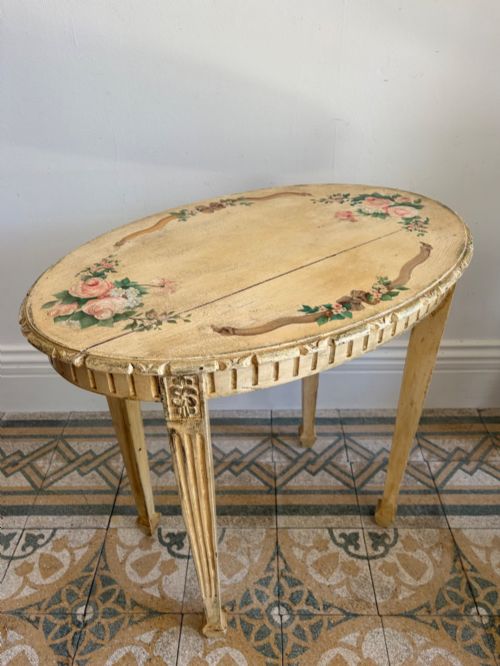
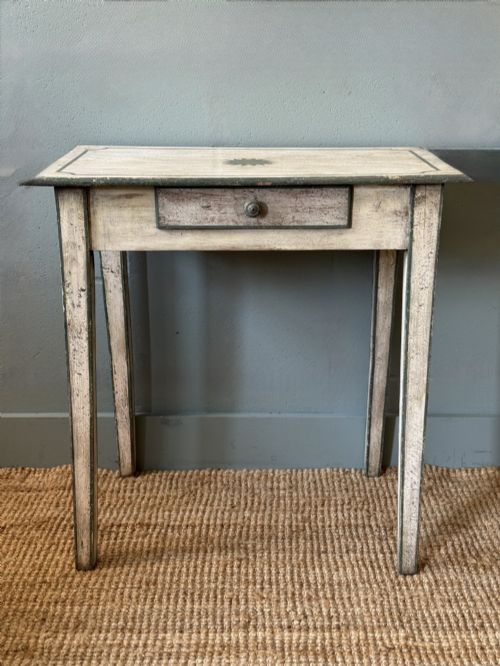
These cream painted occasional table examples bring lightness and utility to a room, offering a versatile surface finished with characterful painted surfaces.
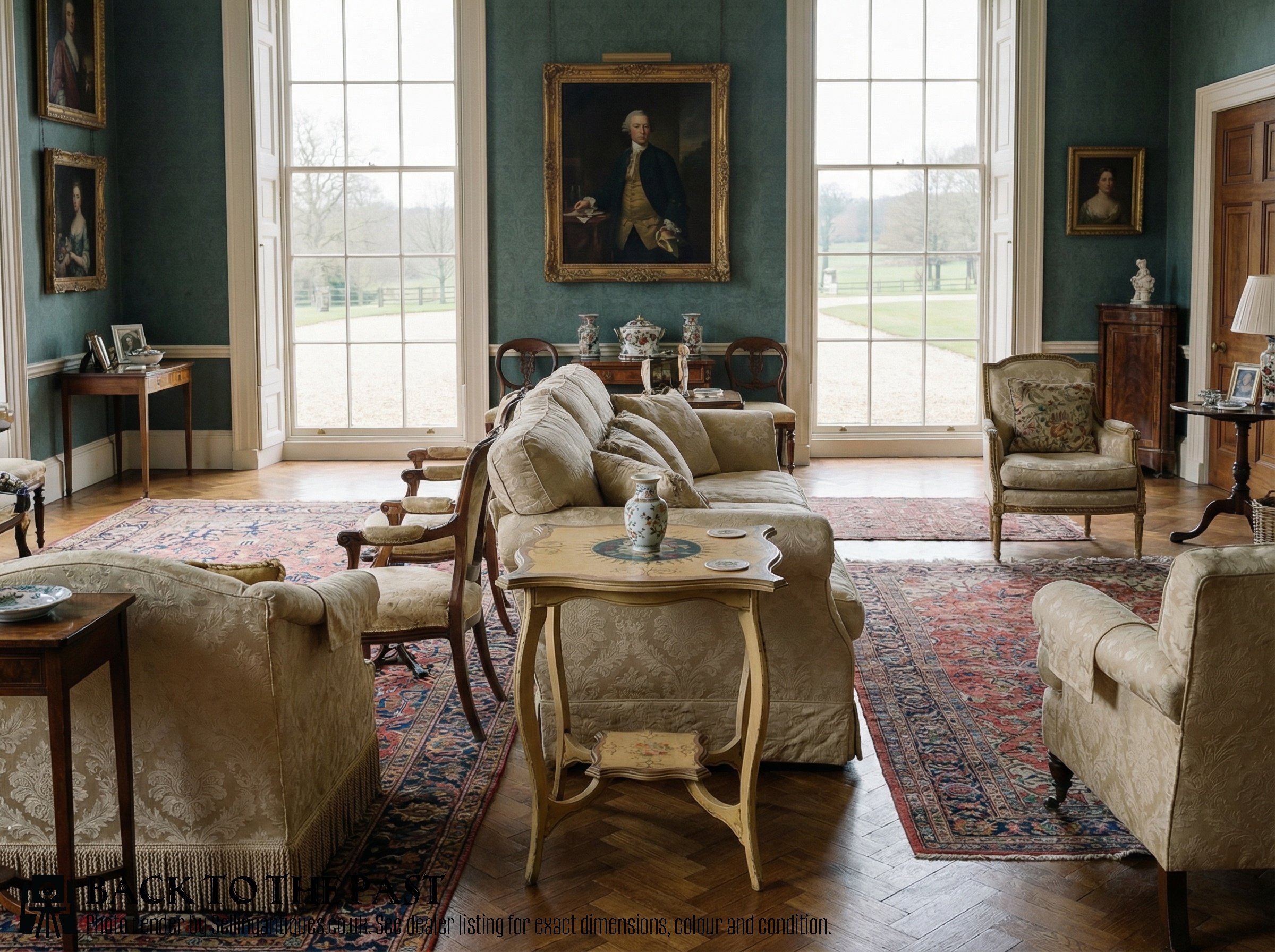
Cream Painted Occasional Table
A cream painted occasional table functions as a versatile small surface, appearing across styles from French Provincial and Louis XVI to Georgian and English Traditional. These pieces serve primarily as side, lamp, or wine tables, offering practical placement beside seating.
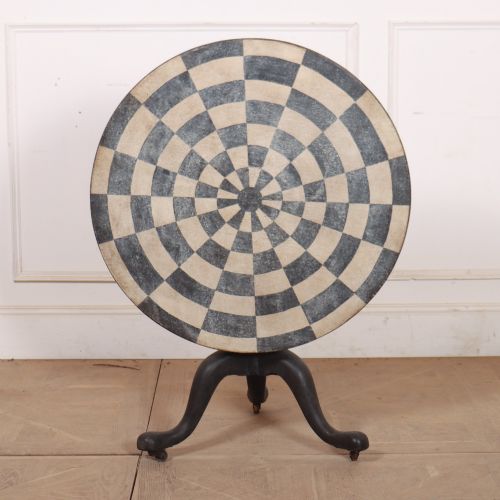
The selection ranges from eighteenth-century English tripod pieces to twentieth-century French fruitwood and Italian Venetian revival designs. Round occasional tables and centre tables dominate the forms, often executed in painted wood with considerable stylistic variety.
Materials and Construction
Makers construct these items from timber and fruitwood, applying paint and gesso to create the characteristic light surface finish. Selected examples incorporate marble tops or decorative gold leaf and parcel gilt details.
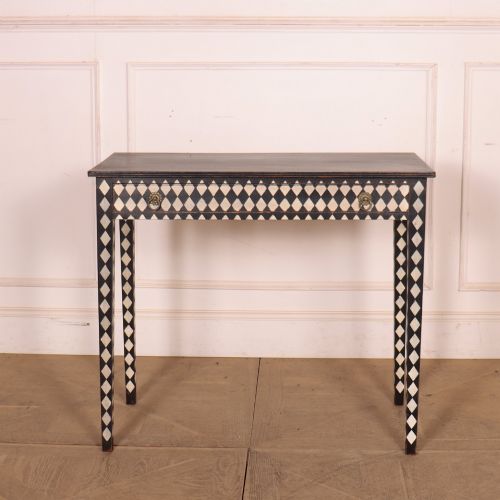
The physical build relies on traditional cabinet-making techniques, uniting solid wood frames with hand-applied paint layers. Brass hardware occasionally appears on drawers or structural mounts depending on the period.
Materials appearing across the inventory include marble, brass, gesso, and gold leaf alongside traditional timber.
Assessing Quality and Execution
Quality rests in the harmony of the proportions and the handling of the painted finish, where genuine age shows through a soft, natural wear rather than uniform factory spraying. Finer examples display subtle hand-carved detailing in the wood beneath the paint layers.
The integration of materials dictates the standing of a piece, distinguishing standard turned supports from sophisticated gilt work, marble inserts, or refined tripod bases.
The Cream Painted Occasional Table Glossary
- Occasional table
- A small, movable table designed for a specific, transient use rather than a permanent dining or writing setup.
- Tripod table
- A small freestanding table supported by a central pillar resting on three feet, common in eighteenth-century English furniture.
- Gesso
- A plaster-like mixture applied to wood surfaces as a base for painting or gilding.
- Parcel gilt
- A decorative technique where specific carved or raised details are highlighted with gold leaf while the rest remains painted.
- Fruitwood
- Dense timber harvested from fruit-bearing trees such as cherry or pear, valued for its fine grain in continental cabinet-making.
Cream Painted Occasional Table: Frequently Asked Questions
What is a cream painted occasional table used for?
These tables function as convenient surfaces for lamps, drinks, or small decorative objects beside a sofa or armchair. Their compact scale allows them to move easily around a room as daily needs shift.
They also serve effectively in hallways or bedrooms where larger furniture would overwhelm the floor space. Their decorative painted finishes help brighten dark corners.
How do I date an antique painted table?
Dating relies on examining the timber construction methods beneath the paint, such as joint types, tool marks, and wood ageing. Stylistic cues like cabriole legs, tripod bases, or specific neoclassical motifs also point to particular centuries.
Paint layers themselves provide evidence through craquelure, underlying gesso composition, and wear patterns consistent with genuine age. Comparing the form against known regional traditions helps narrow the decade.
Where were these tables made?
The pieces originate from workshops across Europe, with strong representations from English, French, Italian, Spanish, and Swedish makers. Each region imparted distinct stylistic traits, from the restraint of English Georgian design to the ornamentation of Venetian interiors.
French pieces often reflect provincial or chateau aesthetics, while Italian examples incorporate neoclassical revival details. This geographic spread creates a diverse mix of forms on the market.
How do I care for a painted wood table?
Protect the surface by avoiding direct moisture and placing coasters under glasses or damp items. Regular dusting with a soft, dry cloth preserves the fragile painted and gilt finishes without causing abrasion.
Keep the table away from direct heat sources and strong sunlight to prevent the wood beneath from expanding and the paint layers from cracking.