

Antique Floral Side Table
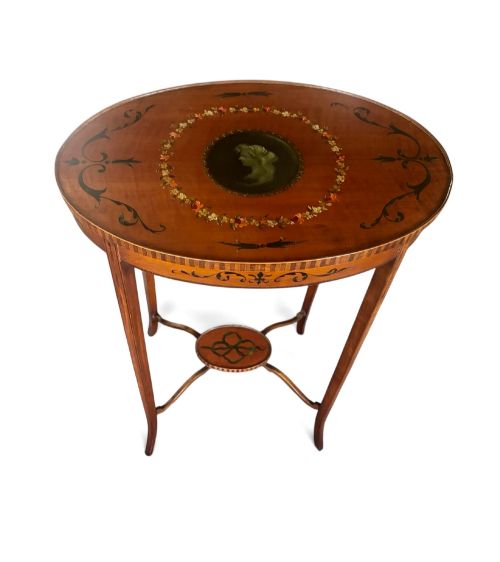
An antique floral side table brings rich marquetry, hand-painted botanical details and carved timber into a room.
Antique Floral Side Table
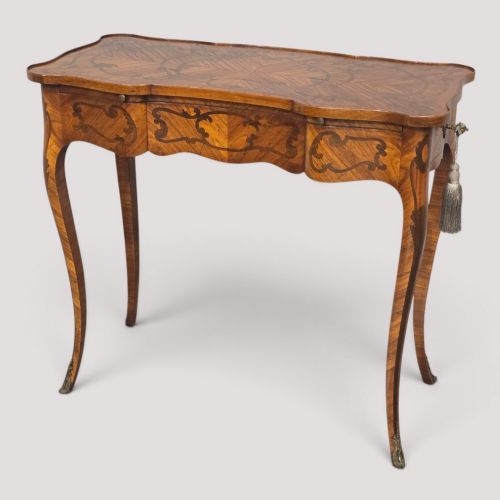
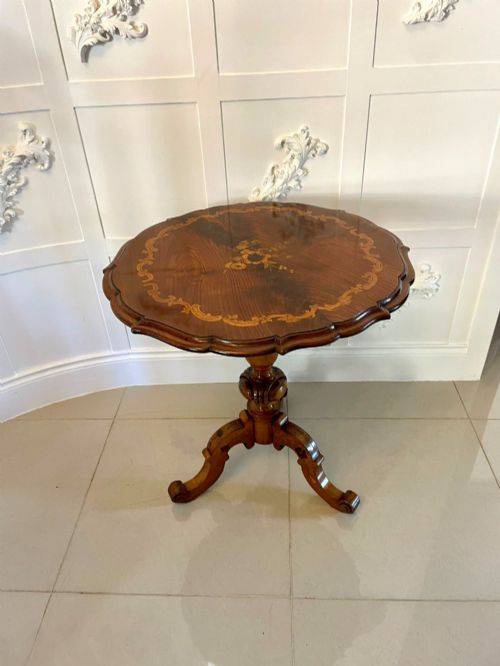
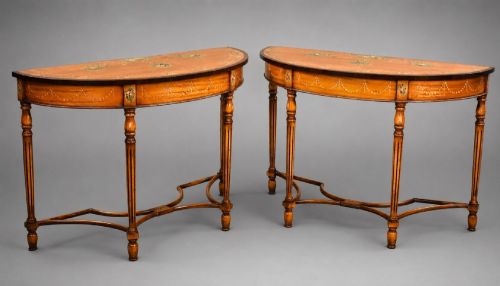
An antique floral side table encompasses forms ranging from occasional and centre tables to writing desks, bedside cabinets, and console tables. The pieces span the eighteenth and nineteenth centuries, alongside early twentieth-century examples.
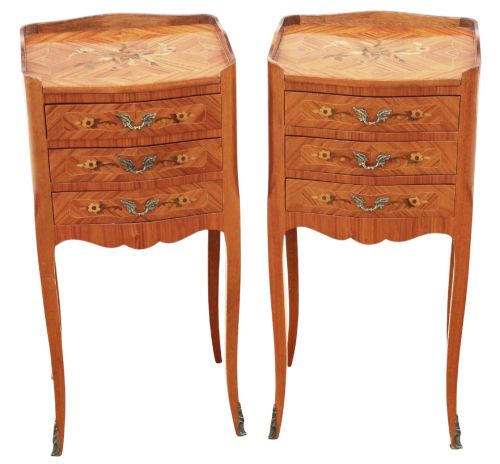
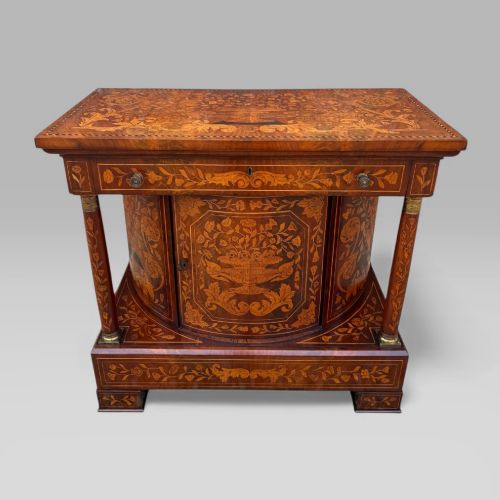
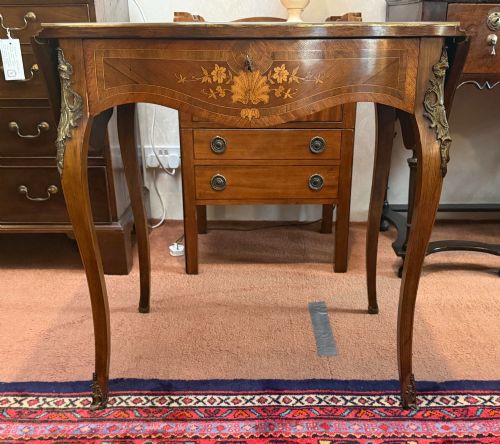
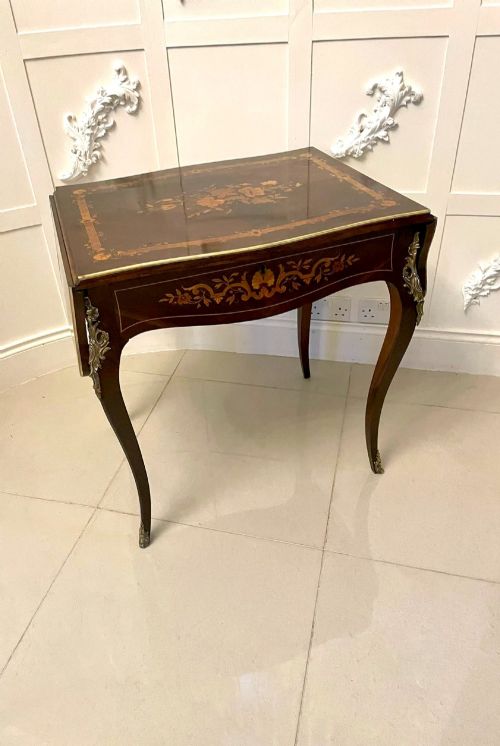
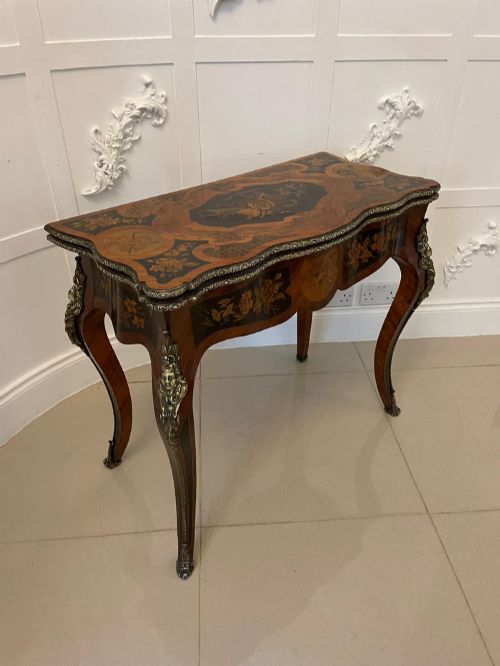
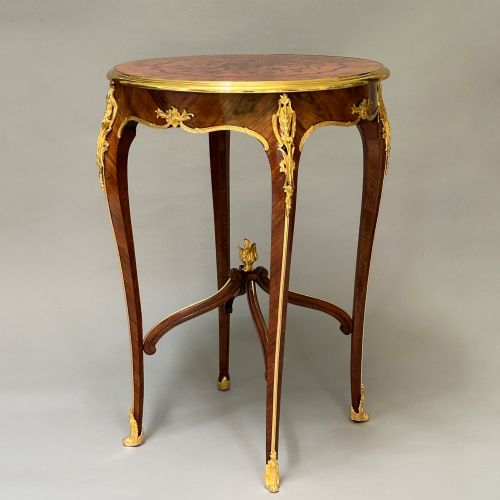
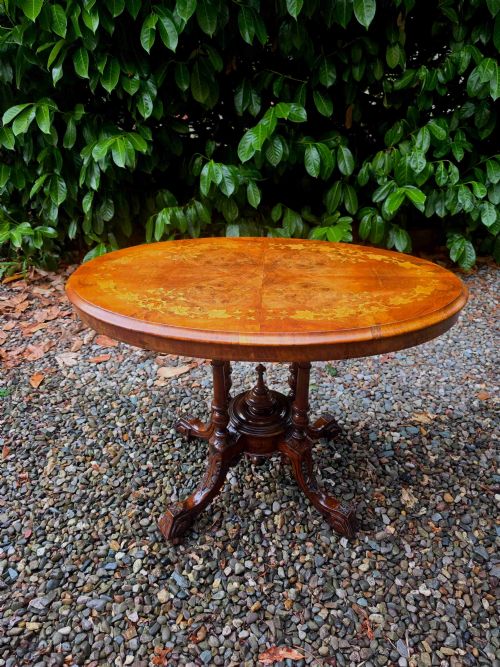
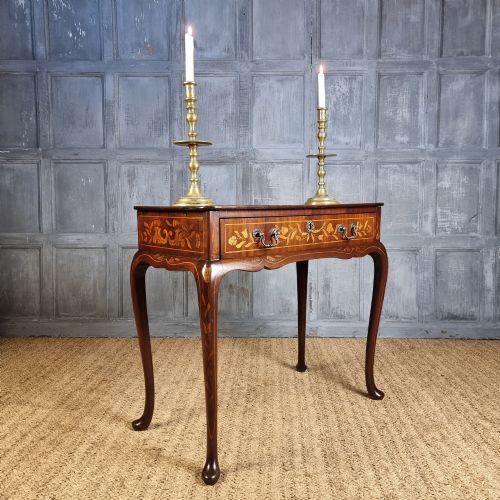
The most common iterations on this page feature intricate marquetry inlays depicting floral motifs, often styled after French Louis XV designs or Dutch baroque and rococo traditions. Walnut, satinwood, and kingwood frequently form the structural foundation of these tables.
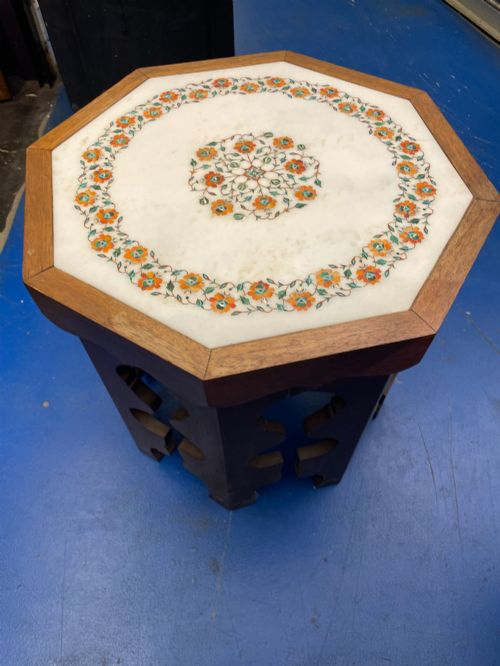
Makers utilised diverse global traditions, incorporating Indian Kashmiri painted surfaces, Japanese hand-carved woodwork, and Hoshiarpur brass inlay into smaller occasional formats.
Materials and Technique
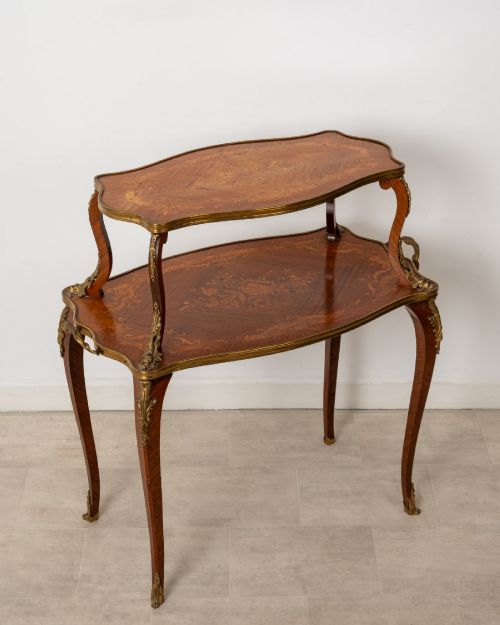
Cabinetmakers constructed these tables using dense timbers such as walnut, mahogany, rosewood, kingwood, and satinwood, frequently applying contrasting veneer parcels to create pictorial floral marquetry. Ormolu mounts in cast brass often accent the corners, legs, and aprons of French-influenced pieces.
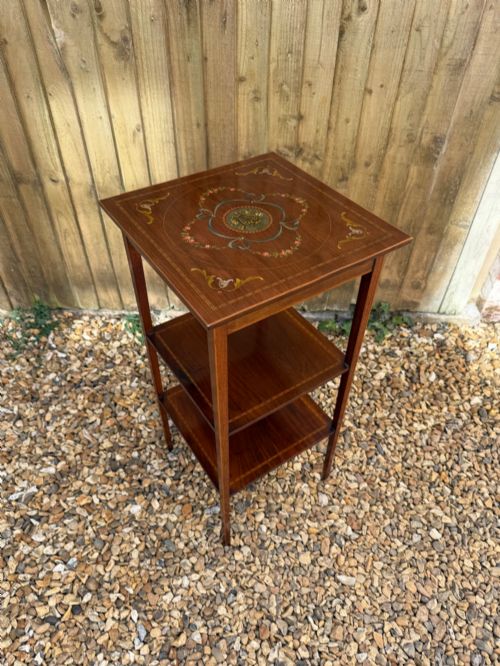
Surface decoration relies on multiple techniques, including precise wood-inlay parquetry and marquetry, hand-painted floral embellishments directly onto mahogany or satinwood, and deep relief carving seen in linden wood and exotic hardwoods.
Listings incorporate 18th-century, Victorian, and Edwardian eras alongside specific materials like brass, walnut, ormolu, kingwood, and satinwood.
Craftsmanship and Detail
The distinction between ordinary and exceptional tables rests in the precision of the floral marquetry and the choice of cabinet timbers. Finer examples display meticulous contrast in the wood veneers, creating naturalistic shading within the petals and leaves without relying solely on surface paint.
Mount quality and secondary materials elevate a piece significantly. Heavy, well-chased ormolu mounts and solid brass inlays indicate superior workshops compared to simpler stamped metal fittings.
Liberty of London·Liberty & Co
The Antique Floral Side Table Glossary
- Marquetry
- Decorative veneer work forming pictorial patterns such as flowers and foliage by fitting small pieces of various coloured woods into a ground material.
- Ormolu
- Gilded bronze used for decorative mounts and furniture trimming, popular in French revival furniture of the nineteenth century.
- Kingwood
- A dense, richly figured Brazilian timber with dark violet-brown and golden streaks, frequently utilised in fine eighteenth and nineteenth-century cabinetmaking.
- Etagere
- A small open shelving unit or side table with multiple tiers designed for display.
- Demi-Lune
- Half-moon shaped, typically describing console tables designed to sit flush against a wall.
Antique Floral Side Table: Frequently Asked Questions
Where should I place an antique floral side table?
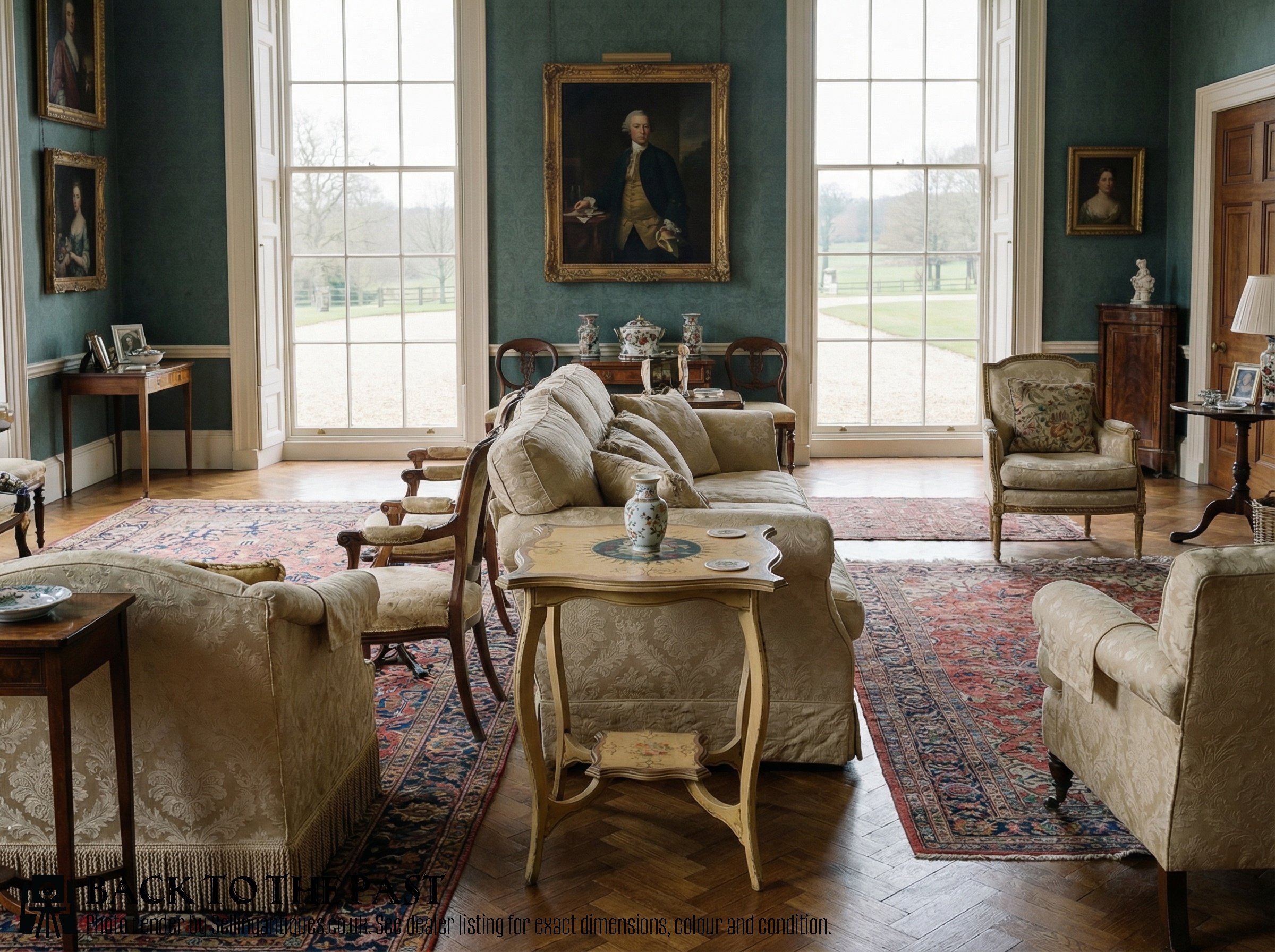
These tables suit hallways, sitting rooms, and bedrooms as lamp stands or bedside surfaces. Their decorative marquetry and painted tops make them effective focal points against neutral walls.
Smaller occasional and wine tables move easily to accommodate guests or display decorative objects.
How do I care for antique marquetry surfaces?
Protect antique wood and inlaid surfaces from direct sunlight and excessive heat fluctuations to prevent veneer lifting. Dust regularly with a dry, soft cloth.
Apply a microcrystalline wax sparingly when the timber appears dry, avoiding modern liquid silicones.
How do I distinguish French styles from Dutch styles?
French-inspired pieces generally feature curved cabriole legs, refined ormolu mounts, and subtle floral marquetry. Dutch marquetry tends to cover the entire surface with dense, vibrant floral arrangements on walnut or mahogany.
Dutch examples often date to the eighteenth century or follow those baroque traditions closely.
What is the difference between an occasional table and a centre table?
Centre tables are traditionally finished on all sides to stand free in the middle of a room. Occasional tables are lighter, smaller, and typically placed against walls or beside seating.
Both categories frequently share the floral marquetry and painted decoration characteristic of this selection.