


Carved Cabriole Leg Seat
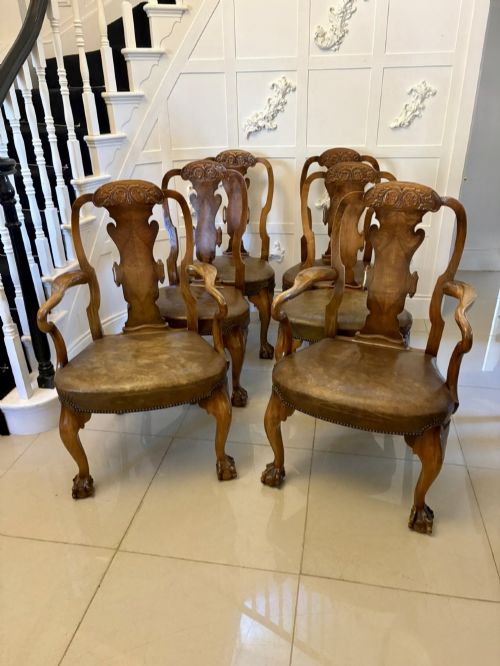
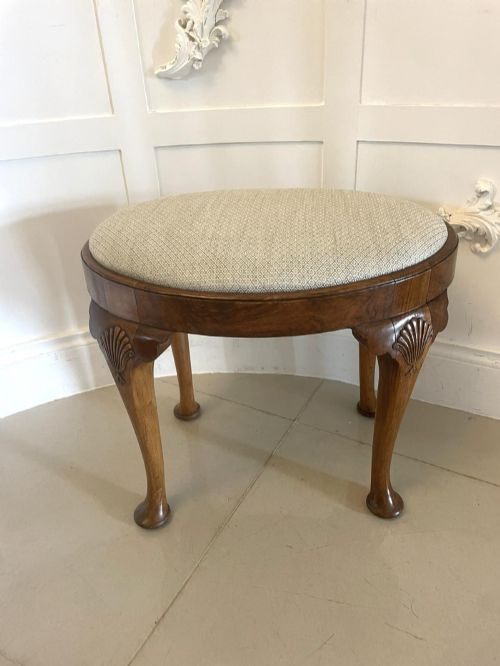
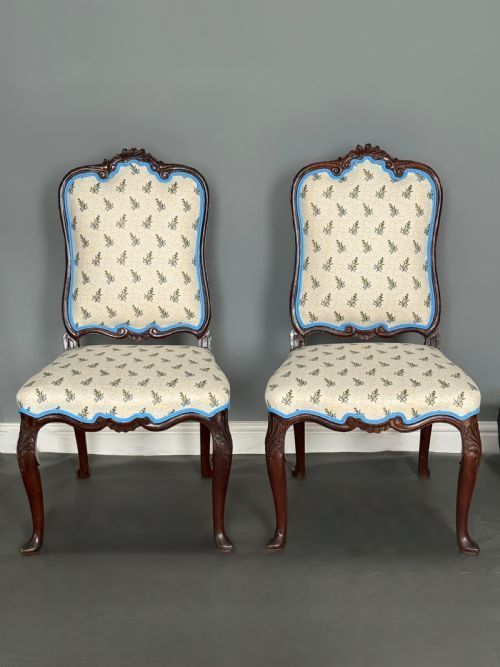
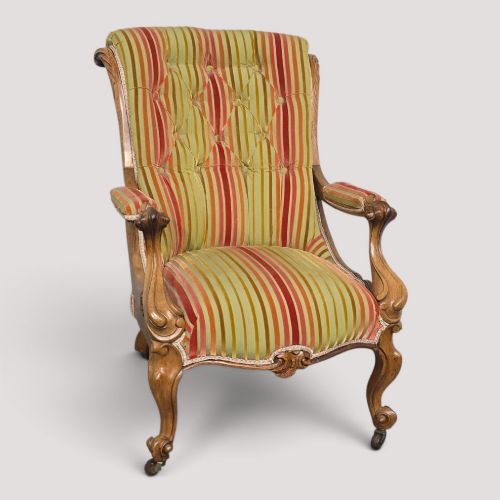
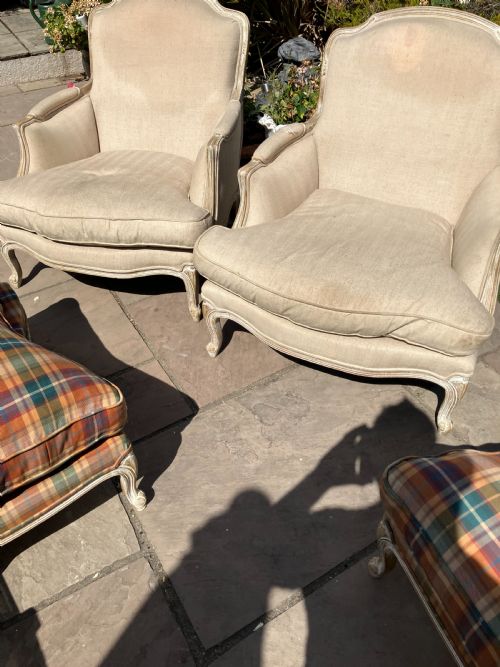
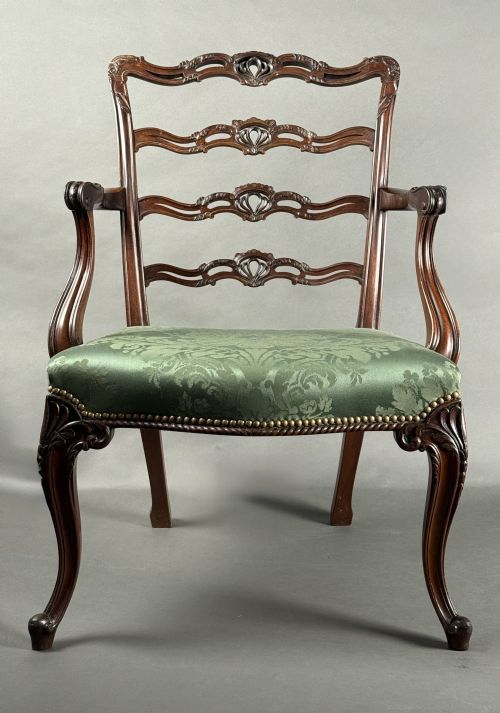
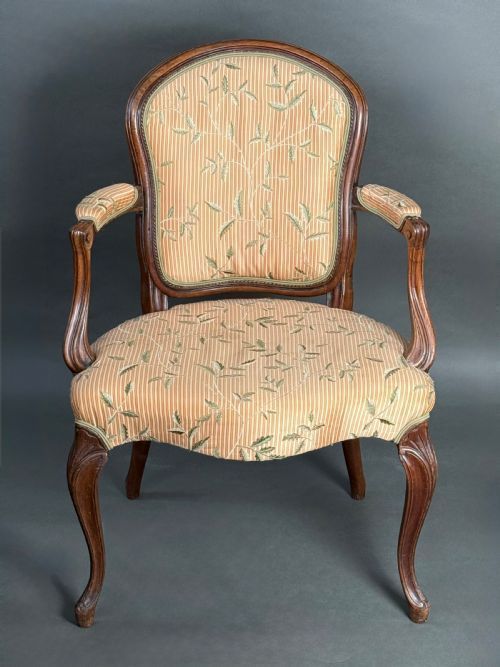
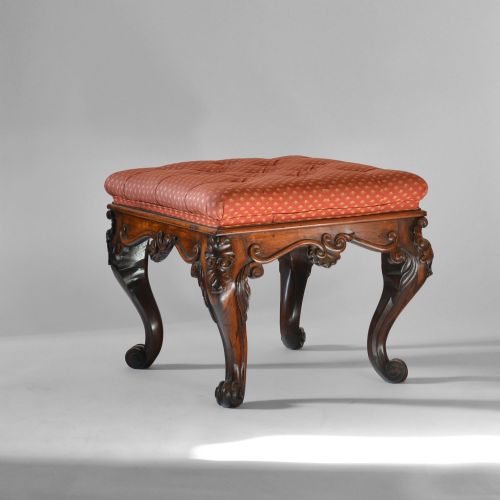
A carved cabriole leg seat brings together fluent woodwork and upholstered comfort across dining chairs, armchairs, stools, and sofas.
Carved Cabriole Leg Seat
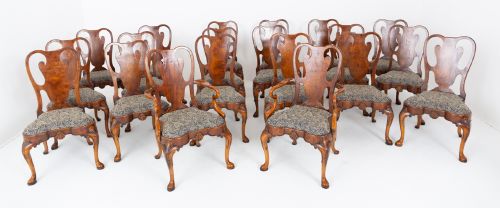
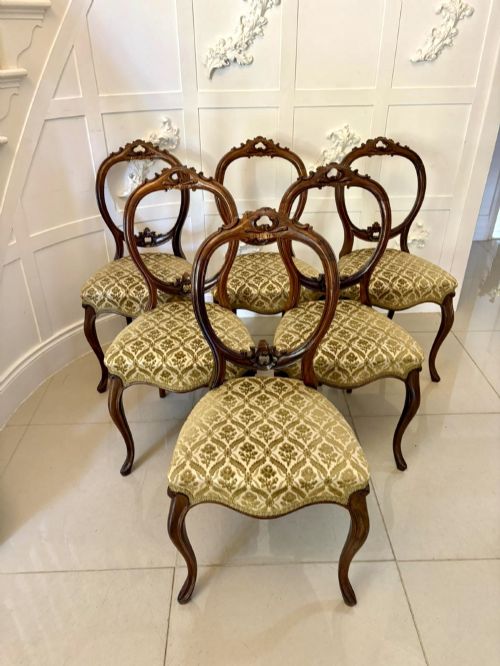
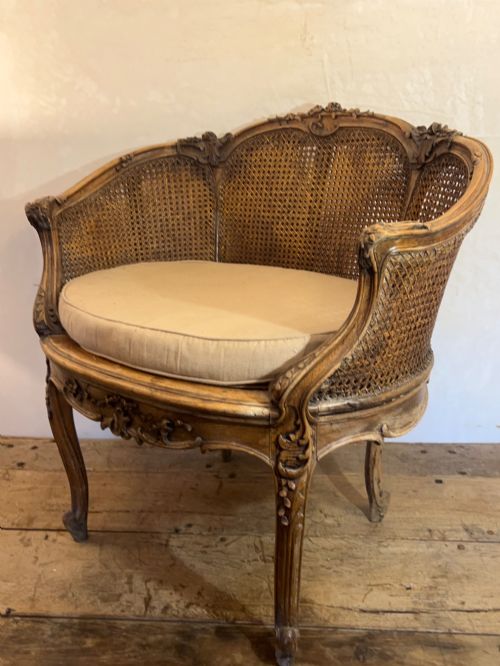
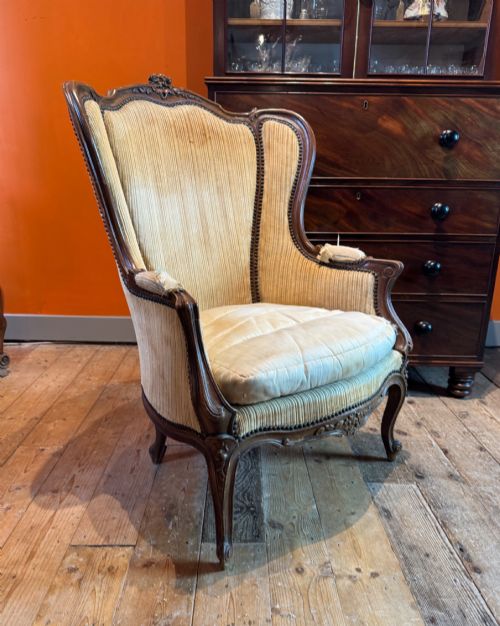
A carved cabriole leg seat encompasses a wide spectrum of historical seating, ranging from single footstools to extensive sets of dining chairs and large library armchairs. Buyers searching for a carved cabriole leg seat encounter numerous variations including Victorian walnut dining chairs, Queen Anne style armchairs, and Regency rosewood stools.
The inventory on this page spans periods from the 18th century through to the 1930s, with strong representation from Victorian and early 20th century revivals. Forms vary from small window seats and dressing stools to large three-piece salon suites, armchairs, and dining sets.
Origin and stylistic influence cross several borders, incorporating French Louis styles, Dutch Baroque examples, Anglo-Indian rosewood pieces, and Scottish George III designs. Most frequently, buyers meet walnut and mahogany pieces adhering to Queen Anne, Chippendale, or Louis XV revivals.
Materials and construction methods
Timbers such as walnut, burr walnut, mahogany, rosewood, and elm form the structural frames of these pieces, providing the dense grain required for intricate carving. Cabinetmakers shaped the signature double-curved leg directly from the solid wood of the frame or attached it firmly with traditional joinery.
Upholstery relies on a mix of textiles including silk, velvet, tapestry, and specialised upholstery fabric, often filled with feathers or traditional stuffing materials. Details such as brass mounts, gilding, and needlework coverings complete the construction of the finer examples.
Listings feature woods such as walnut, mahogany, rosewood, and elm across Victorian, Regency, and 18th-century periods.
Assessing quality in seating
Quality rests in the depth and crispness of the wood carving upon the knees and feet of the cabriole supports, distinguishing hand-shaped execution from mechanical reproduction. Superior examples display balanced proportions where the scroll or ball and claw feet anchor the dynamic curve of the leg harmoniously.
The choice of primary timber creates a clear distinction, with burr walnut, Cuban mahogany, and figured rosewood sitting at the upper end of material selection. Furthermore, the integrity of the original frame construction and the fidelity of revival periods determine the standing of each piece.
Charles Tozer·Warings·Whytock and Reid
The Carved Cabriole Leg Seat Glossary
- Cabriole leg
- A furniture leg featuring a double curve, swelling outward at the knee and tapering inward toward the foot. This shape derives from animal limbs and gained widespread popularity in 18th-century design.
- Overstuffed
- Upholstery that extends completely over the wooden frame of the seat rail so that no wood remains visible from above. This technique provides a softer edge for the occupant.
- Serpentine front
- A furniture front curved in a wave shape, convex in the centre and concave at the sides. It adds visual movement to the seat rail.
- Splat
- The vertical central strip of wood in the back of a chair. It provides structural support and often receives elaborate carving.
- Ball and claw
- A foot motif carved to resemble a bird's talon gripping a ball. This detail frequently terminates a cabriole leg on 18th-century and revival pieces.
Carved Cabriole Leg Seat: Frequently Asked Questions
What defines a cabriole leg?
A cabriole leg is characterised by an outward convex arc at the knee that transitions smoothly into an inward concave arc toward the foot. This form mimics the natural shape of an animal's leg.
Craftsmen integrated this flowing line into the structural frame of chairs, stools, and tables to create a sense of balanced movement without heavy straight lines.
How do I identify a revival piece?
Revival pieces, such as those from the Queen Anne or Chippendale revival periods, borrow specific stylistic motifs and proportions from earlier centuries. Examining the inner frame timbers and construction techniques helps reveal the true manufacturing date.
Many late 19th-century and early 20th-century workshops produced faithful copies of earlier furniture using contemporary tools and seasoned woods.
Are these seats suitable for daily use?
Most antique chairs, stools, and small sofas are structurally robust enough for regular domestic use when the joints remain sound. Professional assessment of the internal webbing and padding ensures lasting comfort.
Care should be taken with delicate show-wood finishes and antique textiles to preserve their condition over years of sitting.
What is the difference between a side chair and an armchair?
A side chair is built without armrests, designed primarily for dining tables or occasional placement around a room. An armchair incorporates supportive armrests built into the frame for lounging.
Both forms frequently share matching carved cabriole leg designs when produced as part of a larger salon or dining suite.