
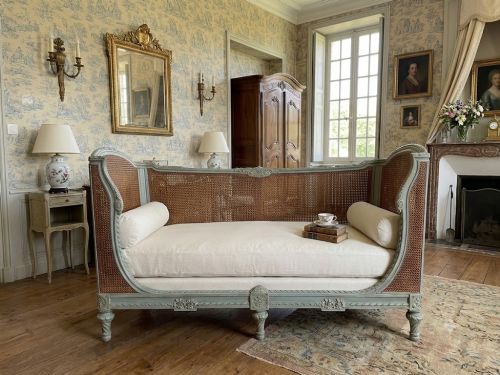


Carved Wood Cane Bench
A carved wood cane bench offers seating woven from natural cane and set within hardwood, walnut, beech, or painted frames.
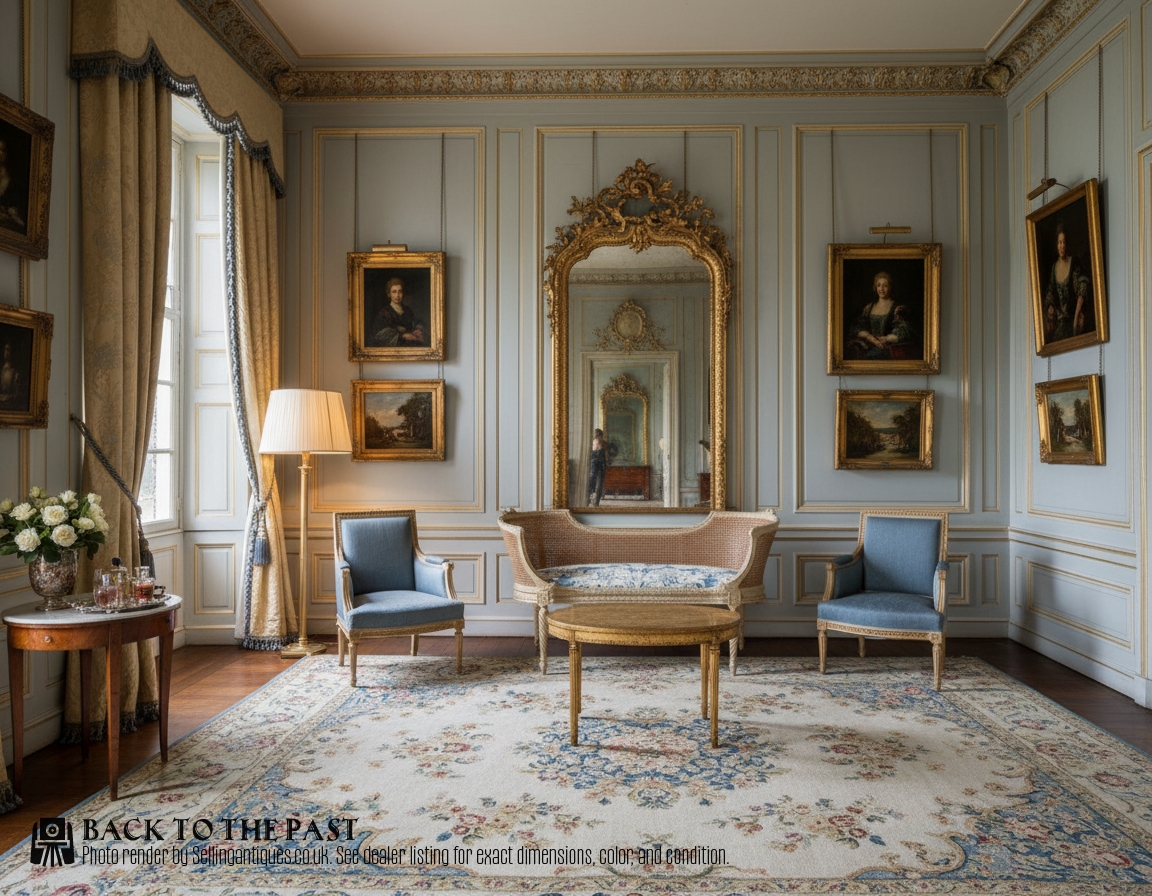
Carved Wood Cane Bench
A carved wood cane bench combines sturdy wooden frames with woven cane seating panels, appearing across this page in various regional styles. These pieces function as daybeds, window seats, settees, and sofas.
The selections span the eighteenth, nineteenth, and early twentieth centuries, drawing heavily upon French Louis XVI, Régence, Louis XV, Gustavian, Anglo-Indian, and Egyptian Revival traditions. French painted and gilded framework sits alongside bleached hardwood and walnut structures.
Buyers encounter forms ranging from caned daybeds and love seats to long settees and low window seats. Each object reflects historical European or colonial workshop practices adapted for domestic lounging.
How they were made
Workshops shaped these frames using solid hardwoods, walnut, beech, and painted or gilded timber, applying hand-carved detailing across rails and crests. Artisans then drilled and threaded natural cane through the framework to create resilient, supportive seats and backrests.
Decorative elements frequently include carved wooden scrollwork, painted finishes, and upholstered linen or textile additions on complementary daybeds and seating suites. Construction methods rely on traditional joinery techniques suited to supporting seated weight upon flexible cane webbing.
Some nineteenth-century makers evidently assumed everyone wanted to lounge like an Egyptian pharaoh after lunch.
What varies in quality
The refinement of the hand-carved woodwork dictates the distinction between standard production and superior craftsmanship, with crisper foliage and scroll motifs indicating higher atelier standards. Subtleties in the proportion of the frame and the tightness of the cane weave separate accomplished regional pieces from simpler utilitarian seating.
Original painted or gilded surfaces hold greater visual integrity than later overpainting, preserving the authentic character of the period. The integration between the rigid wooden structure and the flexible woven cane panel remains a primary measure of structural balance.
The Carved Wood Cane Bench Glossary
- Cane
- Woven material made from the peeled bark of rattan palm, utilised to form lightweight and breathable seating panels. It offers both flexibility and structural strength when stretched across wooden frames.
- Settee
- A long wooden seat with a back and arms, designed to accommodate multiple people. These forms often incorporate upholstered cushions alongside woven cane components.
- Gustavian
- Swedish neoclassical design style characterised by restrained symmetry, pale painted finishes, and light proportions. Pieces from this tradition often feature simplified fluted legs and understated carved details.
- Régence
- French stylistic transition period preceding the full Rococo style, known for sweeping asymmetrical curves, rich carved ornamentation, and early expressions of comfort in seating.
Carved Wood Cane Bench: Frequently Asked Questions
How do I care for cane seating?
Keep the woven cane panels lightly hydrated by wiping them with a damp cloth periodically to prevent the natural fibres from becoming brittle.
Avoid placing these benches in direct sunlight or beside intense heat sources, which can dry out and snap the rattan material.
Where were these benches typically used?
These seating pieces were positioned in drawing rooms, bedchambers, and hallways of grand homes as versatile resting places.
Window seats and daybeds specifically served for daytime reclining, reading, or casual entertaining in private parlours.
How do I identify French regional styles?
Look for specific decorative vocabularies, such as the restrained straight legs of Louis XVI designs or the sweeping curves typical of Louis XV and Régence pieces.
Painted or gilded finishes frequently accompany these French forms, distinguishing them from unpainted Anglo-Indian or walnut furniture.
Can I use modern cushions on these benches?
Many of these pieces were historically designed to accommodate loose squabs, cushions, or upholstered textile pads for added comfort.
Ensure any added cushions match the shallow depth of daybeds and window seats so the wooden frames and cane work remain visible.