
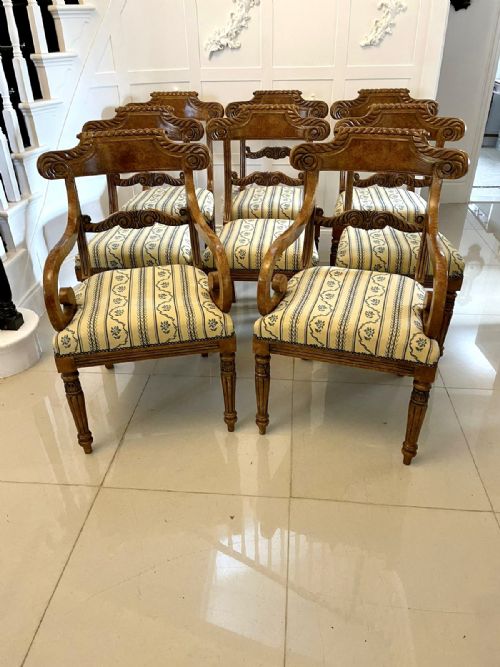


Painted Carved Wooden Seat
A painted carved wooden seat brings together surface colour and solid timber, offering versatile seating with historic character.
Painted Carved Wooden Seat
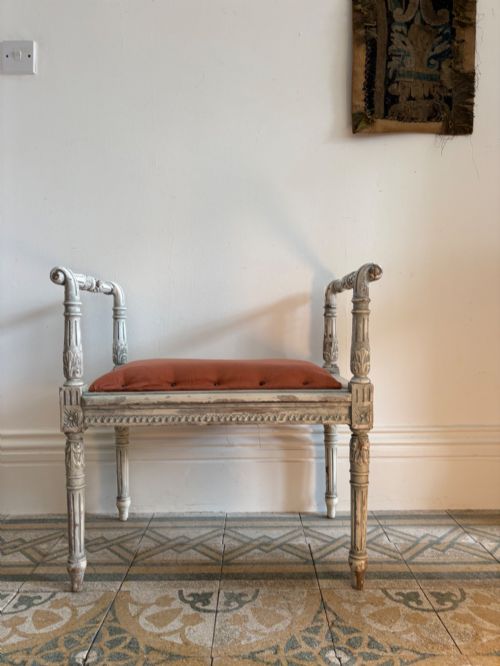
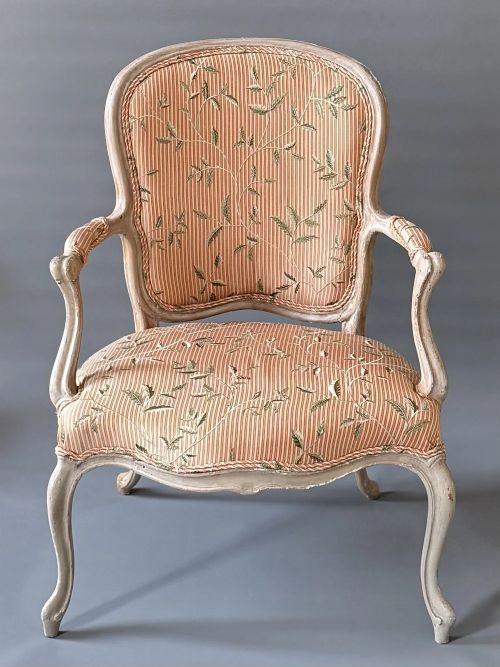
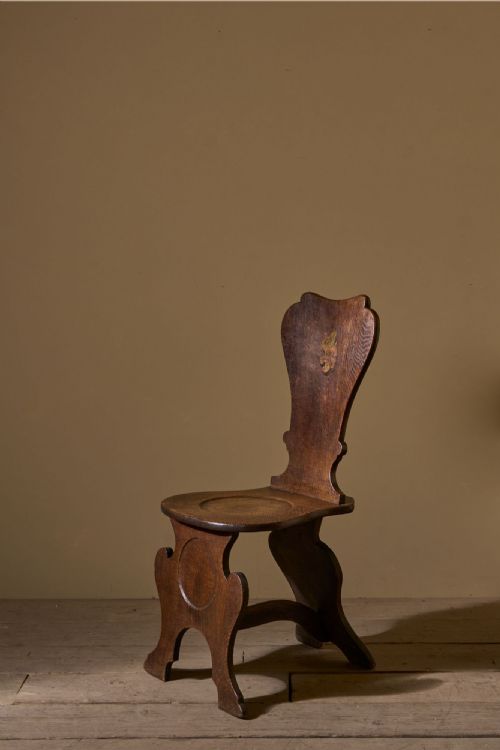
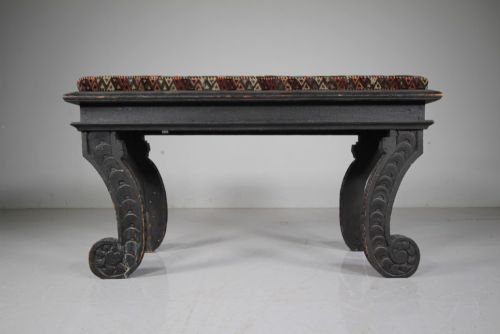
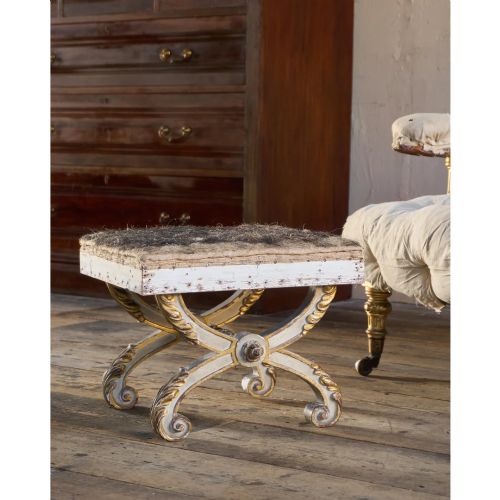
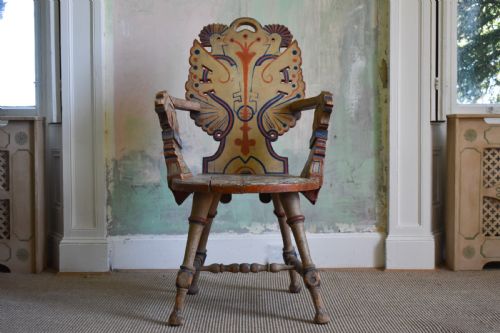
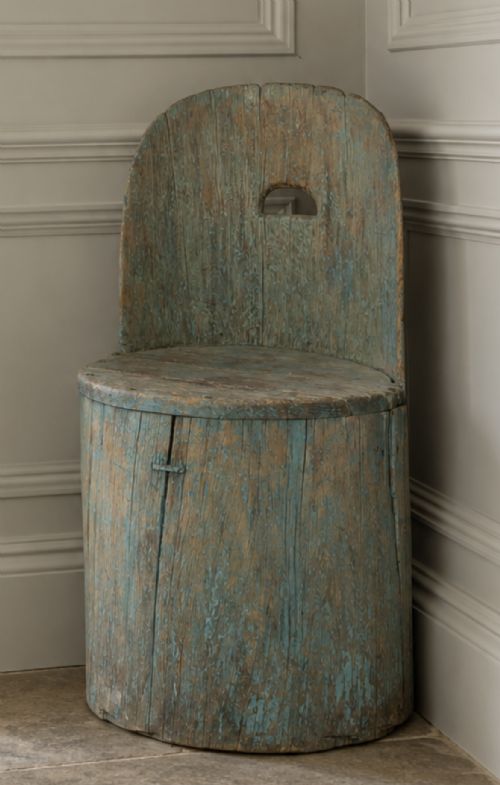
A painted carved wooden seat covers a wide selection of antique furniture forms, ranging from single hall chairs and armchairs to window seats, benches and settees. Buyers searching this phrase look for functional seating that carries decorative painted surfaces alongside carved details. The selection leans heavily towards items from the eighteenth and nineteenth centuries, alongside pieces produced around the nineteen hundreds.
Armchairs, side chairs and hall chairs appear frequently across the listings, often shaped in specific historical styles such as Gustavian, Regency, Louis XVI and French Provincial. These pieces originate from various regions including England, France, Sweden and Italy. Makers and workshops applied paint finishes to pine, mahogany, oak and walnut, occasionally combining the timber structures with cane or fabric upholstery.
How they were made
Craftsmen shaped these items from solid woods such as oak, mahogany, pine and walnut, utilising traditional carpentry joints to construct sturdy frames. Carving tools formed details like heraldic shields, fluted legs and structural motifs directly into the timber before the application of decorative paint layers.
Surfaces received hand-applied paint finishes, sometimes incorporating faux graining, gilding or decorative motifs directly onto the wood. Upholstered elements utilised traditional materials like silk, needlepoint panels and cane webbing inserted into frames.
Regional styles represented include English Georgian, French Provincial, Italian Venetian and Swedish Gustavian designs.
What varies in quality
Quality rests in the integrity of the original timber frame and the preservation of early painted surfaces rather than later overpainting. Pieces retaining their initial pigment layers show superior authenticity compared to examples subjected to modern refinishing.
The precision of the wood carving and the balance of the structural proportions distinguish finer workshops from standard production. Well-executed joinery ensures the seat remains stable during everyday use.
Miles & Edwards·Gillows·White, Allom & Co.
The Painted Carved Wooden Seat Glossary
- Gustavian
- A Swedish neoclassical design movement known for restrained geometric lines and pale painted finishes. This style emerged during the late eighteenth century under king Gustav III.
- Hall chair
- A rigid wooden seat intended for entrance halls rather than prolonged sitting. These often display painted family crests or carved armorial bearings.
- Window seat
- A long, narrow bench designed to fit beneath window recesses. Examples typically feature arm rests at one or both ends.
- Savonarola
- An X-framed folding armchair constructed from intersecting wooden slats. The design dates back to the Italian renaissance.
- Cane
- Woven rattan strips utilised for chair seats and backs. This material provides lightweight flexibility within a wooden frame.
Painted Carved Wooden Seat: Frequently Asked Questions
Where should I place a window seat?
Window seats fit well beneath low windows or along narrow hallways where depth is limited. Their compact profiles also suit bedrooms placed at the foot of a bed.
Ensure the height matches nearby furniture if utilised alongside tables or within companion seating arrangements.
How do I care for original painted wood?
Dust surfaces regularly with a dry cloth and avoid harsh chemical cleaners that might strip historic pigment layers. Keep items away from direct sunlight and excessive moisture.
Maintain stable indoor humidity levels to prevent the underlying timber from expanding or contracting.
What is a hall chair used for?
Hall chairs served as formal seating in grand entryways where visitors waited briefly. They were rarely designed for comfort, prioritising visual display instead.
Carved crests and painted heraldry on these seats identified the lineage of the household.
How do I identify a Gustavian piece?
Gustavian pieces display pale grey, white or cream paint finishes combined with understated neoclassical carvings. The forms draw direct inspiration from French Louis XVI design.
Swedish workshops simplified these continental styles to create lighter, balanced proportions.