

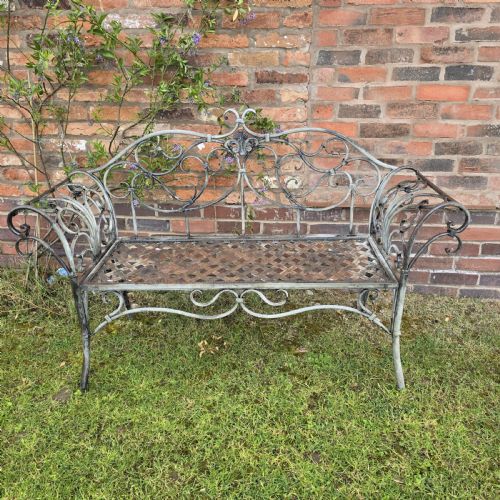


French Painted Loveseat
A french painted loveseat brings compact seating with classic continental proportion into a room, offering intimate comfort for two.
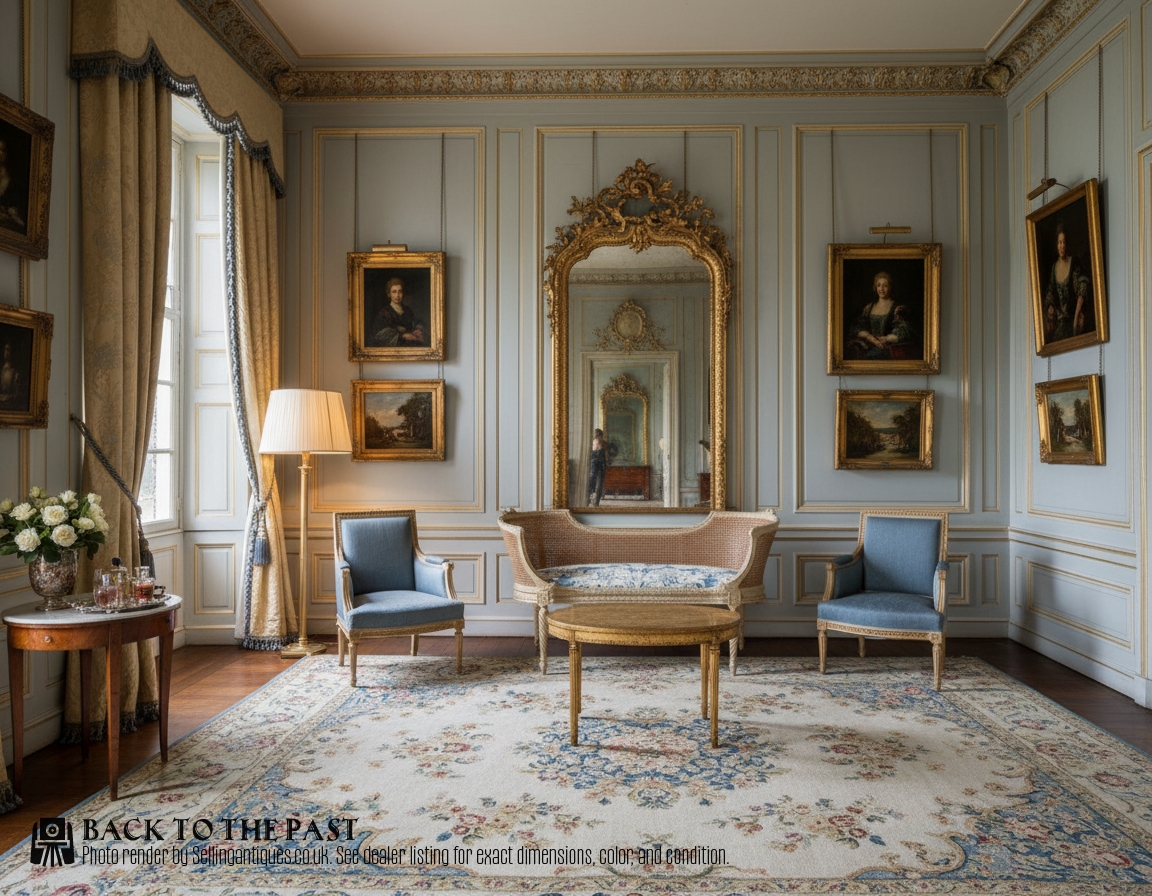
French Painted Loveseat
When you search for a french painted loveseat, you encounter double seats designed for smaller proportions, often categorised across listings as settees, small sofas, and canapes. The examples found here span from the mid-nineteenth century through the early twentieth century, incorporating styles such as Louis XV and Louis XVI alongside French country and chateau influences.
Most pieces on this page present painted wood frames with integrated upholstery, cane panels, or textile coverings. Forms range from triple back settees and bergere settees to garden benches and canework couches resting on fluted legs or cabriole supports.
Materials and construction
Makers utilised solid timbers such as beech for the structural framework, shaping the wood to follow classic stylistic curves and rectilinear neoclassical lines. Surfaces received coats of paint, often layered to achieve a distressed or aged finish over time.
Upholstery techniques combined traditional textile coverings and fabric with supportive inner stuffing, while other variants integrated woven cane panels into the backrests and seats. Metal elements such as brass tacks occasionally appear to secure the fabric edges to the wooden frames.
French Painted Loveseat Retail Price Guide 2026
Typical asking prices for french painted loveseat among the pieces listed under this phrase on Sellingantiques today, from the lower quarter to the upper quarter. They describe what is for sale here now, not the wider market.
Listings on this site feature painted wood, beech, cane, and textile materials across nineteenth and early twentieth-century periods.
Assessing the range of quality
Quality in these double seats reveals itself in the crispness of the wood carving and the proportional harmony of the frame. Finer pieces demonstrate confident joinery and balanced ornamentation that reflects the specific historical revival style they emulate.
The integrity of the structural paint finish and the tightness of any integrated canework also separate simpler vernacular seating from more polished decorative examples. The cohesion between the frame design and the chosen textile covering dictates the overall visual success of the piece.
The French Painted Loveseat Glossary
- Canape
- An upholstered sofa or settee, typically featuring a decorative wooden frame associated with French period seating.
- Bergere
- An enclosed upholstered armchair or settee with solid upholstered sides, offering a comfortable and substantial seat.
- Canework
- Woven cane material utilised for the backrests or seats of lightweight wooden seating.
- Fluted legs
- Vertical parallel grooves carved into furniture legs, characteristic of neoclassical design vocabularies.
French Painted Loveseat: Frequently Asked Questions
How do I style a french painted loveseat?
These compact seats fit well in smaller reception spaces, bedrooms, or hallways where standard sofas prove too bulky. Pair them with neutral walls to let the painted finish and carved details stand out.
They also work effectively as accent seating opposite larger armchairs or positioned beneath tall windows to make practical use of natural light.
What is the difference between Louis XV and Louis XVI styles?
Louis XV furniture is defined by asymmetrical curves, organic motifs, and flowing cabriole legs. It avoids straight lines in favour of fluid, serpentine shapes.
Louis XVI design marks a return to classical symmetry, featuring straight fluted legs, geometric proportions, and rectangular or oval backrests.
Are these settees comfortable for daily use?
Most pieces were built for formal reception rooms rather than deep lounging, offering upright support suited to conversation. Upholstered versions provide softer seating, while caned variants feel firmer.
Adding small cushions can adjust the depth and comfort level to suit your personal preference for everyday sitting.
How can I date a painted wooden settee?
Dating relies on observing the stylistic markers and construction methods visible in the woodwork. Pieces from the nineteenth century often show heavier proportions and distinct revival motifs.
Early twentieth-century examples frequently adopt lighter neoclassical revival lines, while garden variants utilise more robust metal construction suited to outdoor exposure.