


Vintage Caned Settee Bench
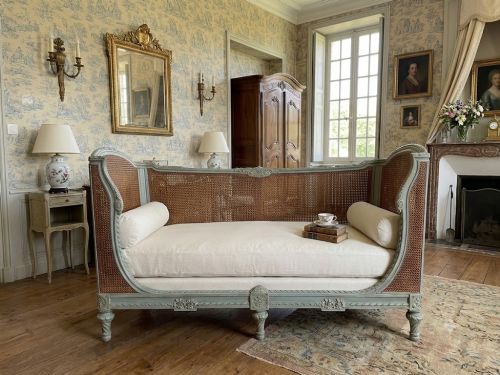
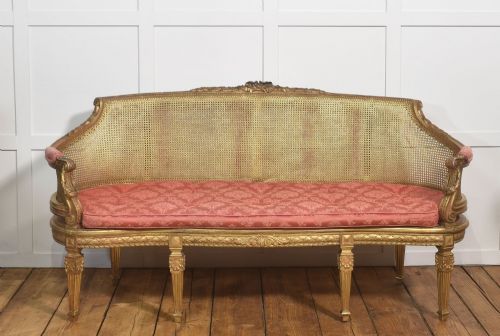
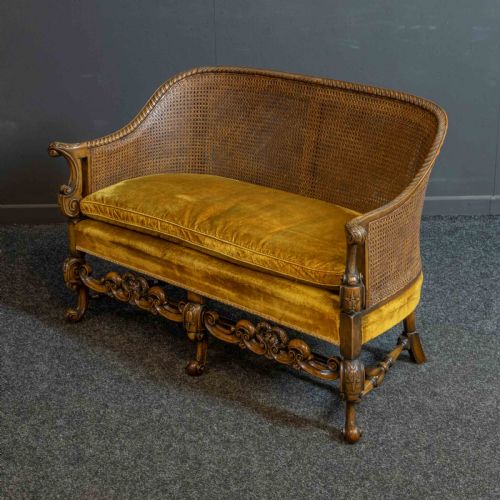
These vintage caned settee bench pieces offer woven seating through French styles and Anglo-Indian forms dating from the nineteenth and early twentieth centuries.
Vintage Caned Settee Bench
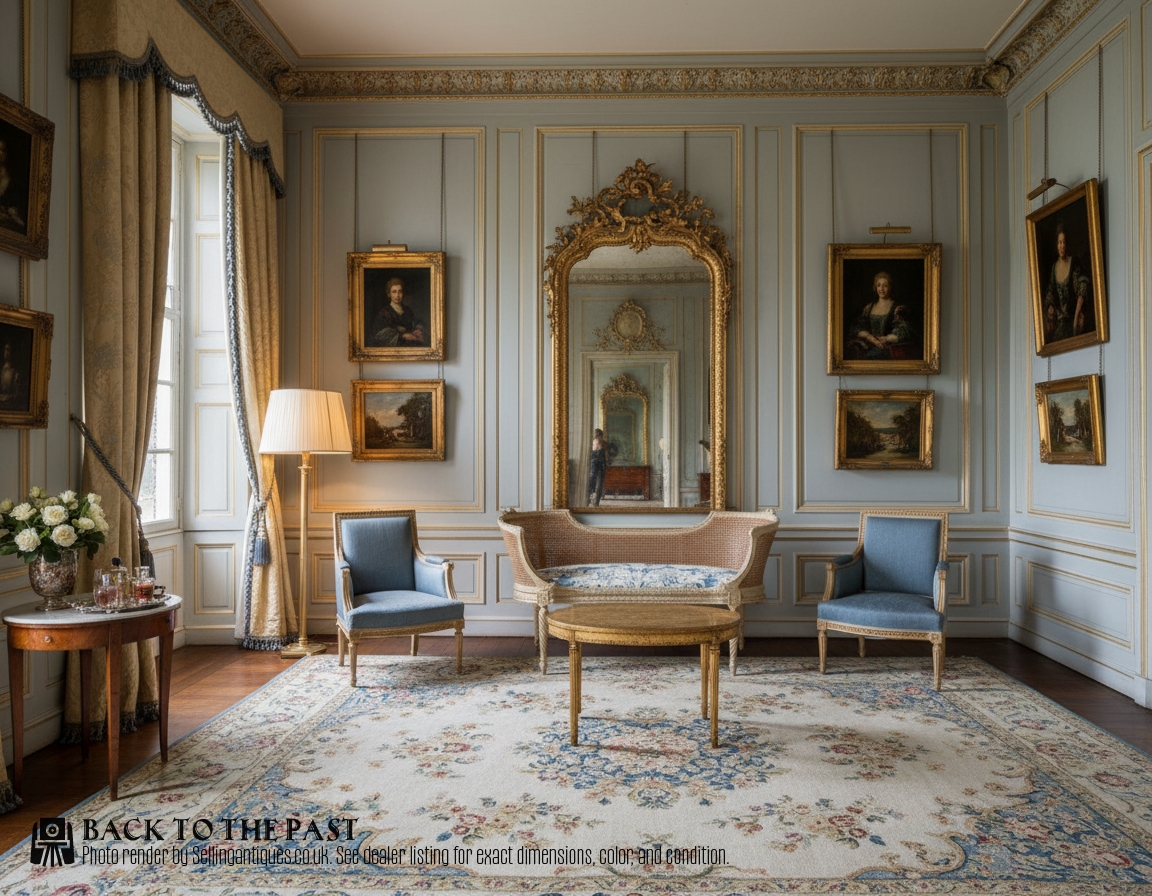
A vintage caned settee bench bridges the gap between formal seating and functional daybeds, utilising woven cane panels across backs and arms. Buyers searching this phrase encounter nineteenth century pieces alongside items from around nineteen ten and nineteen twenty.
The selections span French Louis XVI and Louis XV styles, alongside Anglo-Indian designs and Viennese bentwood. Painted wood, giltwood, walnut, and beech form the primary framework for these settees, sofas, and daybeds.
French painted caned sofas and bergères dominate the available forms, often featuring carved wooden frames. Pieces range from small painted canework couches to larger daybeds and love seats.
Materials and construction methods
Makers utilised solid hardwoods such as walnut, beech, and Ceylonese hardwood to build the structural frames of these settees. Skilled artisans shaped these woods into curved rails and carved legs, frequently applying paint, giltwood, or bleaching techniques to the finished surfaces.
Caning involves weaving natural plant material through drilled holes along the wooden seat frames and backrests to create a resilient, open mesh. This woven canework provides both structural support and decorative texture across daybeds and love seats.
Listings span the nineteenth century and the early twentieth century, featuring walnut, beech, and painted wood.
Assessing quality in caned seating
Quality rests in the precision of the frame carving and the tightness of the woven cane panels. Superior examples feature crisp architectural details on walnut or giltwood frames alongside evenly tensioned canework.
The distinction between standard production and finer work appears in the execution of painted or gilded surfaces and the fluidity of style revival forms, such as Louis XVI or Anglo-Indian models.
The Vintage Caned Settee Bench Glossary
- Cane
- Woven material made from peeled rattan or similar plant stems. It creates a breathable, flexible panel for seat backs and bases.
- Bergère
- An enclosed upholstered or caned armchair or sofa with wooden frames. These French forms often feature padded armrests and curved backs.
- Giltwood
- Timber treated with a thin layer of gold leaf or gilt powder. This finish appears frequently on decorative nineteenth century frames.
- Louis XVI Style
- A neoclassical design vocabulary characterised by straight lines, symmetry, and classical motifs. It influences many of the painted and caned settees from nineteen ten.
Vintage Caned Settee Bench: Frequently Asked Questions
How do I clean caned furniture?
Dust cane panels regularly using a soft brush attachment or a dry cloth to prevent dirt accumulation within the weave.
Maintain the moisture of the natural material by occasionally wiping the cane with a damp sponge, followed by thorough drying.
Where should I place a settee?
Position these pieces away from direct heat sources and strong sunlight to prevent the wooden frames from warping and the cane from becoming brittle.
Living rooms, bedrooms, and spacious hallways provide suitable environments where the woven backrests remain visible.
Can I reupholster a caned sofa?
Many of these settees feature integrated cane panels rather than upholstered backs, meaning the woven structure remains the primary decorative element.
Loose cushions in fabric or linen are often added to the seat base for comfort while leaving the caned back exposed.
What defines the French style?
French styles on this page draw from Louis XV and Louis XVI periods, featuring curved cabriole legs or straight neoclassical lines.
Painted or gilded finishes often accompany these frameworks, distinguishing them from darker walnut or bleached Anglo-Indian variants.