
Carved Cabriole Chest
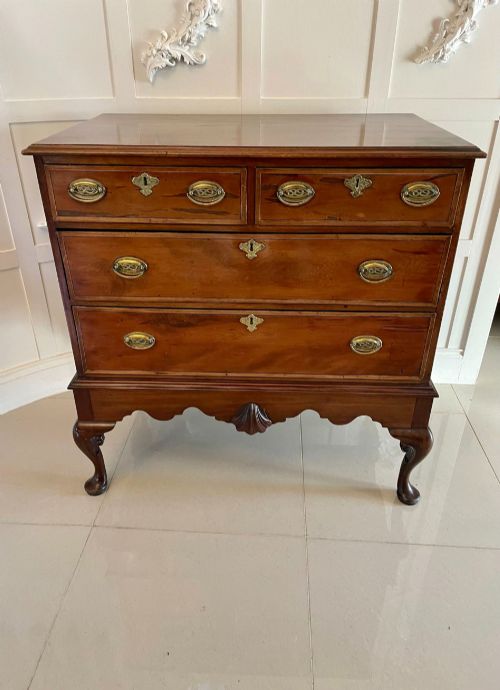
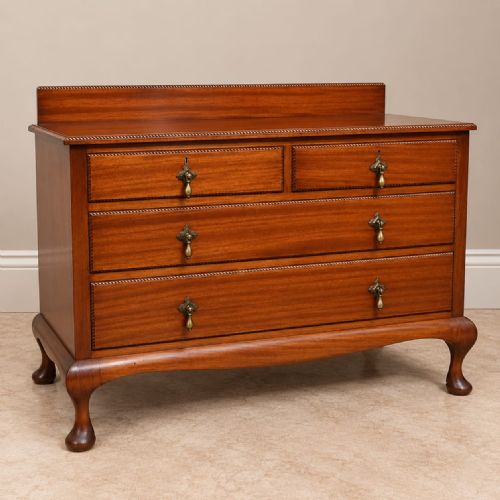
A carved cabriole chest brings together rhythmic curved legs and substantial storage, offering a traditional storage piece with distinct decorative presence.
Carved Cabriole Chest
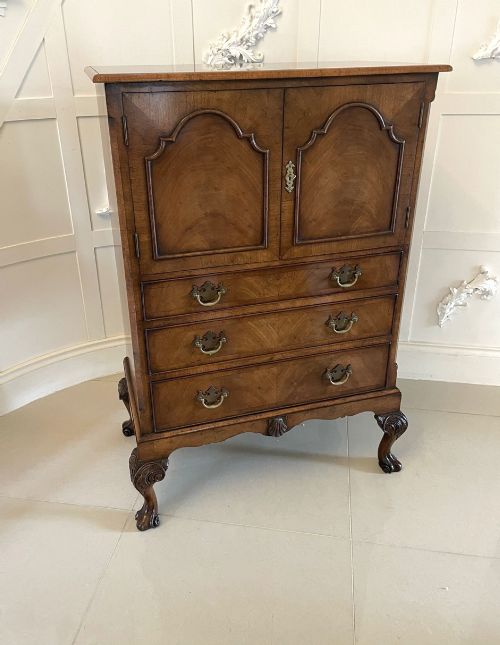
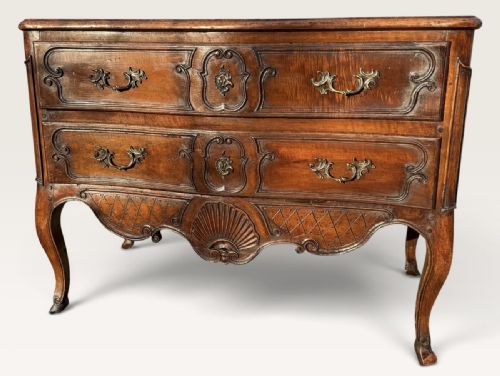
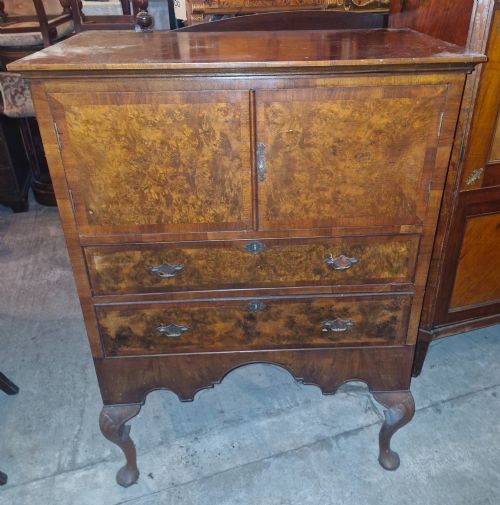
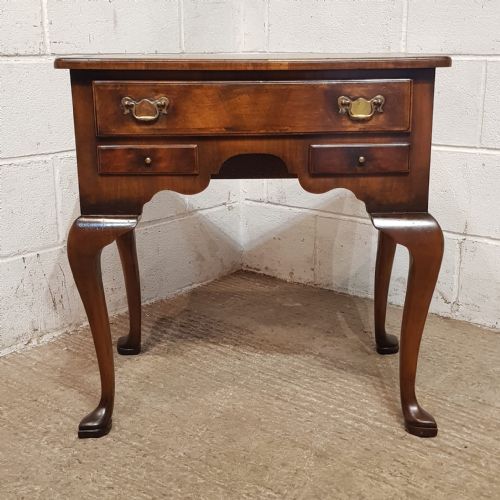
A carved cabriole chest search reveals items featuring distinctive curved supports beneath various forms of storage furniture. The selections span standard chests of drawers, lowboys, commodes, and chests on stands.
The evidence shows examples emerging from the eighteenth century through to early twentieth-century revivals. Buyers frequently encounter walnut, mahogany, and oak pieces influenced by Queen Anne, Georgian, and Louis XV designs.
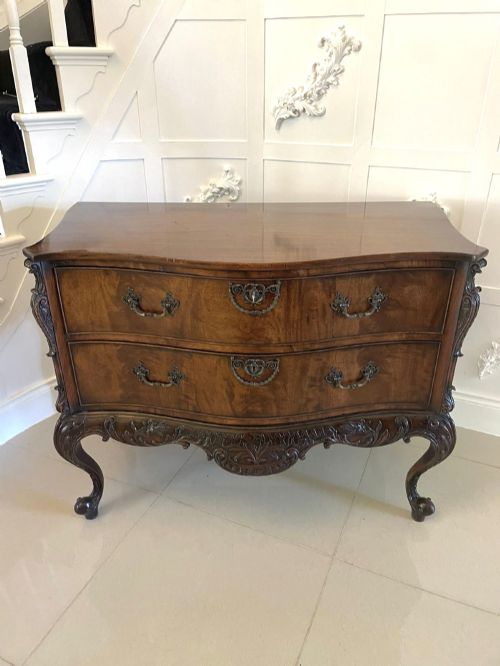
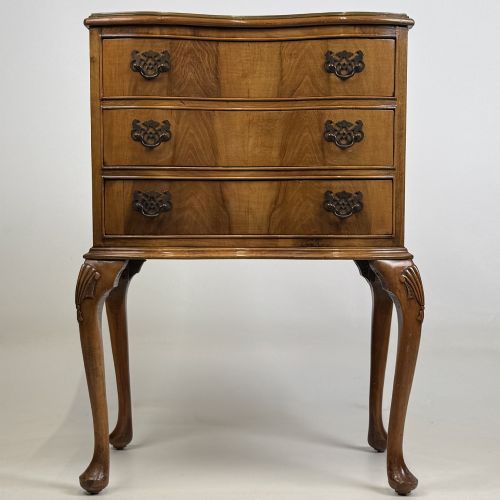
Many variations incorporate serpentine fronts, raised stands, or marble tops alongside traditional drawer configurations. These pieces function across domestic spaces as bedside cabinets, side tables, or primary drawer units.
How they were made
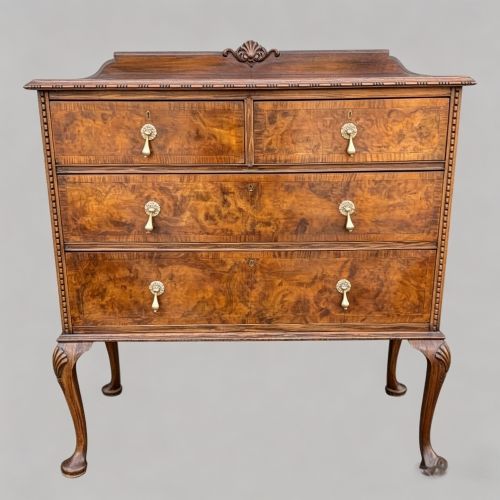
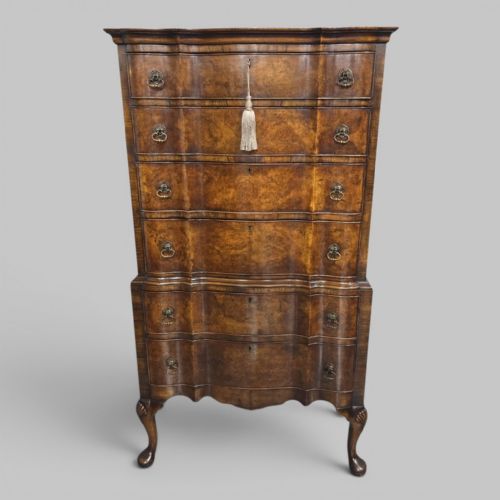
Cabinet makers utilised dense hardwoods including mahogany, oak, and walnut, frequently applying burr walnut veneers to primary surfaces for figured grain patterns. These timbers provided the structural stability required for deep drawers and raised stands.
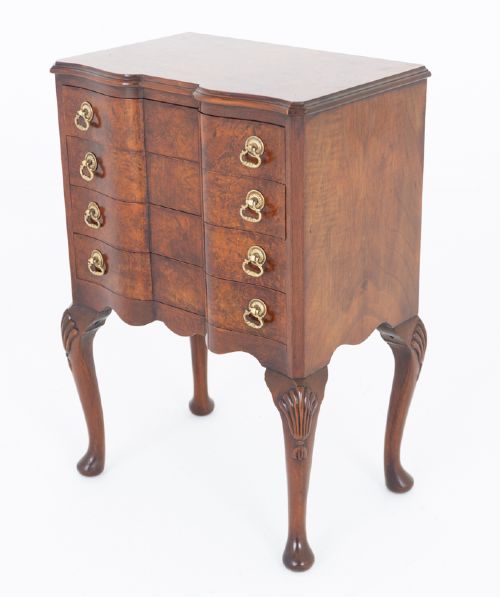
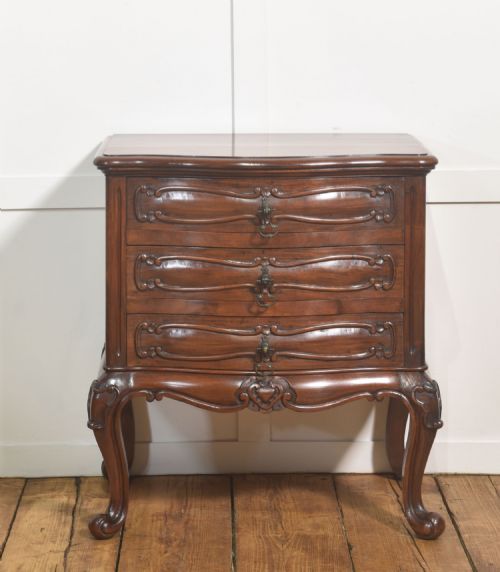
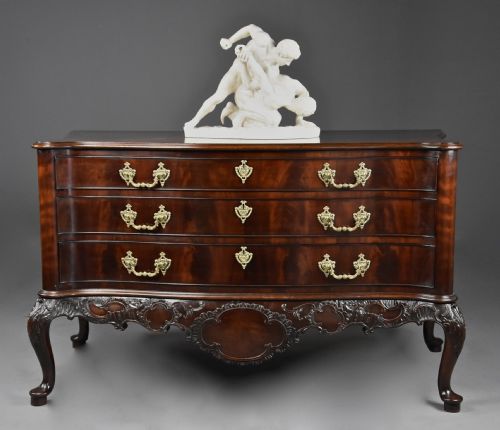
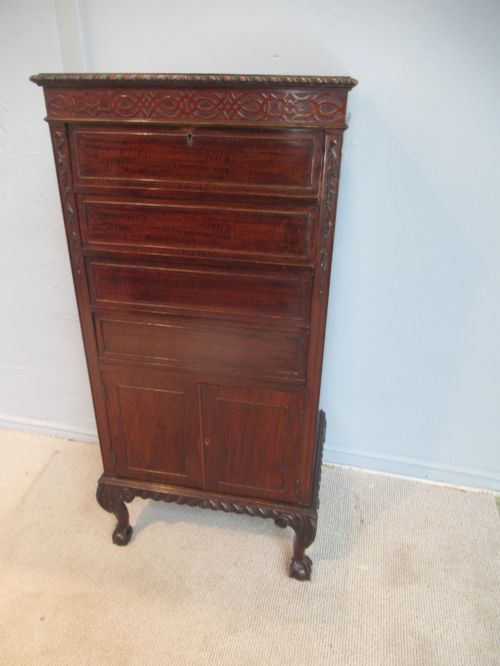
Surface decoration relied heavily on skilled carving applied directly to solid wood frameworks, particularly around the knees of cabriole legs and along friezes. Brass hardware, such as swing handles and escutcheons, complemented the dark timber tones.
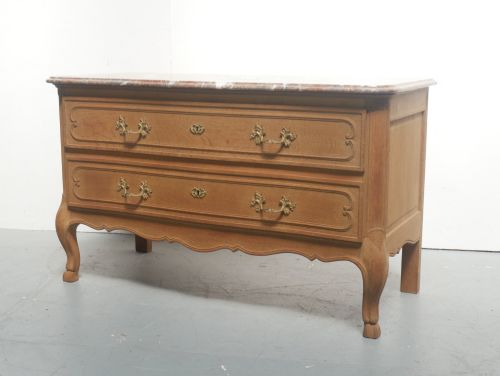
French and English workshops employed traditional joinery techniques to construct carcases and fit serpentine or concave fronts. Marble tops appeared on select continental commodes, adding weight and a contrasting cooling surface.
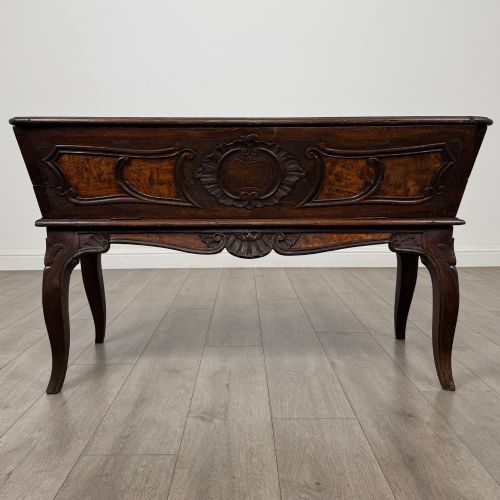
One unexpected survival in the evidence is a dedicated dough bin, proving that even bread preparation furniture occasionally adopted fine cabriole legs.
What varies in quality
The sophistication of the timber selection dictates the visual impact of the piece, particularly regarding matched burr walnut veneers. High-grade examples display continuous, symmetrical grain patterns across multiple drawer fronts.
The execution of the carved detail on the cabriole legs separates standard production from finer work. Crisp, deeply carved motifs demonstrate superior craftsmanship compared to shallow or mechanised shaping.
Proportion and structural harmony define the better examples, where the curve of the leg complements the mass of the upper chest. Pieces that integrate brass hardware sympathetic to the period demonstrate attention to historical detail.
Muirhead Moffat & Co
The Carved Cabriole Chest Glossary
- Cabriole leg
- A furniture leg featuring a double curve, typically arching outward at the knee and tapering inward toward the foot. This form derives from animal limbs and frequently terminates in pad or claw-and-ball feet.
- Lowboy
- A small dressing table or side table featuring one or more rows of drawers supported on four tall legs. These pieces commonly incorporate cabriole supports.
- Commode
- A low cabinet or chest of drawers, often of French origin, resting on short legs. Eighteenth-century versions frequently display serpentine fronts and rich veneer work.
- Chest on stand
- A storage chest elevated on a separate framework or base with legs. This configuration lifts the primary storage area higher off the floor.
- Serpentine front
- A furniture front curving outward in the centre and inward at the ends in a continuous undulating line. This shape requires advanced woodworking skill to execute properly.
- Burr walnut
- Timber sliced from walnut tree growths, producing intricate, swirling grain patterns. Cabinet makers prized this material for decorative veneering.
Carved Cabriole Chest: Frequently Asked Questions
What is a cabriole leg?
A cabriole leg is a stylistic furniture support that curves outward at the knee and inward at the ankle. It mimics the shape of an animal's leg and appears frequently on eighteenth-century and revival pieces.
This design adds visual lightness to heavy storage furniture. It usually terminates in a simple pad foot or a more decorative carved foot.
How do I date a walnut chest?
Dating involves examining the construction methods, timber choice, and hardware styles used in the piece. Eighteenth-century examples display hand-cut dovetails and native timber framing, while later revivals often use machine milling.
Secondary woods inside the drawers also provide clues to the region of manufacture. French commodes differ significantly in internal construction from English chests of the same era.
Where should I place a lowboy?
A lowboy suits hallways, bedrooms, or living spaces where a full-sized chest of drawers would overwhelm the floor plan. Its compact height allows it to function as a side table or a writing surface.
Many examples feature finished backs or refined drawer arrangements that look appropriate when viewed from multiple angles in an open room.
What is the difference between a commode and a chest?
A commode generally refers to a lower, wider cabinet or chest of drawers influenced by continental European styles. These pieces often feature serpentine fronts and decorative painted finishes or marble tops.
A standard chest of drawers focuses primarily on vertical storage capacity. British forms from the Georgian and Victorian periods tend to maintain stricter geometric lines than their French counterparts.