

Carved Burr Walnut Furniture
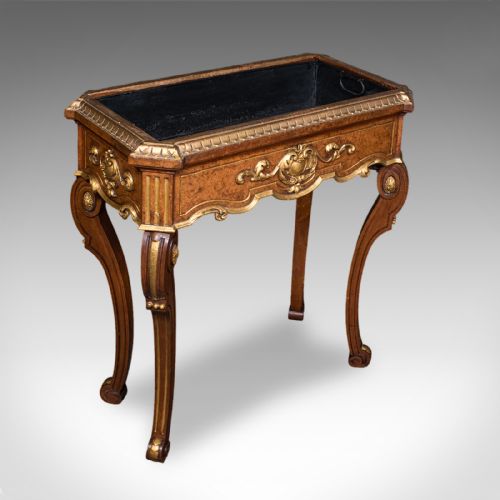
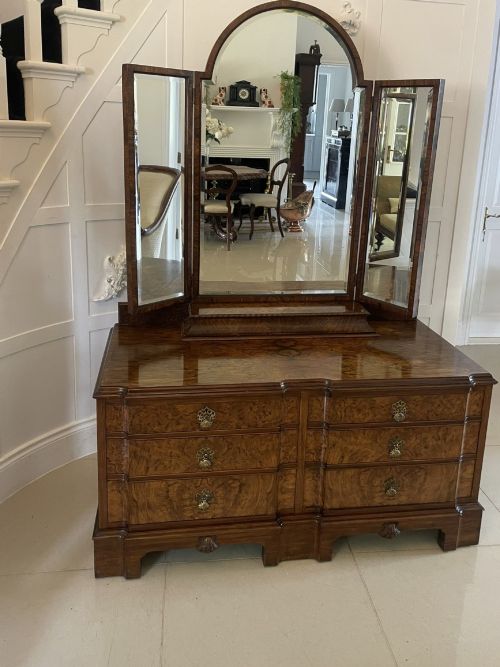
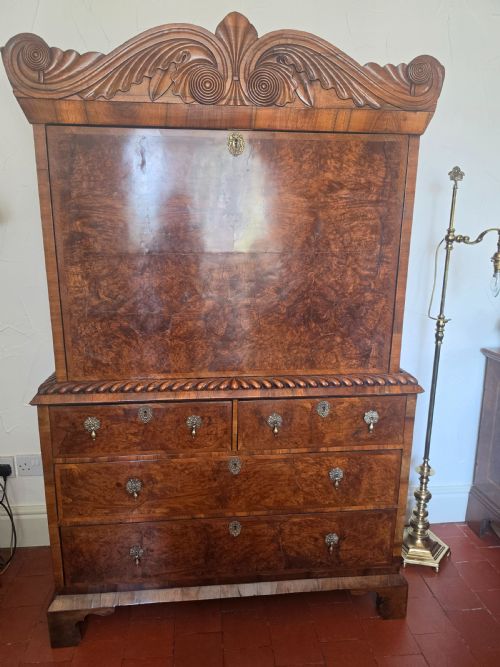
Carved burr walnut furniture brings together rich swirling timber and intricate carving across Victorian and Edwardian domestic pieces.

Carved Burr Walnut Furniture
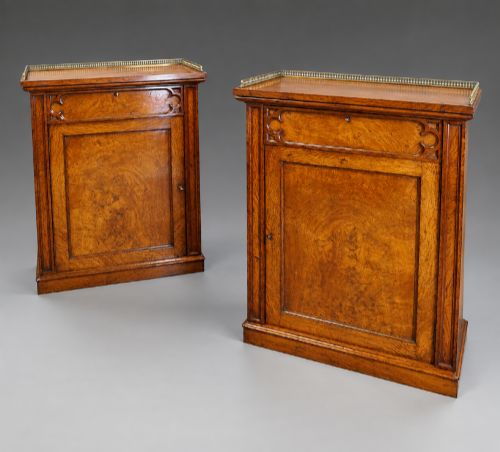
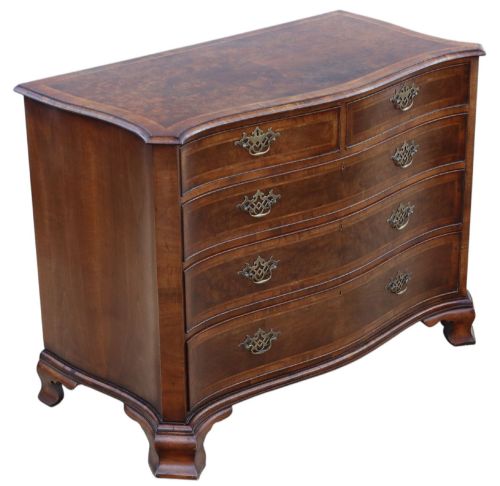
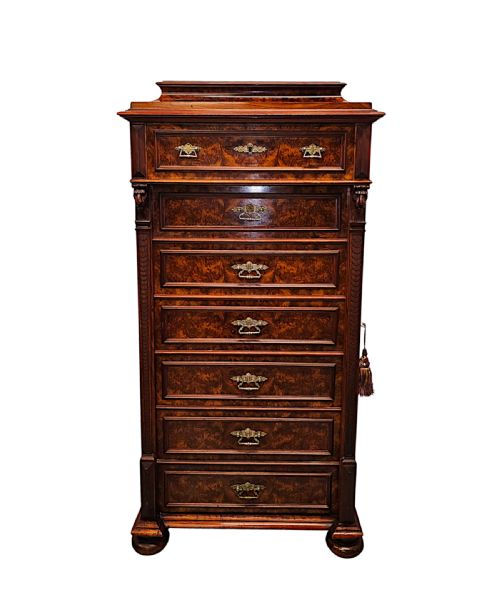
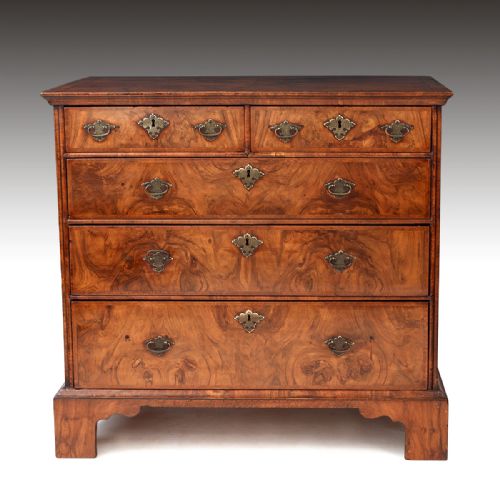
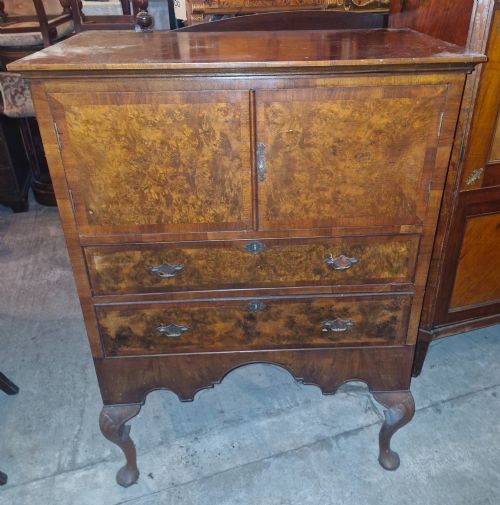
When buyers search for carved burr walnut furniture, they encounter an array of domestic items spanning the Victorian era, the Edwardian period, and the early twentieth century. These pieces encompass practical household forms such as chests of drawers, writing desks, centretables, canterburys, whatnots, and wardrobes.
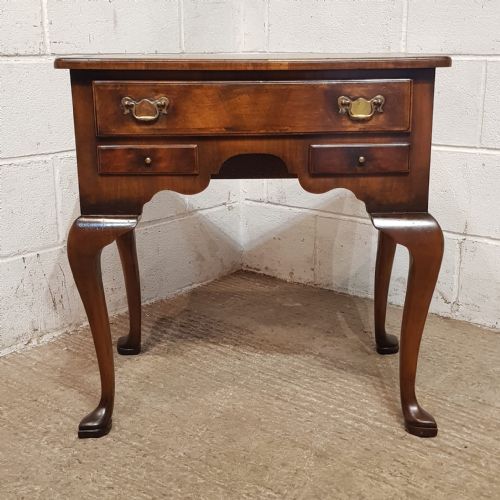
The most common examples on this page date from the nineteenth century, particularly the Victorian period, reflecting the Victorian taste for richly figured cabinetwork and ornamental timber. Alongside these large wardrobes and pedestal desks, smaller occasional pieces like work tables and bedside cabinets appear frequently.
Makers and manufacturers utilised timber harvested from the irregular growths of walnut trees to create distinct swirling grain patterns across drawer fronts and table tops. Pieces range from straightforward bedroom suites to elaborate glazed bookcases and cocktail cabinets styled in revival periods.
What varies in quality in carved burr walnut furniture
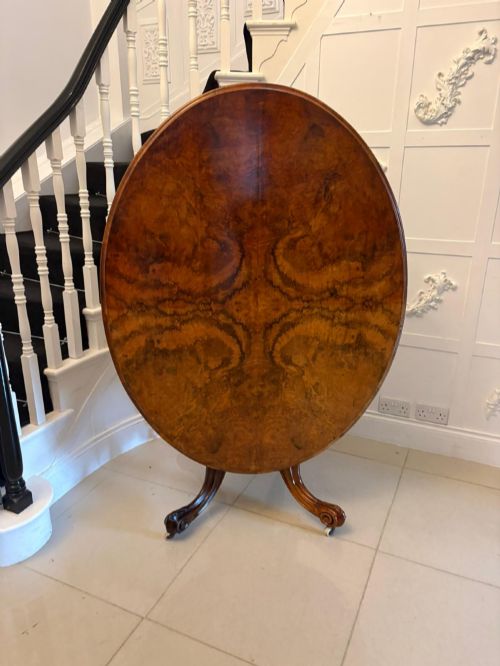
The primary distinction in quality lies in the selection and matching of the burr walnut veneer across large surfaces like table tops and wardrobe doors. Superior examples display symmetrical, continuous grain patterns that align harmoniously across multiple drawers or panels.
Carving detail dictates much of the distinction between standard and finer pieces, with superior items displaying crisp, deeply undercut hand-chiselled foliage and scrollwork rather than shallow machine-milled decoration. The choice of secondary timbers and the precision of the underlying cabinet construction further separate the workshop standards.
Listings feature items spanning the 18th Century, Regency, Victorian, Edwardian, and Art Deco periods, utilising burr walnut, oak, and brass.
Wylie & Lochhead Glasgow
The Carved Burr Walnut Furniture Glossary
- Burr walnut
- A veneer sliced from the knotty growth or burl of a walnut tree, prized for its complex, swirling grain patterns. It provides a highly decorative surface for cabinet doors and tabletops.
- Canterbury
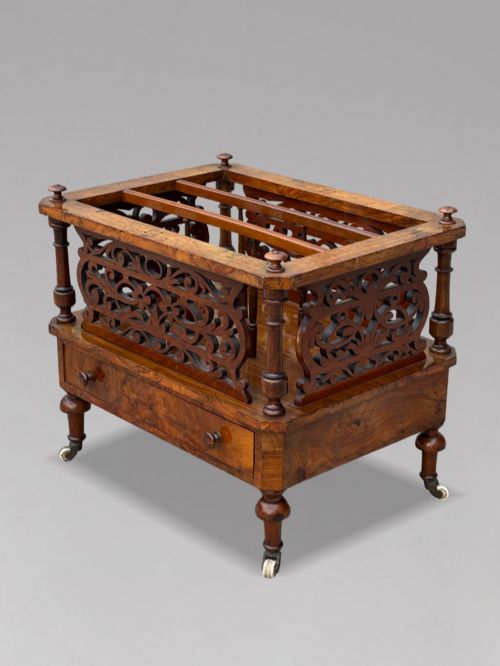
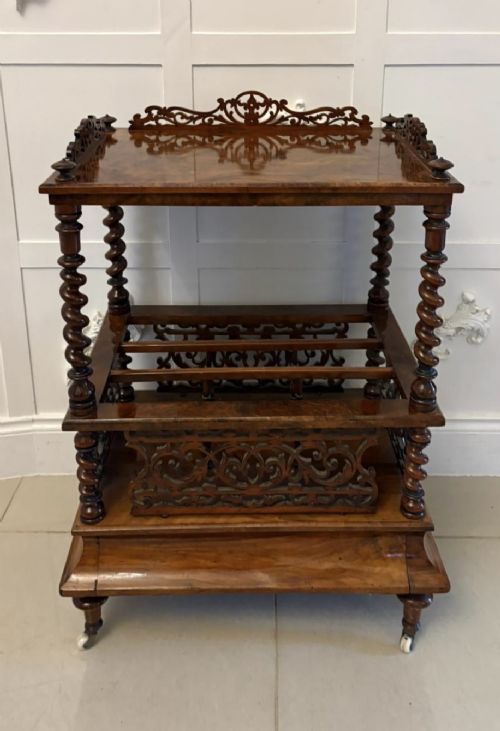
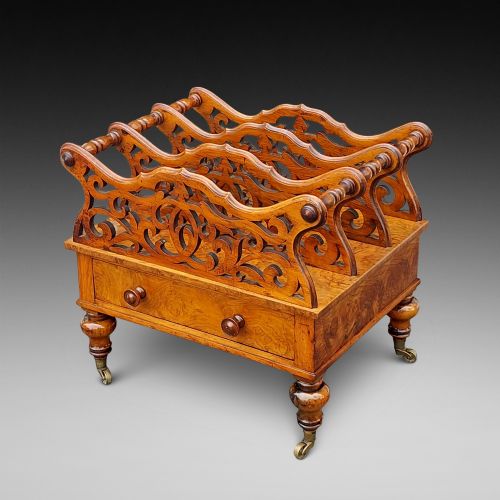
- A low multi-partitioned stand designed for holding sheet music, books, or newspapers. Originating in the late eighteenth century, Victorian examples often incorporate turned legs and carved dividers.
- Whatnot
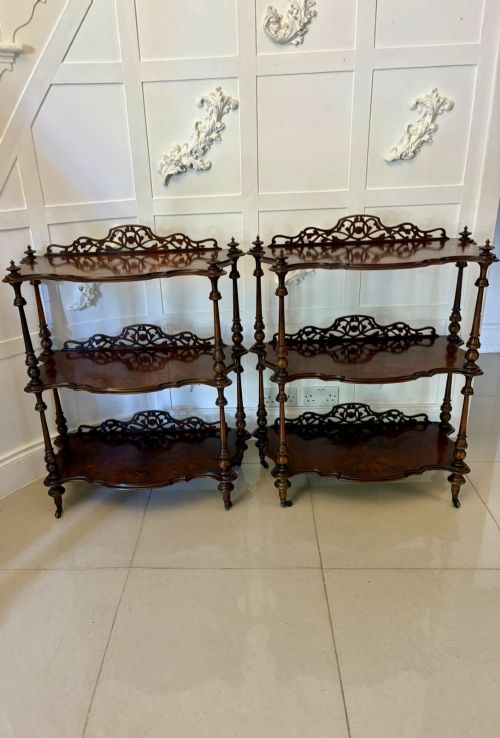
- A piece of open shelving supported by vertical pillars, used for displaying ornaments and books. They emerged in the nineteenth century with multiple tiers.
- Escritoire
- A writing cabinet featuring a drop-front writing surface that conceals smaller drawers and pigeonholes. These items date from earlier periods through to revival designs.
- Marquetry
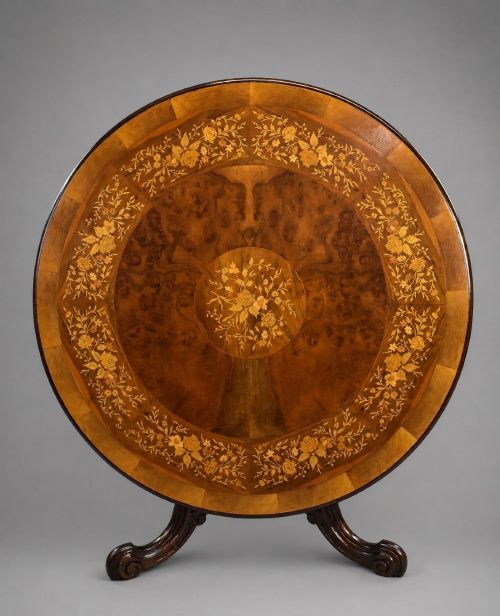
- The art of applying pieces of veneer to a structure to form decorative patterns and pictures. Craftsmen used contrasting woods to create floral or geometric motifs on tabletops and cabinets.
Carved Burr Walnut Furniture: Frequently Asked Questions
What is burr walnut veneer?
Burr walnut veneer is a thin slice of wood taken from the deformed growth or burl on a walnut tree. This growth produces a dense cluster of buds and swirling grain lines.
Cabinetmakers glued these decorative sheets onto stable base timbers to create highly figured surfaces on furniture fronts and table tops.
How do I care for burr walnut?
Burr walnut requires protection from direct sunlight and extreme humidity changes to prevent the veneer from drying out or lifting. Regular dusting with a soft, dry cloth maintains the finish without needing harsh polishes.
Keeping the timber away from direct heat sources preserves the natural oils and the stability of the glued surfaces.
What is a Canterbury used for?
A Canterbury is a low stand featuring vertical partitions designed originally to hold sheet music or folios near a piano. Victorians also utilised them in sitting rooms for newspapers and magazines.
Many examples include a single low drawer underneath the partitions for smaller accessories.
How do I identify Victorian pieces?
Victorian burr walnut furniture often displays dark, rich timber tones combined with elaborate carving, turned wooden pillars, and brass hardware. Construction methods typical of the period include hand-dovetailed drawer boxes and secondary woods like oak or pine.
Stylistic cues range from heavy, architectural pedestal desks to lighter occasional tables with serpentine edges and marquetry inlay.