

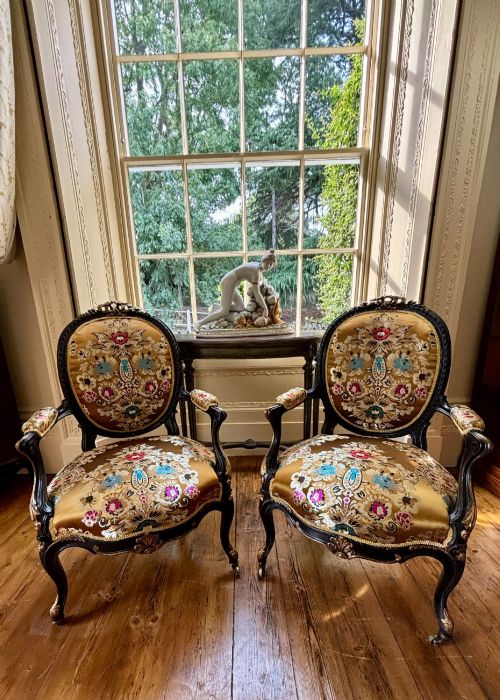
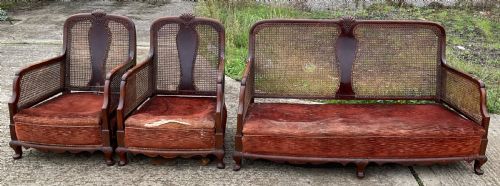
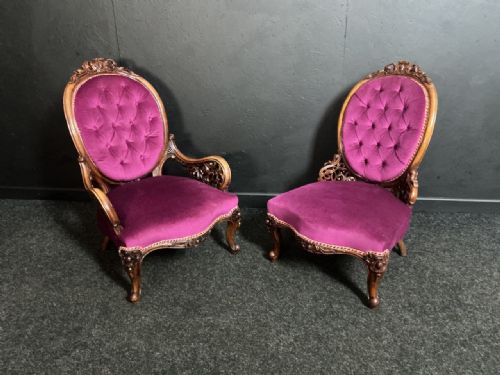
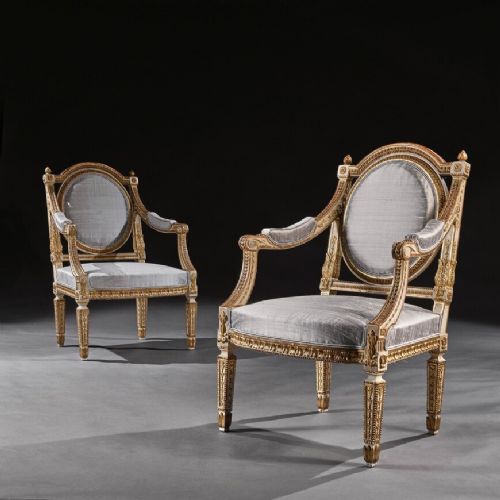
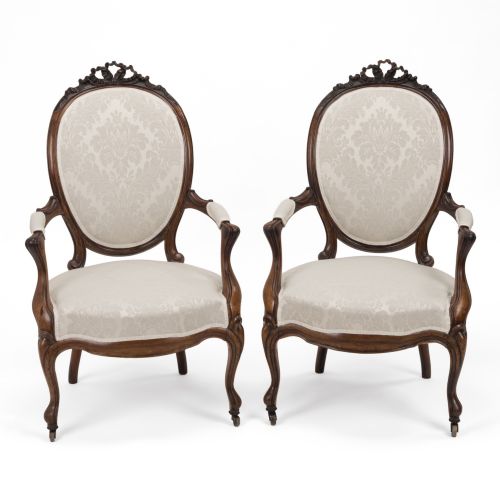
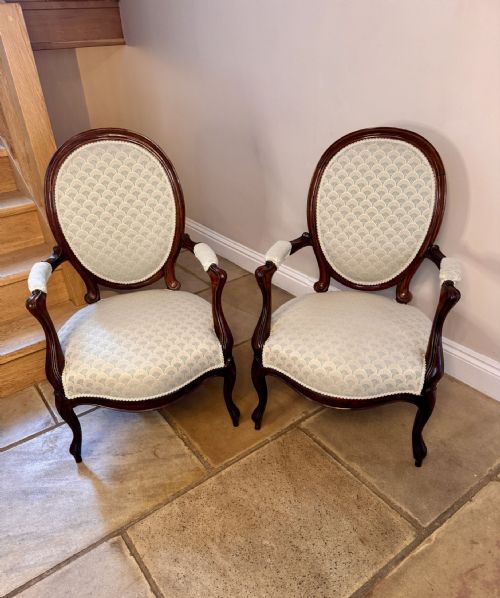
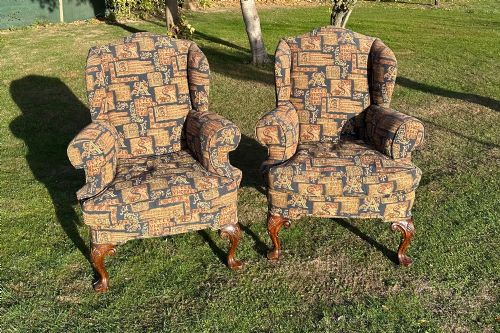
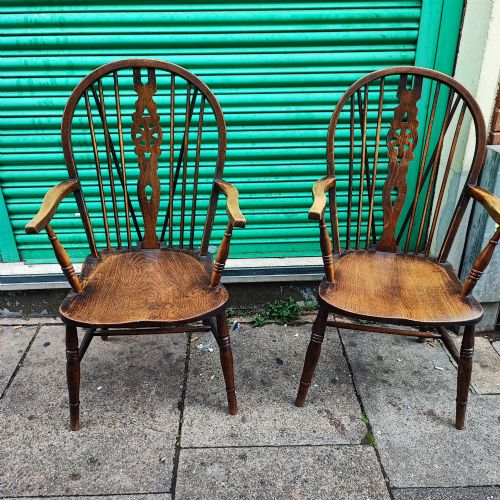
Carved Back Armchair Pair
A carved back armchair pair brings symmetry and architectural presence to a room, offering matched seating shaped by historical revivals and regional traditions.
Carved Back Armchair Pair
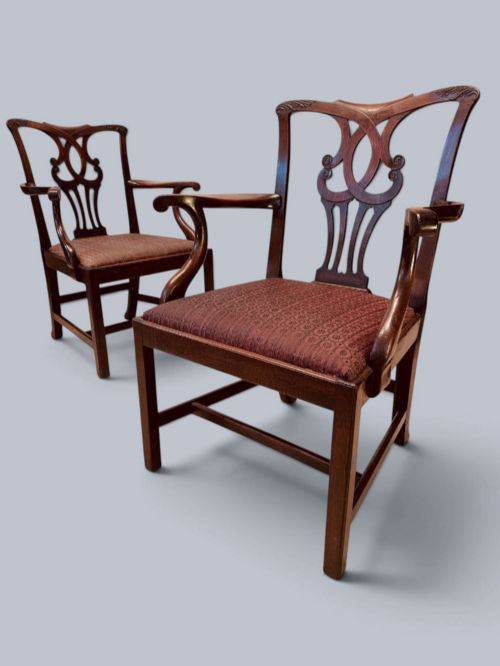
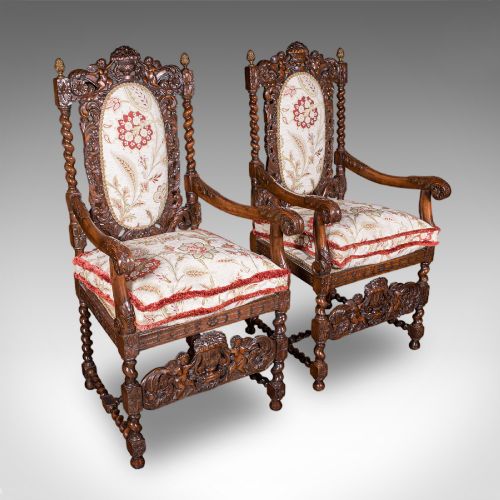
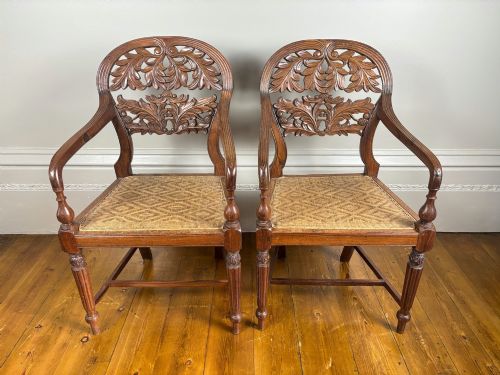
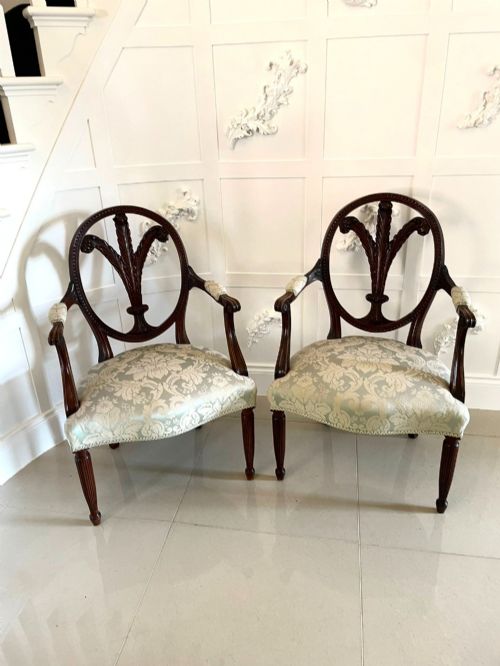
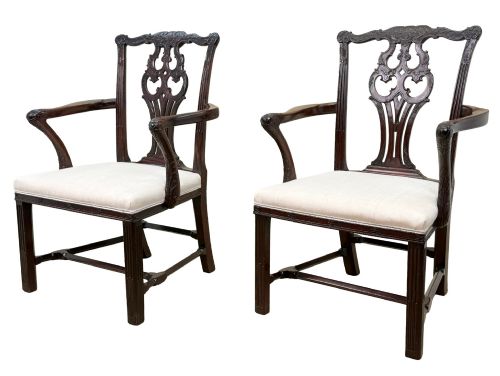
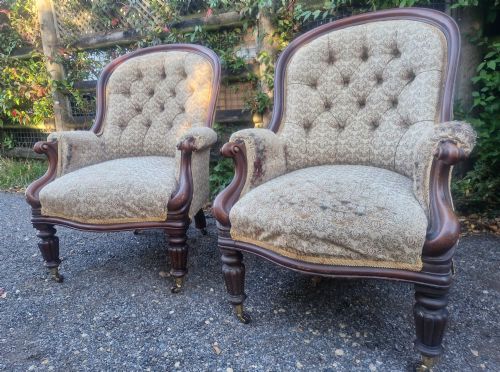
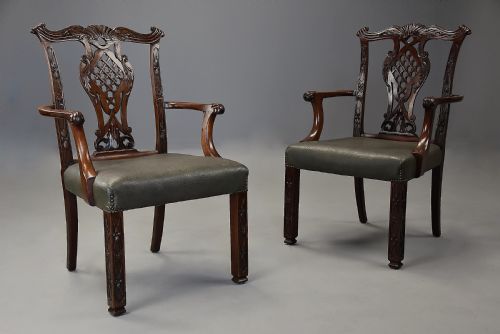
A carved back armchair pair encompasses seating built in matching sets of two, taking forms such as open armchairs, library chairs, wing backs, and elbow chairs. These pieces emerge from periods spanning the seventeenth through the early twentieth centuries, drawing on Victorian, Georgian, and continental aesthetics.
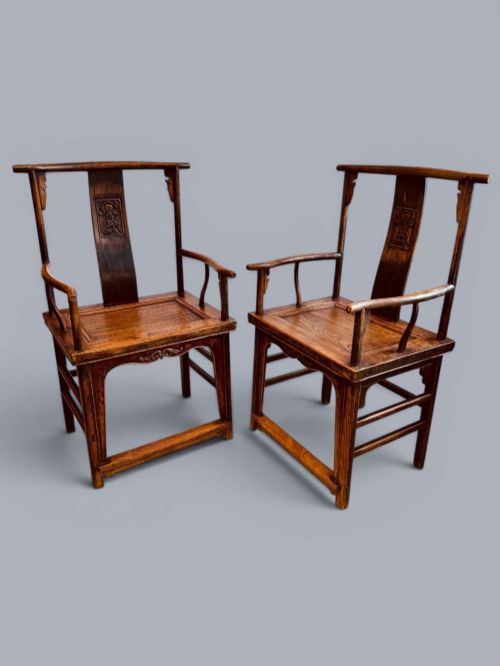
The selections visible here most frequently date from the nineteenth century, including specific decades from the eighteen-eighties onward, alongside revivals inspired by Chippendale, Louis XVI, and Baroque design. Buyers encounter varied regional interpretations, from English mahogany and walnut frames to French giltwood and Chinese hardwood versions.
Object types within this grouping extend beyond standard living room seating to encompass desk chairs, nursing chairs, and tub chairs, uniting distinct functional forms through the presence of carved wooden backrests.
Materials and Construction
Makers built these frames using dense timbers including mahogany, walnut, oak, rosewood, and elm, often applying hand-carved ornamentation directly to the structural wood of the backrest. Giltwood examples display applied gold leaf over carved gesso grounds, while other pieces utilise parcel-gilt highlights on painted or polished surfaces.
Upholstered variants integrate internal padding covered in leather, fabric, velvet, or cane seating panels secured with brass detailing. Joinery methods rely on traditional cabinet-making techniques suited to the particular wood species, ensuring structural stability across heavy hardwood and lighter softwood frames alike.
Carved Back Armchair Pair Retail Price Guide 2026
Typical asking prices for carved back armchair pair among the pieces listed under this phrase on Sellingantiques today, from the lower quarter to the upper quarter. They describe what is for sale here now, not the wider market.
Materials span mahogany, walnut, oak, and rosewood, paired with leather, velvet, cane, and giltwood surfaces.
Defining Quality
The standard of a carved back armchair pair depends upon the crispness and depth of the woodcarving on the backrest, where sharper relief and balanced symmetry indicate superior workshop execution. The choice of timber grain and the integrity of the original joints further separate standard production pieces from finer studio creations.
Consistency between the two chairs defines the pairing, ensuring that timber colour, carving motifs, and proportions match harmoniously without mismatched replacements. The survival of original upholstery materials, cane work, or surface finishes contributes significantly to the integrity of the set.
The Carved Back Armchair Pair Glossary
- Carver
- An armchair, typically designed with open arms, intended to match a set of dining or side chairs. These pieces often feature prominent arm supports and decorated backrests.
- Bergere
- An enclosed armchair with upholstered sides and back, typically featuring an exposed wooden frame. Originating in France, these seats often incorporate cane panels beneath loose squab cushions.
- Giltwood
- Timber that has been coated with a thin layer of gold leaf or gold paint. This finish appears frequently on decorative European revival armchairs.
- Spoon-back
- A padded chair back shaped with a concave oval contour that resembles the bowl of a spoon. This form gained popularity during the Victorian period for ergonomic comfort.
- Yoke-back
- A traditional chair design featuring a curved top rail resembling a yoke. This profile appears in Chinese hardwood seating traditions.
Carved Back Armchair Pair: Frequently Asked Questions
How do I style a mismatched room with a carved back armchair pair?
Placing a matched pair opposite a sofa or beside a fireplace creates immediate visual balance within an interior layout. The architectural quality of the carved wooden backs anchors the seating arrangement against plain or panelled walls.
Allowing sufficient space around each chair ensures the carved details and arm profiles remain visible from multiple angles. Neutral or complementary textiles nearby help integrate older wood tones with contemporary furnishings.
Were these chairs used at dining tables or desks?
Armchairs of this form served multiple domestic functions depending on their height and upholstery. Versions with lower seats and open arms functioned as desk chairs or parlor seating, while sturdier examples joined dining tables as host chairs.
Library and salon variants provided comfortable seating for reading or conversation rather than formal dining use. Examining the height of the seat and the projection of the arms clarifies the intended domestic application.
Can I replace damaged cane panels on antique armchairs?
Restoring damaged cane requires traditional hand-weaving techniques using natural rattan strand inserted through pre-drilled holes in the chair frame. Skilled artisans match the gauge and pattern of the original weave to maintain historical accuracy.
Preserving intact original cane is preferable where possible, but professional recaning ensures the structural tension of the seat or back is properly restored.