

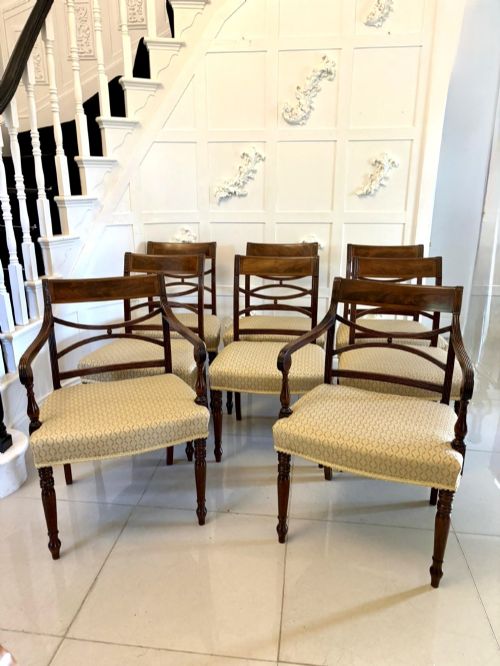
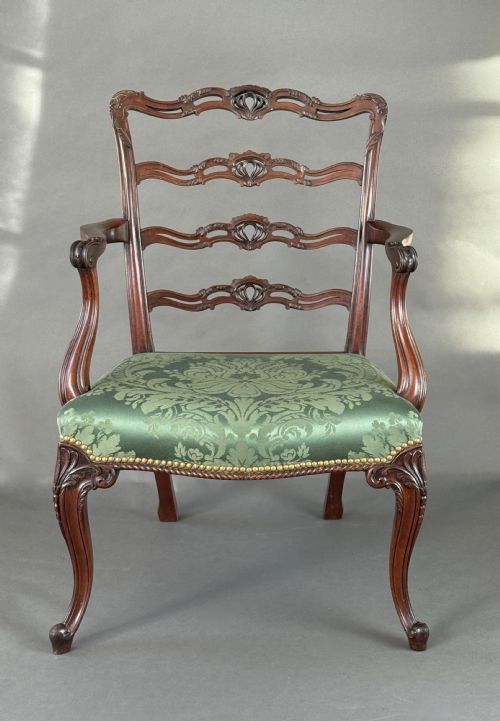
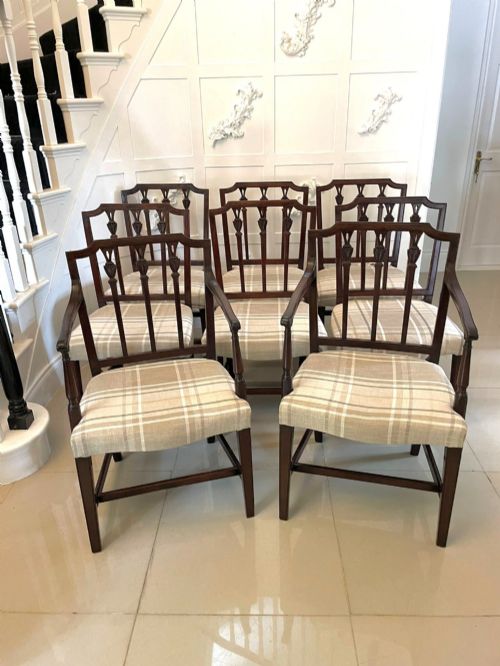
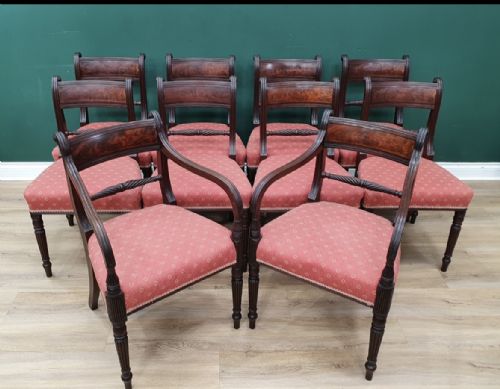
George III Mahogany Armchair
When you search for a george iii mahogany armchair, you enter a world of refined seating built during the Georgian period.
George III Mahogany Armchair
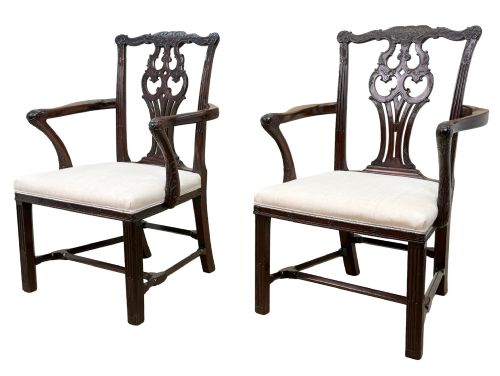
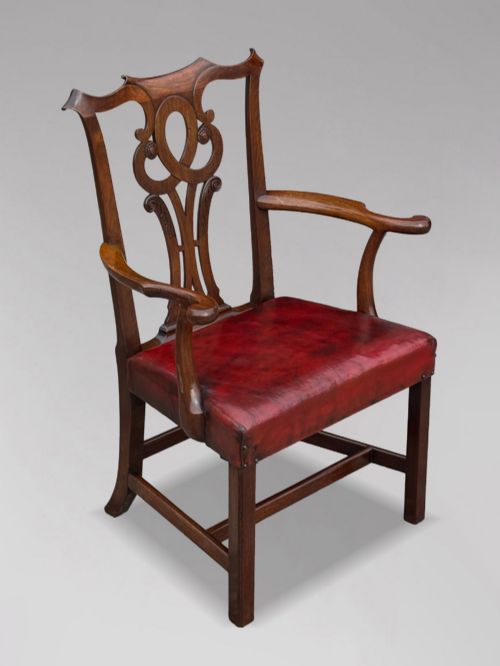
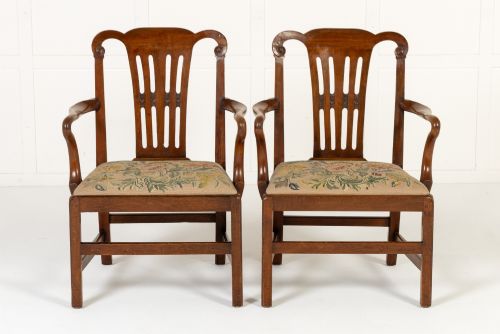
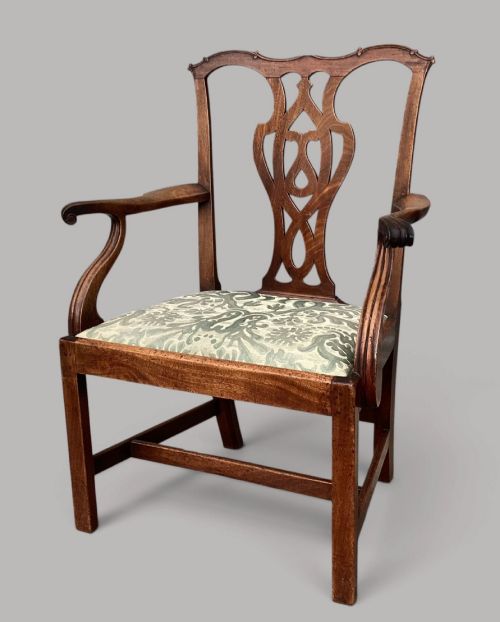
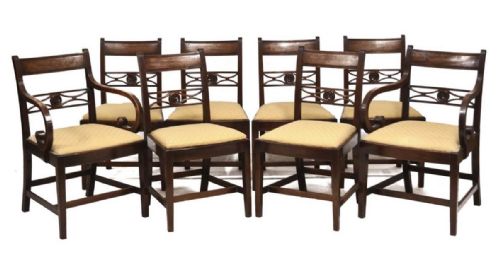
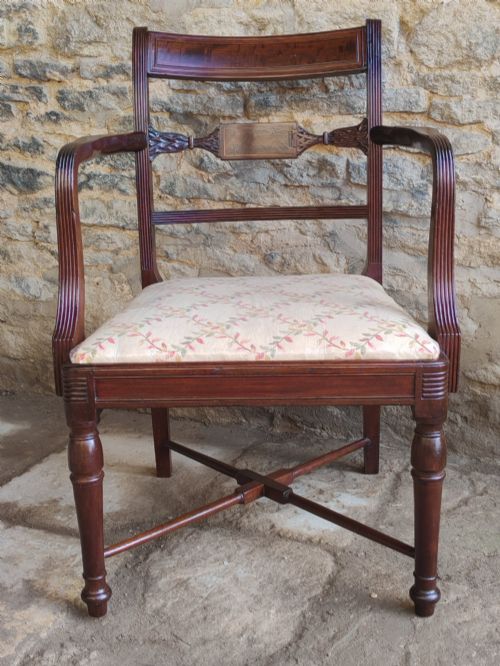
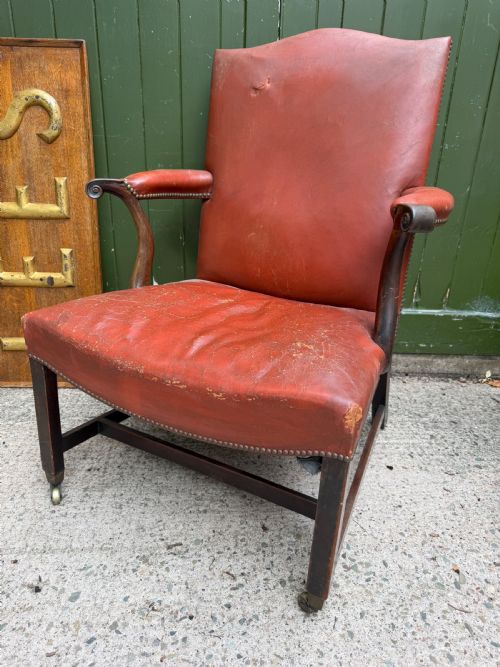
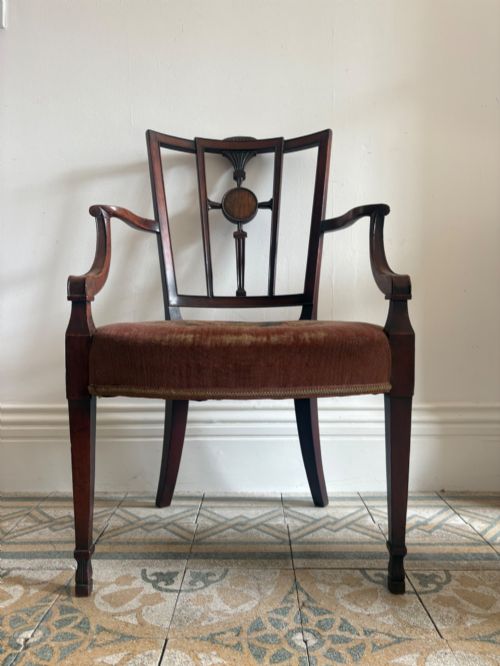
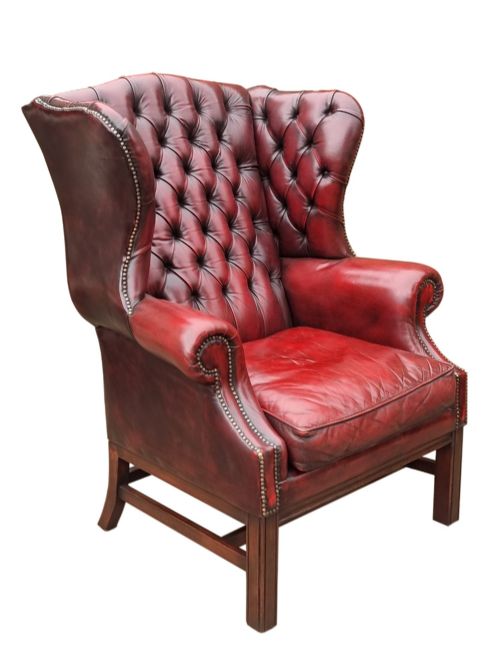
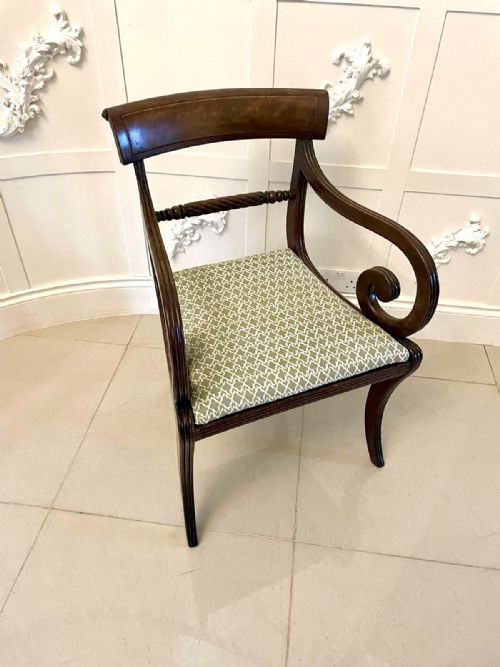
A george iii mahogany armchair encompasses a variety of seating forms from the eighteenth and early nineteenth centuries, including library library chairs, open armchairs, and dining carvers. Buyers frequently encounter generous Gainsborough and wingback chairs upholstered in leather or fabric, alongside sets of dining chairs featuring open frames.
The selections span distinct stylistic influences such as Hepplewhite, Sheraton, and Chippendale designs, reflecting the prevailing tastes of the Georgian era. Makers utilised robust mahogany timbers to construct everything from substantial library seating to smaller child chairs and corner variants.
How they were made
Craftsmen shaped dense mahogany solids and veneers into sturdy frames, frequently employing carved details on the arms, rails, and legs. Joinery relied on traditional mortise and tenon methods to ensure structural integrity across heavy library chairs and lighter open armchairs.
Upholstery involved traditional stuffing techniques utilising horsehair or natural fibres beneath outer coverings of leather, velvet, damask, or tapestry. Decorative elements such as brass nail-heads, rosewood roundels, and intricately carved splats completed the construction.
George III Mahogany Armchair Retail Price Guide 2026
Typical asking prices for george iii mahogany armchair among the pieces listed under this phrase on Sellingantiques today, from the lower quarter to the upper quarter. They describe what is for sale here now, not the wider market.
Rarely, a drunkards chair appears, built with a curved seat base to keep unsteady sitters firmly anchored.
What varies in quality
Quality depends upon the crispness of the hand-carving on the woodwork and the selection of the mahogany timber itself, with dense grain and rich colour marking superior examples. The integrity of the original frame construction and the subtlety of proportion distinguish standard dining carvers from exceptional library seating.
The historical accuracy and retention of traditional upholstery methods, along with documented attribution to established makers like Gillows, elevate the standing of an individual piece within the historical record.
Gillows·Ince and Mayhew·Robert Manwaring
The George III Mahogany Armchair Glossary
- Gainsborough armchair
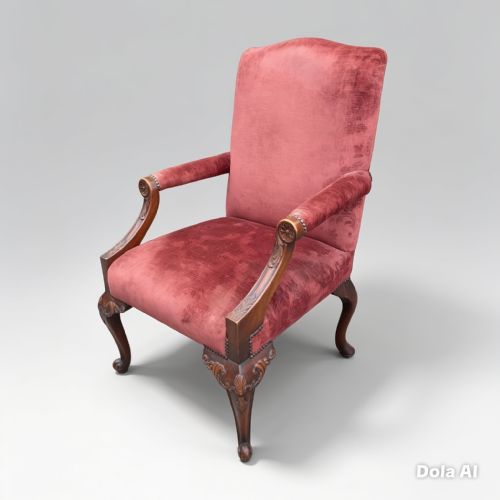
- A wide, upholstered armchair with open padded arms, low sides, and short legs, designed for a library or study.
- Carver chair
- An armchair used at the head of a dining table or as a desk chair, matching the smaller side chairs in a set.
- Cockpen armchair
- A Chinese Chippendale style chair featuring an open lattice grid design within the back and arms.
- Shield back
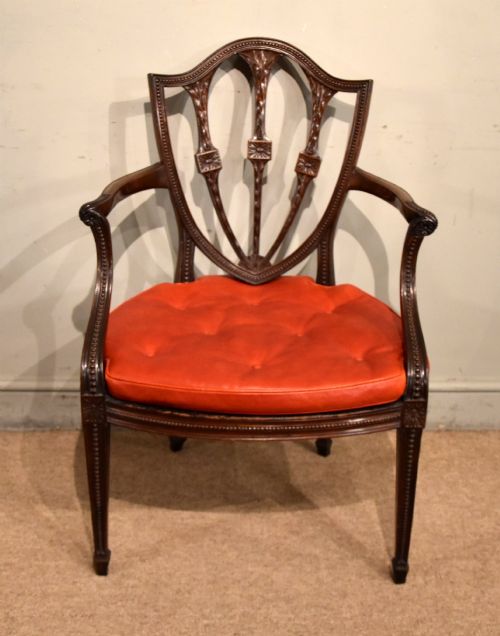
- A chair back shaped like a heraldic shield, popularised by Hepplewhite designs during the late eighteenth century.
- Wingback armchair
- A tall upholstered chair with protective side panels designed to shield the occupant from drafts.
George III Mahogany Armchair: Frequently Asked Questions
How do I identify a George III chair?
You identify a George III chair by examining the timber, construction methods, and stylistic details such as Hepplewhite or Chippendale carved splats. The era spans the reign of George the Third from seventeen sixty to eighteen twenty.
Cabinetmakers of this period utilised solid mahogany extensively, combining robust joinery with classical decorative motifs like ball and claw feet or shield backs.
Were these chairs used at dining tables?
Yes, many of these armchairs served as carvers placed at the head and foot of dining tables alongside matching single side chairs. Wealthy households often purchased large sets that included both armed and armless variants.
Dining carvers featured lower backs and open arms to allow comfortable movement while seated during meals.
What is a Cockpen armchair?
A Cockpen armchair is a specific Chinese Chippendale style seating form featuring a square back and arms filled with an open lattice grid pattern. The design reflects the eighteenth-century enthusiasm for Asian-inspired decorative arts.
These chairs often appeared in country houses and fashionable urban interiors during the Georgian period.