
Carved Architectural Panel
A carved architectural panel brings centuries of hand-carved detail, deep timber and classical proportion straight from historic structures into a modern interior.
Carved Architectural Panel
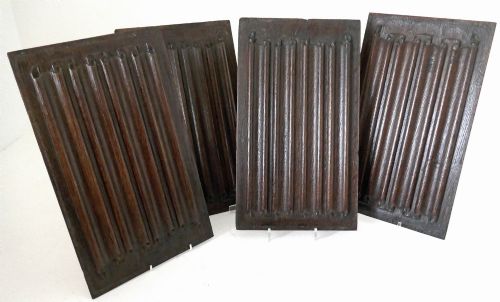
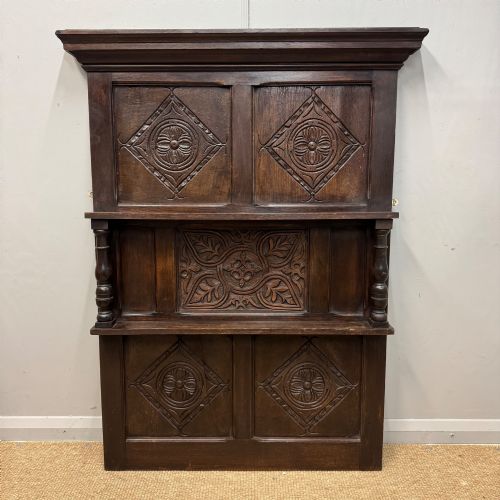
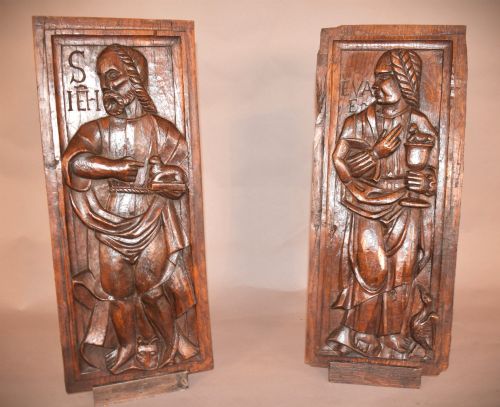
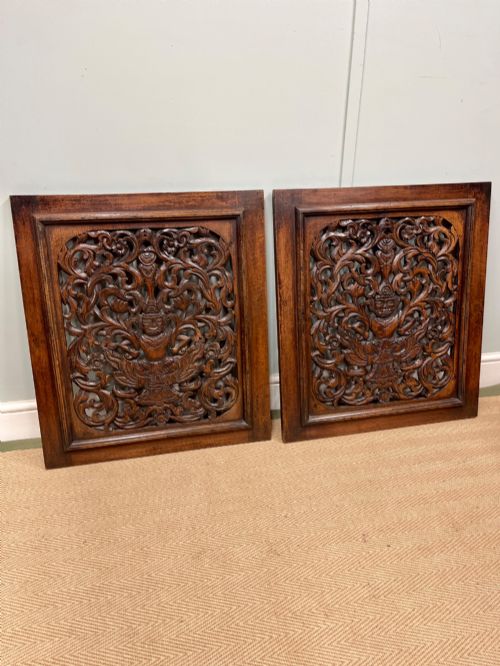
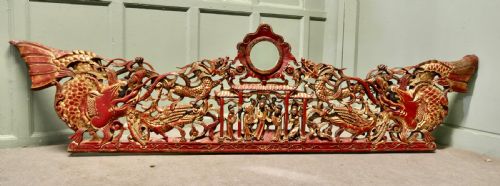
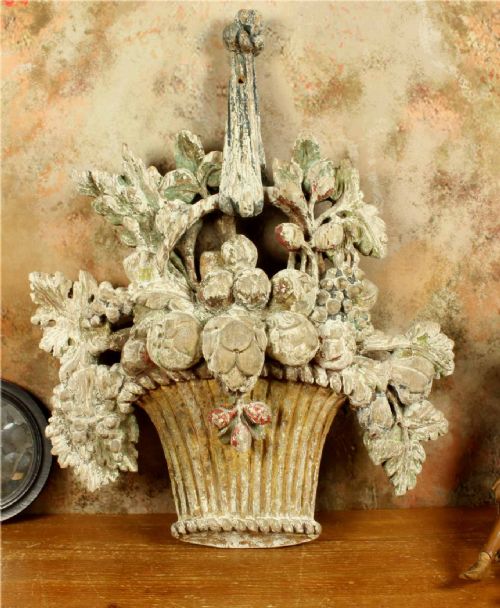
A carved architectural panel is a solid fragment salvaged from historic buildings, taking the form of wall panels, overmantels, pediments, ceiling bosses and temple plaques. These pieces range from early Tudor linenfold oak to intricate Chinese gilt wood carvings and Italian Renaissance-style woodwork.
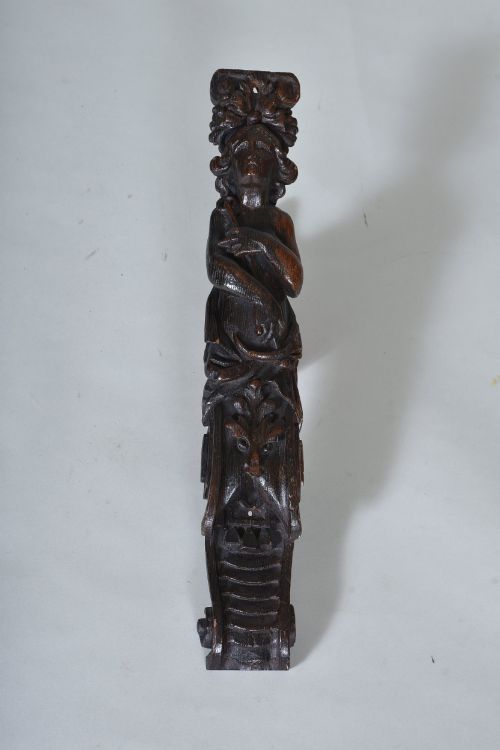
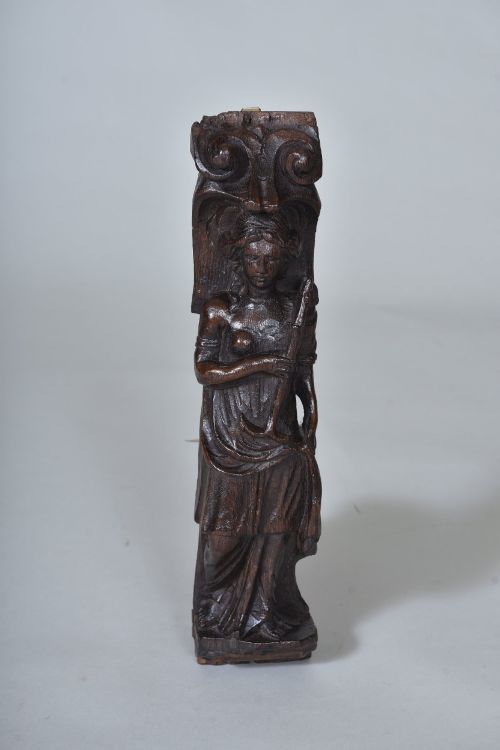
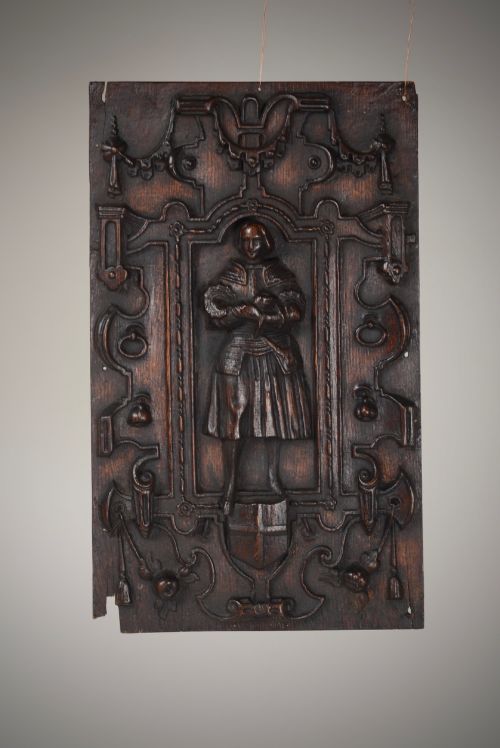
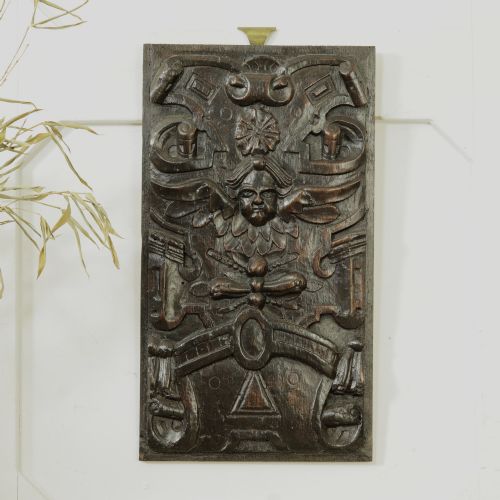
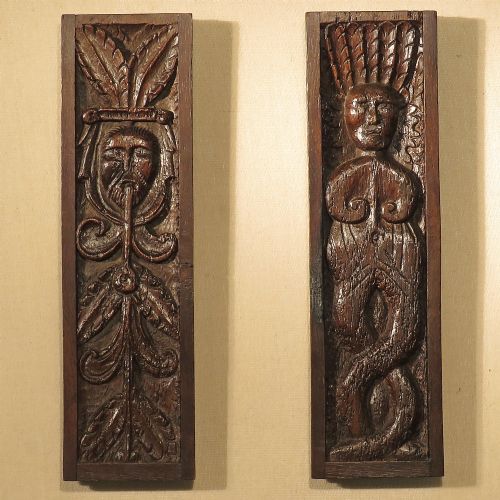
The version most commonly met on this page is the 17th-century or 18th-century oak panel, often bearing high-relief carvings of figures, foliage or geometric motifs. Salvaged from period interiors, these heavy wooden fragments function directly as wall art and architectural focal points.
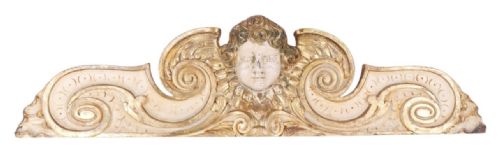
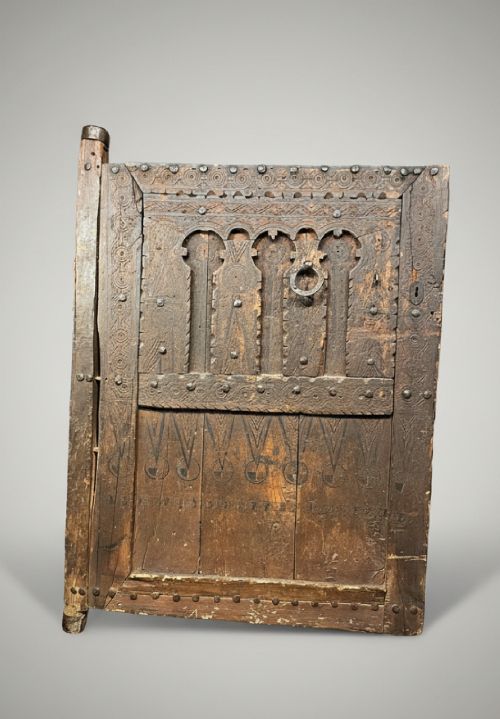
Beyond standard square or rectangular wall panels, the selection includes shaped overdoor sections, pierced ceiling roses, and large carved pediments. Each object originates from a specific architectural context, carrying the physical marks of its original installation and structural purpose.
Materials and Carving Techniques
Oak, walnut, pine and limewood form the primary substrates for these carvings, worked extensively with hand chisels and gouges to achieve varying depths of relief. Timber selection dictates the sharpness of the preserved detail, with dense English oak and fine-grained limewood holding crisp edges over centuries.
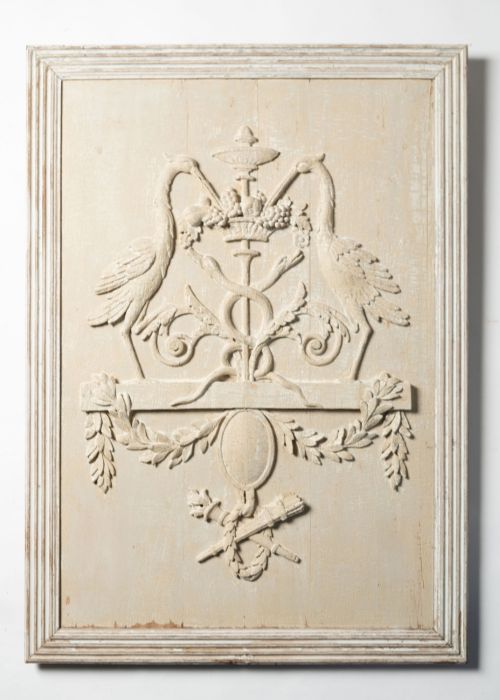
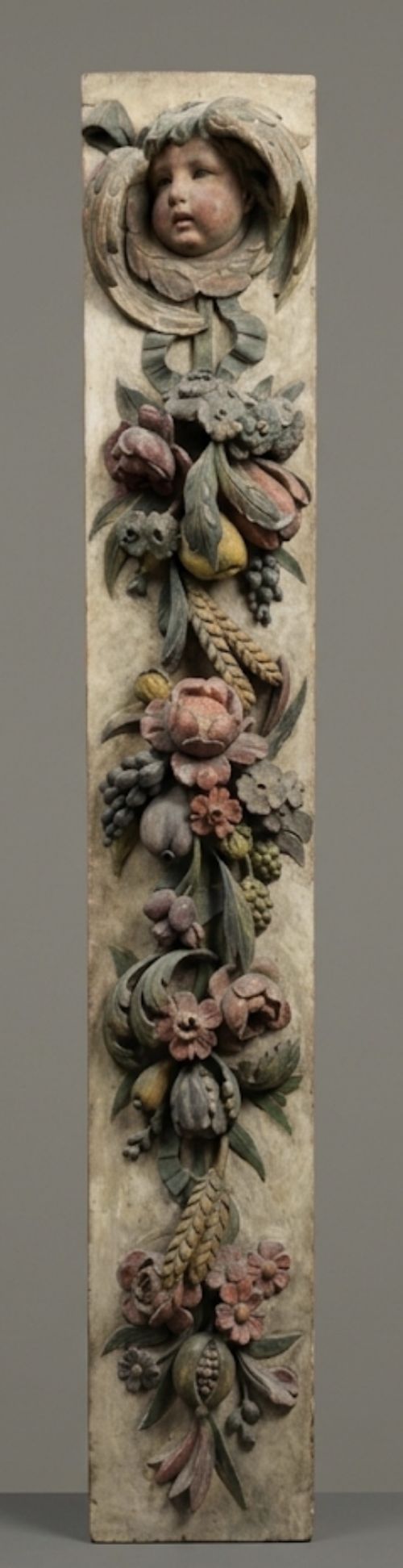
Surface treatments range from bare timber exposed to centuries of oxidation to applied layers of gesso, gold leaf, lacquer and polychrome paint. Gilding and polychromy on pine and softwoods elevate decorative pediments and overmantels, while traditional linenfold patterns rely purely on precise plane and bevel work in solid oak.
Current listings demonstrate a broad geographic spread, encompassing English Tudor oak, French chateau woodwork, Italian Renaissance panels and Chinese temple pediments.
Judging the Depth and Integrity
Quality rests entirely in the sharpness and ambition of the hand carving, where deep undercutting and expressive anatomical or floral detail separate master workshop output from simpler vernacular work. The finest panels display confident tool marks and dynamic relief that project boldly from the background plane.
Integrity of the wood and the survival of original surface finishes - such as early paint, parcel gilt or unstripped patinated oak - determine the historical standing of a panel. Pieces retaining their structural framing or complete architectural context command greater interest than heavily trimmed fragments.
Master Carver Edward Pearce·Paul-Élie Gernez
The Carved Architectural Panel Glossary
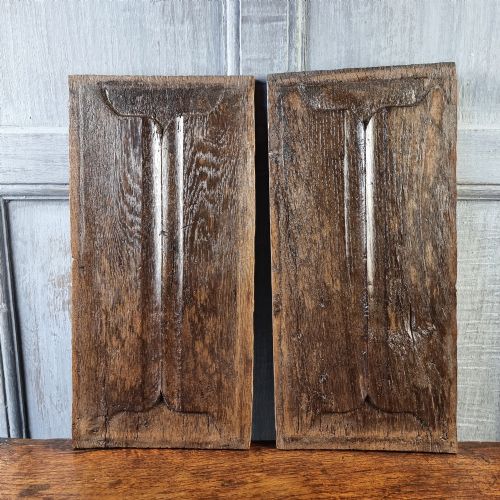
- Linenfold
- A style of wood carving that mimics folded fabric or linen, frequently seen on 16th-century panels. This Gothic and Tudor motif uses parallel vertical scrolls to create a textile illusion on solid timber.
- Overmantel
- A decorative panel or framework positioned directly above a fireplace opening. These architectural elements often feature expansive horizontal carvings, painted scenes or central figural reliefs.
- Pediment
- A triangular or curved architectural crown placed above doors, windows or altars. In salvaged panels, these elements display intricate classical or temple carvings.
- Ceiling Boss
- A decorative projecting block placed at the intersection of ceiling ribs or beams. Historic examples frequently feature carved foliage, green men or heraldic motifs.
- High-Relief
- A sculpture technique where the carved figures project significantly from the background plane. This method creates strong shadows and a powerful three-dimensional presence on heavy wooden panels.
Carved Architectural Panel: Frequently Asked Questions
How were these panels originally used?
These carved panels served as structural and decorative elements within grand buildings, churches and homes, functioning as wall linings, overmantels above hearths, or decorative pediments over doorways.
Craftsmen integrated them directly into room architecture to display wealth, status and artistic taste through religious, floral or mythological imagery.
Can I hang a heavy wooden panel on a standard wall?
Due to the substantial weight of solid oak, pine and dense tropical hardwoods, these panels require secure wall anchoring into studs or masonry rather than standard picture hooks.
Professional installation using custom metal cleats ensures the heavy timber frame is safely supported without placing stress on the historic wood itself.
How do I identify a 17th-century oak panel?
Seventeenth-century oak panels display distinct tool marks left by hand chisels, combined with deep surface oxidation, shrinkage cracks and heavy medullary rays within the timber grain.
Construction methods typically rely on traditional mortise and tenon joinery held together by wooden pegs rather than modern iron fasteners.
Should I strip painted or gilt panels back to bare wood?
Original historic surfaces, including old paint, gesso and gold leaf, should be preserved rather than stripped, as these layers carry the true age and decorative history of the piece.
Cleaning should be limited to gentle dusting or professional conservation to protect the fragile patination built up over centuries.