



Antique Overdoor Panels
Antique overdoor panels are architectural highlights designed to crown a doorway, offering instant vertical presence and classical gravitas to any room.
Antique Overdoor Panels
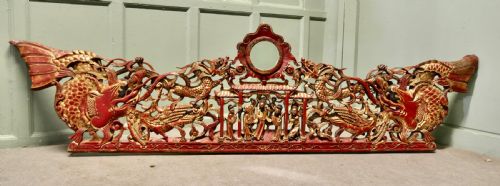
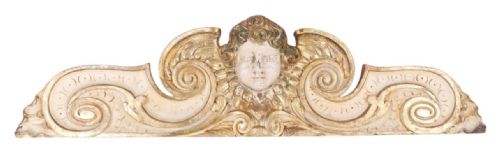
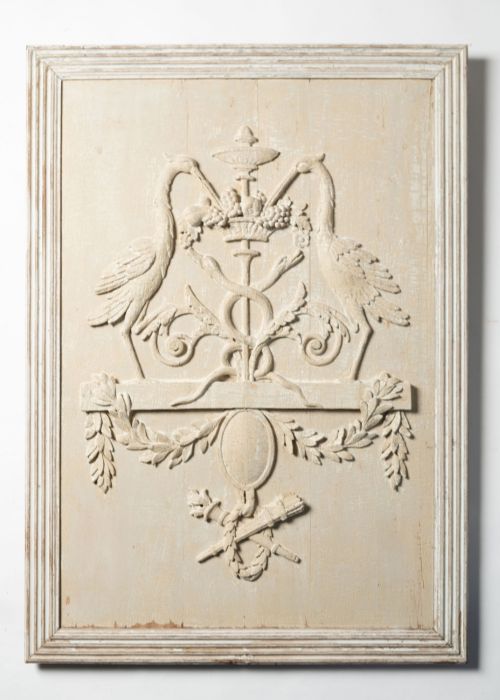
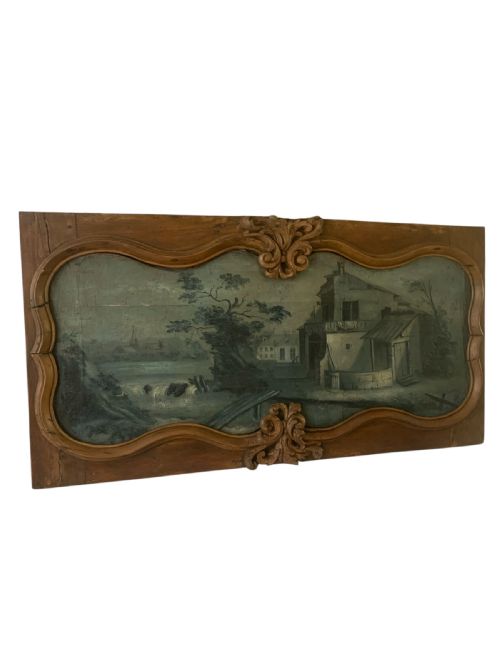
Antique overdoor panels comprise architectural salvage, wall carvings, and painted canvases intended to sit directly above a door frame. These pieces originate across the seventeenth, eighteenth, and nineteenth centuries, taking the form of pediments, reliefs, and friezes.
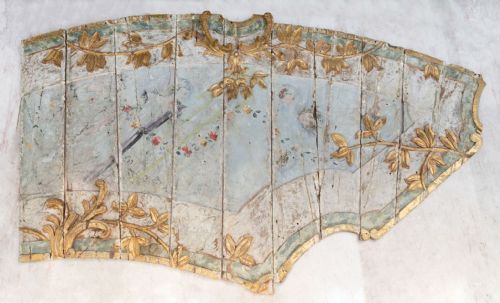
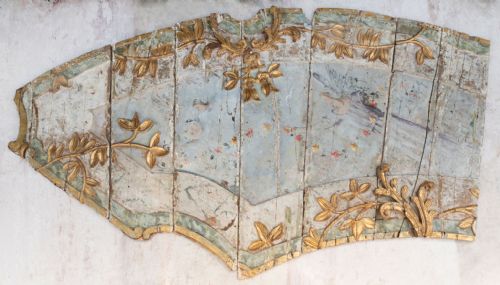
The selections available here span from Italian Rococo and French Chateau styles to English Baroque and Chinoiserie. Common formats include carved wooden panels, parcel gilt architectural pediments, and hand painted Spanish or French wall panels.
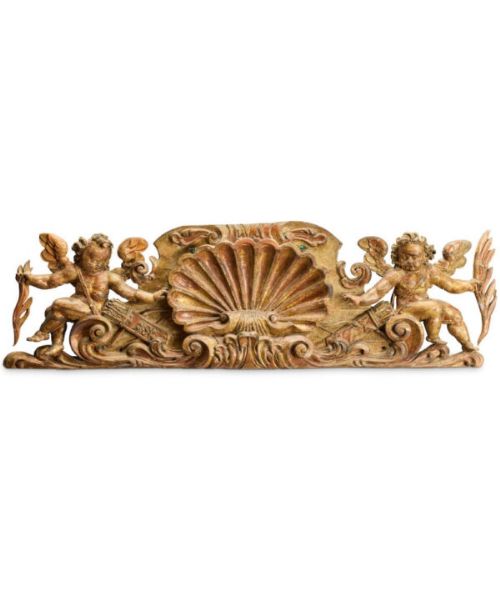
Buyers will encounter substantial variations in subject matter, ranging from cherubs and hunting scenes to oriental temple pediments and marquetry compositions. Each piece carries the distinct regional craftsmanship of its period of origin.
Materials and construction
Construction relies heavily on traditional timber working, utilising solid oak, walnut, and general carved wood shaped into robust architectural fragments. Artisans employed deep relief carving to create three-dimensional motifs such as cherubs, foliage, and figurative hunting scenes.
Surface finishes incorporate gold leaf, gesso, paint, and parcel gilt highlights applied over wood. Hand painted details and marquetry inlay provide additional decorative depth, particularly on Spanish, French, and Italian examples.
Antique Overdoor Panels Retail Price Guide 2026
Typical asking prices for overdoor panels among the pieces listed under this phrase on Sellingantiques today, from the lower quarter to the upper quarter. They describe what is for sale here now, not the wider market.
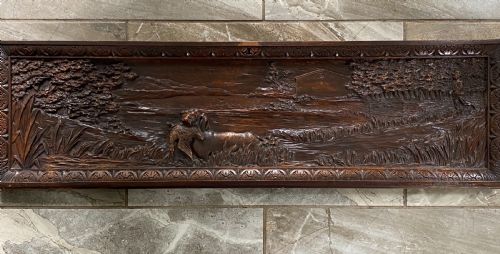
A Black Forest dog hunting panel brings canine vigilance straight to the dining room.
Determinants of quality
Quality rests upon the depth and precision of the wood carving, where fluid lines and lifelike anatomical details separate masterworks from standard workshop production. The crispness of gesso work and the preservation of original gold leaf or paint layers also dictate the standing of a panel.
The integrity of the original timber structure and the sophistication of the design, such as complex architectural pediments versus simpler rectangular friezes, define the upper tiers of the range.
Grinling Gibbons·Edward Pearce
The Antique Overdoor Panels Glossary
- Overdoor
- An architectural element positioned immediately above a doorway. It often takes the form of a carved wooden panel or decorative pediment.
- Pediment
- A triangular or segmental architectural crown used above doors, windows, and furniture. In overdoors, this structure frequently supports elaborate carvings.
- Gesso
- A plaster-like mixture applied to wood as a base for paint or gold leaf. It allows artisans to shape crisp decorative details.
- Parcel Gilt
- A technique where portions of an object are highlighted with gold leaf while other areas show the underlying wood or paint.
- Marquetry
- The art of applying pieces of veneer to a structure to form decorative patterns. This technique appears on later twentieth century decorative panels.
- Chinoiserie
- European interpretations of Chinese and East Asian artistic traditions. It appears on architectural pediments and decorative wall panels.
Antique Overdoor Panels: Frequently Asked Questions
How were overdoor panels originally used?
These panels were installed directly above interior doorways in grand houses and public buildings to elevate the status of a room. They served to frame the threshold and draw the eye upward toward the ceiling.
Overdoors often mirrored the architectural style of the mantelpiece or ceiling plasterwork, creating a unified decorative scheme throughout the interior.
Where should I hang an overdoor panel?
While traditionally placed above doors, many examples function successfully as standalone wall art, headboards, or architectural pediments in modern interiors. Their horizontal proportions suit placement above large pieces of furniture or along long hallways.
Ensure the wall structure can support the weight of solid oak or carved walnut timber before hanging.
How do I identify the period of a panel?
Dating relies on stylistic clues, such as the asymmetry of Italian Rococo or the robust foliage typical of seventeenth century English Baroque. Material choices and joinery techniques also offer clear indicators of age.
Examining the preparation layers beneath the paint or gold leaf helps confirm whether a piece is seventeenth, eighteenth, or nineteenth century.
Are painted and gilded panels delicate?
Historic painted and gilded wooden surfaces require stable indoor humidity and protection from direct sunlight to prevent cracking or fading. Dusting should be done gently with a dry, soft cloth without chemical cleaners.
Original gesso and gold leaf are fragile and should be handled with care during installation.