

19th Century Architectural Salvage
These pieces of 19th century architectural salvage bring historic character, enduring materials and structural presence directly into contemporary interiors and gardens.
19th Century Architectural Salvage
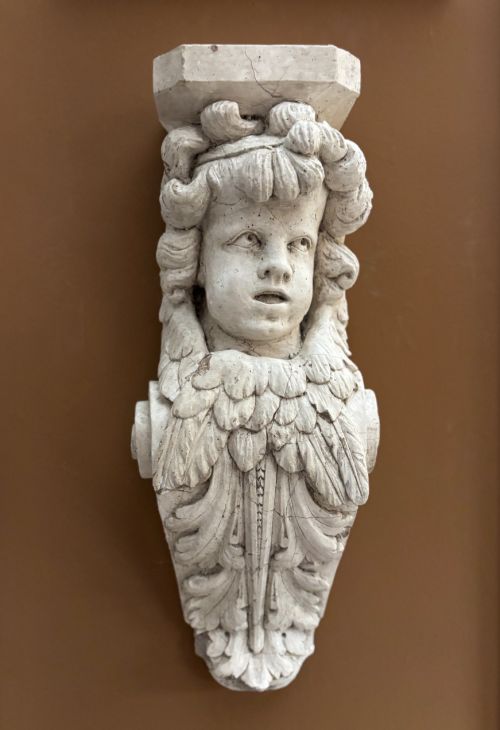
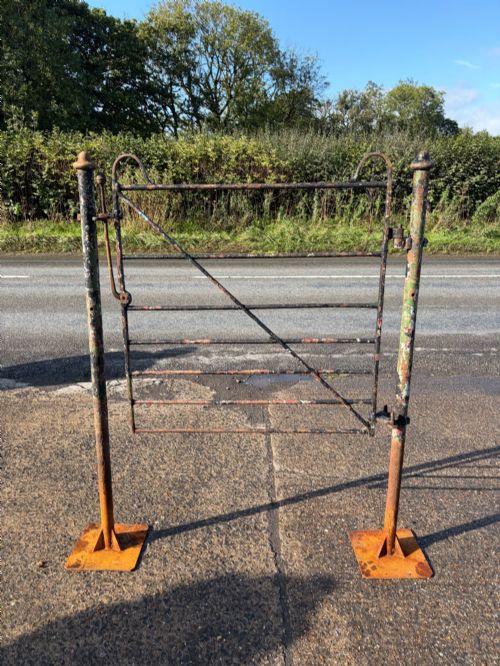
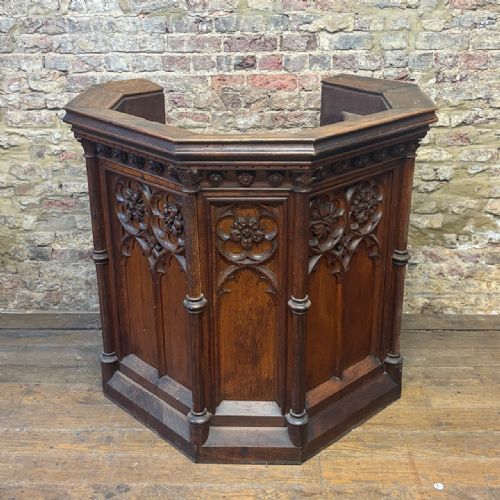
Most items meet the eye in cast iron, wrought iron, oak, pine and stone, reflecting the industrial and domestic needs of the nineteenth century. Pieces range from large estate gates and church pulpits to smaller items like boot scrapers and wall corbels.
Materials and Technique
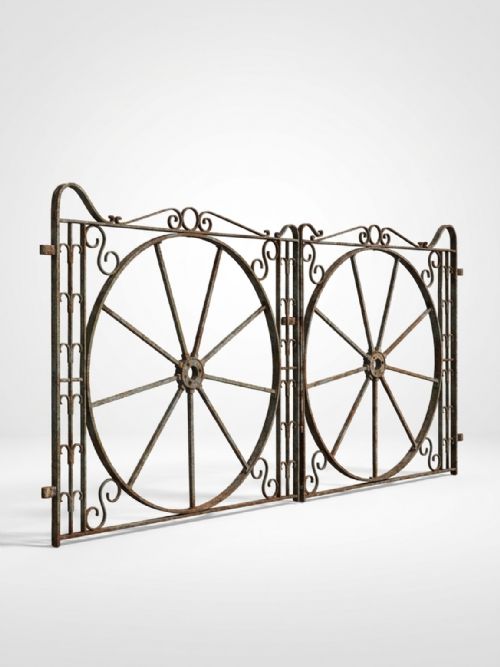
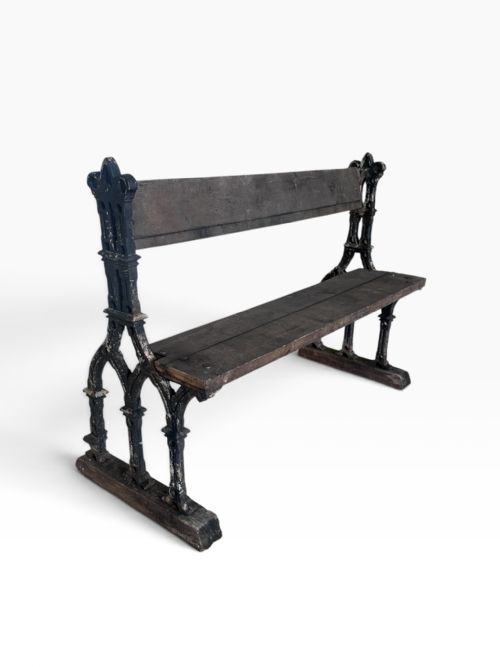
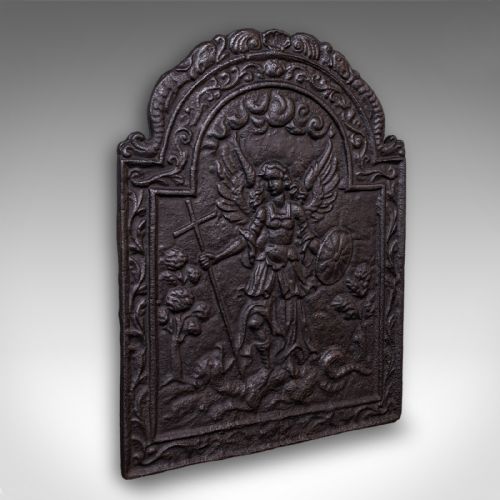
Metals dominate the construction methods through cast iron, wrought iron and copper, often showing hand-riveted joints and strapwork. Foundries cast molten metal into moulds for garden benches and fire backs, while smiths hammered wrought iron into sturdy estate gates.
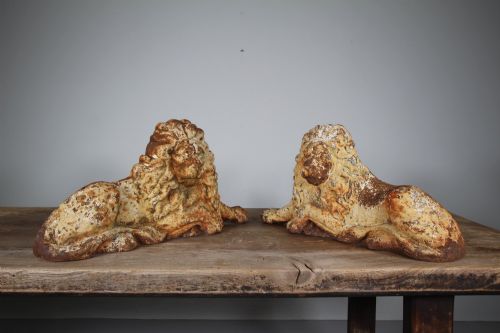
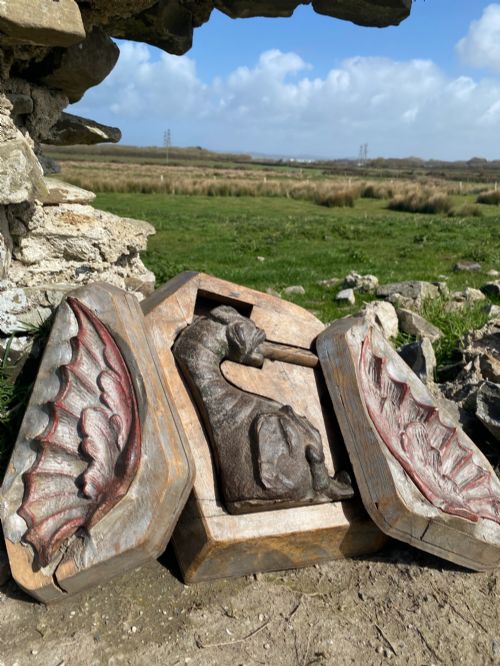
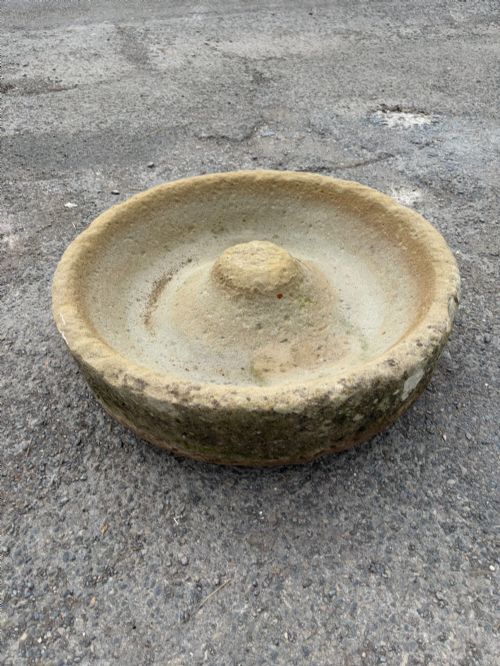
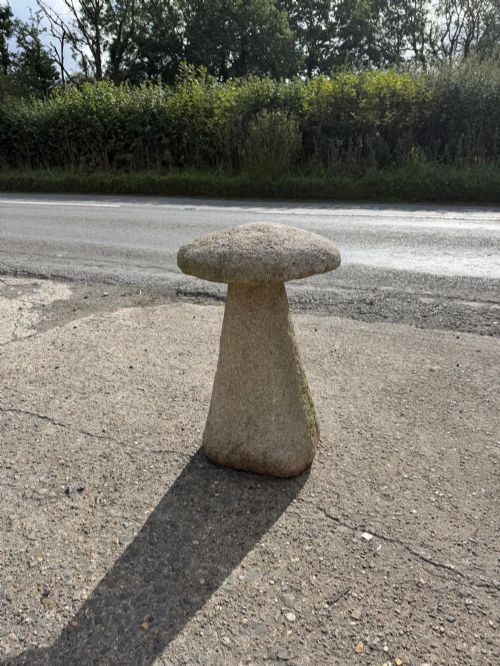
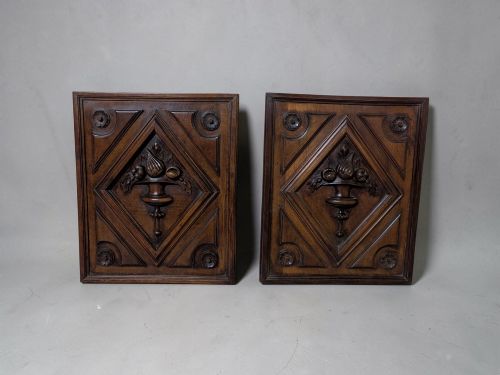
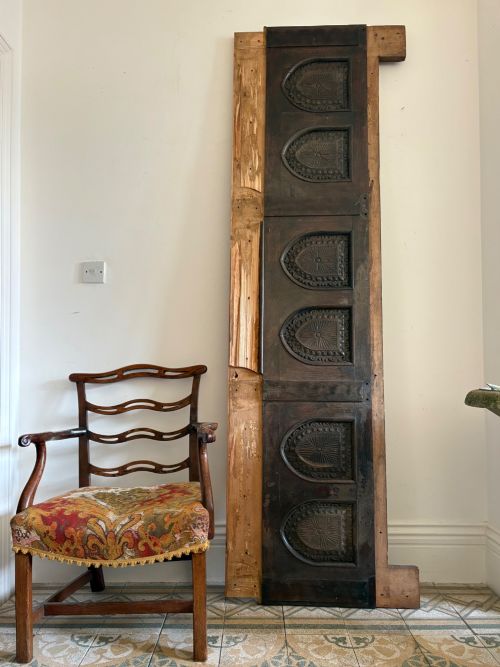
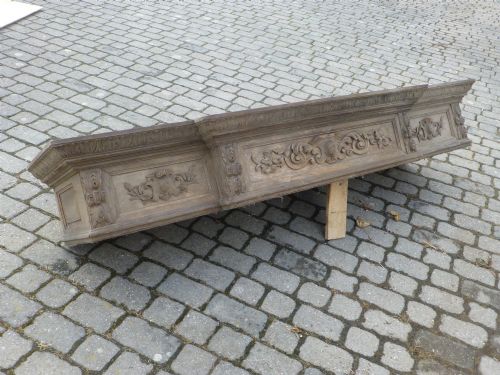
Woodworking relies heavily on oak and pine shaped into carved panels, ecclesiastical tracery and overmantles, frequently retaining traces of old paint or gesso. Stonework utilises composite stone, Carrara marble and hewn stone blocks carved into capitals, lions paws and architectural pedestals.
19th Century Architectural Salvage Retail Price Guide 2026
Typical asking prices for 19th century architectural salvage among the pieces listed under this phrase on Sellingantiques today, from the lower quarter to the upper quarter. They describe what is for sale here now, not the wider market.
Materials across the listings include cast iron, wrought iron, oak, pine, stone, copper, marble and gesso.
Assessing Quality
Quality rests in the crispness of the hand-carved detail on oak panels and stone capitals, as well as the structural integrity of heavy iron gates. Pieces displaying original painted surfaces or untouched patination carry greater authenticity than those stripped or overly restored.
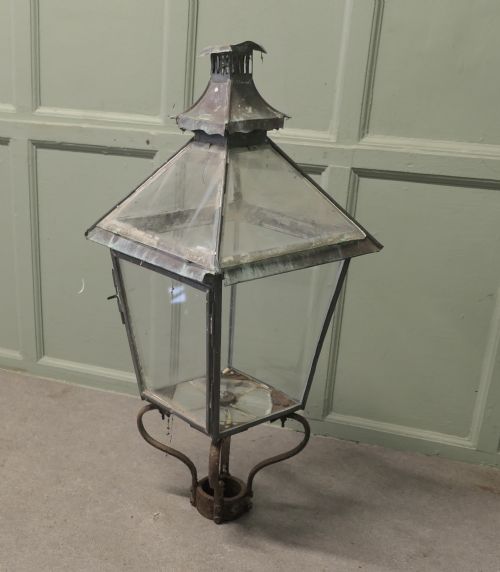
The weight and gauge of the metal in copper lanterns and cast iron boot scrapers separate robust utility items from lighter decorative copies. Scale and proportion also dictate standing, with monumental estate pieces and matched pairs commanding higher regard.
The 19th Century Architectural Salvage Glossary
- Architectural salvage
- Building components and decorative elements rescued from demolition or renovation. These items range from garden gates to interior wall panels.
- Boiserie
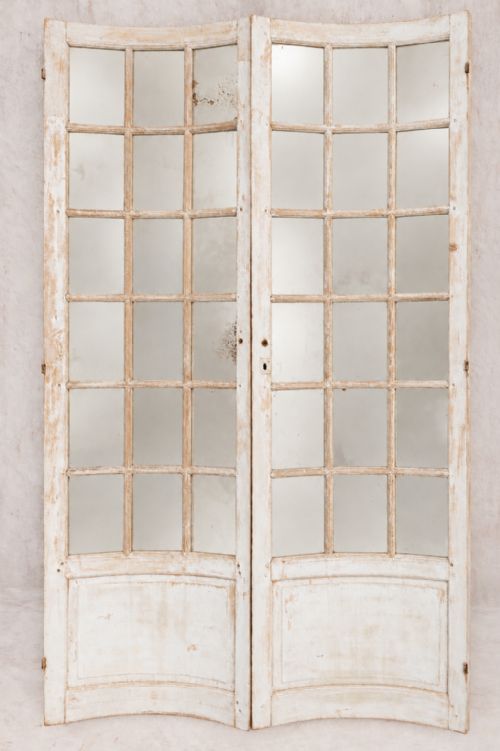
- French wood panelling applied to interior walls. These decorative panels often feature painted finishes and carved mouldings.
- Tracery
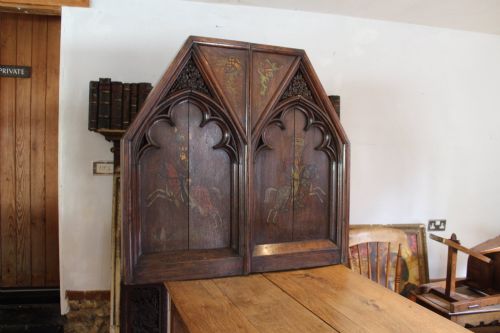
- Openwork ornamental stonework or woodwork with branching lines. This technique frequently appears in Gothic revival church panels and windows.
- Boot scraper
- A stationary metal blade or box fixed near an entrance. These items were used in the nineteenth century to clean mud from footwear.
- Corbel
- A structural bracket projecting from a wall to support a weight. These stone or wood supports often take figurative forms like putti.
19th Century Architectural Salvage: Frequently Asked Questions
How do I install heavy iron gates?
Heavy wrought iron estate gates require substantial masonry piers or reinforced posts to bear their considerable weight. Professional installation ensures proper alignment and smooth operation of the hinges.
Ground clearance must be calculated carefully before fixing the ironwork in place, particularly over uneven garden paths or gravel drives.
Can exterior copper lanterns be rewired?
Most antique copper lanterns and street lights can be adapted safely for modern electrical standards by a qualified electrician. The original metal casing is retained while new interior fittings are installed.
Weatherproofing is essential for exterior placement to protect the electrical components from rain and moisture ingress.
How should I clean historic painted wood?
Historic painted pine and oak panels need gentle cleaning with a dry cloth or a very softly dampened sponge. Harsh chemical solvents strip away the aged patination and original pigment.
Testing a tiny, hidden area first ensures the old paint layers remain stable and securely adhered to the wooden substrate.
Where do stone garden plinths originate?
Stone plinths and architectural capitals were quarried and carved for country houses, estate gardens and ecclesiastical buildings. Many display the weathering typical of outdoor placement over many decades.
Placing these pedestals on stable, level footings prevents ground subsidence and protects the stone from excessive moisture absorption.