



Gilded Italian Panel
These gilded Italian panel pieces bring rich surface and historic depth to a room, catching the eye with centuries of craft.
Gilded Italian Panel
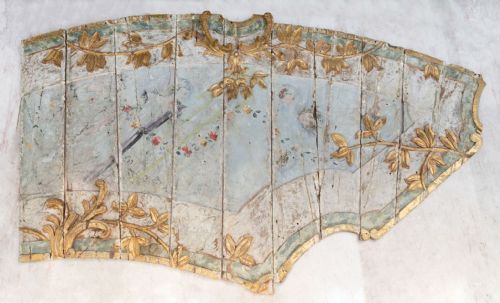
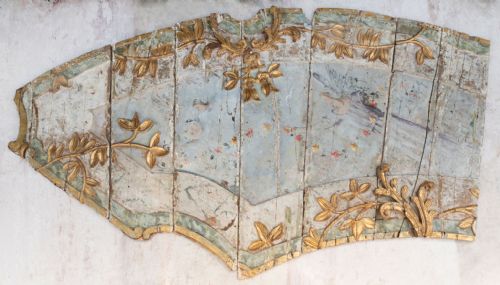
A gilded italian panel typically appears as an architectural fragment, a decorative wall piece, or a painted wood book cover binding from periods spanning the seventeenth to the twentieth century. These items carry the weight of Italian design, often taking the form of wall panels or architectural elements framed for display.
You are most likely to meet nineteenth-century or early twentieth-century interpretations on this page, alongside earlier eighteenth and seventeenth-century survivals. Makers applied traditional methods to create works that reflect Italian Baroque, Renaissance Revival, and Rococo styles.
The selection ranges from carved wood architectural panels featuring cherub putti to painted tempera panels mimicking earlier aesthetics. Each piece represents a specific tradition of Italian decorative and fine art.
How they were made
Workshops built these pieces using solid wood as a foundation, applying layers of gesso to create a smooth, prepared ground for decoration. Artisans then laid gold leaf over the surface, burnishing it to achieve a brilliant metallic sheen.
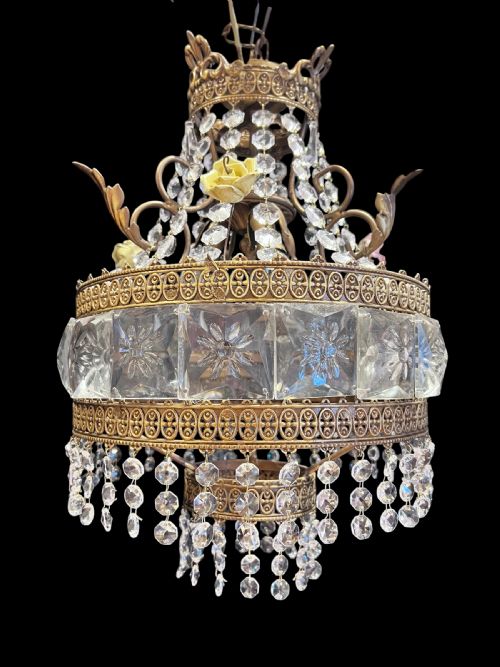
Painters and carvers added oil paint, tempera, and intricate carved details directly onto the prepared wood and gesso. Architectural fragments and panels often show the combination of hand-carved wood elements with applied metal and glass components.
Gilded Italian Panel Retail Price Guide 2026
Typical asking prices for gilded italian panel among the pieces listed under this phrase on Sellingantiques today, from the lower quarter to the upper quarter. They describe what is for sale here now, not the wider market.
Cherub putti peer out from seventeenth-century Baroque carvings, watching over rooms with the same fixed expression they held centuries ago.
What varies in quality
The refinement of the hand-carving and the depth of the gilding set the standard for these works, distinguishing simple decorative items from master-level artistic achievements. Artisans who executed finer details in the wood and gesso achieved a sharper relief and a more convincing historic presence.
The integrity of the original materials also defines the tier of the piece, with well-preserved surfaces retaining their original gold leaf and paint layers intact. Pieces that show greater finesse in their painted scenes or structural carving command a stronger presence.
Icilio Federico Joni
The Gilded Italian Panel Glossary
- Gesso
- A plaster mix used as a base for paint and gold leaf on wood panels. It creates a smooth white surface for carving and gilding.
- Gold leaf
- Extremely thin sheets of beaten gold applied to surfaces for decoration. It provides the characteristic metallic finish on gilded panels.
- Tempera
- A permanent, fast-drying painting medium consisting of coloured pigment mixed with a water-binder. It frequently appears on historic wood panels and book covers.
- Putto
- A figure of a small infant, usually naked and winged, common in Italian art. They appear frequently in Baroque carvings on panels.
- Biccherna
- A style associated with painted wooden tax register bindings from Siena. This aesthetic influences specific decorative book cover panels.
Gilded Italian Panel: Frequently Asked Questions
What is a gilded Italian panel?
A gilded Italian panel is a decorative or architectural wood piece finished with gold leaf, paint, or gesso, originating from various Italian periods. These items include wall fragments, painted book covers, and architectural elements.
They reflect historic design movements such as the Baroque and Renaissance Revival, bringing traditional craftsmanship into interior spaces.
How were these panels used originally?
Many of these pieces functioned as architectural elements within larger buildings, serving as wall panels, overmantle components, or decorative mouldings. Others formed part of furniture or served as painted book cover bindings.
Over time, many architectural fragments were removed from their original settings and framed for wall display as standalone artworks.
How do I date an antique Italian panel?
Dating relies on examining the wood substrate, the preparation layers of gesso, and the style of the carving or painting. Seventeenth and eighteenth-century pieces often show distinct Baroque or Rococo characteristics in their ornamentation.
Later nineteenth and twentieth-century pieces frequently revive these earlier aesthetics, utilising similar materials but often displaying different tool marks and wear patterns.
How do I care for gilded wood?
Gilded surfaces require a gentle approach, needing only light dusting with a soft, dry cloth to remove particles. Avoid using liquid cleaners, polishes, or abrasive materials that can damage the delicate gold leaf and gesso layers.
Keep the pieces away from direct sunlight, high humidity, and extreme temperature fluctuations to protect the wood and metal leaf.
Where should I hang a wall panel?
These panels suit placement on solid interior walls where they can serve as focal points in a room. Ensure the hanging hardware is appropriate for the weight of the wood and frame.
Positioning the piece away from direct heat sources and damp areas helps preserve the historic wood, paint, and gold leaf.