

Victorian Wood Relief
Victorian wood relief works bring depth and character to a room through carved panels, plaques, and architectural elements.
Victorian Wood Relief
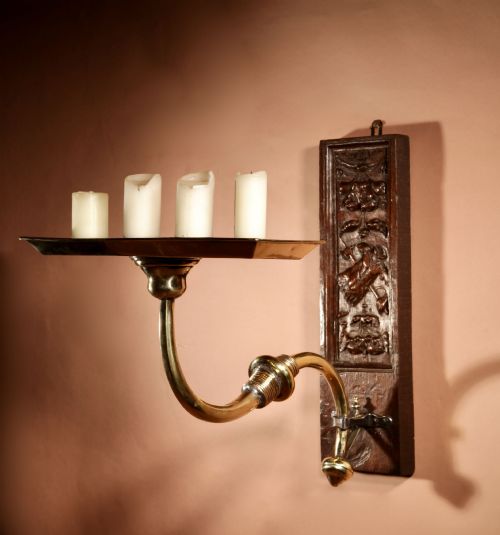
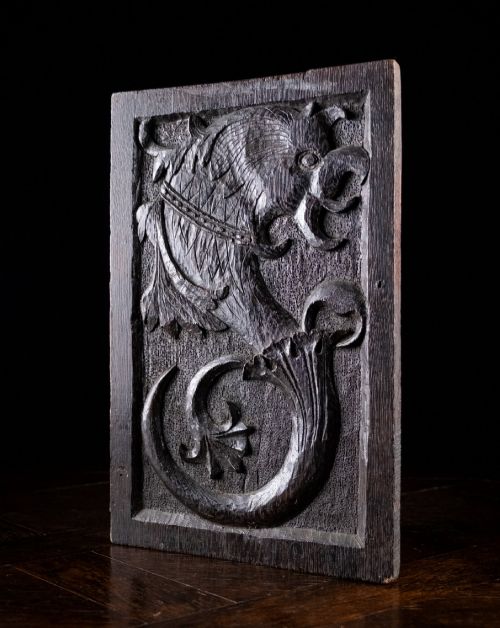
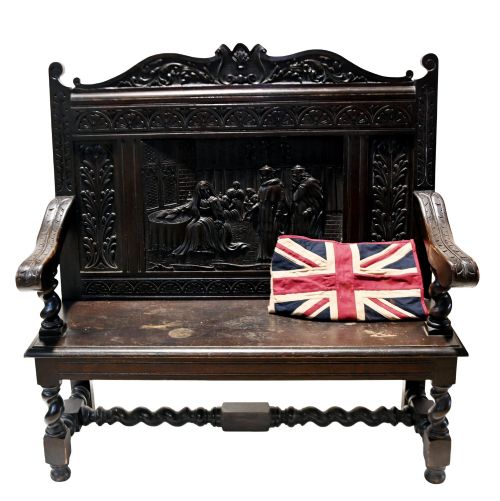
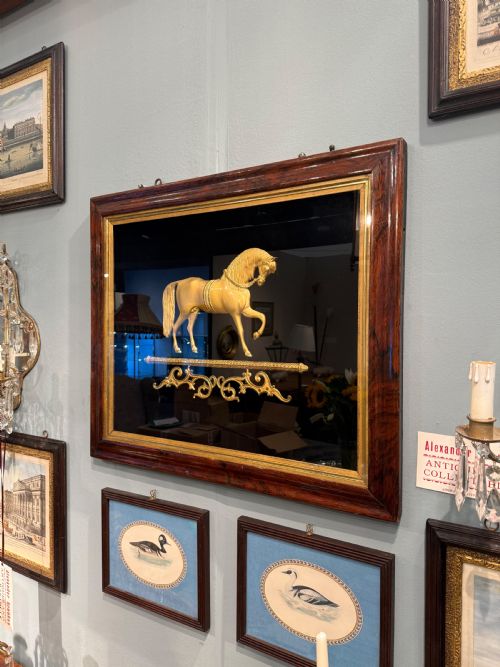
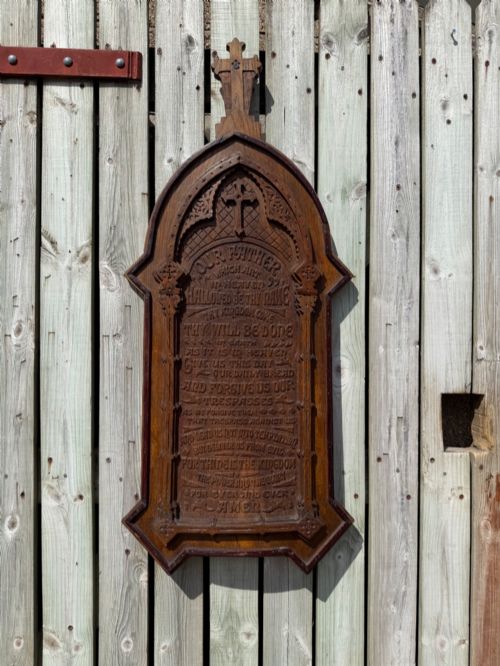
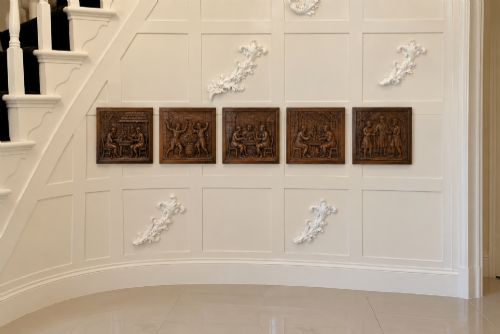
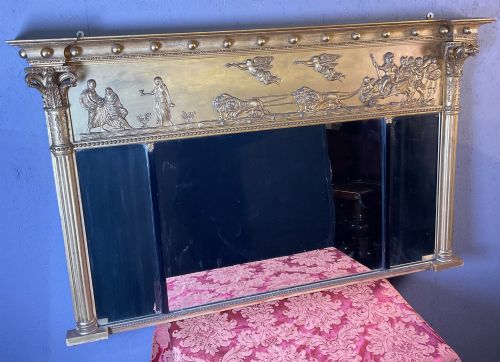
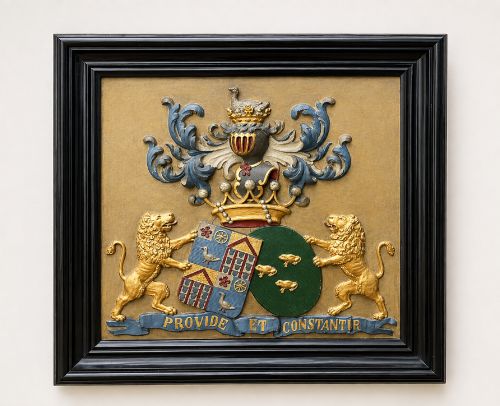
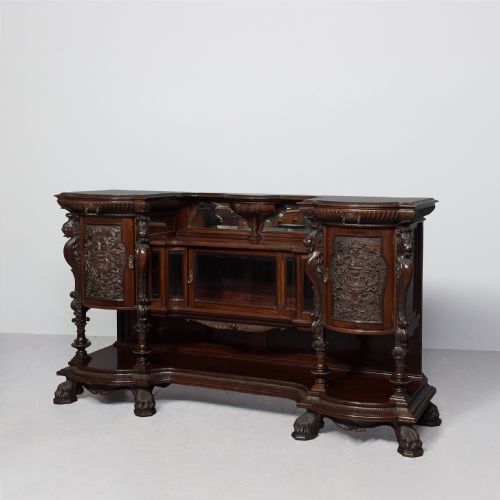
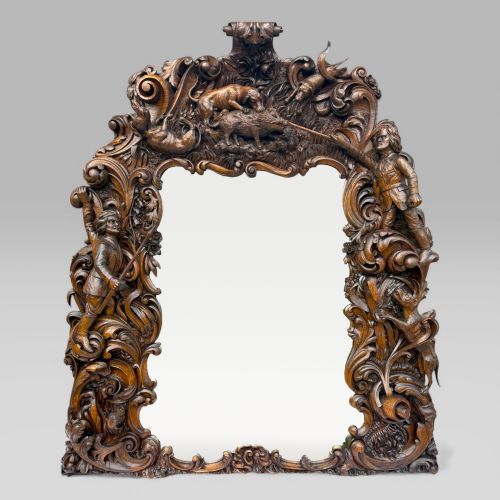
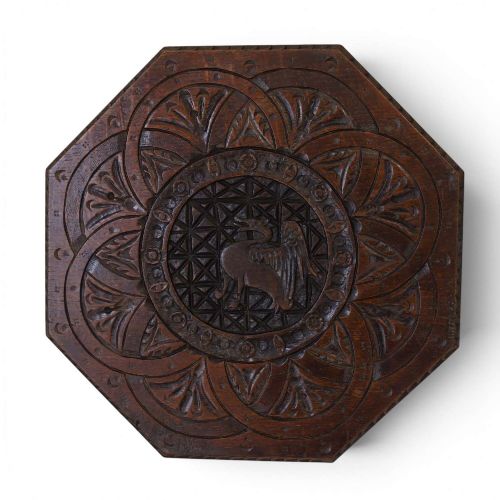
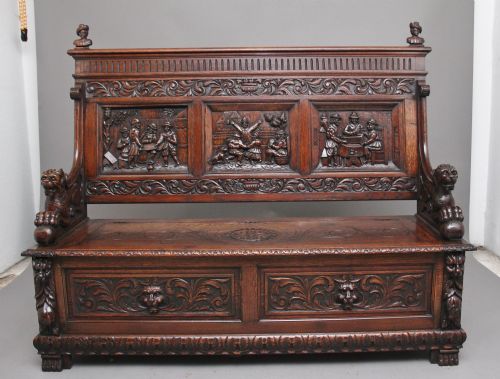
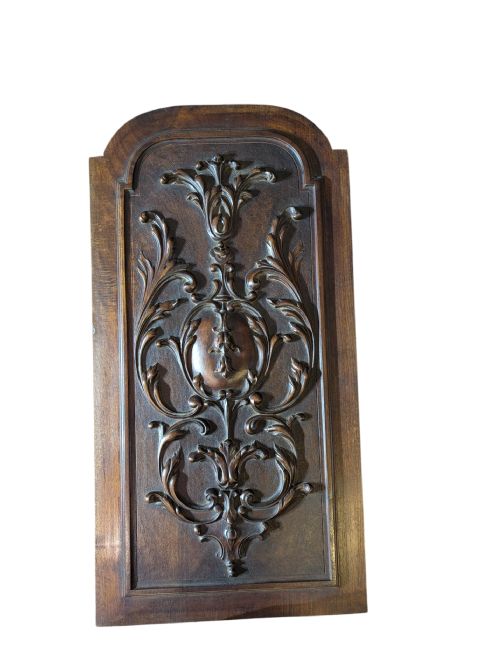
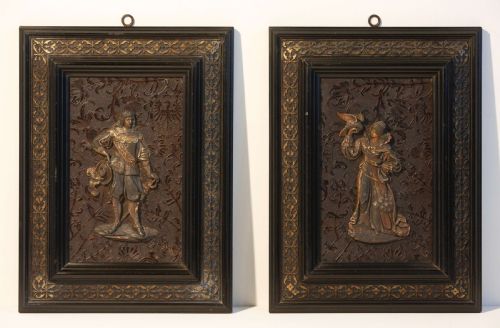
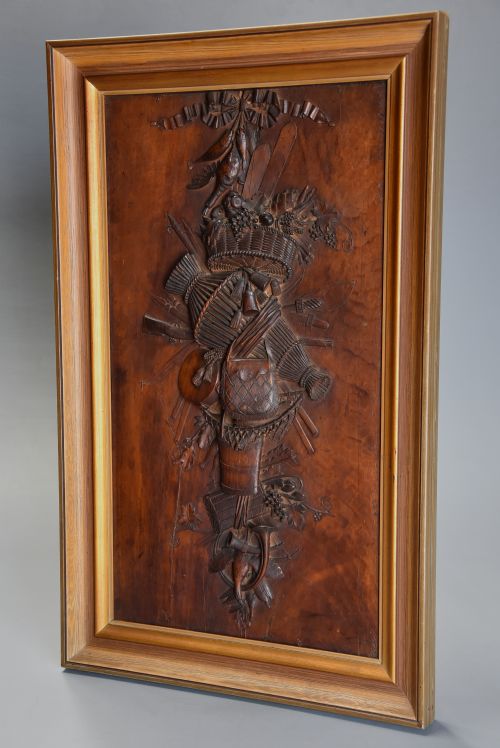
When you search for victorian wood relief, you encounter carved wall plaques, decorative panels, and architectural salvage shaped during the nineteenth century. These items range from small portrait plaques to large hunting trophies and overmantel mirrors.
The objects stem from various stylistic revivals popular in the period, including Gothic, Renaissance, and Black Forest designs. Oak and walnut predominate among the surviving forms on this page.
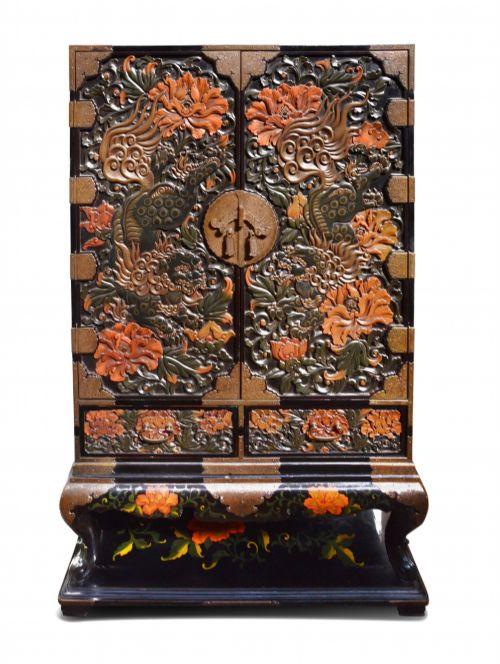
Many items served alternative functions originally, such as cabinet doors, furniture elements, or table tops, before being adapted for wall display. This secondary use defines a large portion of the available stock.
Materials and Craftsmanship
Carvers utilised dense timbers such as oak, walnut, mahogany, and fruitwood to achieve sharp detail in deep relief. These woods supported intricate undercutting and layered carving without splitting.
Makers often applied gilt, gesso, or lacquer finishes to highlight specific areas of the carved design. Some pieces incorporated contrasting wood types or secondary metals to enhance the visual depth.
Victorian Wood Relief Retail Price Guide 2026
Typical asking prices for victorian wood relief among the pieces listed under this phrase on Sellingantiques today, from the lower quarter to the upper quarter. They describe what is for sale here now, not the wider market.
A dancing bear serves as the focal point on a pair of chairs in the Black Forest manner.
Assessing Quality and Execution
The sharpness of the chisel work and the depth of the undercut separate standard decorative panels from exhibition pieces. Superior examples display anatomical precision in figures and crisp botanical textures.
The integrity of the timber ground and the cohesion of the composition dictate the overall standard. Pieces with well-balanced proportions and minimal shrinkage cracking represent the upper tier of the selection.
Carlhian and Corbiere·Van Rijckevorsel and Verheijen
The Victorian Wood Relief Glossary
- Relief
- Sculpture where the figures project from a flat background. High relief involves figures standing out significantly from the plane.
- Undercutting
- A carving technique where timber is removed beneath the motif to create a detached, three-dimensional effect. This method demonstrates advanced technical skill.
- Gesso
- A plaster mixture applied to wood surfaces as a base for gilding or painting. It provides a smooth ground for metallic leaf applications.
- Linenfold
- A style of wood panel carving imitating folded linen. It appears frequently on architectural woodwork from revivalist periods.
- Trophy carving
- An ornamental arrangement representing sports, hunting, or music. These groupings typically feature game, foliage, or instruments carved in high relief.
Victorian Wood Relief: Frequently Asked Questions
How were wood relief panels used?
Victorian wood relief pieces often functioned as architectural elements, cabinet doors, or furniture inserts rather than standalone wall art.
Many surviving panels were later removed from larger pieces of furniture and framed for display.
What woods were used for carving?
Carvers relied on durable hardwoods including oak, walnut, mahogany, and fruitwood to maintain fine details.
Dense timbers prevented chipping and allowed artisans to carve deep, intricate scenes.
How do I identify Black Forest carvings?
Black Forest pieces typically depict naturalistic animal subjects, particularly bears, stags, and hunting trophies.
These works originated from Swiss and German workshops during the nineteenth century.