


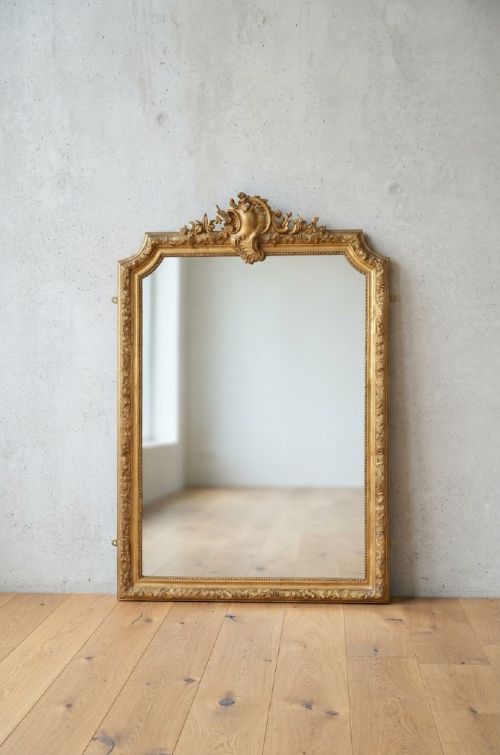


Carved Accent Mirror
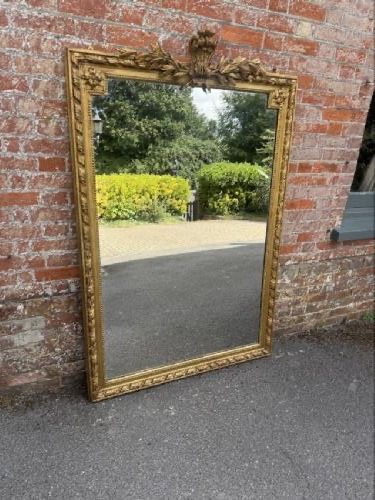
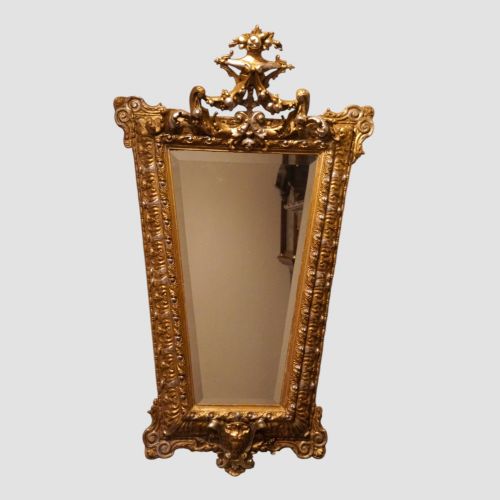
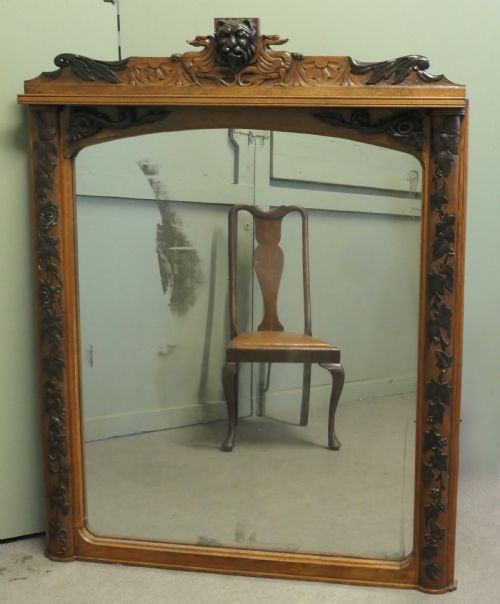
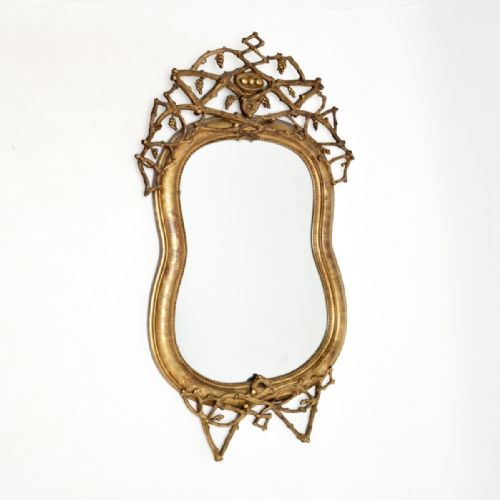
A carved accent mirror brings instant depth to a room through traditional hand-worked frames and reflective glass.
Carved Accent Mirror
A carved accent mirror provides a practical wall hanging and a decorative focal point shaped by historic periods and regional designs. When exploring a carved accent mirror, buyers encounter forms ranging from compact wall pieces to large overmantels.
The selection includes pieces originating from English, French, and Italian workshops across the eighteenth, nineteenth, and early twentieth centuries. Common variations span simple timber frames to elaborate rococo revival compositions.
Objects on this page take the form of wall mirrors, overmantel mirrors, and pier mirrors designed for specific architectural settings within a home.
How they were made
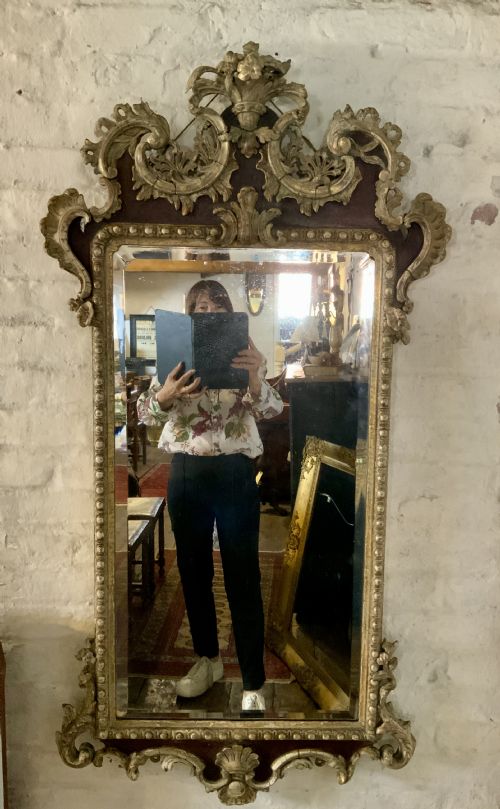
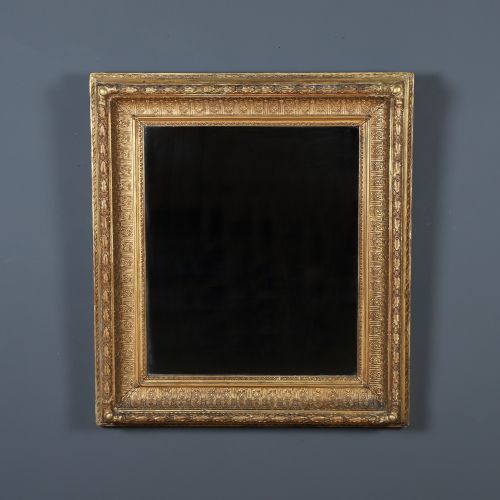
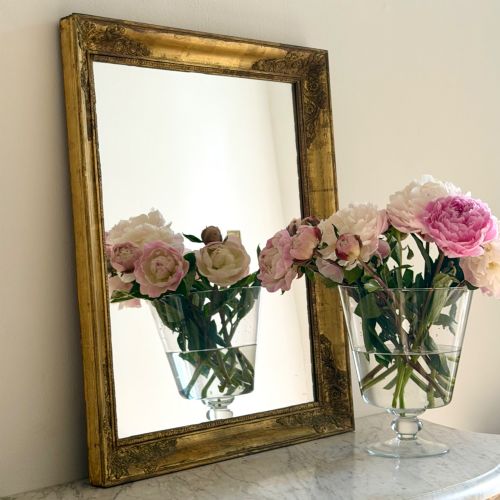
Frames are constructed from solid woods such as oak, walnut, and kingwood, or formed using carved wood and applied gesso layers. Artisans shaped these foundations by hand before applying gold leaf or silver-gilt finishes.
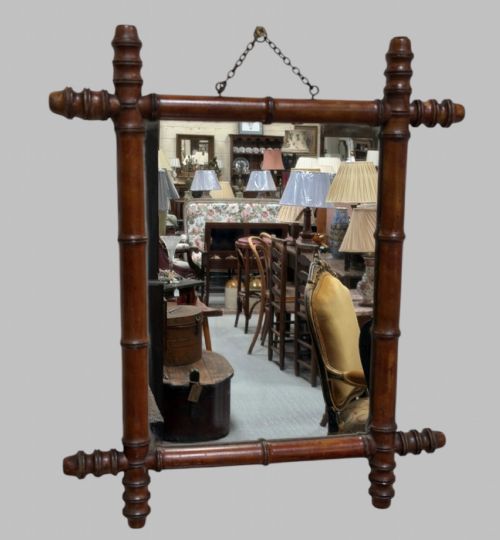
Specialised decorative elements incorporate bone, mother of pearl inlay, and faux bamboo turning, depending on the stylistic tradition of the workshop. Glass plates are frequently bevelled, engraved, or left as clear flat sheets fitted within the wooden rebates.
Some nineteenth-century makers cleverly imitated bamboo using carved wood to satisfy Victorian botanical obsessions.
What varies in quality
Quality rests in the crispness of the hand-carving and the depth of the gesso relief applied beneath the gilding. Superior examples maintain sharp floral or scroll motifs without the softening caused by heavy over-painting or worn composition ornament.
The integrity of the original mirror plate and the tightness of the frame joints distinguish finer historical pieces from later adaptations. Heavier overmantel mirrors rely on robust internal timber construction to support substantial glass weight safely.
John Belchier
The Carved Accent Mirror Glossary
- Giltwood
- Wood coated with a thin layer of gold leaf. This finish creates a bright metallic sheen across the carved ornament of the frame.
- Gesso
- A plaster mixture applied to wood frames to create a smooth base for gilding. Artisans carved intricate details directly into this hardened surface.
- Overmantel Mirror
- A wide wall mirror specifically designed to hang above a fireplace mantel. These large pieces often incorporate arched tops and elaborate crestings.
- Rococo
- A decorative style characterised by asymmetrical scrollwork, C-scrolls, and naturalistic shell motifs. It heavily influenced nineteenth-century revival frames.
- Cartouche
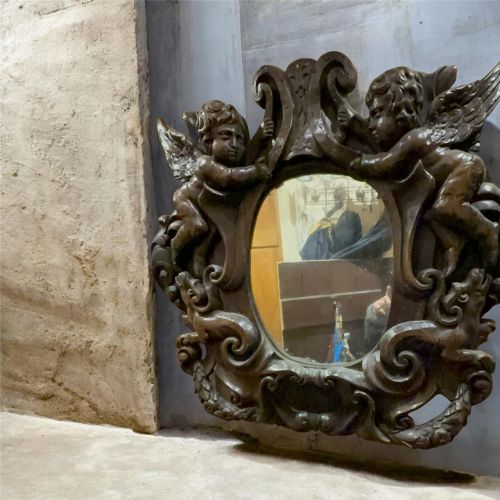
- An ornamental frame resembling a rolled-up scroll or a shield. This shape appears frequently in French and Italian carved mirror designs.
Carved Accent Mirror: Frequently Asked Questions
Where should I hang a carved accent mirror?
These mirrors suit placement above mantelpieces, console tables, or living room walls where they can reflect natural light.
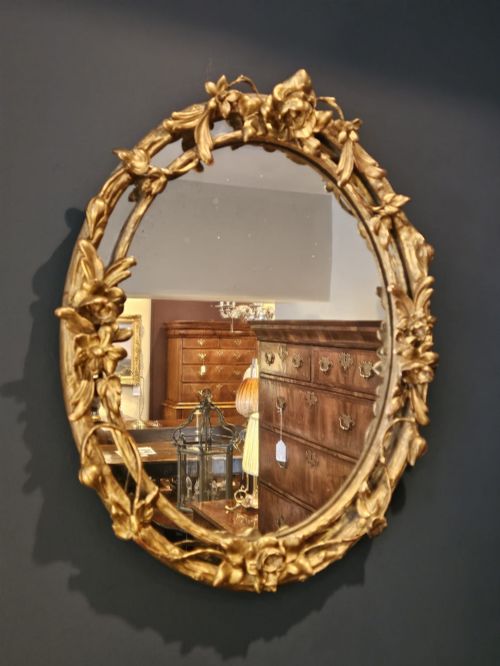
Larger overmantel formats anchor empty wall space above furniture, whilst smaller circular or oval pieces work well in hallways.
How do I identify the period of a mirror?
Dating relies on combining the wood species, framing techniques, and stylistic revival markers present in the construction.
Eighteenth-century examples often feature walnut or parcel gilt surfaces, whereas nineteenth-century pieces frequently display heavier gesso moulding and rococo revival motifs.
Are the mirror plates original?
Many antique mirrors retain their original glass, which can display subtle foxing, minor silver loss, or hand-bevelled edges.
Replacements occur over centuries of use, so inspecting the backing boards and silvering provides clues regarding the age of the glass plate.
How do I care for a giltwood frame?
Giltwood surfaces require gentle dusting with a soft, dry brush to protect the delicate gold leaf and gesso layers.
Water and chemical cleaning products must be avoided entirely, as moisture strips the historic water-gilding or oil-gilding finishes.