






Continental Carved Mirror
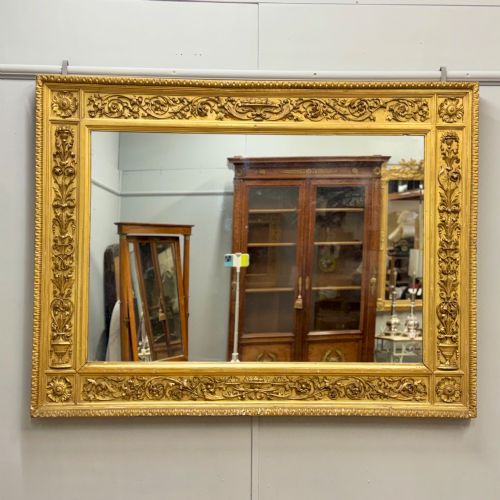
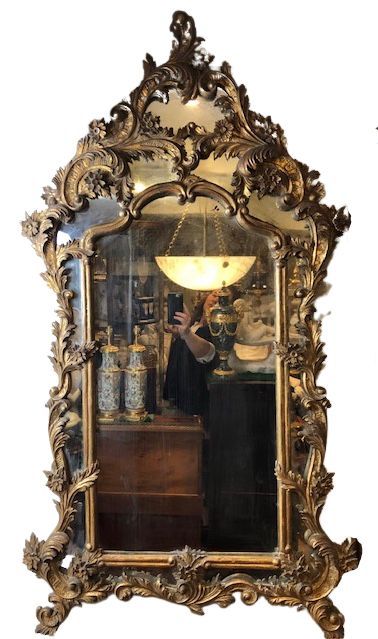
A continental carved mirror brings immediate architectural presence to a room through deep wooden moulding, heavy gilding, and fluid Rococo or Baroque movement.
Continental Carved Mirror
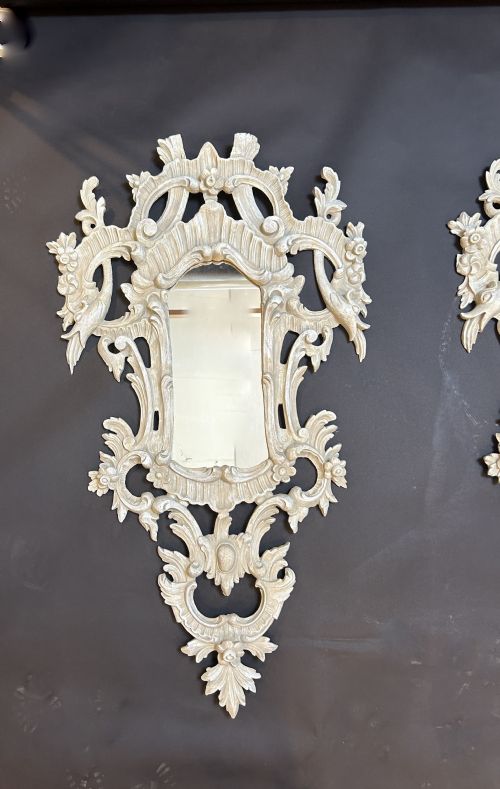
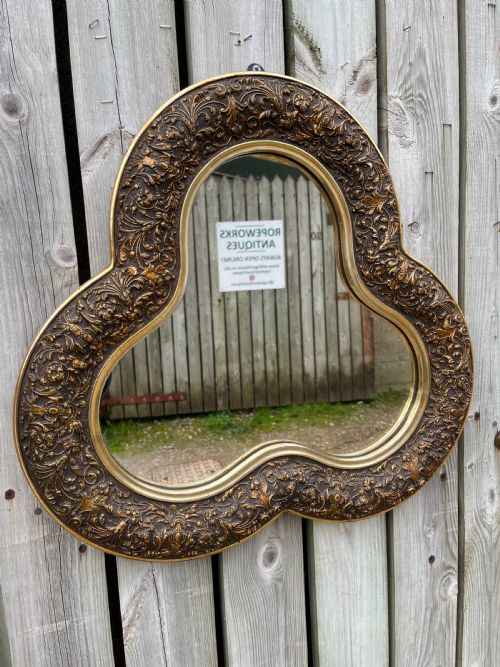
A continental carved mirror is a decorative wall-hanging looking glass sourced from European workshops outside Britain, most commonly appearing from the eighteenth and nineteenth centuries. These pieces encompass regional variations including Italian Baroque and Rococo designs, Dutch walnut pier mirrors, and Biedermeier frames.
The versions most frequently encountered on this page date to the nineteenth century, often adopting earlier eighteenth-century Italian Rococo styles featuring cartouche forms, or straightforward walnut and oak frames. Wall mirrors and pier glasses dominate the selection, spanning simple painted wooden constructions to ornate giltwood and gesso creations.
Makers and craftsmen utilised native timbers such as walnut, mahogany, and oak alongside softer woods prepared for gilding. The resulting objects function primarily as wall mirrors, balancing functional glass panels with sculptural wooden surrounds that define the aesthetic of the period.
Materials and construction methods
Construction relies on solid timbers like walnut, mahogany, and oak, which were hand-carved to create the complex scrolls and cartouche forms seen in Italian Rococo and Baroque styles. Frames destined for a gilded finish received a layer of gesso over the carved wood before the application of gold leaf.
Surface decoration frequently combines hand-painted pigments with exposed wood grain or burnished gold leaf, particularly on Dutch pier mirrors and Italian wall glasses. Mirror glass itself is set within the carved rebates, sometimes retaining historical foxing from age.
Continental Carved Mirror Retail Price Guide 2026
Typical asking prices for continental carved mirror among the pieces listed under this phrase on Sellingantiques today, from the lower quarter to the upper quarter. They describe what is for sale here now, not the wider market.
Many a continental mirror hides generations of dust wedged securely behind its original warped wooden backing boards like a time capsule.
Assessing quality in carved mirrors
Quality rests primarily in the crispness and depth of the hand-carving within the wood or gesso, where sharper undercut foliage and scrollwork distinguish superior workshop output from simpler production. The handling of the gilt surface, from the application of gold leaf to the underlying preparation, dictates the visual richness of the piece.
The integration of materials also defines the tier of the mirror, such as the use of dense walnut timbers versus softer painted woods, alongside the survival of original mirror glass plates within the antique frames.
The Continental Carved Mirror Glossary
- Giltwood
- Wood that has been coated with gold leaf over a prepared ground. This finish is characteristic of many ornate Italian and continental frames.
- Gesso
- A plaster-like mixture applied to wood frames to provide a smooth surface for gilding and fine carving detail. It forms the base for much decorative relief work.
- Pier glass
- A tall mirror designed to be hung on the pier, the section of wall between two windows. These often feature elaborate painted or carved crestings.
- Cartouche
- An ornamental frame resembling a rolled-up scroll or a shield with elaborate scrolls, frequently seen on Rococo mirror designs.
- Foxing
- Age-related spots and discolouration within the mirror glass itself, caused by the degradation of the silvering backing over centuries.
Continental Carved Mirror: Frequently Asked Questions
How do I date a continental carved mirror?
Dating relies on examining the timber species, the style of the hand-carving, and the construction methods used on the reverse of the frame. Eighteenth-century pieces often display hand-cut joinery and heavy gesso preparation, whereas nineteenth-century examples may revive earlier Rococo or Baroque motifs with slightly different mechanical tooling.
Secondary clues include the composition of the mirror glass, the presence of original backing boards, and historical painted finishes. Comparing the specific decorative vocabulary, such as cartouche proportions or walnut grain, helps separate eighteenth-century originals from later nineteenth-century interpretations.
Where should I hang a pier mirror?
A pier mirror is traditionally hung on the narrow wall space between two windows to reflect natural light deeper into a room. Their vertical proportions make them well-suited for narrow spaces above console tables or mantelpieces.
Ensure the wall construction can support the substantial weight of solid wood, gesso, and glass frames. Professional hanging hardware geared towards heavy antique frames is essential for secure placement.
What is the difference between Baroque and Rococo mirrors?
Baroque mirrors tend to feature symmetrical, heavy, and grand architectural elements designed to project power and theatricality. They often incorporate bold gilding, deep relief carving, and rigid geometric balance.
Rococo mirrors embrace asymmetry, organic curves, C-scrolls, and shell motifs, creating a lighter and more whimsical visual movement. This style focuses on natural forms and fluid lines rather than strict architectural symmetry.
Can I clean an antique giltwood frame?
Cleaning giltwood requires extreme caution because water and modern cleaning chemicals can dissolve historical gesso and lift gold leaf. Dusting should be done very gently with a dry, soft brush.
Avoid rubbing the gilded surfaces or using any liquid solvents on the frame or the foxed mirror glass. Professional conservation is recommended for frames with flaking gesso or unstable gilt layers.