

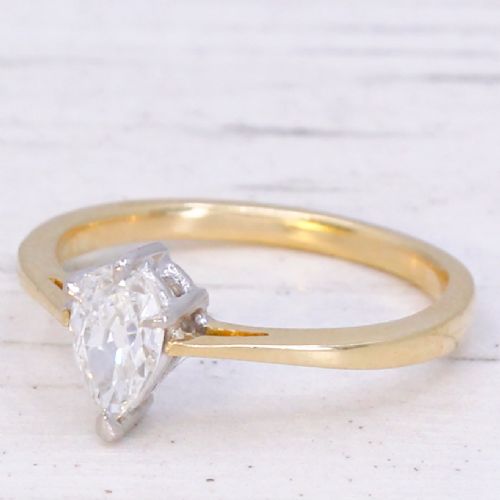
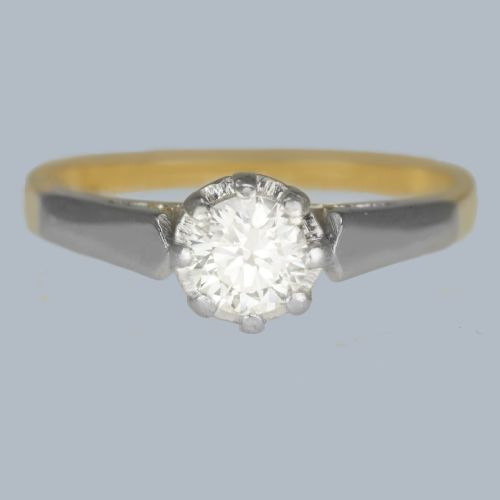
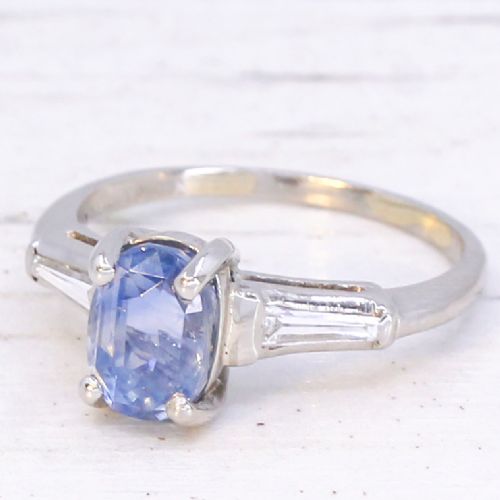
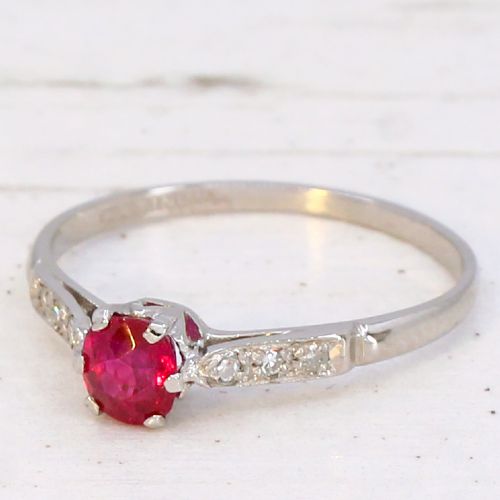
Carat Diamond Solitaire
A carat diamond solitaire offers a single striking stone set in precious metal, highly sought after for engagement rings and classic pendants.
Carat Diamond Solitaire
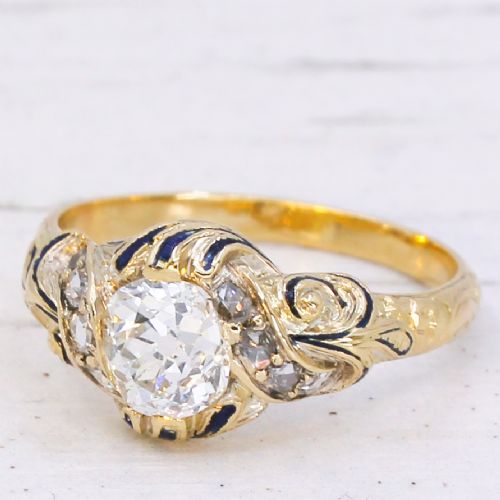
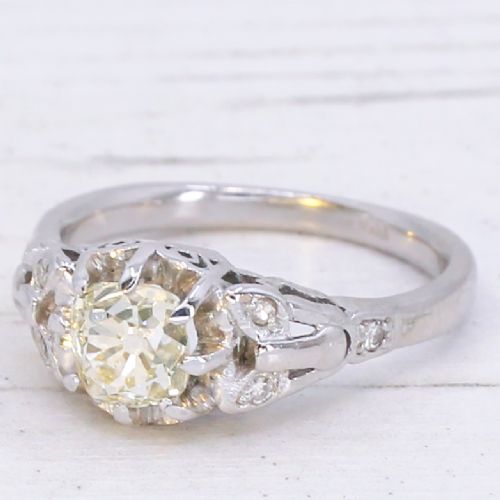
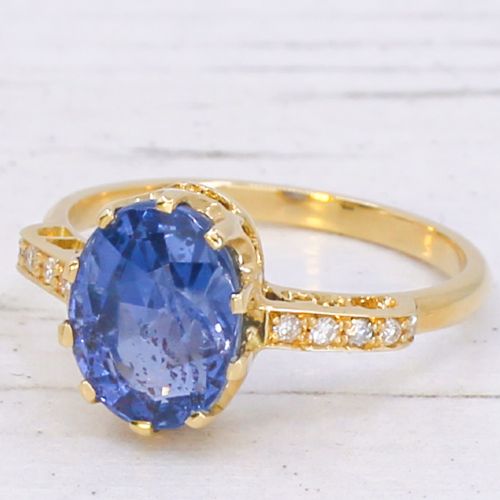
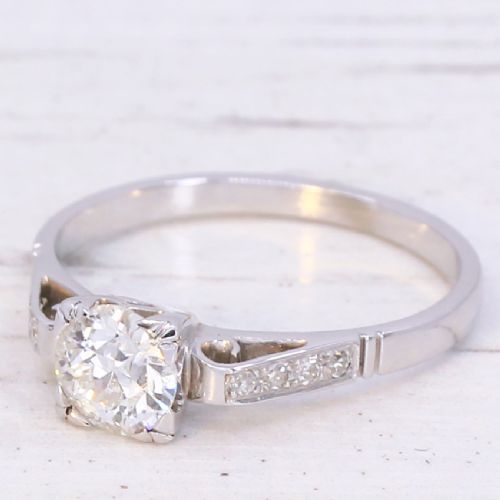
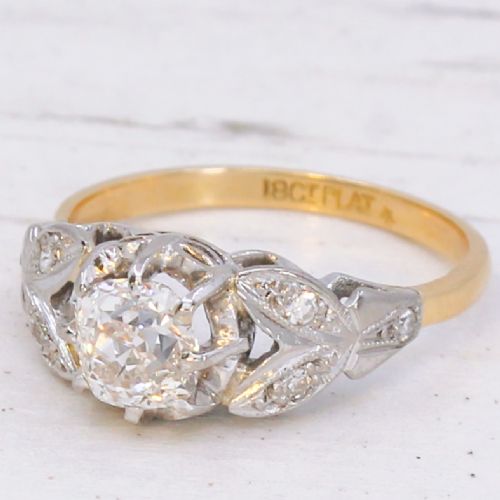
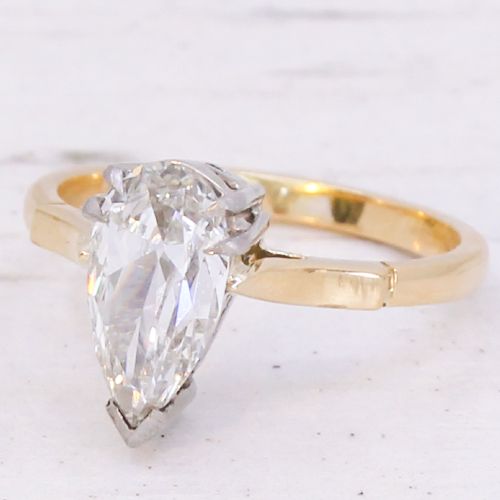
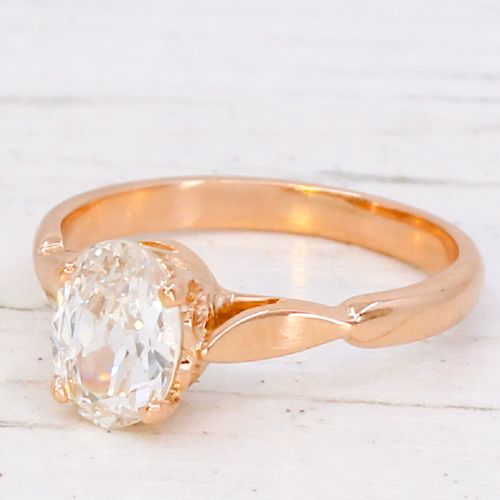
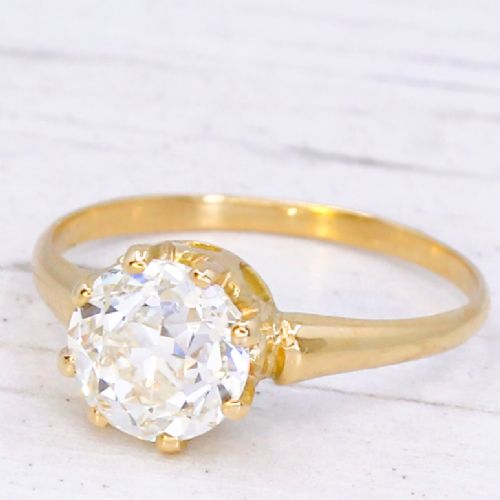
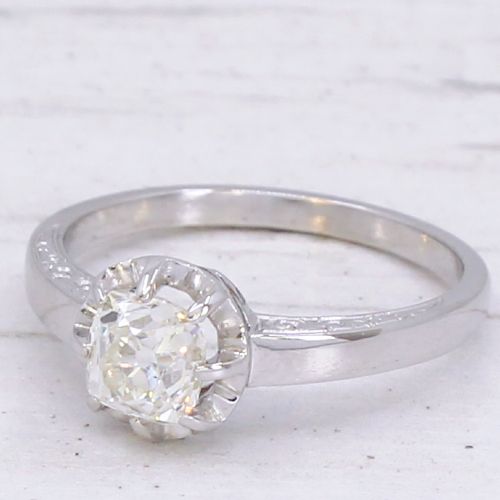
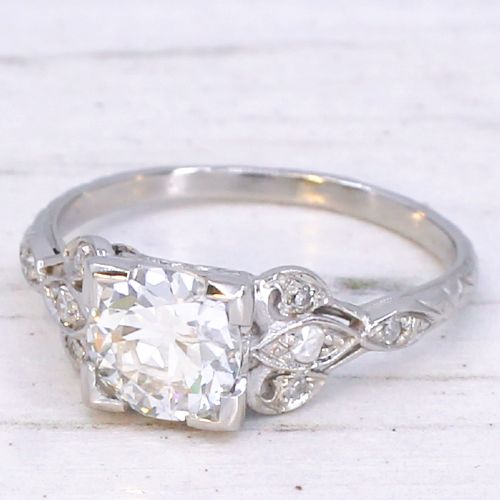
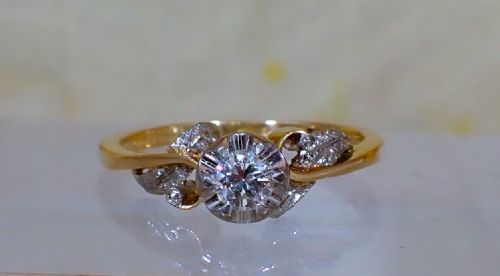
A carat diamond solitaire focuses entirely upon a single principal gemstone, presented most frequently as an engagement ring. The listings and archives show these centred around engagement rings, alongside occasional earrings, brooches, and pendants.
The selection spans Victorian, Edwardian, Art Deco, and Mid-Century periods, capturing design shifts from early hand-cut stones to mid-century modern mountings.
How they were made
Craftsmen utilised durable metals such as platinum and various karats of yellow and white gold to provide secure settings for the central gems.
Stones were shaped by hand using historical cuts including old cut, old mine cut, transitional cut, and rose cut, reflecting the technological capabilities of their respective periods.
Victorian craftsmen occasionally designed these single-stone rings to be completely unisex, proving early minimalists shared our taste.
What varies in quality
Quality differences stem from the optical characteristics of the diamond itself and the precision of the hand-cutting techniques employed during periods like the Edwardian and Art Deco eras.
The durability and finesse of the metalwork, whether platinum or gold, contribute significantly to the overall distinction of the mounting and the security of the setting.
The Carat Diamond Solitaire Glossary
- Solitaire
- A piece of jewellery featuring a single gemstone, most commonly a diamond. This setting style places all visual emphasis on the central stone.
- Old cut
- An umbrella term for early diamond cutting styles preceding modern brilliant cuts. These stones typically feature smaller tables and larger culets.
- Platinum
- A dense, strong, and ductile white metal widely utilised in antique and vintage jewellery settings. Its strength allows for delicate claw and bezel designs.
- Transition cut
- A diamond cut used primarily from the 1920s to the 1940s, bridging the gap between old European cuts and modern brilliant cuts.
- Art Deco
- A design style spanning the 1920s and 1930s characterised by geometric symmetry, clean lines, and strong integration of platinum and diamonds.
Carat Diamond Solitaire: Frequently Asked Questions
What defines a carat diamond solitaire?
A carat diamond solitaire consists of a single diamond weighing approximately one carat mounted as the main feature of a ring, pendant, or pair of earrings.
This design strips away distracting secondary stones to highlight the individual optical properties of the primary gem.
Which periods do these rings come from?
The available pieces originate from Victorian, Edwardian, Art Deco, and Mid-Century eras, spanning from the late nineteenth century through the 1960s.
Each period brings distinct mounting styles and gemstone cutting techniques that help identify the age of the jewellery.
What metals were commonly used?
Metals seen across the inventory include platinum, yellow gold, white gold, and eighteen-carat variations.
Platinum gained immense popularity during the Edwardian and Art Deco periods for its strength, while yellow and white gold appear across Victorian and mid-century items.
How do old cut diamonds differ from modern ones?
Old cut diamonds feature hand-cut facets that produce a softer, warmer candlelit sparkle compared to the precise geometric brilliance of modern round brilliant cuts.
These historical cuts often exhibit smaller tables and distinctive high crowns shaped by the lapidaries of the past.