
White Diamond Ring
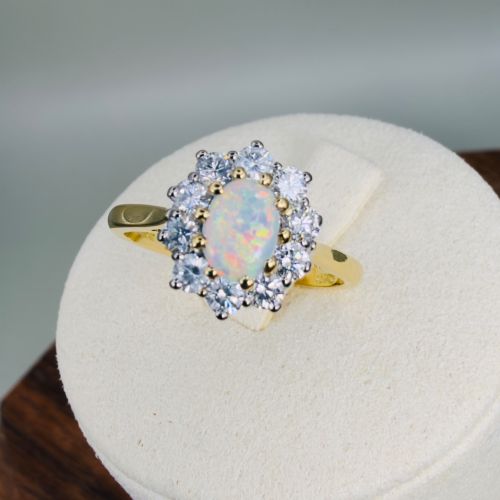
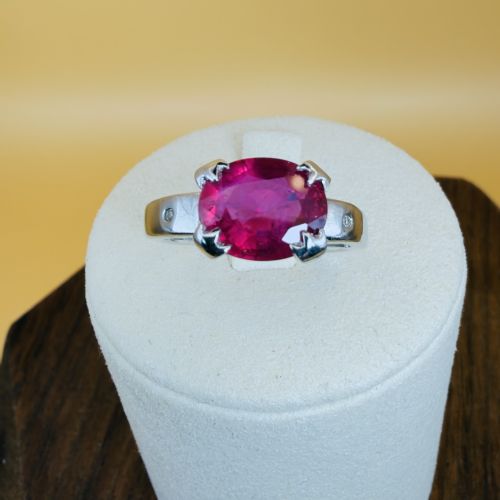
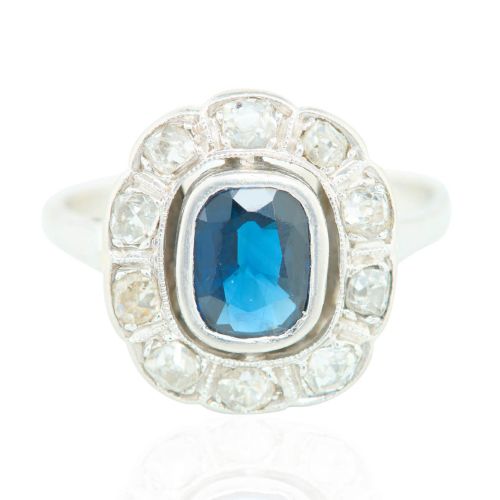
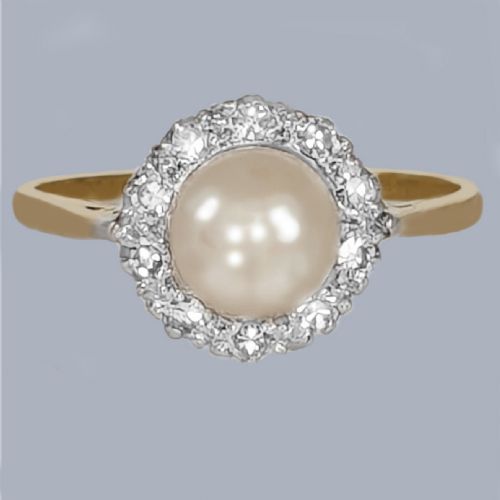
When you search for a white diamond ring, you are looking at precious metal mountings carrying colourless stones alongside sapphires, rubies, and opals from Edwardian times down to the mid-century.
White Diamond Ring
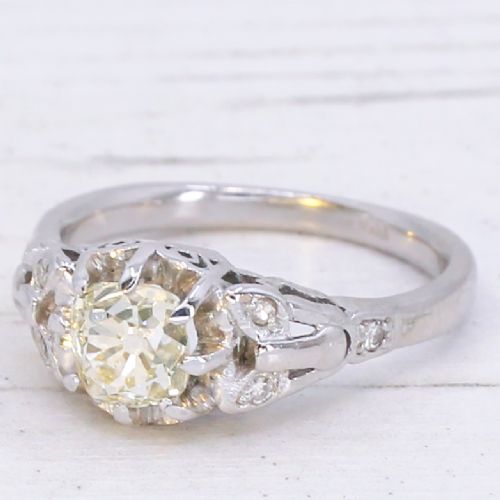
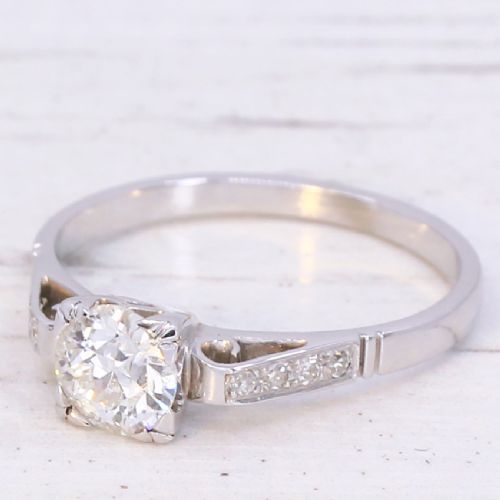
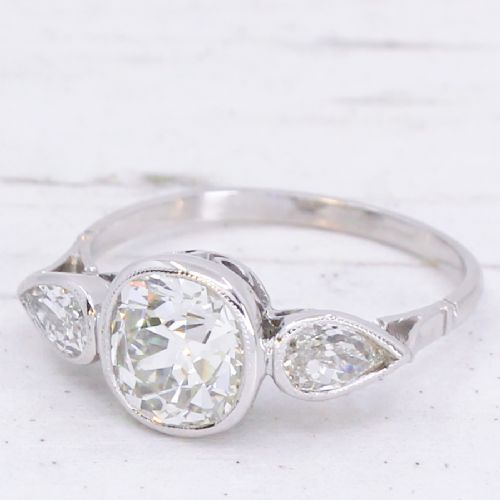
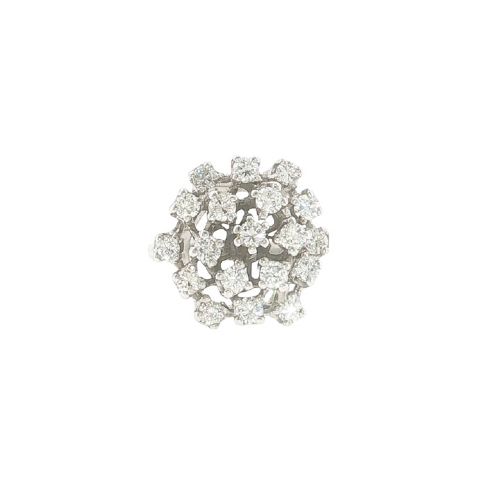
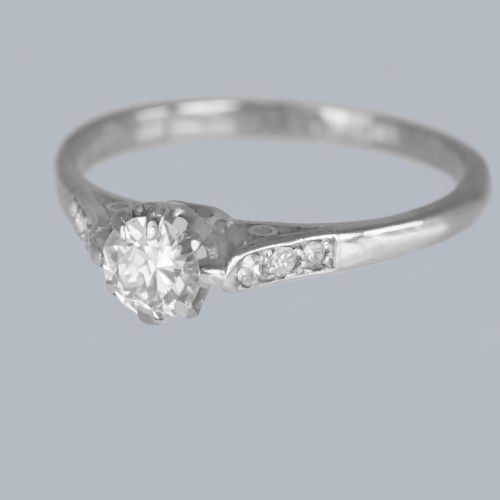
A white diamond ring encompasses everything from Edwardian solitaires and Art Deco cluster designs to mid-century cocktail rings and modern eternity bands. These pieces span the early twentieth century through the nineteen-sixties, capturing shifts in domestic jewellery design.
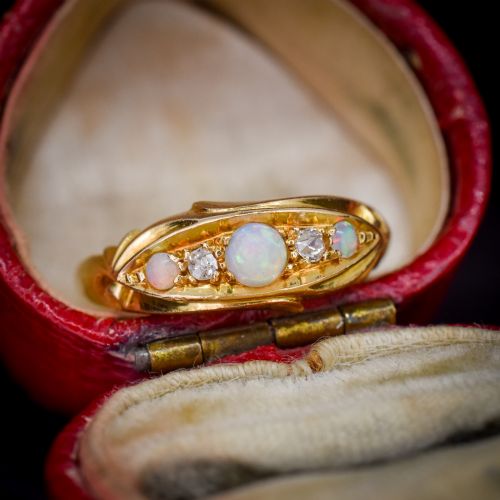
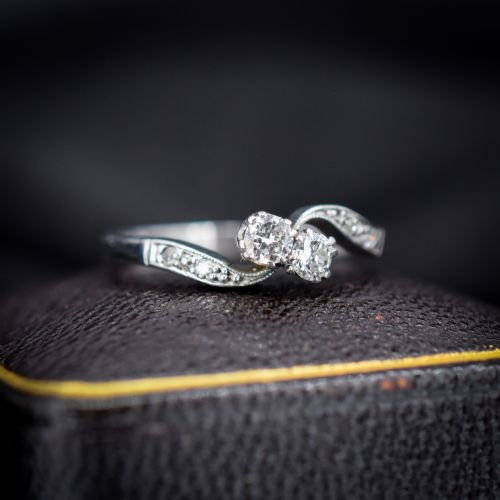
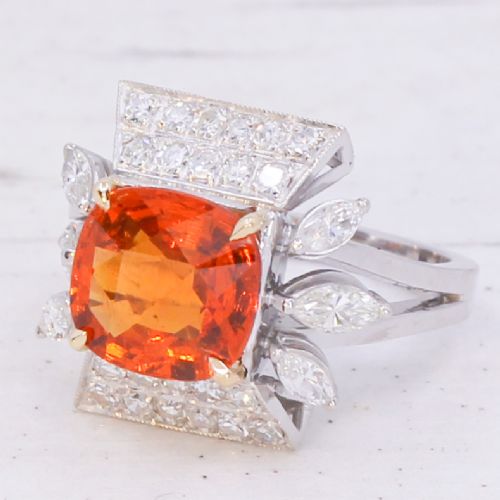
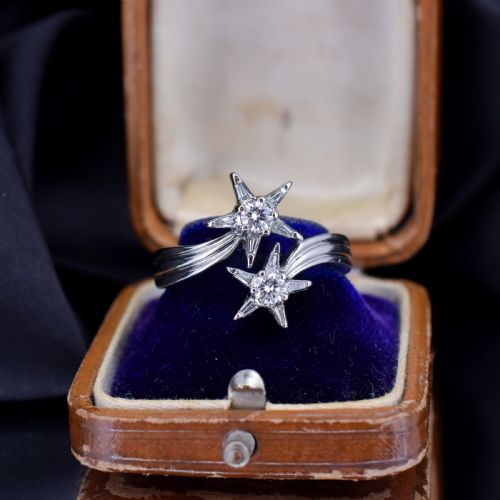
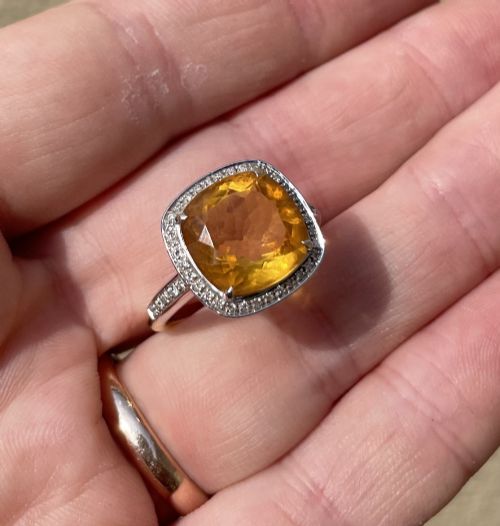
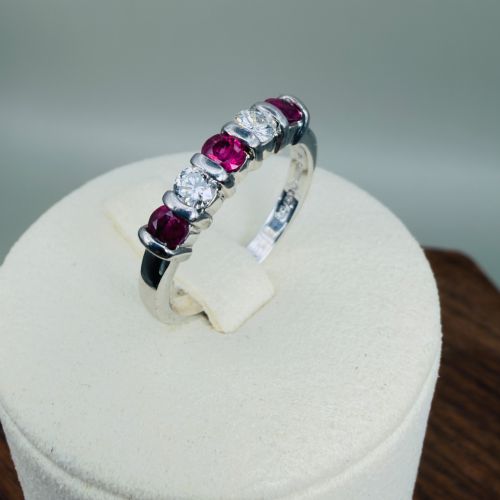
The selection ranges from delicate two-stone twist rings and diamond-set shoulders to substantial multi-stone configurations. Alongside diamond-focused pieces, many examples incorporate coloured gems such as rubies, sapphires, opals, and emeralds set within structured mounts.
How they were made
Craftsmen utilised platinum and various carats of white gold, including eighteen-carat and nine-carat alloys, to construct secure prong, bezel, and cluster settings. These metals provided the bright, neutral backdrop necessary to support brilliant-cut, old-cut, and cushion-cut stones.
Gemstones were hand-set into intricate configurations, often combining calibre-cut or baguette accents alongside central diamonds. Hallmarks stamped into the metal bands record assay office origins in cities like Birmingham and Chester, alongside continental European work.
What varies in quality
Quality rests upon the harmony of the overall design, the integrity of the metalwork, and the character of the stones used. Hand-cut old European diamonds exhibit distinct light play compared to later brilliant cuts, while precise claw work determines the longevity of cluster and solitaire settings.
The integration of secondary gems like natural sapphires and opals influences the piece, with matched colour saturation and clean proportional balance elevating the work of a ring from standard production to exceptional craftsmanship.
The White Diamond Ring Glossary
- Old cut
- A diamond facet style popular in the nineteenth and early twentieth centuries featuring a high crown and small table. These stones produce a softer candlelight sparkle compared to modern brilliant cuts.
- Cluster ring
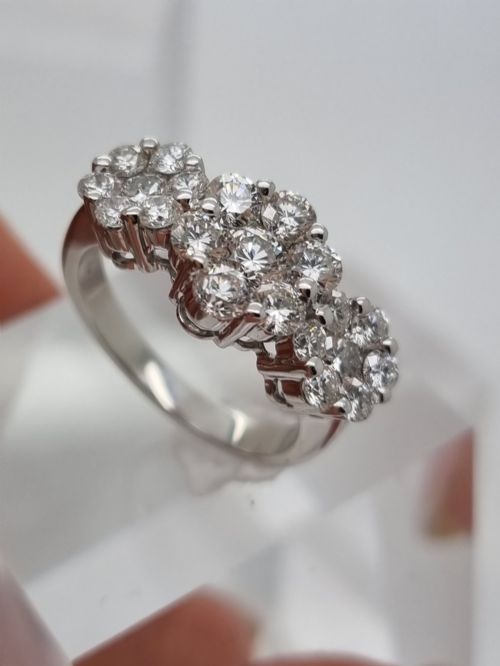
- A central gemstone surrounded by a border of smaller stones, typically diamonds arranged in a floral or geometric shape. This layout maximises visual impact on the hand.
- Toi et Moi
- A two-stone ring style translating to you and me, featuring two primary gems sitting side by side in a twist or parallel setting. It traditionally symbolizes romance and partnership.
- Navette
- A boat-shaped mounting style featuring tapering pointed ends that elongate the appearance of the stones along the finger. It is frequently seen in Edwardian and Art Deco pieces.
White Diamond Ring: Frequently Asked Questions
How do I date a white diamond ring?
Dating relies on hallmarks, metal types, and gemstone cut styles preserved within the piece. Edwardian and Art Deco examples display specific geometric motifs, hand-cut stones, and platinum usage that distinguish them from later mid-century creations.
Examining the underside construction and shank markings provides further evidence of the manufacturing period and assay office origin.
What is the difference between old cut and modern cut diamonds?
Old cut diamonds feature hand-polished facets with smaller tables and deeper pavilions shaped before modern optical science standardised proportions. They offer a unique, softer brilliance suited to antique settings.
In contrast, modern brilliant cuts utilise precise mathematical angles designed to maximise light return and white sparkle.
Are these rings suitable for daily wear?
Many of these pieces were built for everyday engagement wear, utilising durable gold and platinum mountings. However, older settings require gentle care and periodic checks by a jeweller to ensure stones remain secure.
Pieces incorporating softer gems like opals require additional mindfulness to avoid impact and moisture damage during routine activities.
What metals are commonly found in these rings?
Platinum and eighteen-carat white gold dominate the higher-end pieces from the Edwardian and Art Deco eras, offering strength and a bright finish. Nine-carat white gold and yellow gold also appear frequently in mid-century designs.
Metal choice often reflects the prevailing aesthetic and technological capabilities of the decade in which the ring was made.