


Filigree Diamond Ring
A filigree diamond ring delivers delicate openwork metal alongside brilliant stones, bringing enduring geometric elegance straight to the hand.
Filigree Diamond Ring
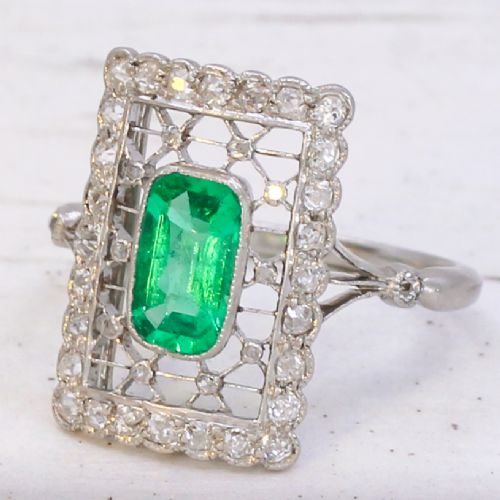
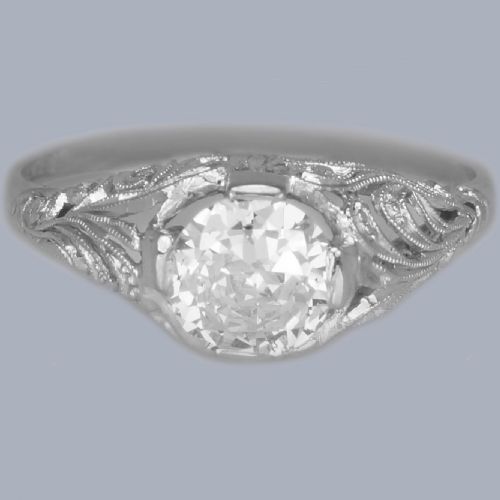
A filigree diamond ring consists of fine metal threads soldered together to form intricate openwork patterns, framing sparkling stones. When searching for a filigree diamond ring, collectors generally encounter pieces originating from the Edwardian era through the Art Deco and Retro periods. These rings often feature central diamonds supported by ornate galleries and shoulder details.
The selections available range from early twentieth-century cluster designs to later mid-century plaque forms. Platinum and 18ct gold serve as the primary metals for these settings, frequently paired with old transitional cut diamonds. Occasional coloured stones such as rubies and sapphires also appear alongside the diamonds.
How they were made
The construction of a filigree diamond ring relies on twisting and bending fine threads of platinum or gold into lace-like motifs. Artisans solder these delicate wire arrangements together by hand before setting the diamonds into the framework.
Heavier platinum and 18ct gold provide the structural integrity required to support complex openwork designs without bending during daily wear. Master jewellers utilised old cut and transitional cut diamonds to catch the light within these intricate metal settings.
Filigree Diamond Ring Retail Price Guide 2026
Typical asking prices for filigree diamond ring among the pieces listed under this phrase on Sellingantiques today, from the lower quarter to the upper quarter. They describe what is for sale here now, not the wider market.
Some delicate wire rings hide tiny secret galleries underneath that only the wearer ever sees.
What varies in quality
The distinction between standard examples and the finest pieces lies in the precision and complexity of the openwork metal. Superior rings display crisp, uniform wirework with secure settings that hold each diamond firmly in alignment.
The choice of metal and the skill of the stone cutter dictate the overall sophistication of the piece. Finer stones possess greater fire and integration with the surrounding filigree patterns.
The Filigree Diamond Ring Glossary
- Filigree
- Fine ornamental work of fine wire, usually gold or platinum, soldered together in intricate patterns. This technique creates a lace-like effect characteristic of early twentieth-century jewellery.
- Platinum
- A dense, ductile, and malleable silver-white precious metal. It provides exceptional strength for holding delicate wirework and secure diamond settings.
- Old cut
- A diamond facet style popular before modern round brilliants were standardised. These stones feature smaller tables and larger culets that produce a distinct, softer glow.
- Plaque ring
- A ring featuring a flat, geometric top surface covered in openwork and small stones. This style typifies the architectural aesthetic of the Art Deco period.
- Cluster ring
- A ring design featuring a central stone surrounded by a grouping of smaller stones. This arrangement maximises visual impact and perceived brilliance.
Filigree Diamond Ring: Frequently Asked Questions
What periods do these rings come from?
The pieces span the Edwardian era through the Art Deco and Retro periods, covering the early to mid-twentieth century.
Most examples date specifically from the 1905 to 1950 timeframe, showing distinct shifts in geometric and openwork design.
What metals are used in the settings?
Platinum and 18ct gold serve as the predominant materials for constructing these intricate rings.
Platinum was particularly favoured during the Art Deco period for its strength in supporting delicate wirework.
How do I care for openwork jewellery?
Delicate metal threads require gentle cleaning using soft brushes and mild soapy water to prevent bending.
Avoiding harsh ultrasonic cleaners preserves the integrity of the fine soldered joints in the filigree.
Are coloured stones found in these rings?
Diamonds form the primary focus, but rubies and sapphires occasionally appear as accent stones.
These coloured gems provide contrast against the bright white platinum and yellow gold settings.