


Edwardian Platinum Ring
An edwardian platinum ring brings together early twentieth century handcraft and durable white metal.
Edwardian Platinum Ring
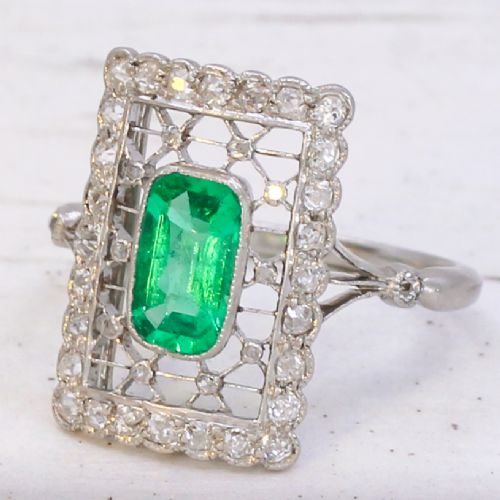
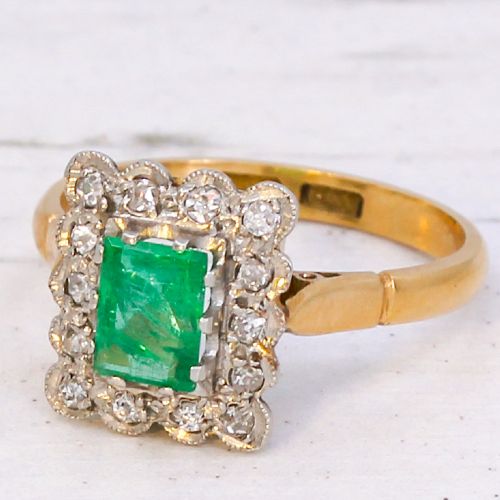
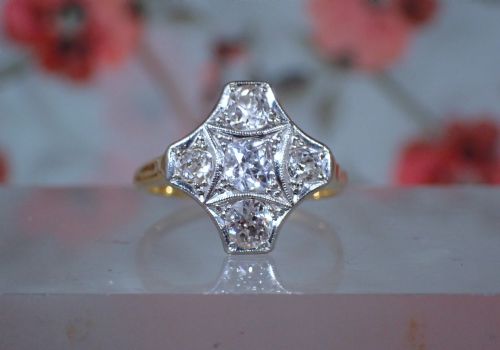
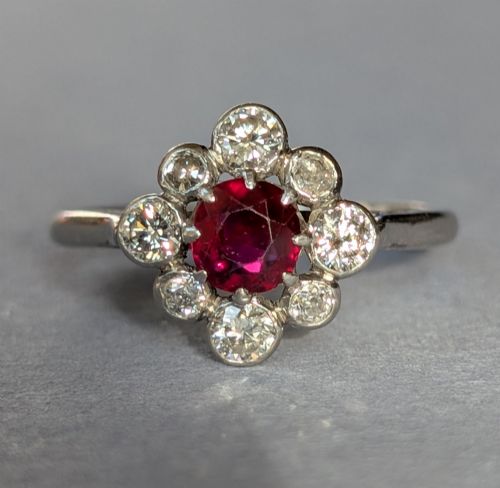
The search phrase edwardian platinum ring covers jewellery produced during the early twentieth century alongside adjacent periods up to the mid twentieth century. These pieces combine platinum with yellow gold or white gold mounts to hold diamonds, sapphires, rubies and emeralds.
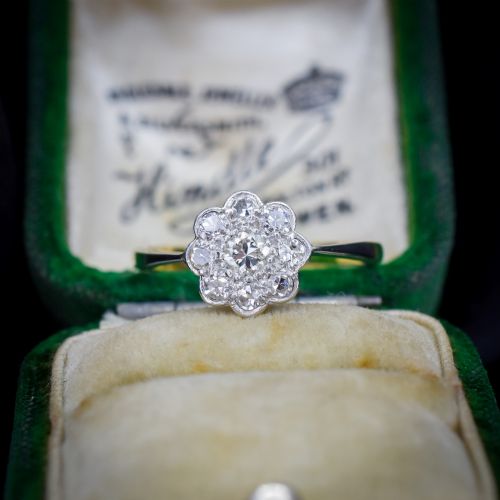
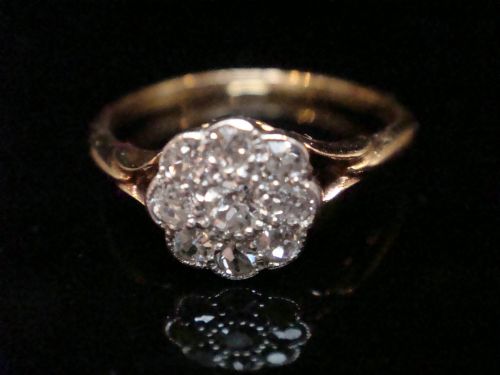
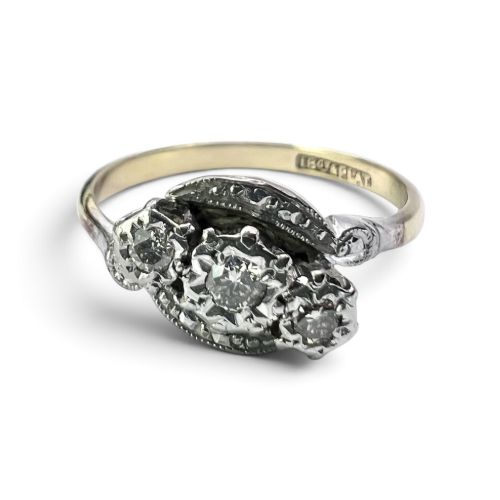
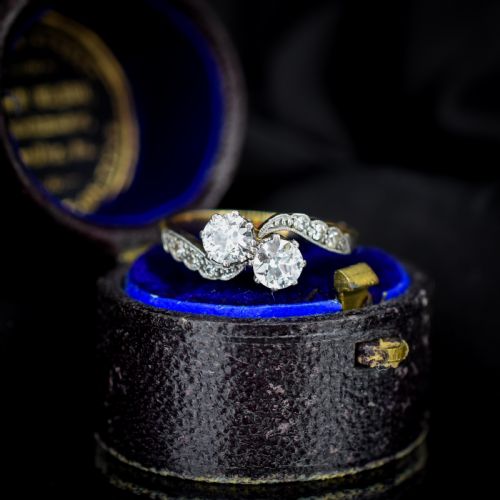
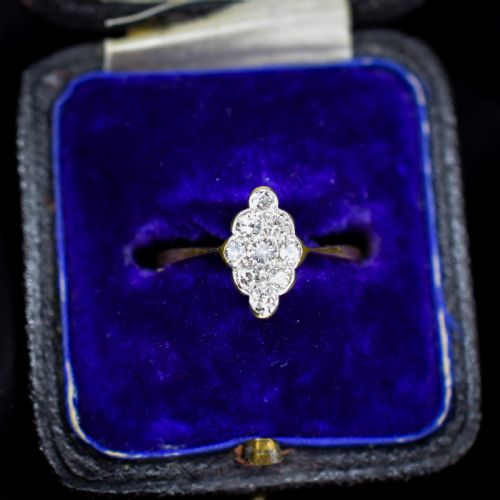
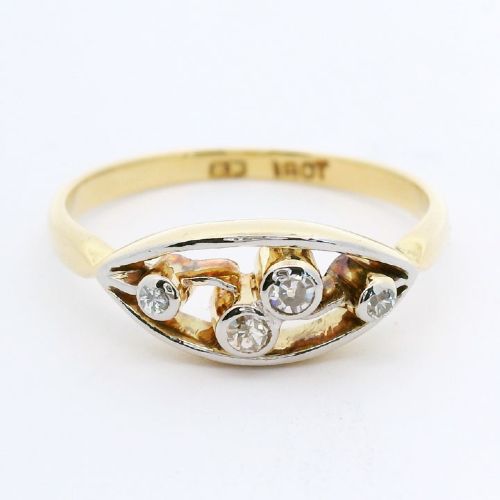
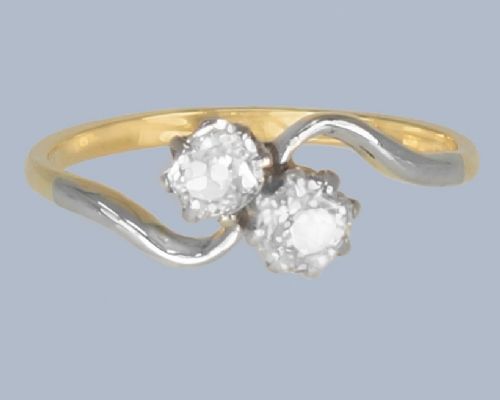
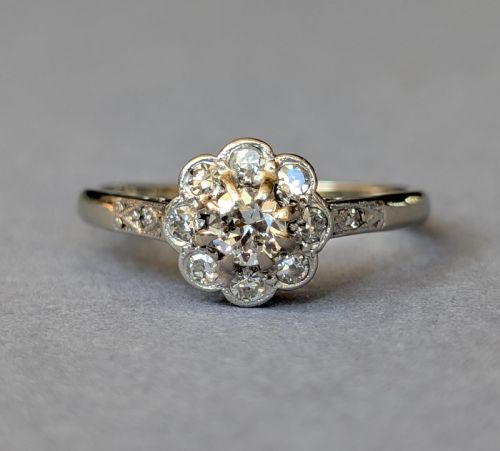
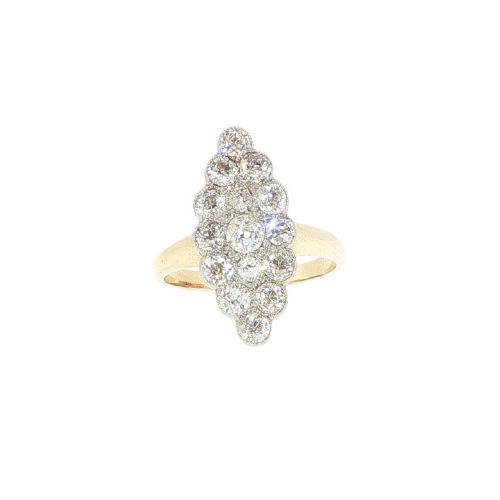
Cluster rings, solitaire engagement stones, and multi stone trilogy settings dominate the available forms. Buyers encounter daisy clusters, navette outlines, and toi et moi twist designs set upon slender shanks.
Examples stem from the Edwardian era and the subsequent Art Deco decades, reflecting transitional shifts in early twentieth century goldsmithing.
How They Were Made
Goldsmiths fused platinum over 18ct yellow or white gold bases to secure stones while conserving weight and cost. Platinum claws and millegrain edges were hand shaped around old cut diamonds and coloured gemstones.
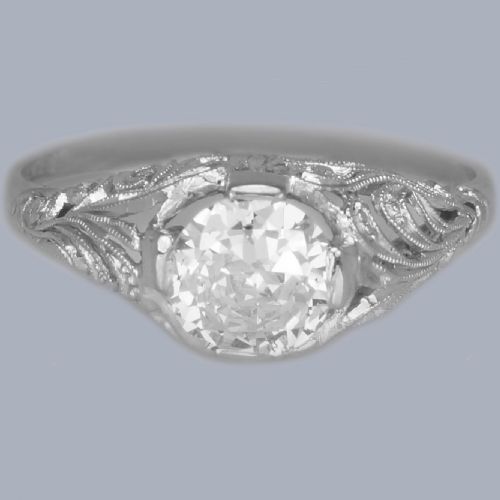
Gemstones such as old European cut diamonds, sapphires, and rubies were secured into basket settings and pierced galleries using hand tools.
Edwardian Platinum Ring Retail Price Guide 2026
Typical asking prices for edwardian platinum ring among the pieces listed under this phrase on Sellingantiques today, from the lower quarter to the upper quarter. They describe what is for sale here now, not the wider market.
Dog clips and bolt rings occasionally appear on chains, proving even fasteners required a decorative touch.
What Varies In Quality
Quality depends upon the precision of the millegrain work and the symmetry of the hand cut diamonds. Fine specimens maintain crisp pierced gallery work without thinning to the platinum shanks.
The clarity and origin of centre stones, including unheated sapphires or emeralds, separate standard production from exceptional examples.
The Edwardian Platinum Ring Glossary
- Millegrain
- A decorative technique featuring a row of tiny raised metal beads along the edge of a setting. This detail softens harsh metal lines with texture.
- Old Cut
- A diamond faceting style hand cut before modern brilliant standards developed. These stones possess smaller tables and higher crowns.
- Toi Et Moi
- A two stone ring design representing two souls bound together. The stones sit side by side or in a gentle twist.
- Navette
- A boat shaped ring setting that tapers to points at either end. This elongated silhouette spans the finger lengthways.
- Trilogy
- A three stone setting representing past, present and future. The central gem is typically flanked by two matching side stones.
Edwardian Platinum Ring: Frequently Asked Questions
How do I wear a delicate antique ring daily?
Pair the piece carefully with flat bands to avoid grinding down the antique platinum claws. Remove the ring during heavy manual tasks to protect the original millegrain edges.
Store the item separately in a fabric lined box to prevent scratching softer gemstones like pearls or opals.
Are old cut diamonds different from modern stones?
Older cutting techniques produce smaller tables and deeper pavilions designed to catch candlelight rather than harsh electric illumination. Each stone was shaped by hand to fit its specific mount rather than cut to a rigid mathematical formula.
This variation gives individual character to every solitaire or cluster centre stone.
Can I resize an antique band safely?
Skilful jewellers can alter the shank size by adding or removing metal from the lower portion of the band. The platinum top and gallery work remain untouched during this process.
Consult a specialist who understands vintage construction to preserve any shoulder stones or engraved details.
What is the difference between Edwardian and Art Deco styles?
Edwardian designs lean towards lace like platinum work, floral motifs, and organic curves. Art Deco pieces favour geometric rigour, sharp lines, and symmetrical arrangements.
Both periods frequently utilise platinum fused to gold bases.