
Blue Sapphire Dress Ring
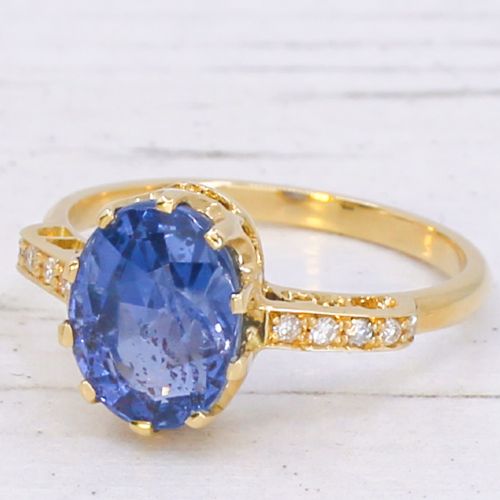
A blue sapphire dress ring brings together deep corundum stones and precious metals to create striking hand adornment.
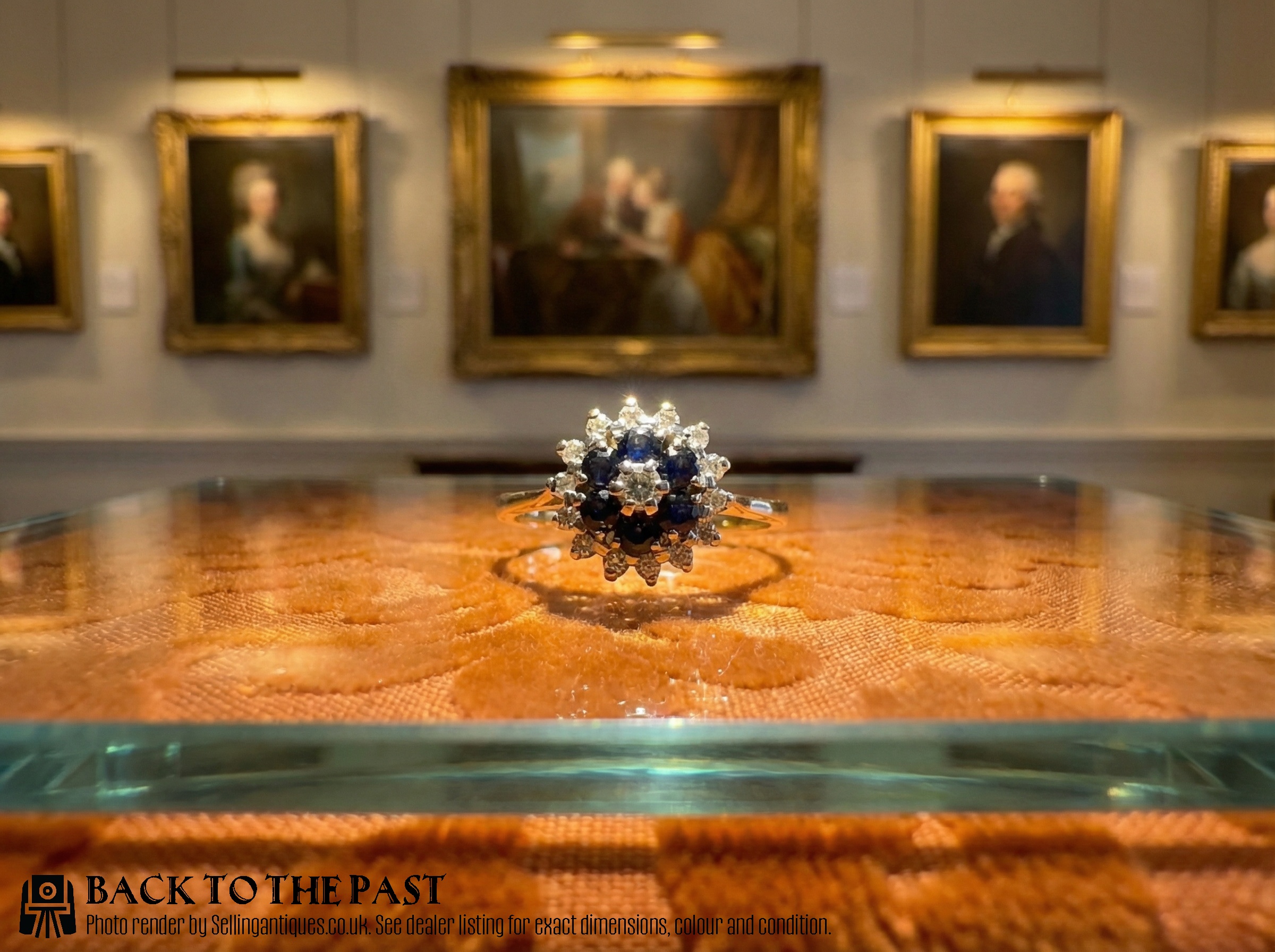
Blue Sapphire Dress Ring
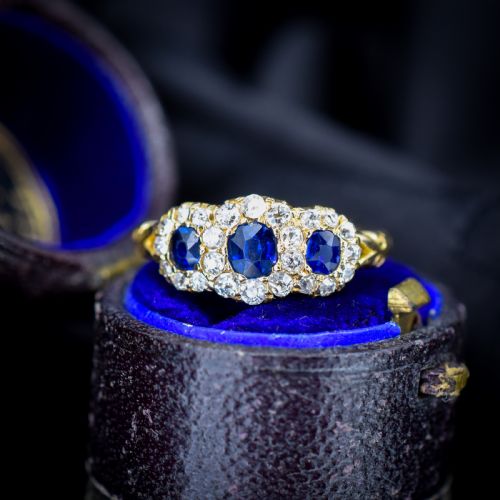
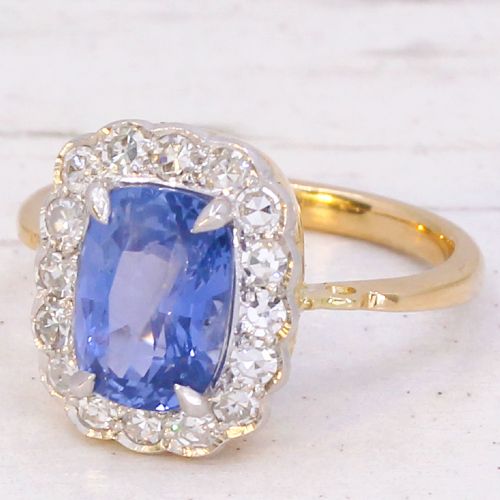
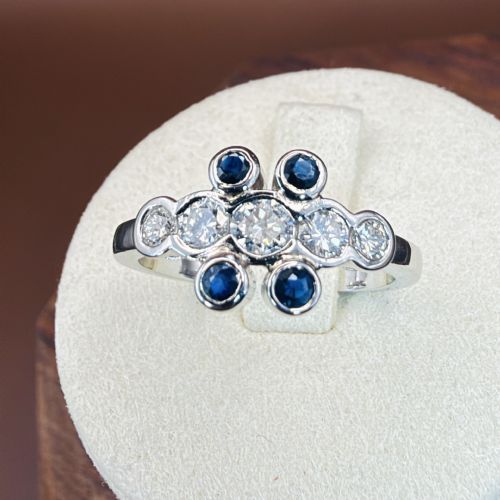
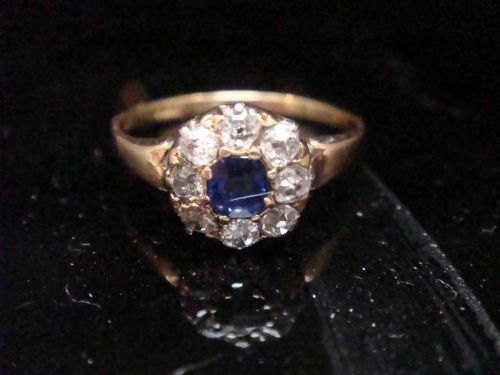
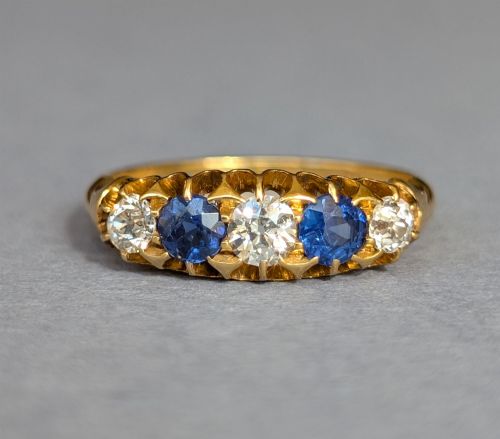
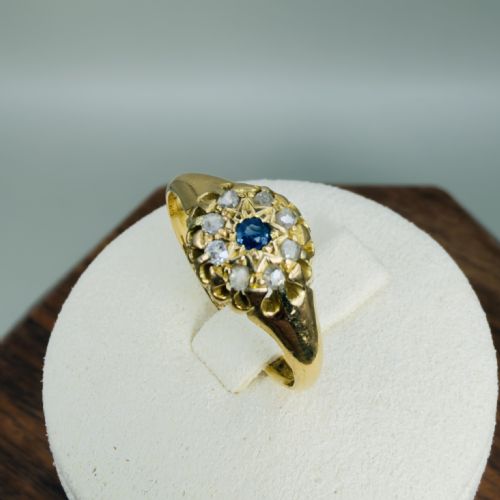
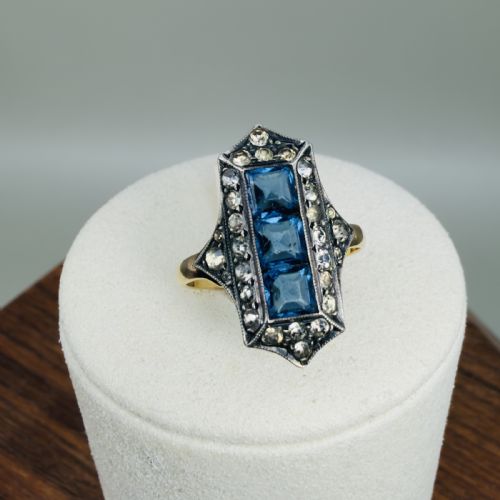
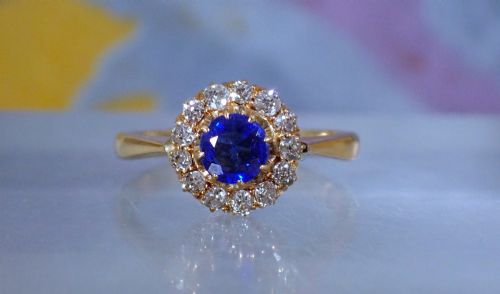
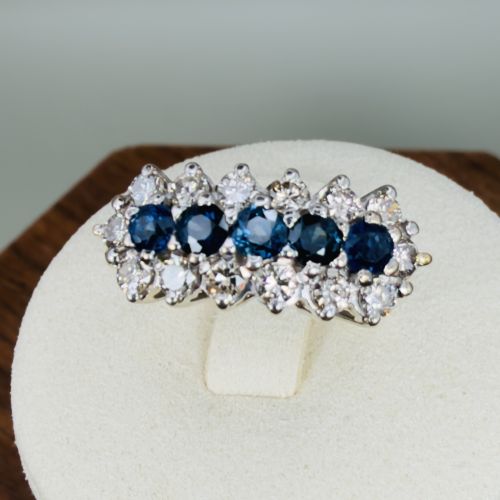
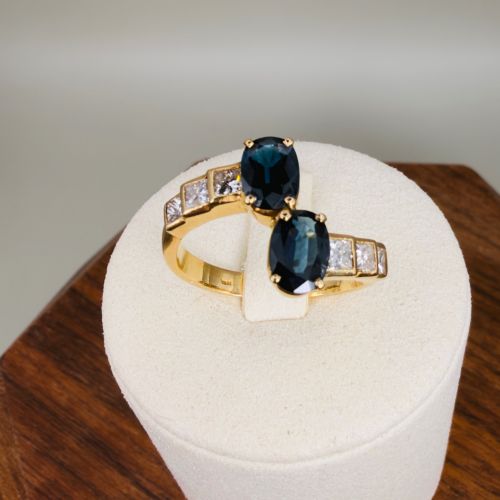
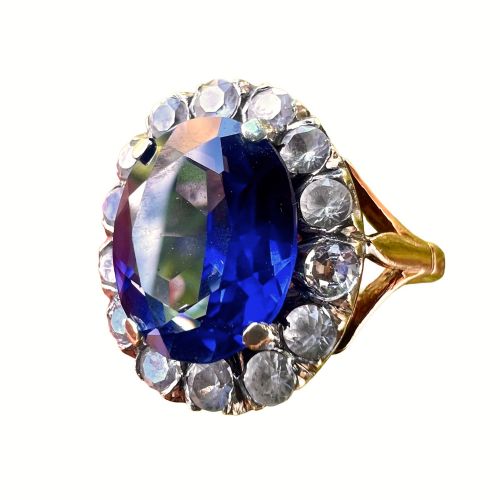
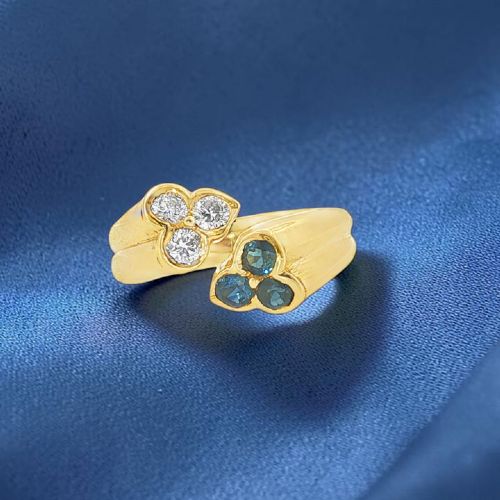
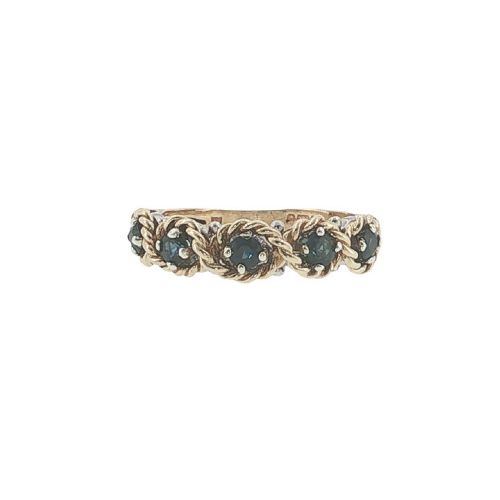
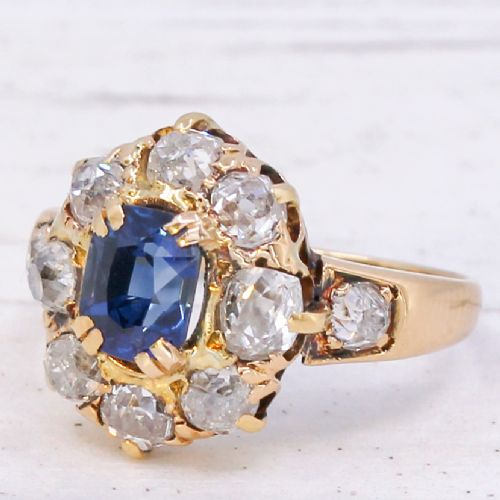
A blue sapphire dress ring stands as a prominent category of vintage and antique finger adornment, typically combining a central blue sapphire with surrounding diamonds or other decorative stones.
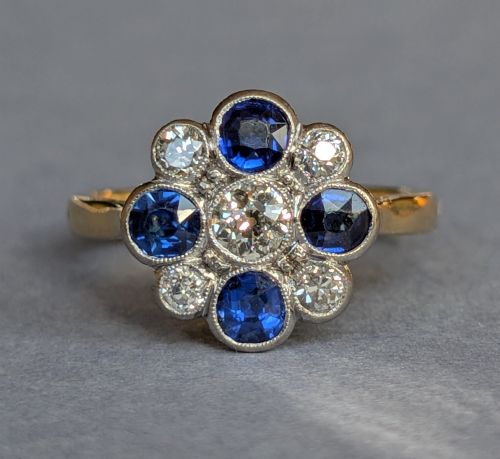
Collectors frequently encounter cluster arrangements, daisy designs, and geometric shapes originating from Victorian, Edwardian, and Art Deco periods, as well as mid-century workshops.
The phrase encompasses rings fashioned from platinum and yellow or white gold, spanning eras from the late nineteenth century through to the mid-twentieth century.
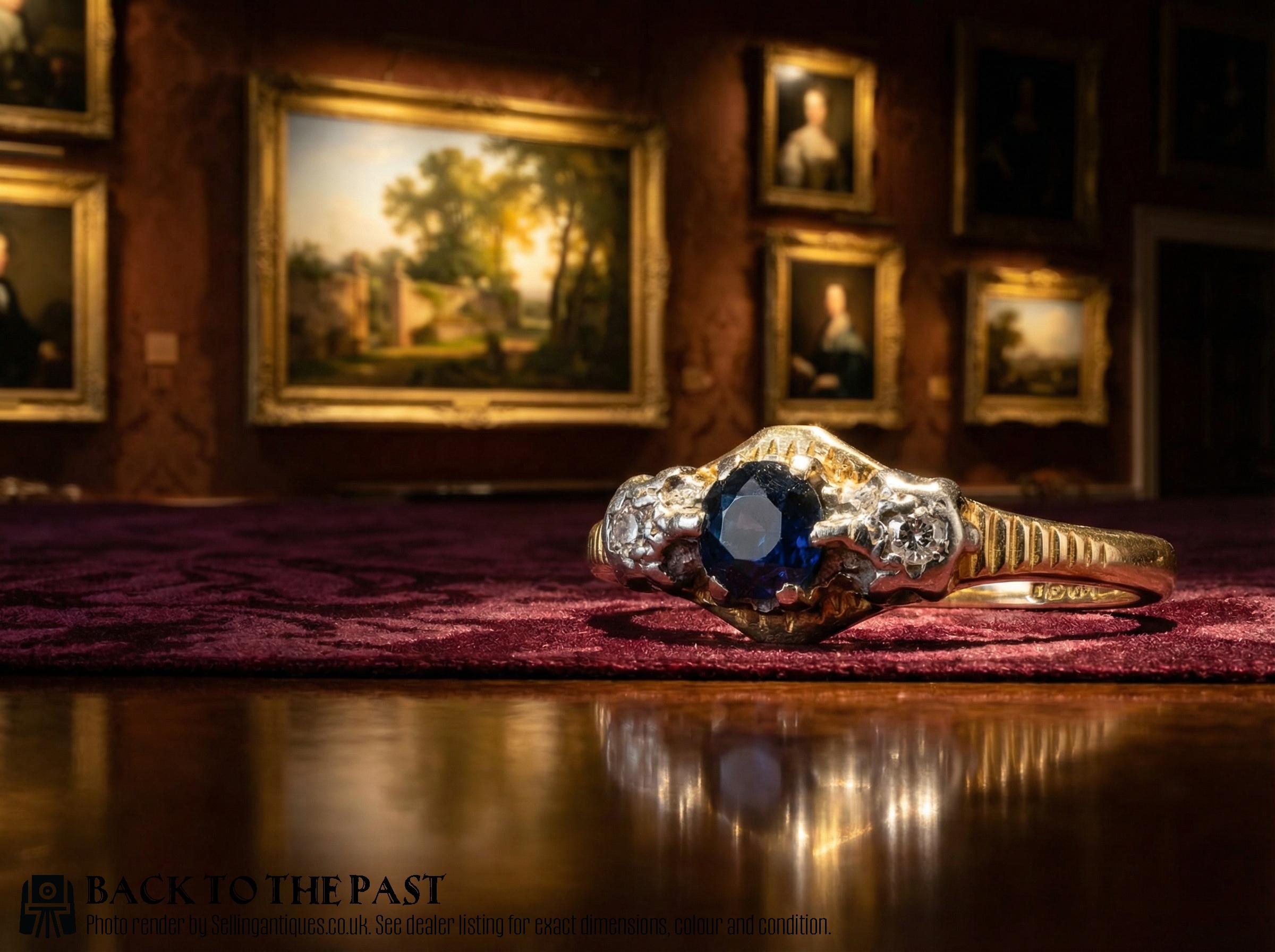
Materials and construction methods
Goldsmiths utilised 18ct gold, platinum, and occasionally silver-topped settings to securely hold prominent blue sapphires and old cut diamonds.
Cluster and halo configurations were constructed by mounting smaller diamonds closely around the central blue sapphire, often employing calibre cut stones or fine prong settings.
Blue Sapphire Dress Ring Retail Price Guide 2026
Typical asking prices for blue sapphire dress ring among the pieces listed under this phrase on Sellingantiques today, from the lower quarter to the upper quarter. They describe what is for sale here now, not the wider market.
Listings feature yellow gold, white gold, and platinum metals paired with sapphire and diamond stones across Edwardian, Art Deco, and Victorian styles.
Distinctions in craftsmanship and materials
The origin and thermal treatment of the central blue sapphire significantly influence the character of the piece, with unheated stones from sources like Ceylon, Burma, or Kashmir holding particular distinction.
Precision in gemstone cutting, the clarity and colour uniformity of accompanying diamonds, and the delicacy of the metalwork set finer examples apart from standard production.
Kutchinsky·Le Vian
The Blue Sapphire Dress Ring Glossary
- Cluster ring
- A ring design featuring a central gemstone surrounded by a group of smaller stones, typically diamonds framing a blue sapphire.
- Old cut diamond
- A hand-faceted diamond style common in antique jewellery, possessing larger facets and a smaller table than modern stones.
- Calibre cut
- Gemstones specifically shaped and cut to fit tightly together in geometric channels without visible metal settings between them.
- Gypsy ring
- A style where stones are flush-set directly into the thick band of the ring, popular during the Victorian and Edwardian periods.
- Target ring
- A concentric circular cluster design resembling a target, frequently seen in Art Deco jewellery configurations.
Blue Sapphire Dress Ring: Frequently Asked Questions
How do I identify an Art Deco sapphire ring?
Art Deco rings display geometric symmetry, sharp angles, and platinum or white gold settings combined with calibre cut sapphires.
They frequently feature target or rectangular cluster arrangements that reflect the architectural design trends of the 1920s and 1930s.
What is an old cut diamond?
Old cut diamonds are historic stones shaped by hand rather than modern machinery, resulting in unique facet patterns and a softer, warmer gleam.
These diamonds are typical in Victorian and Edwardian cluster rings alongside natural blue sapphires.
Can I wear an antique sapphire ring daily?
Sapphires rank high on the hardness scale, making them durable enough for regular wear when set securely in robust metals like 18ct gold or platinum.
Prong and cluster settings from older eras do benefit from periodic inspection by a jeweller to ensure the stones remain tight.
What does unheated sapphire mean?
An unheated sapphire has not undergone artificial thermal enhancement to improve its natural colour or clarity after being mined.
Such stones retain their original geological characteristics and are documented closely by gemological laboratories.