

Canvas Oil Cityscape Painting
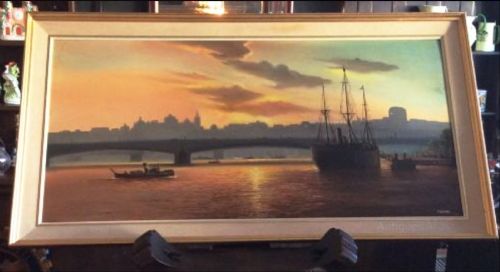
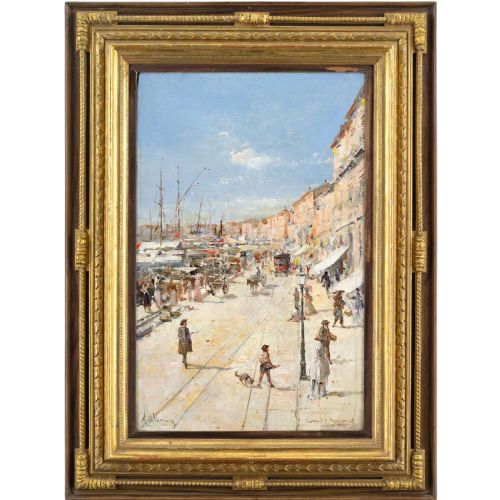
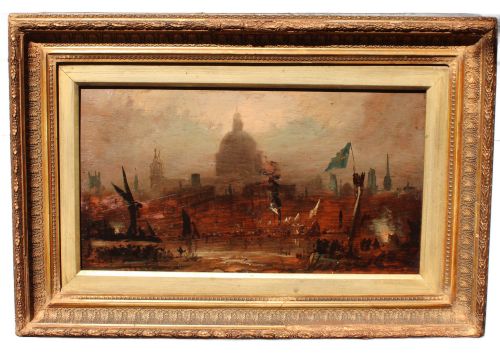
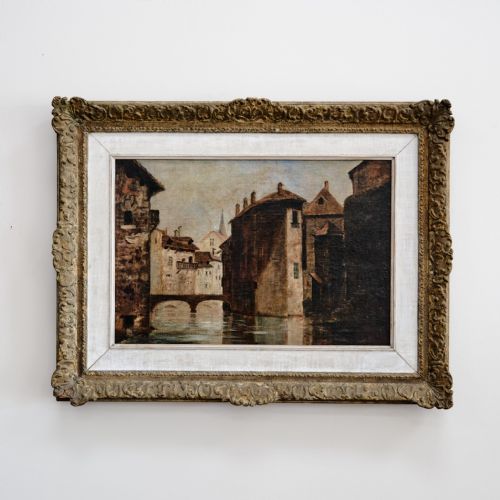
Canvas oil cityscape painting brings urban life, bridges and rivers to view through pigment laid directly onto woven fabric.
Canvas Oil Cityscape Painting
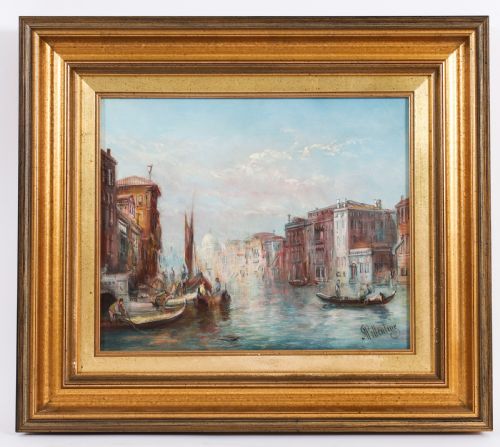
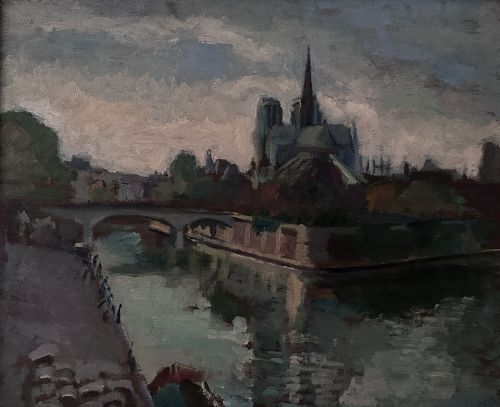
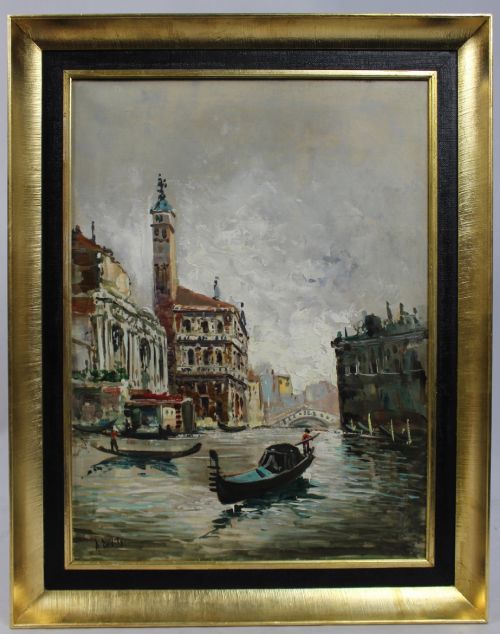
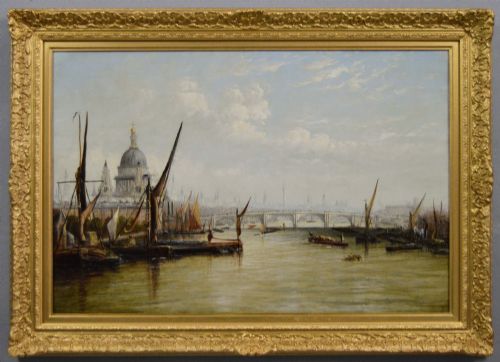
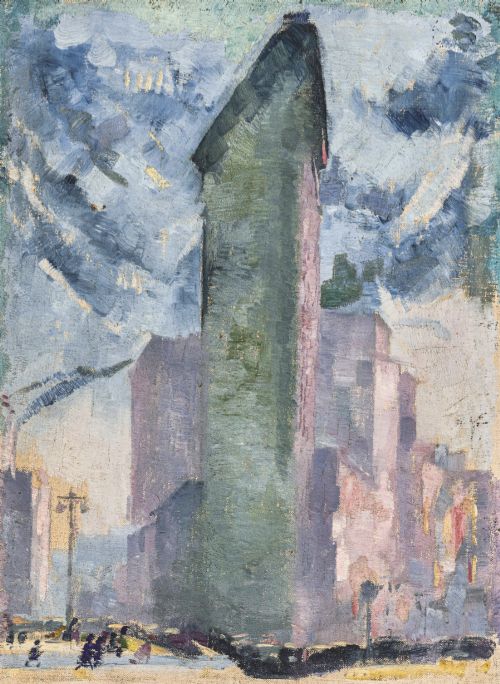
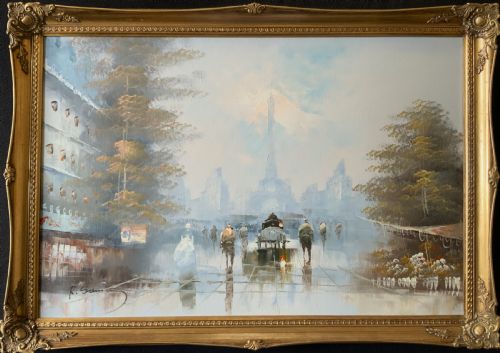
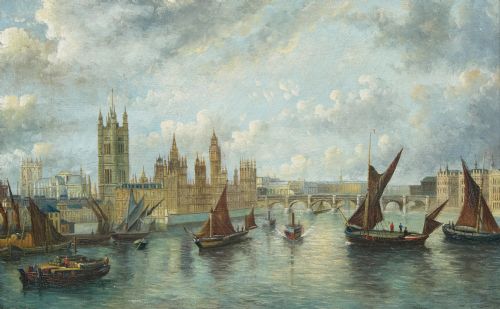
A canvas oil cityscape painting captures metropolitan streets, ports and architectural landmarks using oil pigments spread across stretched textile supports. Buyers searching this phrase encounter works ranging from nineteenth-century topographical studies to mid-century impressionist views of London, Paris and Venice.
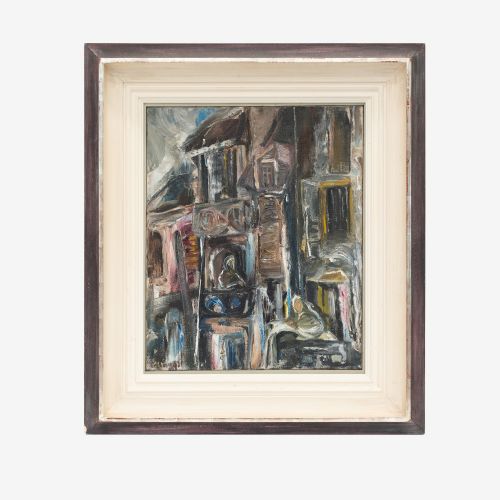
The versions most frequently met on this page date from the nineteenth century through to the mid-twentieth century. These span Victorian townscapes, Belle Epoque river scenes and post-war expressionist interpretations of European urban centres.
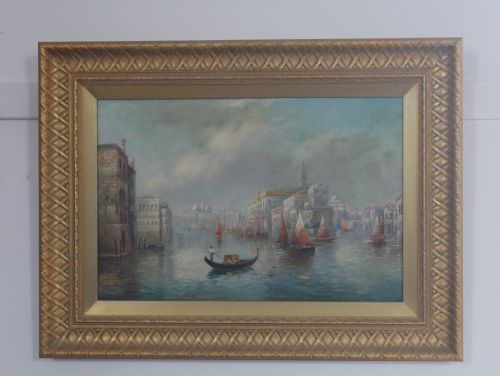
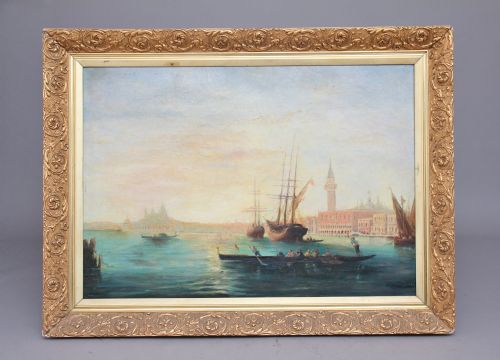
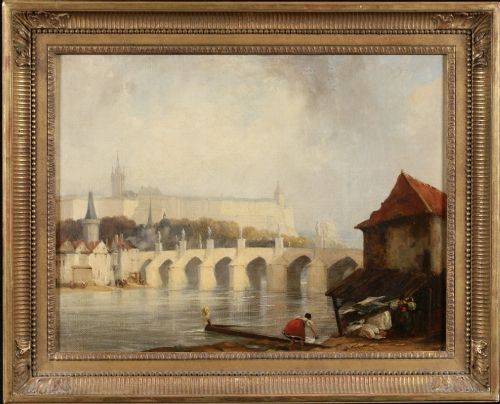
Compositions typically focus on bustling thoroughfares, grand canals, historic cathedrals and bridges. Artists utilise oil on canvas to render changing light on stone facades, water and sky.
Materials and methods
Makers build these works using oil paint applied to prepared canvas stretched over wooden frames. Pigments mixed with drying oils allow artists to layer colour and manipulate texture over extended periods.
Many examples retain their period surrounds constructed from wood, embellished with gesso and finished in gold leaf or gilded wood. The combination of canvas support and wooden stretcher ensures structural stability for the painted surface.
Canal scenes occasionally feature elusive gondoliers navigating past historic palazzos under painted skies.
Evaluating the work
Quality rests upon the artist's ability to handle perspective, spatial depth and atmospheric light within an urban setting. Superior examples demonstrate confident brushwork that defines architectural detail and movement without relying on rigid lines.
The handling of the medium itself distinguishes finer works, where impasto texture or thin glazing creates a convincing sense of urban atmosphere. Original framing executed in carved gesso and gilded wood also contributes to the integrity of the piece.
Augusto Alberici·Alfred Pollentine·Francis Moltino·Alfred Wolmark·Lilian Colbourn·Caroline Burnett·Paul-Jean Anderbouhr·Gabriel Dauchot·Merio Ameglio·Cornelis Christian Dommersen·Frederick Tully Lott·William George Meadows·William Raymond Dommersen
The Canvas Oil Cityscape Painting Glossary
- Impasto
- Paint applied thickly to a canvas, standing out in relief from the surface. This technique allows brush or palette knife marks to remain visible.
- Gesso
- A plaster mix applied to wooden frames as a smooth base for gilding. It provides a stable surface for gold leaf application.
- Giltwood
- Timber treated with gold leaf or metallic powder to create a lustrous decorative finish. It is commonly found on period picture frames.
- Canvas
- A heavy woven fabric stretched tightly over a wooden frame to serve as a painting support. Hemp and linen are traditional variations.
Canvas Oil Cityscape Painting: Frequently Asked Questions
What periods do these canvas oil cityscape paintings cover?
The works span from the early nineteenth century through to the mid-twentieth century. Common eras represented include the Victorian period, the Belle Epoque and mid-century modern movements.
Creators from various European schools recorded urban environments across these decades using traditional oil techniques.
How should I display a canvas oil cityscape painting?
These works suit placement on interior walls away from direct sunlight and excessive moisture fluctuations. Most arrive fitted with period wooden frames ready for hanging.
Ensure adequate wall support if the piece incorporates a large timber stretcher and heavy gilded frame.
Which cities appear most frequently in these paintings?
London, Paris, Venice and Prague feature prominently across the collection. Views capture specific locations such as the River Thames, the Grand Canal and Parisian boulevards.
Artists focused on these hubs to explore architectural density, bridges and waterfront activities.
What styles are represented in the paintings?
Styles range from nineteenth-century romanticism and topographical realism to impressionism, post-impressionism and mid-century expressionism. Some works adopt looser brushwork while others maintain precise architectural rendering.
Artists adapted their approach to reflect changing European aesthetic movements across the decades.