




Twentieth Century French Landscape
Twentieth century french landscape paintings bring the light and atmosphere of rural and urban France straight to your wall.
Twentieth Century French Landscape
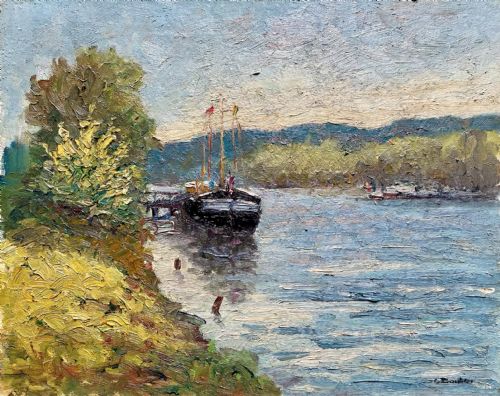
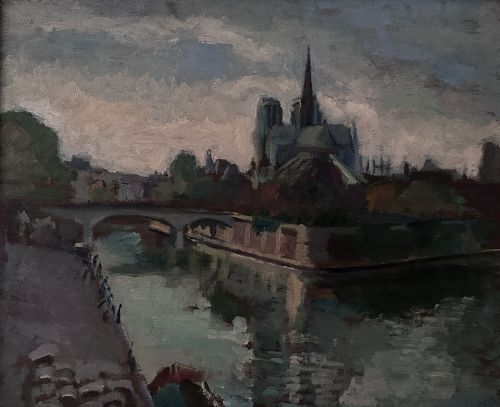
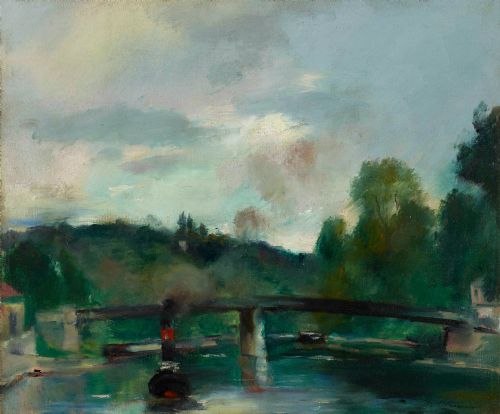
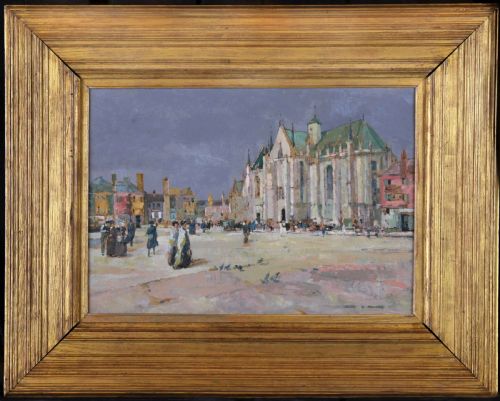
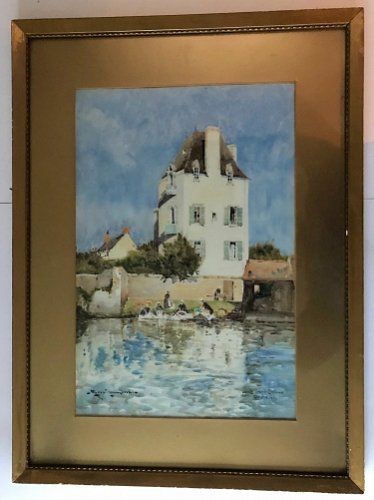
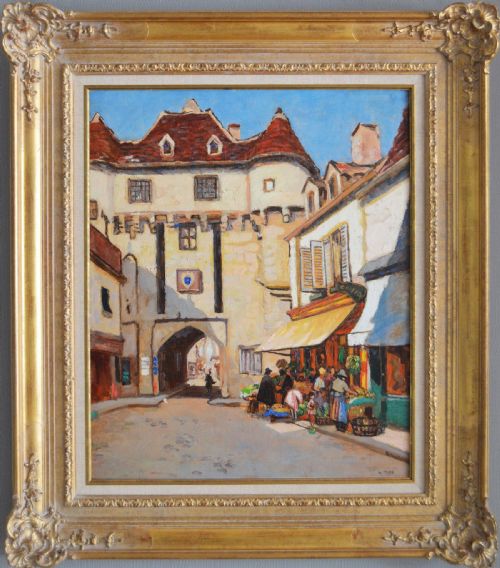
A twentieth century french landscape captures rivers, coastal cliffs, city bridges and quiet townscapes through the lens of changing artistic movements. These works range from rural scenes in Normandy and Brittany to urban street views of Paris.
You will most commonly encounter oil paintings on canvas or board, alongside watercolours and occasional pencil drawings. The subjects span from the Seine and the Alabaster Coast to historic French towns.
The periods represented stretch across the decades from nineteen ten through to nineteen sixty, showing the evolution of brushwork and colour from impressionist roots into mid-century modern expressions.
How they were made
Artists built these scenes using oil paint applied to canvas, wood panels or boards, capturing texture and depth with visible brushstrokes. Watercolours on paper offered a lighter, more fluid method for recording light on location.
Framing played an integral part in presentation, often utilising wood to complement the painted surface and protect the edges of the canvas or paper support.
Listings feature works spanning from nineteen ten to nineteen sixty, utilising oil paint, watercolour and pencil on canvas, wood and paper.
What varies in quality
Quality rests upon the confidence of the brushwork and the artist's ability to capture light and atmosphere rather than mere technical precision. The strongest compositions demonstrate a sure command of tone and perspective that brings the subject to life.
Condition of the painted surface and the stability of the canvas or wood panel also influence the standing of a piece. Original framing and clear attribution to a documented hand elevate the standing of any work.
Henri Ottmann·Paul Élie Gernez·Gabriel Dauchot·Merio Ameglio·Yves Brayer
The Twentieth Century French Landscape Glossary
- Oil paint
- A slow-drying paint made of pigment suspended in a drying oil, typically linseed. This medium allows artists to build rich textures and blend colours smoothly on canvas or panel.
- Post-Impressionism
- An art movement developing from impressionism that rejected its limitations in favour of bolder colours and more expressive forms. Painters used these techniques to convey deeper emotional resonance in landscapes.
- Watercolour
- A paint wherein the colour pigments are suspended in a water-soluble vehicle. It is typically applied to paper to create translucent washes of light.
- Canvas
- A closely woven fabric used as a surface for oil painting. It is usually stretched taut over a wooden frame before work begins.
- Townscape
- A painting or drawing depicting a city urban area. These works focus on streets, bridges and buildings rather than open countryside.
Twentieth Century French Landscape: Frequently Asked Questions
How do I date a french landscape?
Dating relies on stylistic clues, artist signatures, and framing materials recorded with the piece. Post-impressionist brushwork often points to the early decades, while mid-century modern idioms suggest later decades.
Examine the back of the canvas or board for old exhibition labels, stamps, or inscriptions that provide clues to the year of creation.
Where should I hang a landscape painting?
Choose a wall with balanced ambient light away from direct, harsh sunlight to protect oil paint and paper watercolours from fading. Eye level is typically the best height for viewing.
Ensure the room humidity remains stable to prevent warping in wooden panels and canvas stretchers.
What is the difference between oil and watercolour?
Oil paint uses an oil binder that dries slowly, allowing artists to rework areas and build thick, textured layers. Watercolour uses water-soluble binders on paper, creating luminous, transparent effects.
Oils are generally displayed stretched on frames, whereas watercolours require glass protection.
How do I care for antique paintings?
Keep paintings away from extreme temperature fluctuations and damp environments to protect the canvas and wood supports. Dust gently with a soft, dry brush without applying pressure.
Avoid using chemical cleaners or water on the painted surface.