


Paris Cityscape Oil Painting
A paris cityscape oil painting captures the light and life of the French capital, offering an enduring window into historic streets and riverbanks.
Paris Cityscape Oil Painting
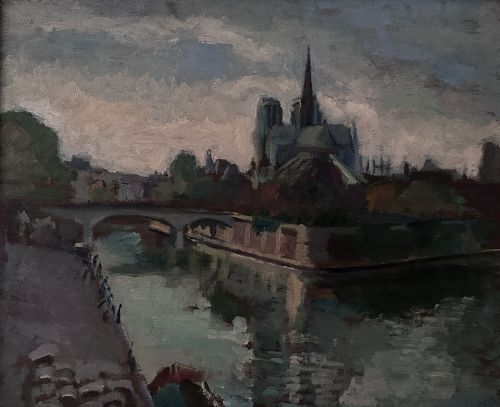
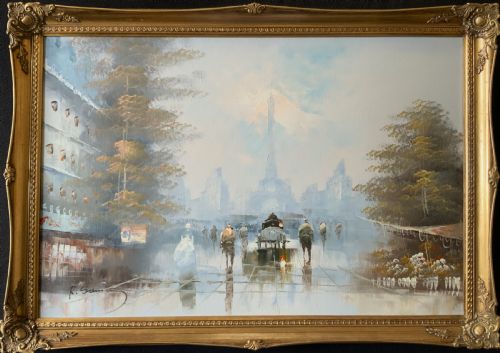
A paris cityscape oil painting encompasses works executed across the nineteenth and twentieth centuries, capturing familiar landmarks such as Notre Dame, the Eiffel Tower, and the River Seine. These canvases range from early twentieth-century French Belle Epoque views to mid-century expressions.
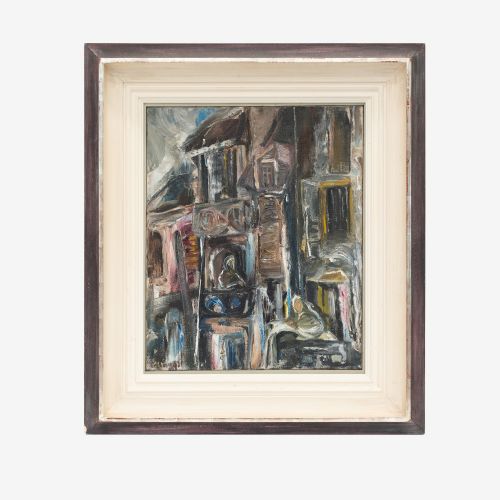
The version most commonly met on this page is the mid-century or early twentieth-century canvas, often set within a gilt wood or gilded wood frame. Such pieces lean heavily into Impressionist and Post-Impressionist traditions, depicting street scenes and river views with visible brushwork.
Subjects stretch from grand architectural monuments to quiet suburban corners and snowy Montmartre vistas. Buyers encounter both expansive panoramic formats and intimate depictions of daily Parisian life.
Materials and Technique
Oil paint applied to canvas forms the primary medium for these works, though occasional pieces utilise wood or board as a rigid support. The handling of oil paint allows for textured impasto and rich colour mixing that defines the Impressionist style.
Frames play a significant role in the presentation, frequently constructed from wood with gilded or gilt finishes to complement the warmth of the painted surface. Techniques range from rapid en plein air execution to composed studio works built upon foundational sketches.
Pierrot and Harlequin occasionally wander into the imaginary quays of Paris, bringing a touch of theatrical mischief to the canvas.
What Varies in Quality
Quality rests upon the confidence of the brushwork and the artist's command of light, atmosphere, and perspective within the urban setting. Stronger works convey the bustling energy of the French capital through deliberate composition rather than stiff replication.
The integrity of the canvas and the preservation of the original oil paint layer dictate the physical condition of the piece. Furthermore, the harmony between the painting and its accompanying wood frame influences the overall aesthetic success.
Lilian Colbourn·Caroline Burnett·Victor Gabriel Gilbert·Gabriel Dauchot·Ron Folland·Merio Ameglio·Eduard Leon Cortes
The Paris Cityscape Oil Painting Glossary
- Impressionism
- A nineteenth-century art movement characterised by relatively small, thin, yet visible brush strokes and an emphasis on accurate depiction of light. It forms the stylistic backbone for many urban French scenes.
- Post-Impressionism
- A predominant style extending Impressionism while rejecting its limitations, focusing on more symbolic content and heavier weight. Works in this vein often display bolder colour choices.
- Gilt Wood
- Wood that has been treated with a thin layer of gold leaf or metallic gilt powder. It is a frequent material choice for framing historic fine art.
- Impasto
- The process or technique of laying on paint or pigment thickly so that it stands out from a surface. This technique brings tangible texture to architectural details and figures.
- Belle Epoque
- A period of French history stretching from the late nineteenth century to the First World War, noted for optimism and peace. Art from this era often celebrates leisurely Parisian life.
Paris Cityscape Oil Painting: Frequently Asked Questions
How do I date a Paris oil painting?
Dating relies heavily on stylistic cues, canvas preparation, and the framing materials typical of specific decades. Mid-century works often show distinct modernist influences compared to nineteenth-century or Belle Epoque predecessors.
Signatures, artist registry dates, and stretcher frame construction further help narrow down the period of creation.
Where should I hang a cityscape painting?
These works suit dining rooms, studies, or living spaces where adequate wall space allows the composition to breathe. Placing the painting away from direct sunlight protects the oil pigments and the gilded wood frame.
Pairing the piece with neutral wall colours helps the rich tones of the Parisian street scene stand out.
What is the difference between Impressionist and Post-Impressionist?
Impressionist canvases prioritize fleeting moments of light and atmospheric conditions using rapid brushstrokes. Post-Impressionist pieces push beyond visual observation to explore more geometric structures and emotional depth.
Both styles capture Parisian subject matter but interpret the urban environment through different structural lenses.
Are these paintings on canvas or board?
The majority of the works utilise oil on canvas stretched over wooden frames. Some specific examples are executed on wood panels or rigid boards.
Support type often depends on the artist's preference for studio work versus portable plein air painting.
How do I care for an antique oil painting?
Keep the painting in a stable environment with moderate humidity and temperature to prevent canvas slackening or wood cracking. Dust the surface and the gilded frame gently with a soft, dry brush.
Avoid using liquid cleaners or chemical solvents on the painted canvas or the gilt wood.