

Oil on Canvas Cityscape
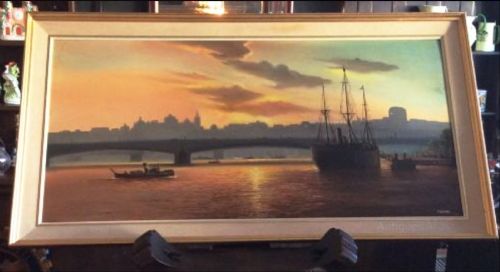
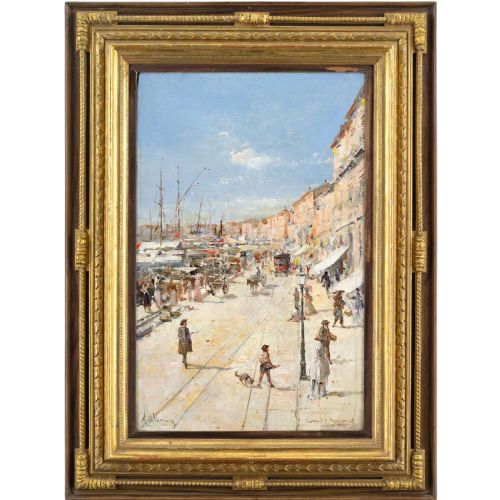
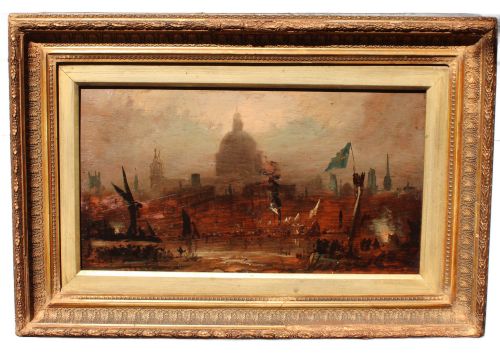
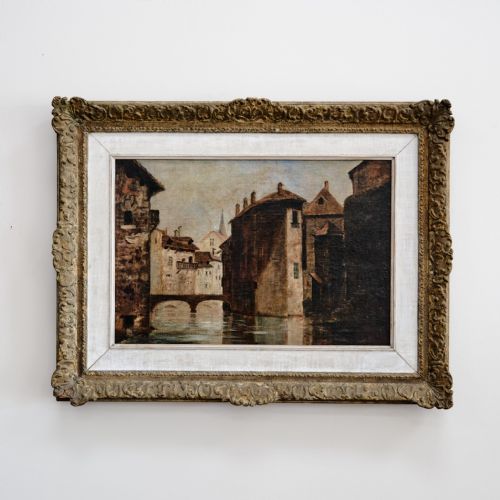
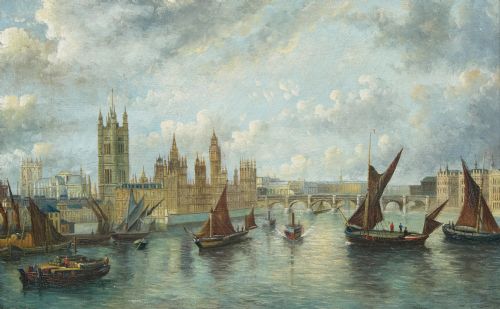
An oil on canvas cityscape captures the stone, water, and movement of urban life through layered pigments.
Oil on Canvas Cityscape
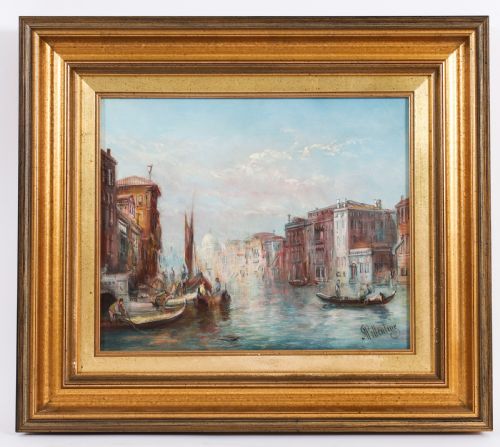
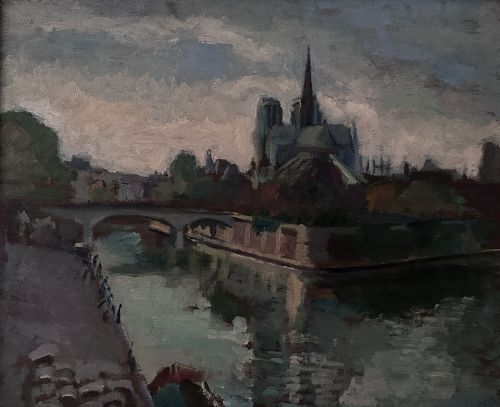
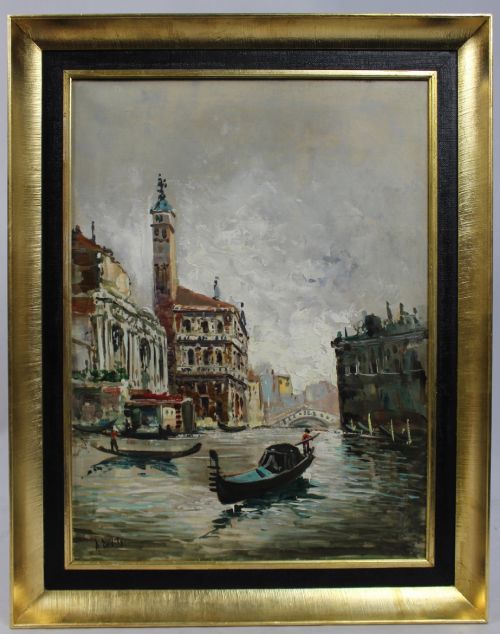
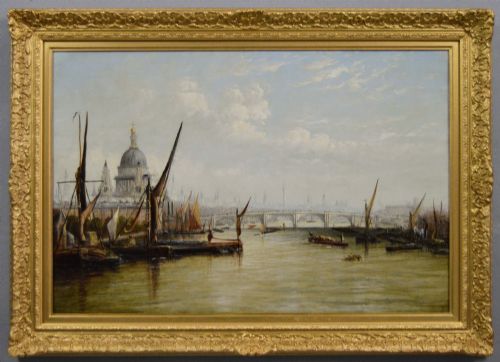
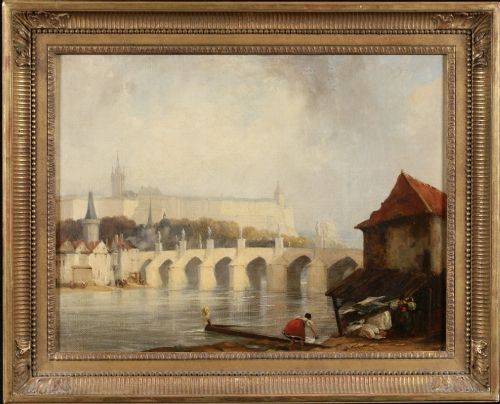
When searching for an oil on canvas cityscape, buyers encounter framed views of London, Paris, Venice, and Prague stretching from the nineteenth century into the mid-twentieth century. The selection spans wide river panoramas, quiet canals, bustling market squares, and architectural studies.
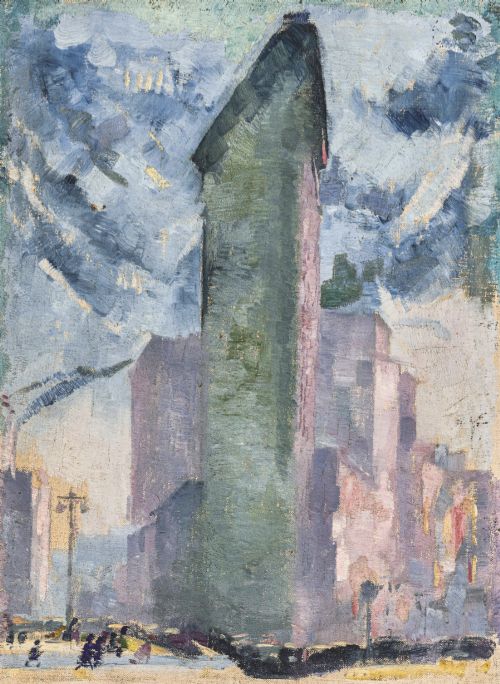
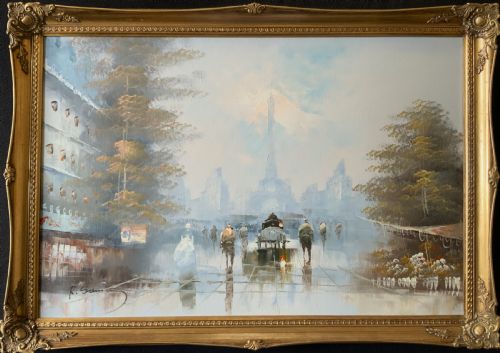
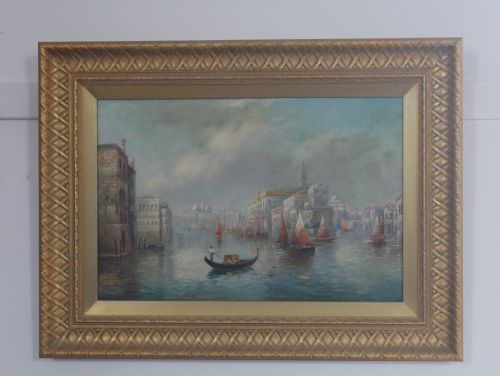
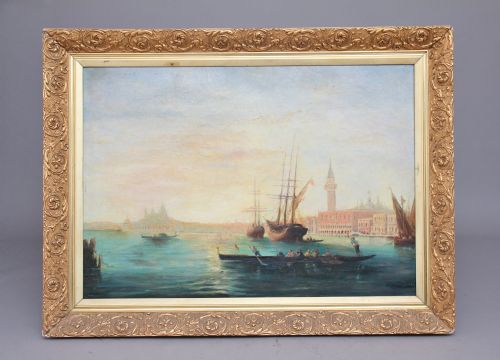
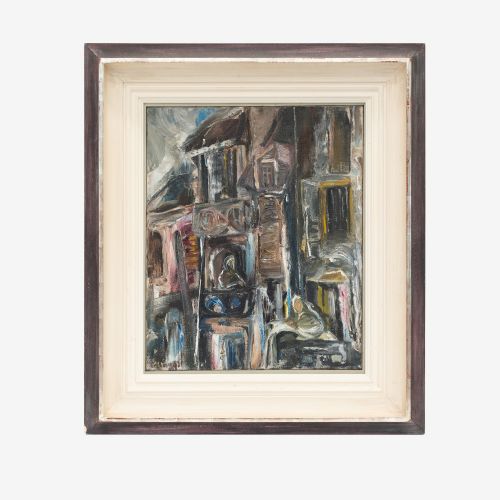
The mid-century examples frequently adopt impressionist, post-impressionist, or expressionist methods to render Parisian streets or Venetian lagoons. Earlier nineteenth-century works lean towards romanticism and topographical precision, recording bridges, cathedrals, and historic waterways with careful perspective.
Most entries are presented within period frames such as giltwood, gesso, or gold leaf surrounds that complement the canvas. Subjects range from signed canvases by listed European artists to uncredited atmospheric townscapes.
How they were made
Artists built these works by applying oil paint directly onto stretched canvas surfaces supported by wooden frames. Many mid-century compositions utilise thick impasto techniques, laying pigment down in heavy strokes to give stone facades and figures a tactile depth.
The supporting frames themselves were constructed from timber, often finished with moulded gesso and covered in gold leaf or giltwood. This combination of oil pigments and ornate wooden framing provided both physical protection and visual weight to the wall art.
Canvases capture everything from grand Parisian boulevards to quiet bridges shared only by passing ducks.
What varies in quality
Quality rests in the handling of light, atmosphere, and spatial depth across the canvas rather than the mere age of the piece. A superior painting employs confident brushwork and balanced tonal contrasts to define architecture and water, whereas weaker examples flatten perspective and muddy the palette.
The integration of the artwork with its period frame also determines the overall standard. Original giltwood and gesso surrounds that match the era of the canvas elevate the presentation above those paired with modern replacements.
Augusto Alberici·Alfred Pollentine·Antonio DeVity·Francis Moltino·Alfred Wolmark·Lilian Colbourn·Caroline Burnett·Paul-Jean Anderbouhr·Gabriel Dauchot·Ron Folland·Merio Ameglio·Cornelis Christian Dommersen·Claude Jousset·Frederick Tully Lott·William George Meadows·William Raymond Dommersen
The Oil on Canvas Cityscape Glossary
- Impasto
- Paint applied thickly to a canvas, standing out in relief from the surface and giving texture to architectural elements or water.
- Giltwood
- Wood that has been coated with gold leaf or a gold-coloured finish, commonly used for traditional picture frames.
- Gesso
- A plaster-like mixture applied to wooden frames as a base before gilding or painting.
- Impressionism
- A style of painting that focuses on capturing light and fleeting moments rather than precise details.
Oil on Canvas Cityscape: Frequently Asked Questions
What periods do these cityscapes cover?
The inventory spans from the early nineteenth century through the Victorian era up to the mid-twentieth century. Mid-century impressionist and expressionist works appear frequently alongside nineteenth-century topographical views.
Earlier pieces often reflect romantic sensibilities, while works from the 1930s, 1940s, and 1950s showcase modernist and impressionist interpretations of European capitals.
How should I hang an oil painting?
These canvases require sturdy picture hooks fixed securely into wall studs or masonry to support both the timber stretcher and the heavy giltwood frame. Position the centre of the canvas at average eye level to best appreciate the brushwork.
Keep paintings away from direct sunlight, heating vents, and damp walls to protect the oil pigments and wooden supports from cracking or warping.
Are the frames original to the canvases?
Many listings include period surrounds made of wood, gesso, and gold leaf that match the era of the painting. Descriptions typically specify whether a frame is vintage or antique.
Examining the fit and the back of the stretcher helps determine if the canvas has remained in its original housing or been reframed later.
How do I identify a mid-century impressionist view?
Mid-century impressionist cityscapes usually feature loose, visible brushstrokes and an emphasis on atmospheric light over sharp architectural lines. Subjects often include Parisian street scenes, boulevards, and river banks.
Artists from this period frequently employed impasto techniques, building up thick layers of oil paint to create texture on the canvas.